Eternity Bands: Explore Diamond Arrangements, Settings, and Modern Jewelry Styles
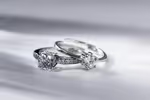
Eternity bands are continuous or partially continuous rings featuring diamonds or other gemstones arranged around the band. Their design can range from classic full-circle diamond arrangements to contemporary styles using different settings, stone shapes, metals, and spacing.
Modern eternity bands combine decorative detail with practical considerations such as stone security, band profile, comfort, maintenance, and coordination with other rings. Understanding diamond arrangements and settings helps explain the wide range of styles used in contemporary jewelry.
Eternity Bands: Explore Diamond Arrangements, Settings, and Modern Jewelry Styles
Context
Eternity bands are rings designed with diamonds or other gemstones arranged around part or all of the band. The continuous appearance of gemstones gives these rings a distinctive look and makes them popular within wedding, anniversary, and contemporary jewelry collections.
Depending on the design, an eternity band may feature stones completely around the ring or across only part of the circumference. Common design factors include diamond shape, stone size, setting method, metal type, band width, spacing, and overall profile.
What Are Eternity Bands?
Eternity bands typically use a sequence of gemstones arranged along the band. A full eternity design extends the gemstone arrangement around the complete circumference, while a partial or half-eternity design places stones across a selected portion of the band.
Diamond eternity bands are particularly recognizable because the repeated stones create a continuous line of sparkle. Other versions can use colored gemstones, mixed stones, or combinations of diamonds and colored accents.
Diamond Arrangements
The arrangement of diamonds strongly influences the appearance of an eternity band. Round diamonds can create a classic continuous pattern, while princess, emerald, oval, marquise, or other shapes can create more geometric or distinctive layouts.
The diamonds may be positioned closely together, separated by visible metal, or arranged in repeating patterns. Some designs use stones of similar size, while others gradually change stone dimensions around the band.
Common Ring Settings
The setting determines how individual gemstones are secured within the metal. Common approaches include prong, channel, bezel, bar, and pavé arrangements.
Channel settings place a row of gemstones between parallel metal walls, creating a structured line. Pavé arrangements place small stones closely together, while prong and bar configurations use metal supports to hold individual stones.
Importance
Eternity bands combine gemstone arrangement, metalwork, and ring construction into a single design. Their appearance can change significantly depending on the relationship between the stones and the surrounding metal.
Full Eternity Bands
Full eternity bands have gemstones arranged around the complete band. This creates a continuous visual pattern regardless of how the ring rotates on the finger.
Because gemstones extend around the band, the design can create a consistent appearance from different viewing angles. The continuous arrangement also means that the ring's construction and sizing need particular consideration.
Half and Partial Eternity Bands
Half or partial eternity bands place gemstones along a selected section of the band. The underside of the ring contains more exposed metal, which can provide a different balance of appearance and practicality.
These designs can also make certain sizing and adjustment considerations different from a full eternity construction.
Diamond Shapes
Different diamond shapes produce different visual patterns.
Round diamonds create a repeated circular appearance.
Princess-cut diamonds can create a more structured geometric arrangement.
Emerald-cut diamonds provide long, step-cut lines and a more architectural appearance.
Oval diamonds create an elongated repeating pattern.
Marquise diamonds can produce pointed, directional arrangements.
Mixed shapes can create more expressive contemporary designs.
The relationship between stone proportions and setting geometry is important because each shape interacts differently with surrounding metal.
Metal Choices
Eternity bands can be made using metals such as platinum, white gold, yellow gold, and rose gold. Metal color changes the overall visual contrast between the gemstones and the band.
White metals can create a visually continuous appearance with colorless diamonds, while yellow or rose gold can introduce a warmer contrast. Two-tone designs can combine different metals to create additional visual definition.
Recent Updates
Modern eternity band designs increasingly combine traditional gemstone arrangements with contemporary proportions, mixed shapes, alternative settings, and ring-stacking concepts.
Contemporary Diamond Patterns
Modern designs can move beyond a simple row of identical round diamonds. Alternating shapes, graduated stones, geometric arrangements, and mixed proportions can create more distinctive patterns.
Designers may also use spacing between stones to make the metal part of the visual composition rather than keeping the band completely covered.
Mixed-Shape Arrangements
Mixed-shape eternity bands can combine round, oval, pear, marquise, or geometric stones. The arrangement may repeat a specific sequence or use contrasting shapes to create visual rhythm.
These patterns can make the band appear more decorative while maintaining the fundamental concept of repeated gemstones around the ring.
Modern Setting Designs
Contemporary eternity bands can use different combinations of prongs, channels, bars, and pavé techniques. The setting affects both the visible amount of metal and the way individual diamonds are secured.
Channel settings can create a smooth, structured row, while pavé arrangements emphasize closely positioned gemstones. Prong and bar arrangements can leave more of the individual stone outlines visible.
Ring Stacking
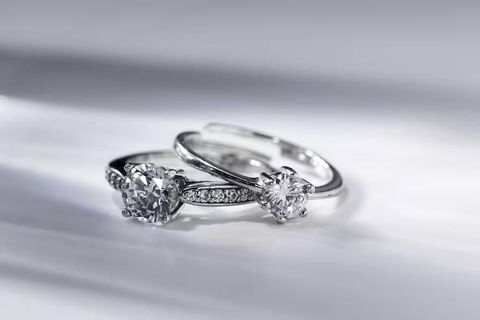
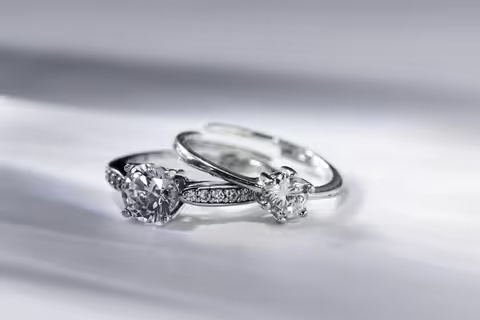
Eternity bands are also commonly incorporated into ring stacks. They can be positioned beside engagement rings, wedding bands, or other decorative rings to create layered combinations.
Stacking can involve matching metals and diamond shapes or intentionally combining contrasting designs. The proportions of neighboring rings can influence how balanced the overall arrangement appears.
Low-Profile Designs
Some contemporary eternity bands use lower-profile construction to create a smoother relationship between the ring and the finger. This can be particularly relevant when the band is worn alongside another ring.
The height of the setting, width of the band, and size of the gemstones all contribute to the final profile.
Alternative Gemstones
Although diamonds remain central to many eternity band designs, colored gemstones can introduce additional visual variation. Sapphires, rubies, emeralds, and other suitable gemstones can be arranged individually or combined with diamonds.
Colored stones can create contrast, repeating color patterns, or a more personalized appearance.
Laws or Policies
Jewelry products in India can be subject to requirements relating to precious-metal purity, hallmarking, product descriptions, and consumer information.
Hallmarking and Metal Purity
The Bureau of Indian Standards operates India's hallmarking framework for precious-metal articles. Hallmarking provides information about the purity of applicable precious-metal jewelry.
For a specific eternity band, the applicable hallmarking requirements depend on the metal, product category, and current regulatory provisions.
Diamond and Gemstone Information
Diamond and gemstone documentation can contain information about characteristics, grading, identification, or treatment depending on the product and laboratory documentation involved.
When evaluating jewelry specifications, terminology should be understood carefully because diamond shape, cut style, setting, color, clarity, and carat weight describe different characteristics.
Jewelry Standards
Applicable Indian Standards and hallmarking requirements can change over time. Manufacturers, retailers, and consumers should refer to current BIS information and applicable regulations when evaluating a specific jewelry product or production process.
Tools and Resources
Understanding eternity bands involves examining gemstone characteristics, setting construction, ring dimensions, metal properties, and jewelry workmanship.
Diamond Shape References
Diamond shape references help identify differences between round, oval, princess, emerald, marquise, pear, and other shapes. Shape and cutting style are related but are not interchangeable terms.
Setting References
Setting references can help explain how gemstones are held in place. Prong, channel, bezel, bar, and pavé constructions each use different metal arrangements.
Ring Size Information
Ring sizing is an important consideration for eternity bands. Full eternity designs may require particular attention because gemstones extend around the circumference and resizing can be more complex than with simpler bands.
Jewelry Inspection
A jewelry inspection can examine gemstone security, prongs, metal condition, surface wear, and other construction details.
For rings worn regularly, periodic inspection can help identify changes before they become more significant.
Ring-Stack Planning
When an eternity band is combined with other rings, useful considerations include:
Band width
Metal color
Ring height
Diamond shape
Setting profile
Surface finish
Finger spacing
Overall visual balance
These factors can help explain why two individually attractive rings may create different results when worn together.
FAQs
What are eternity bands?
Eternity bands are rings featuring diamonds or other gemstones arranged along part or all of the band. Full eternity designs extend the gemstone arrangement around the complete circumference, while partial versions cover a selected section.
What diamond settings are used in eternity bands?
Eternity bands can use prong, channel, bar, pavé, bezel, and other setting arrangements depending on the design. Each method changes the balance between visible metal, gemstone exposure, and structural support.
What diamond shapes are common in eternity bands?
Round diamonds are widely used, while oval, princess, emerald, marquise, pear, and mixed-shape arrangements can create different visual patterns.
What is the difference between full and half eternity bands?
A full eternity band has gemstones arranged around the complete circumference. A half or partial eternity band places gemstones across a selected portion of the band, leaving more metal visible on the remaining section.
Can eternity bands be worn with other rings?
Yes. Eternity bands can be worn individually or combined with engagement rings, wedding bands, and other rings. Band width, setting height, metal color, and stone arrangement can influence how the pieces work together visually.
Conclusion
Eternity bands combine repeated gemstone arrangements with carefully designed metal settings to create distinctive ring styles. Full, half, and partial designs can use different diamond shapes, settings, metals, and spacing patterns to create traditional or contemporary appearances. Modern eternity bands increasingly incorporate mixed shapes, alternative gemstones, low-profile construction, and ring-stacking concepts. Understanding the relationship between diamond arrangement, setting design, ring dimensions, and metalwork provides a useful foundation for evaluating eternity band styles.