Diamond Cluster Engagement Rings: Overview of Styles, Settings, and Cluster Patterns
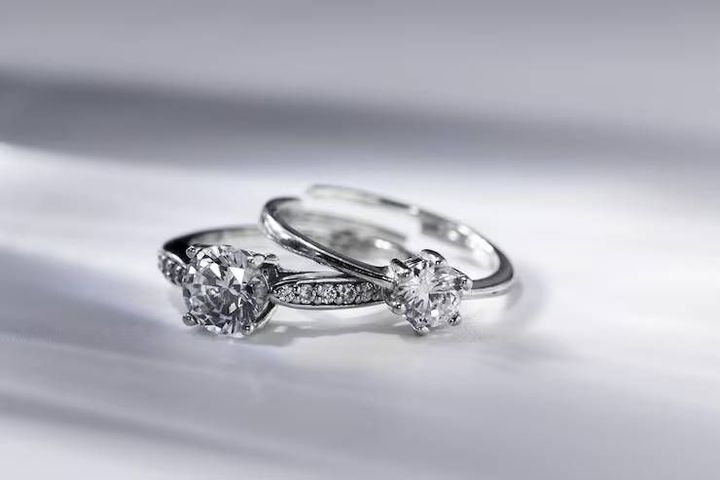
Diamond cluster engagement rings are jewellery pieces that use several smaller diamonds arranged closely together to create a larger visual pattern.
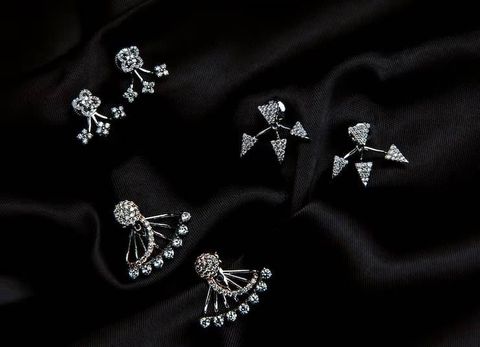
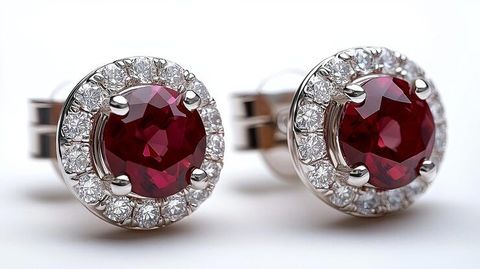
Instead of relying on one central stone, a cluster design groups multiple diamonds around a centre point or across a defined shape. Common arrangements include floral, halo, geometric, and symmetrical patterns.
The concept exists because several smaller stones can be arranged to create concentrated sparkle while giving the ring a distinctive appearance. Cluster settings can also accommodate different diamond shapes, including round, oval, pear, marquise, and princess cuts.
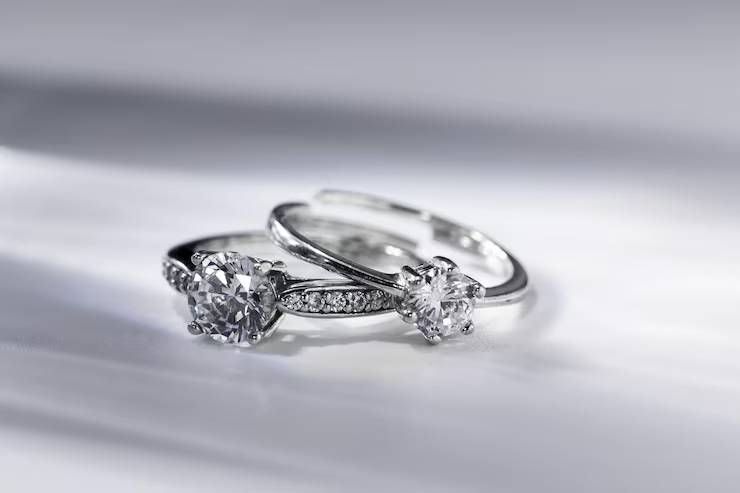
A typical diamond cluster engagement ring consists of three main elements: the precious-metal setting, the individual diamonds, and the arrangement that holds the stones securely. Gold and platinum are commonly used as ring metals, while white, yellow, or rose gold can create different visual effects.
Diamond quality is generally considered through the familiar 4Cs: cut, colour, clarity, and carat weight. In a cluster design, these factors apply to several individual stones rather than only one centre diamond. The overall appearance therefore depends on how the stones work together in terms of size, shape, colour, and brilliance.
Why Diamond Cluster Designs Matter Today
Cluster engagement rings remain relevant because they provide an alternative to conventional solitaire designs. Their visual structure can make the centre of a ring appear broader, while the multiple-stone arrangement creates a different pattern of light reflection.
The design is particularly relevant to people comparing different diamond engagement rings, natural diamond rings, and lab grown diamond engagement rings. The distinction between natural and laboratory-grown diamonds has become increasingly important because both are available in jewellery markets, but they have different origins.
For cluster rings, several factors should be considered:
- Diamond arrangement: The position and symmetry of individual stones affect the overall appearance.
- Stone proportions: Large differences between neighbouring diamonds can make the design look uneven.
- Cut quality: Well-cut diamonds generally interact more effectively with available light.
- Metal type: Gold and platinum have different physical properties and visual characteristics.
- Setting security: Small stones require secure settings because the ring may experience regular movement and contact.
- Certification: Documentation can help identify the characteristics and origin classification of a significant diamond.
Cluster designs can also be useful when comparing diamond ring price information because the final price of a multi-stone ring depends on several variables rather than simply the weight of one diamond. The number of stones, individual grades, metal weight, setting complexity, and whether the diamonds are natural or laboratory-grown can all influence the final amount.
Diamond Quality and Certification
A diamond grading report can provide information about characteristics such as colour, clarity, cut, measurements, and carat weight. For a cluster ring containing many small stones, however, not every individual diamond will necessarily have its own grading report.
This makes documentation particularly relevant for the principal or larger stones in a ring. Consumers can also examine the description of the complete jewellery piece to understand which stones are natural, laboratory-grown, treated, or otherwise classified.
The Gemological Institute of America has continued updating its approach to laboratory-grown diamonds. In June 2025, GIA announced that it would move toward descriptive quality categories for laboratory-grown diamonds rather than using the same colour and clarity nomenclature developed for natural diamonds.
GIA has also continued research into laboratory-grown diamond identification. Its research explains that chemical vapour deposition (CVD) and high-pressure, high-temperature (HPHT) are two major production methods and that modern laboratory-grown diamonds can closely resemble natural diamonds in physical and optical characteristics.
| Factor | What it means for a cluster ring |
|---|---|
| Cut | Influences brilliance and light return |
| Colour | Affects consistency between multiple stones |
| Clarity | Describes internal and surface characteristics |
| Carat weight | Represents the weight of individual diamonds |
| Setting | Holds stones securely within the ring |
| Certification | Documents characteristics of a graded diamond |
Recent Developments in the Diamond Industry
The diamond sector has experienced several changes during 2025 and 2026, particularly in laboratory-grown diamonds, certification, international trade, and jewellery manufacturing.
One important development came from GIA in June 2025, when the organisation announced changes to its terminology for laboratory-grown diamond evaluations. The planned system uses broader descriptive categories based on a combination of colour, clarity, and finish characteristics.
GIA also reported continuing growth in the size and quality of laboratory-grown diamonds. Its research identified CVD production as an important part of the laboratory-grown diamond sector and noted the significant presence of CVD manufacturing in Surat, Gujarat.
India's wider gem and jewellery sector also experienced changes during FY 2025–26. According to the Gem & Jewellery Export Promotion Council, India's total gem and jewellery exports for April 2025 through March 2026 reached approximately US$27.72 billion, with cut and polished diamonds representing 43.9% of the overall export basket.
During April–December 2025, GJEPC reported that polished laboratory-grown diamond exports from India declined 10.28% year over year in value, while cut and polished diamond exports declined 7.85%. The same period saw stronger growth in several jewellery categories and markets, demonstrating changes in product mix and international demand.
These developments matter to cluster engagement rings because changes in diamond production, grading terminology, and international trade can influence the availability and classification of different diamond types.
Indian Laws, Hallmarking, and Consumer Rules
In India, hallmarking is primarily associated with precious-metal purity rather than the identity or grading of the diamond itself. The Bureau of Indian Standards currently places gold and silver within the hallmarking framework.
For hallmarked gold jewellery, the hallmark includes the BIS logo, the purity or fineness mark, and a six-digit Hallmark Unique Identification (HUID) number. Consumers can verify the HUID through the BIS CARE application.
This distinction is important for diamond cluster engagement rings. A gold hallmark does not by itself establish the diamond's natural or laboratory-grown origin, colour, clarity, cut, or carat weight. Those characteristics require appropriate diamond documentation or gemological examination.
BIS states that consumers can have jewellery or samples tested through BIS-recognised Assaying and Hallmarking Centres. It also provides provisions concerning compensation when a hallmarked precious-metal article is found to have lower purity than the marked standard.
The mandatory hallmarking framework has continued to be expanded and amended. The BIS mandatory hallmarking page lists amendments dated July 2025, March 2026, April 2026, and August 2026, showing that the regulatory framework continues to develop.
Helpful Tools and Resources
Several established resources can help people understand diamond cluster engagement rings and verify jewellery information.
- BIS CARE App: Useful for checking the HUID associated with eligible hallmarked gold jewellery.
- BIS Hallmarking Portal: Provides information about hallmarking standards, registered jewellers, recognised Assaying and Hallmarking Centres, and applicable regulations.
- GIA 4Cs Resources: Provides educational information about cut, colour, clarity, and carat weight.
- GIA Report Check: Can be used to review information associated with applicable GIA reports.
- Gem & Jewellery Export Promotion Council: Provides industry statistics and updates concerning India's gem and jewellery sector.
- Diamond grading reports: Documentation from recognised gemological laboratories can help identify the characteristics of a graded diamond.
- Ring measurement guides: Finger-size charts and measurement references can help when evaluating ring dimensions before final selection.
Using independent documentation is particularly useful when comparing a natural diamond with a laboratory-grown diamond. The two categories should be clearly identified rather than treated as interchangeable terms.
Frequently Asked Questions
What is a diamond cluster engagement ring?
A diamond cluster engagement ring contains multiple diamonds arranged closely together in a coordinated pattern. The stones can form floral, halo, geometric, or other designs instead of using only one prominent centre diamond.
Are cluster engagement rings made only with natural diamonds?
No. Cluster rings can contain natural diamonds, laboratory-grown diamonds, or combinations depending on the jewellery design. The diamond type should be clearly identified in the accompanying documentation.
Does a gold hallmark certify the diamonds?
No. A gold hallmark primarily verifies the purity or fineness of the precious metal. It does not establish the diamond's colour, clarity, cut, carat weight, or natural or laboratory-grown origin.
Why is diamond certification important?
A grading report provides documented information about a diamond's characteristics. For larger or individually graded stones, it can help establish details such as measurements, carat weight, colour, clarity, and other identifying information.
Can the HUID be checked digitally?
Yes. BIS states that the HUID of hallmarked gold jewellery can be verified through the BIS CARE application.
Conclusion
Diamond cluster engagement rings combine several diamonds within a single structured design. Their appearance depends on the relationship between stone size, shape, cut, colour, clarity, setting, and metal.
The modern diamond market includes both natural and laboratory-grown diamonds, making clear identification and documentation increasingly relevant. Recent developments in laboratory-grown diamond evaluation, including GIA's 2025 announcement concerning descriptive terminology, demonstrate how the industry continues to evolve.
In India, consumers should also distinguish between diamond documentation and precious-metal hallmarking. BIS hallmarking helps establish the purity of eligible gold or silver jewellery, while diamond characteristics require appropriate gemological documentation.