Minimalist Studs: Guide to Simple Designs, Materials, Settings, and Styles
Minimalist studs are small earrings designed around simplicity, proportion, and understated decoration.
Unlike elaborate earrings with multiple decorative elements, studs generally use a compact front design attached to a post that passes through the ear and is secured at the back.
The style can include plain metal shapes, small diamonds, gemstones, pearls, or geometric forms. Common examples include round studs, square studs, bar-shaped designs, solitaire-style settings, and small pearl earrings.
Minimalist jewellery has existed in many forms for a long time, but contemporary designs often emphasize clean lines, small proportions, neutral shapes, and versatility. The approach is used across gold jewellery, silver jewellery, platinum jewellery, diamond jewellery, and gemstone jewellery.
The basic components of a stud earring include:
- Front decorative element
- Earring post
- Backing or fastening
- Metal setting
- Gemstone or other decorative material, where applicable
Because the design is relatively compact, the choice of material, setting, finish, and proportions can have a noticeable effect on appearance and durability.
Why Minimalist Studs Matter Today
Small earrings are relevant to people who prefer jewellery that can complement different clothing styles without becoming the central visual element. Their simple structure can also make them suitable for different age groups and occasions.
Minimalist studs can be particularly useful for people who want a consistent jewellery style for everyday settings, workplaces, educational environments, formal occasions, or casual activities.
The design also addresses practical considerations. Large or highly decorative earrings can sometimes interfere with clothing, hair, headphones, or other accessories. Smaller designs generally reduce these complications, although comfort still depends on weight, post length, backing type, and individual sensitivity.
Minimalist designs are also useful when combining several pieces of jewellery. A small pair of studs can be worn alongside necklaces, bracelets, rings, or additional ear piercings without creating a visually crowded appearance.
Some important factors to consider include:
- Size: Smaller dimensions generally create a more subtle appearance.
- Weight: Lightweight designs may be more comfortable for prolonged wear.
- Shape: Round, square, oval, and geometric forms create different visual effects.
- Material: Gold, silver, platinum, stainless steel, and other metals have different properties.
- Gemstone: Diamonds, pearls, and coloured gemstones provide different levels of colour and visual emphasis.
- Setting: Prong, bezel, and other settings affect how a gemstone is held.
Common Materials and Gemstones
The material used in minimalist studs affects appearance, durability, maintenance requirements, and suitability for different users.
| Material or Gemstone | Common Characteristics | Typical Appearance |
|---|---|---|
| Yellow Gold | Warm colour and traditional jewellery use | Classic and noticeable |
| White Gold | Light-coloured metal appearance | Modern and neutral |
| Rose Gold | Pink or reddish tone | Contemporary and warm |
| Silver | Bright white-metal appearance | Simple and versatile |
| Platinum | Dense, durable precious metal | White and understated |
| Diamond | High hardness and strong light reflection | Bright and classic |
| Pearl | Organic gemstone with soft lustre | Smooth and elegant |
| Coloured Gemstone | Available in many colours | Decorative and individual |
Gold purity is commonly expressed through karat values such as 14K, 18K, 20K, 22K, 23K, and certain 24K fineness grades under applicable Indian standards. The appropriate metal depends on the intended design and properties required.
Gemstones also require different care. Pearls, for example, are softer and more sensitive to chemicals and abrasion than diamonds. Coloured gemstones can vary considerably in hardness and treatment, so care instructions should be considered individually.
Stud Earring Settings
The setting is the structure that holds a gemstone in place. It can influence both appearance and protection.
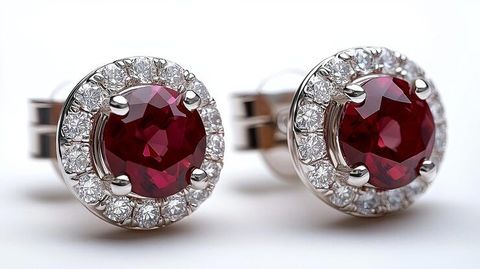
Prong setting: Small metal claws hold a gemstone at selected points. This design can expose more of the stone to light and is commonly associated with solitaire-style jewellery.
Bezel setting: A metal rim surrounds part or all of the gemstone. It provides a more enclosed appearance and can offer additional protection around the stone's edges.
Flush setting: The gemstone sits close to the surrounding metal surface. This creates a smooth profile and can reduce the chance of the stone catching on clothing.
Cluster setting: Several small stones are arranged together to create the appearance of a larger decorative surface. Although still available in compact forms, it is less visually minimal than a single-stone design.
For simple studs, the choice between settings often depends on the desired appearance, gemstone size, security, and overall profile.
Popular Minimalist Stud Styles
Minimalist studs are available in many shapes while retaining a relatively simple visual structure.
Classic round studs are among the most recognizable styles. Their symmetrical shape works with many types of clothing and jewellery.
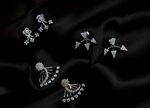
Geometric studs use squares, rectangles, triangles, circles, or abstract lines. These designs are often associated with contemporary jewellery.
Solitaire studs feature one primary gemstone in each earring. The design keeps attention on the individual stone rather than on a complex arrangement.
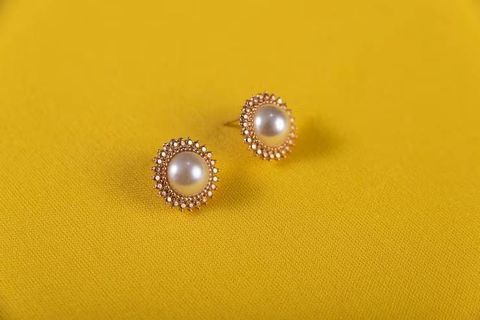
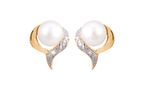
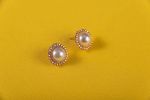
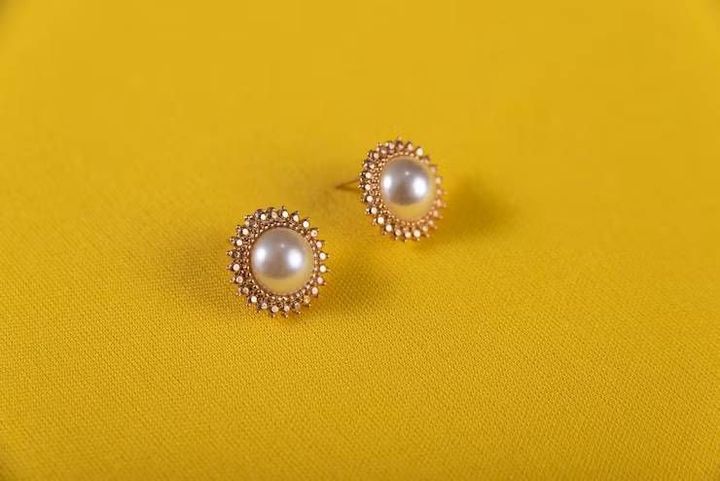
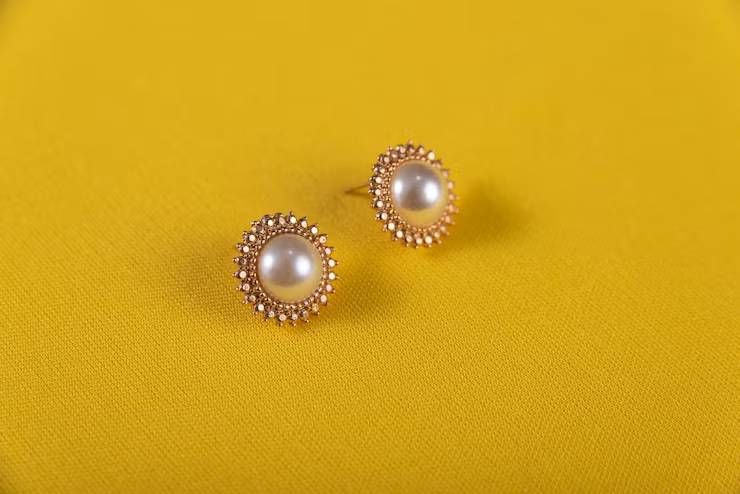
Pearl studs use a single pearl as the main decorative element. They provide a softer appearance compared with faceted gemstones.
Bar studs use a narrow horizontal or vertical shape. Their elongated form provides a simple alternative to traditional circular earrings.
Tiny gemstone studs use small diamonds or coloured stones for a subtle accent. These can be especially suitable for people who prefer very small jewellery.
Choosing a Minimalist Stud Design
Selecting a suitable design involves more than appearance. The size of the earlobe, preferred jewellery material, lifestyle, and intended frequency of use can all affect the choice.
A useful comparison checklist includes:
- Measure or compare the approximate diameter of the front design.
- Consider the weight of each earring.
- Check the metal type and stated purity.
- Identify the gemstone and its characteristics.
- Examine the setting around the stone.
- Consider the backing mechanism.
- Check whether the surface is smooth and comfortable.
- Look for appropriate hallmark information when applicable.
- Keep documentation describing the jewellery's material and characteristics.
For diamond studs, information about the stone may include carat weight, colour, clarity, and cut. These characteristics describe different aspects of a diamond and should not be treated as interchangeable measures.
Recent Developments in India
Jewellery standards and hallmarking requirements in India have continued to evolve.
In July 2025, the Ministry of Consumer Affairs, Food and Public Distribution issued the Hallmarking of Gold Jewellery and Gold Artefacts (Amendment) Order, 2025. The amendment expanded the districts covered by mandatory hallmarking requirements.
BIS also recorded further developments in 2026. An amendment dated March 2, 2026 added seven more districts to the mandatory hallmarking coverage under the sixth phase. The BIS hallmarking page was subsequently updated to include further amendments dated April 28 and August 3, 2026.
These changes are relevant to gold studs because the regulatory framework determines where mandatory hallmarking applies and how hallmarked gold jewellery is identified.
BIS states that hallmarked gold jewellery includes the BIS Standard Mark, purity information, and a six-digit alphanumeric Hallmark Unique Identification number, or HUID. Consumers can verify HUID information through the BIS Care application.
Indian Laws, Standards, and Consumer Protection
In India, the Bureau of Indian Standards, or BIS, administers the hallmarking framework for gold and silver jewellery. Hallmarking is intended to provide an official indication of precious-metal purity or fineness.
BIS identifies several permitted gold fineness grades under IS 1417, including 14K (585), 18K (750), 20K (833), 22K (916), 23K (958), and 24KS (995).
For hallmarked gold jewellery, the HUID system provides an identification mechanism. The BIS Care App includes a “Verify HUID” feature that allows consumers to check information associated with a hallmarked gold jewellery item.
BIS also provides consumer-testing procedures through recognized Assaying and Hallmarking Centres. If hallmarked jewellery is found to have lower purity than the marked purity, BIS describes a compensation mechanism under the applicable rules.
It is important to distinguish hallmarking from gemstone grading. A gold hallmark primarily relates to the purity or fineness of the precious-metal component. It does not by itself describe the quality characteristics of a diamond, pearl, or coloured gemstone.
Tools and Resources for Jewellery Research
Several official and practical resources can help people understand minimalist studs and jewellery standards.
BIS Care App: The official BIS application includes HUID verification, licence verification, standards information, and access to BIS laboratory and office information.
BIS Hallmarking Information: BIS provides explanations of hallmarking, applicable standards, consumer protection measures, and jeweller registration requirements.
BIS Licensed Jeweller List: BIS maintains a list of licensed jewellers, which can be used when checking registration information. The official list was updated in February 2026.
Jewellery measurement guide: A simple ruler or digital caliper can help compare stud diameter and post dimensions when specifications are provided.
Jewellery care instructions: Manufacturer or gemstone-specific care information can help determine suitable cleaning methods, especially for pearls and treated gemstones.
Material reference charts: Karat-to-fineness charts can help readers understand markings such as 18K/750 or 22K/916.
Frequently Asked Questions
What are minimalist studs?
Minimalist studs are compact earrings that use simple shapes, limited decoration, and relatively small proportions. They may contain plain metal, diamonds, pearls, or other gemstones.
Which materials are commonly used for minimalist studs?
Gold, silver, platinum, and other jewellery metals are commonly used. Diamonds, pearls, and coloured gemstones may be added as decorative elements.
What does HUID mean on gold studs?
HUID stands for Hallmark Unique Identification. For hallmarked gold jewellery in India, it is a six-digit alphanumeric identification number and forms part of the hallmark. Its details can be checked using the BIS Care App.
Are all minimalist studs hallmarked?
Hallmarking requirements depend on the metal, applicable regulations, exemptions, and location. In India, BIS currently covers gold and silver under its hallmarking framework, while mandatory coverage for gold jewellery has been expanded through successive government orders.
How should pearl or gemstone studs be maintained?
Care depends on the material. Pearls generally require gentler handling than diamonds, while coloured gemstones can have different hardness and treatment characteristics. Avoiding unnecessary exposure to chemicals, impact, and abrasive materials is generally appropriate.
Conclusion
Minimalist studs combine compact proportions with simple shapes and carefully selected materials. Their appearance can range from plain metal designs to small diamond, pearl, or coloured gemstone styles.
Understanding the differences between materials, gemstone types, settings, dimensions, and fastening systems makes it easier to evaluate the characteristics of different designs. In India, hallmarking and HUID identification are also important considerations for applicable gold jewellery.
Recent changes to India's hallmarking framework, including amendments during 2025 and 2026, show that jewellery standards continue to develop. Using official BIS resources and checking relevant identification and purity information can help readers better understand jewellery specifications and applicable standards.