Mixed-Metal Jewelry: Learn the Basics, Trends, and Key Resources
Mixed-metal jewelry combines two or more metal colors or metal types within the same piece or coordinated jewelry look. Common combinations include yellow gold with white gold, silver with gold, rose gold with yellow gold, and precious metals combined with stainless steel or other materials.
The concept allows different tones, finishes, textures, and shapes to appear together. Instead of limiting an outfit to one metallic color, mixed-metal jewelry creates visual contrast through differences in color and surface appearance.
How Mixed-Metal Jewelry Developed
Combining different metals is not a completely new concept. Historical jewelry from different cultures has used contrasting metals, alloys, stones, and decorative materials to create distinctive visual effects.
Modern mixed-metal jewelry has expanded through improved manufacturing methods. Techniques such as soldering, casting, laser welding, electroforming, plating, and computer-aided design allow manufacturers to combine components with different physical and visual characteristics.
Main Types of Mixed-Metal Jewelry
Mixed-metal jewelry can be classified according to its materials and construction.
Two-tone jewelry: Two contrasting metal colors are incorporated into one piece, such as yellow and white gold.
Multi-tone jewelry: Three or more metallic tones are combined within a single design.
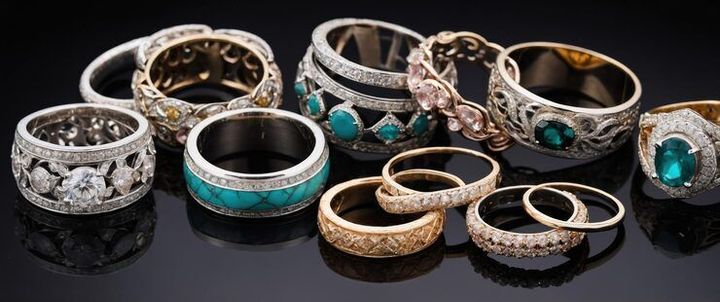
Mixed-metal rings: Rings may combine different gold colors or pair precious metals with alternative metals.
Mixed-metal bracelets: Cuffs, chains, bangles, and link bracelets can use contrasting sections or finishes.
Mixed-metal necklaces: Chains and pendants may combine multiple metal tones within one design.
Mixed-metal earrings: Different metal colors can be used for hoops, studs, drops, and decorative components.
Mixed-metal sets: Several pieces use coordinated combinations of different metallic tones.
A simple example is a bracelet containing yellow-gold-colored links connected to polished white-metal links. The contrasting surfaces create visual separation while keeping the piece within one overall design.
Importance
Why Mixed-Metal Jewelry Matters
Mixed-metal jewelry gives designers additional ways to combine color, texture, shape, and surface finish. It can also make different pieces of jewelry visually compatible when they use related metal tones.
For wearers, mixed-metal designs can reduce the need to coordinate every accessory around a single metallic color. A necklace containing both warm and cool tones, for example, can visually connect accessories with different finishes.
Materials Used
Several materials can appear in mixed-metal jewelry.
Yellow gold: A warm-colored precious metal commonly used in traditional and contemporary jewelry.
White gold: Gold alloyed with other metals to produce a lighter appearance, commonly finished with rhodium plating.
Rose gold: Gold containing a higher proportion of copper than conventional yellow-gold alloys, producing a pink or reddish tone.
Silver: A bright-colored precious metal used in many jewelry designs.
Platinum: A naturally white precious metal with properties that make it suitable for fine jewelry.
Stainless steel: A durable metal frequently used in contemporary jewelry.
Titanium: A lightweight metal used in selected modern designs.
Brass: A copper-zinc alloy that provides a warm golden appearance.
The appearance and properties of each material depend on its exact alloy composition, surface treatment, manufacturing process, and maintenance.
Manufacturing Methods
Mixed-metal jewelry requires careful joining and finishing because different metals can have different melting points, hardness levels, expansion characteristics, and surface properties.
Casting can create individual components that are later assembled. Soldering joins compatible metal parts using a lower-melting material, while laser welding can provide controlled joining for selected jewelry applications.
Surface finishing is also important. Polishing, brushing, engraving, hammering, and plating can create differences between sections even when the underlying metals are similar.
Comparing Common Metal Combinations
| Combination | Visual Character | Common Jewelry Forms | Main Consideration |
|---|---|---|---|
| Yellow gold + white gold | Warm and cool contrast | Rings, bracelets | Matching surface finishes |
| Yellow gold + rose gold | Warm multi-tone appearance | Rings, necklaces | Color balance |
| Gold + silver | Strong metallic contrast | Bracelets, necklaces | Different material properties |
| Gold + platinum | Subtle luxury-metal contrast | Rings, earrings | Material compatibility |
| Silver + stainless steel | Bright and contemporary | Chains, bracelets | Finish consistency |
| Gold + titanium | Precious and modern contrast | Rings, statement pieces | Joining and design structure |
| Brass + silver | Warm and cool contrast | Fashion jewelry | Surface protection |
Styling Applications
Mixed-metal jewelry can be incorporated into casual, formal, professional, and evening outfits. The visual effect depends on the proportions of each metal and the overall design.
A simple mixed-metal chain can provide a subtle transition between different accessories. A larger multi-tone cuff or necklace creates a stronger visual focal point and may require fewer additional accessories.
The combination of warm and cool metallic tones can also create contrast. Repeating one of the metals elsewhere in an outfit can visually connect the overall look.
Common Challenges
Different metals can react differently to moisture, chemicals, friction, and environmental exposure. Plated surfaces may gradually change appearance with wear, while some metals can develop natural surface changes over time.
Jewelry containing multiple metals may also require specialized repair or refinishing if one section becomes damaged. Cleaning methods should therefore be suitable for all materials and finishes present in the piece.
Recent Updates
Digital Jewelry Design
From 2024 through 2026, digital design tools have continued to influence jewelry development. Computer-aided design allows designers to create three-dimensional models and examine proportions, connections, stone placement, and surface details before production.
Digital modeling is particularly useful for mixed-metal pieces because designers can visualize different metal colors and finishes within one model.
Laser Welding and Precision Manufacturing
Laser welding is used in some jewelry manufacturing applications where controlled joining is required. The focused energy can allow precise work on small components while limiting the surrounding heat-affected area compared with some conventional joining methods.
The suitability of laser welding depends on the metals, geometry, thickness, and production requirements.
3D Printing and Prototyping
3D printing continues to support jewelry prototyping. Designers can create physical models to evaluate dimensions, proportions, wearability, and construction before producing a final metal piece.
For mixed-metal designs, prototypes can help assess how different sections fit together and whether the intended proportions create the desired visual balance.
Material Traceability
Jewelry supply chains are receiving increased attention regarding responsible sourcing, recycled metals, and material traceability. Recycled precious metals can be incorporated into jewelry production, while documentation systems can provide information about material origin and processing.
The environmental impact of a jewelry piece depends on factors including material extraction, refining, manufacturing, transportation, product lifespan, and recycling.
Laws or Policies
Metal Purity and Hallmarking
Jewelry regulations differ between countries. Some jurisdictions require or regulate markings that identify precious-metal purity, while others have different disclosure systems.
The UK, for example, has a hallmarking framework for certain precious-metal articles. The European Union also has consumer-product and chemical regulations that can affect jewelry sold within its market.
Chemical Restrictions
The European Union's REACH framework regulates chemical substances and can apply to materials used in consumer products, including certain jewelry articles. Nickel release is an important consideration for products designed for prolonged skin contact.
Requirements vary according to the product, material, market, and applicable legislation. Manufacturers and importers need to verify the requirements for each destination.
Responsible Diamond Trade
For mixed-metal jewelry containing diamonds, international trade rules can be relevant. The Kimberley Process Certification Scheme addresses the international trade in rough diamonds and was established to reduce the trade in conflict diamonds.
The Kimberley Process applies to rough diamonds within its defined framework rather than covering every aspect of finished jewelry.
Tools and Resources
CAD Jewelry Design Software
Computer-aided design software helps create detailed three-dimensional jewelry models. Designers can use these systems to examine proportions, metal combinations, stone placement, and structural components.
3D Printers
Jewelry-focused 3D printing systems can produce prototypes or patterns used in casting and other manufacturing workflows. The appropriate technology depends on the material and production process.
Metal Testing Equipment
Jewelry manufacturers and laboratories can use analytical equipment to identify metal composition and assess material characteristics. X-ray fluorescence, commonly called XRF, is one technique used for non-destructive elemental analysis of many metal objects.
Standards and Regulatory Databases
International and national standards organizations provide information about materials, testing, manufacturing, labeling, and consumer-product requirements. Regulatory databases are useful for checking chemical restrictions and market-specific obligations.
Jewelry CAD and Visualization Tools
Rendering software can display different metal colors and finishes before production. This can help designers compare combinations such as yellow gold, white gold, rose gold, silver, and platinum within the same design.
FAQs
What is mixed-metal jewelry?
Mixed-metal jewelry combines two or more different metal colors, metal types, or finishes within one piece or coordinated jewelry design. Common examples include gold with silver or combinations of yellow, white, and rose gold.
Is mixed-metal jewelry a current trend?
Mixed-metal jewelry remains an established design approach, with contemporary collections using combinations of metal colors, finishes, textures, and materials. Digital design and precision manufacturing have also expanded the range of possible combinations.
What metals are commonly used in mixed-metal jewelry?
Common materials include yellow gold, white gold, rose gold, silver, platinum, stainless steel, titanium, and brass. The specific combination depends on the design, manufacturing method, and intended use.
How is mixed-metal jewelry made?
Mixed-metal jewelry can involve casting, soldering, laser welding, machining, forming, polishing, engraving, and plating. Different components may be produced separately and then assembled into one finished piece.
How should mixed-metal jewelry be maintained?
Care depends on the specific metals and surface finishes. Jewelry should generally be protected from unnecessary exposure to harsh chemicals, excessive friction, and unsuitable cleaning methods, with maintenance based on the materials present.
Conclusion
Mixed-metal jewelry combines contrasting metals, colors, finishes, and textures to create distinctive designs across rings, bracelets, necklaces, and earrings. Modern CAD systems, laser welding, 3D prototyping, and material-traceability practices are influencing how these pieces are designed and produced. Metal composition, joining methods, surface treatment, maintenance, and regional regulations are important factors when evaluating mixed-metal jewelry. Understanding these elements provides a practical foundation for exploring contemporary multi-metal jewelry designs.