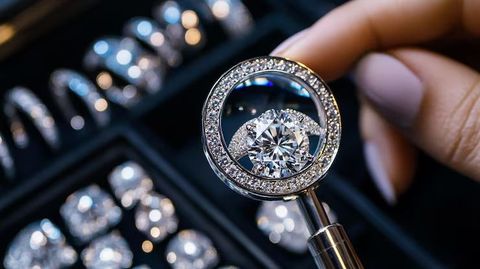
Ethical Jewelry Trends: Explore Sustainable Materials and Modern Designs
Ethical Jewelry refers to jewelry designed or produced with greater attention to material sourcing, environmental considerations, labor practices, transparency, and long-term use. The term can cover many different approaches because there is no single material or production method that automatically makes a piece ethical.
For example, jewelry may use recycled gold, recycled silver, laboratory-grown diamonds, traceable gemstones, vintage materials, or production methods intended to reduce material waste. Ethical considerations can also include how gemstones are sourced and how workers are treated throughout the supply chain.
The idea has become more relevant as consumers and designers pay greater attention to where precious metals and gemstones originate and how they move through international supply chains.
How Sustainable Jewelry Is Made
A jewelry piece can pass through several stages before reaching its final form:
Material sourcing: Metals and gemstones are obtained from mines, recycling streams, laboratories, or existing jewelry.
Design: Designers determine the shape, setting, dimensions, and combination of materials.
Manufacturing: Metals are formed, cast, cut, polished, assembled, and finished.
Stone preparation: Natural or laboratory-grown stones may be cut, polished, and graded.
Quality assessment: Metal purity, gemstone characteristics, dimensions, and workmanship can be examined.
Documentation: Information about metal purity, gemstone origin, laboratory reports, or certifications may accompany the piece.
The environmental and social characteristics of a finished item therefore depend on several stages rather than one material alone.
Common Materials
Recycled gold comes from existing gold that is recovered, refined, and introduced into another production cycle. Because gold can be repeatedly refined, existing metal can remain part of the material system rather than requiring newly extracted gold for every piece.
Recycled silver follows a similar concept and can come from discarded jewelry, industrial materials, or other silver-containing products.
Laboratory-grown diamonds are diamonds produced through technological processes rather than geological formation underground. They have essentially the same chemical composition and crystal structure as natural diamonds, although their origin is different.
Traceable gemstones are accompanied by information intended to document parts of their supply chain. The amount and quality of available information can vary considerably.
Vintage and antique jewelry can also fit within circular approaches because existing pieces are preserved, reused, restored, or redesigned rather than manufactured entirely from new materials.
Importance
Greater Attention to Material Origins
Jewelry contains valuable materials that can travel through complex international supply chains. Understanding material origins can help consumers and designers distinguish between different sourcing approaches.
For metals, recycling provides one route for retaining valuable material in circulation. For gemstones, origin information can be more complicated because supply chains may involve multiple cutting, trading, and distribution stages.
Reducing Material Waste
Jewelry manufacturing involves processes such as cutting, casting, polishing, drilling, and shaping. These activities can generate material residues.
Manufacturers can recover selected metal residues and return them to refining systems. Computer-aided design and precision manufacturing can also help designers plan dimensions and material use before production begins.
Supporting Circular Jewelry
Circular design focuses on keeping products and materials in use for longer periods. In jewelry, this can involve repair, resizing, remounting stones, redesigning older pieces, recycling metals, and using existing components.
A simple example is an old gold ring that is redesigned into a new pendant. The original metal remains part of the material cycle rather than becoming unused material.
Modern Consumer Expectations
Sustainability has become one of several factors influencing contemporary jewelry design. Recent fashion coverage has also highlighted recycled metals, colored gemstones, mixed materials, personalization, and distinctive sculptural designs.
However, ethical jewelry is not limited to a particular appearance. A minimalist ring, a vintage bracelet, a colored gemstone necklace, or a contemporary sculptural piece can all incorporate responsible material or production choices.
Important Characteristics
| Feature | Meaning | Example |
|---|---|---|
| Recycled metal | Existing metal processed for reuse | Recycled gold |
| Laboratory-grown stone | Stone produced through controlled technology | Lab-grown diamond |
| Traceability | Information about material origin | Documented gemstone supply chain |
| Circular design | Keeping materials in use | Redesigning older jewelry |
| Repairability | Ability to maintain a piece | Resizing or resetting |
| Durability | Ability to remain usable over time | Strong metal setting |
| Hallmarking | Verified precious-metal fineness | BIS hallmark for applicable gold |
Recent Updates
Recycled Metals in Contemporary Designs
Recycled metals continue to appear in contemporary jewelry collections. Designers are also combining recycled precious metals with sculptural shapes, geometric patterns, colored stones, and contrasting textures.
Recent fashion reporting has highlighted recycled silver in modern interpretations of Art Deco-inspired jewelry, demonstrating how sustainability-related materials can be incorporated into decorative and highly stylized designs.
Laboratory-Grown Diamonds
Laboratory-grown diamonds remain an important part of the modern jewelry landscape. Their production takes place through controlled technological processes rather than natural geological formation.
The presence of laboratory-grown diamonds also creates greater variety in design because consumers can consider different origins and characteristics when selecting diamond jewelry. The term “lab-grown” describes origin; it does not by itself describe the environmental performance of the entire production process.
Personalized Jewelry
Personalization continues to influence jewelry design. Initials, birth-related symbols, meaningful dates, distinctive gemstones, customized shapes, and mixed materials can make individual pieces more personal.
Current fashion coverage also describes a movement toward combining different metals, textures, pendants, and sculptural forms rather than relying exclusively on coordinated matching sets.
Vintage-Inspired Modern Designs
Art Deco geometry, nature-inspired forms, sculptural shapes, and heritage-inspired motifs are being adapted into contemporary jewelry. Recent coverage has highlighted renewed interest in Art Deco aesthetics combined with modern materials and craftsmanship.
This approach can also complement circular jewelry concepts when existing designs, older pieces, or reclaimed materials influence new creations.
Transparency and Material Information
Another important trend is greater attention to material documentation. Consumers may encounter information about metal purity, gemstone characteristics, laboratory reports, origin claims, or chain-of-custody documentation.
Documentation should be examined carefully because terms such as “ethical,” “sustainable,” and “responsibly sourced” can have different meanings depending on the organization making the claim.
Laws or Policies
BIS Hallmarking in India
In India, the Bureau of Indian Standards operates the hallmarking framework for applicable gold and silver jewelry. BIS explains that hallmarking records the proportion of precious metal in an article and provides information about fineness.
For hallmarked gold jewelry, the hallmark includes the BIS logo, purity or fineness information, and a six-digit Hallmark Unique Identification number, known as HUID. BIS states that consumers can verify HUID information through the BIS CARE application.
Mandatory Hallmarking
India's mandatory hallmarking framework has been updated through several amendments. The BIS mandatory hallmarking page lists amendments through August 2026 and was last updated on September 1, 2026.
The exact applicability depends on the type of article and applicable exemptions. BIS also lists specific exemptions, including certain special categories of jewelry and articles below specified weight thresholds.
Gold and Silver Standards
BIS identifies standards covering gold and silver jewelry fineness and marking. Gold grades covered by the cited BIS framework include 14K, 18K, 20K, 22K, 23K, and 24KS grades with corresponding fineness values.
Hallmarking verifies precious-metal purity; it does not independently establish that a piece has an environmentally sustainable supply chain.
Documentation and Verification
BIS guidance states that invoices for hallmarked precious-metal articles should include details such as article description, net precious-metal weight, purity, fineness, and applicable hallmarking information.
For consumers examining ethical jewelry, metal-purity documentation and separate sustainability or origin documentation serve different purposes. A hallmark can provide information about metal purity, while a gemstone report or supply-chain document may address another characteristic.
Tools and Resources
Hallmark Verification
The BIS CARE application includes a HUID verification function for applicable hallmarked gold jewelry. This can help users check the identification associated with a hallmarked item.
Gemstone Reports
Independent gemstone laboratories can provide reports describing characteristics such as diamond grading, gemstone identification, treatments, and other relevant properties.
These reports should be interpreted according to the exact stone and report type rather than treated as universal proof of ethical sourcing.
Material Documentation
Documentation from refiners, manufacturers, and suppliers can provide additional information about recycled metals, sourcing systems, or chain-of-custody arrangements.
The quality of traceability depends on how the information was collected, verified, and maintained.
Jewelry Design Software
Computer-aided design tools allow designers to create digital jewelry models before physical production. These tools can help examine dimensions, stone placement, metal thickness, and overall proportions.
Digital modeling can also support more precise manufacturing and design adjustments before material is physically processed.
Repair and Redesign Resources
Jewelry repair and redesign can support longer product lifecycles. Examples include resizing rings, replacing worn settings, resetting gemstones, restoring older pieces, and converting one type of jewelry into another.
Keeping an existing piece in use can be a practical part of a circular approach.
Material Comparison Tables
Designers and researchers can create comparison tables covering:
Metal type
Recycled or newly sourced material
Gemstone origin
Available documentation
Hallmark information
Repair possibilities
Durability
Design characteristics
Such comparisons can make complex sourcing information easier to understand without reducing ethical considerations to a single label.
FAQs
What is Ethical Jewelry?
Ethical Jewelry refers to jewelry approaches that consider material sourcing, environmental factors, labor conditions, transparency, durability, and the continued use of valuable materials.
What materials are used in sustainable jewelry?
Common materials include recycled gold, recycled silver, laboratory-grown diamonds, documented gemstones, and metals or stones recovered from existing jewelry.
Are lab-grown diamonds part of Ethical Jewelry Trends?
Laboratory-grown diamonds are frequently discussed within modern jewelry and sustainability conversations because their origin differs from naturally formed diamonds. Their overall environmental profile depends on production methods and energy sources.
What does recycled gold mean in jewelry?
Recycled gold is gold recovered from existing products or materials and processed for reuse. Because gold can be refined repeatedly, the same metal can remain in circulation through multiple product generations.
Does a BIS hallmark prove that jewelry is ethical?
No. A BIS hallmark primarily provides information about the purity or fineness of applicable precious-metal jewelry. Ethical sourcing, environmental impact, and gemstone origin require additional information or documentation.
Conclusion
Ethical Jewelry Trends combine material awareness, circular design, transparency, and evolving aesthetics. Recycled metals, laboratory-grown diamonds, traceable materials, vintage pieces, and repair-focused approaches are among the concepts shaping modern jewelry discussions. Contemporary designs are also incorporating geometric forms, sculptural shapes, personalization, mixed materials, and heritage-inspired details. In India, BIS hallmarking provides an important framework for understanding precious-metal purity, while additional documentation is needed to evaluate sourcing and sustainability characteristics.