Statement Cuff Jewelry: Guide to Designs, Materials, and Styling Insights
Statement cuff jewelry refers to wide or visually noticeable bracelets designed to create a strong focal point around the wrist. Unlike narrow everyday bracelets, cuff designs generally cover a larger portion of the wrist and may use distinctive shapes, textures, gemstones, metal finishes, or artistic patterns.
Statement cuff jewelry appears across many fashion traditions and can be made from metals, leather, resin, wood, textiles, gemstones, or combinations of different materials. Contemporary designs range from simple geometric forms to highly detailed decorative pieces.
How Cuff Jewelry Developed
Cuff-style adornments have existed across many civilizations. Historical examples have been produced from materials such as gold, silver, bronze, ivory, carved stone, glass, and natural materials, depending on the culture and period.
Modern cuff jewelry combines traditional decorative techniques with contemporary manufacturing. Casting, metal forming, engraving, laser cutting, 3D modeling, stone setting, and surface finishing allow designers to create different shapes and textures.
Main Designs of Statement Cuff Jewelry
Statement cuff jewelry can be grouped according to shape, material, construction, and decorative style.
Open cuffs: These have an opening that allows the piece to slide onto the wrist without a conventional clasp.
Hinged cuffs: A hinge allows the bracelet to open and close around the wrist.
Sculptural cuffs: These use unusual curves, asymmetrical forms, or architectural shapes as their main visual feature.
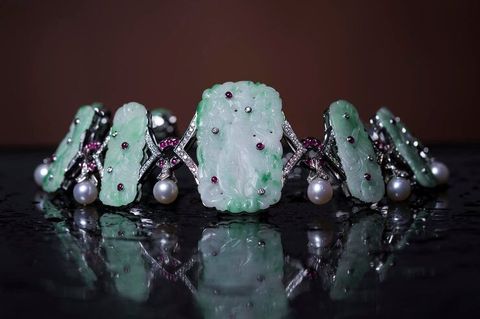
Gemstone cuffs: These incorporate diamonds, colored gemstones, crystals, pearls, or other decorative stones.
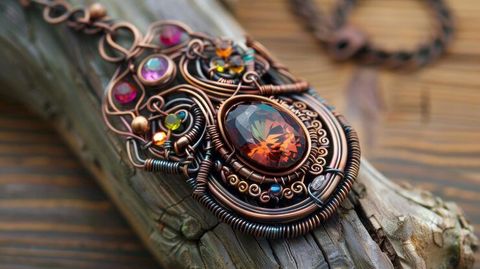
Textured cuffs: Hammering, engraving, embossing, carving, or patterned surfaces create visual depth.
Minimal geometric cuffs: These use clean lines, circles, rectangles, curves, or other simple forms.
Layered or mixed-material cuffs: Several materials or design elements are combined within one piece.
A simple example is a wide metal cuff with a polished surface and a geometric pattern. The bracelet itself becomes a prominent part of an outfit rather than functioning only as a small accessory.
Importance
Why Statement Cuff Jewelry Matters
Statement cuff jewelry can influence the overall appearance of an outfit because its larger surface area creates a noticeable visual element. The design can complement clothing, coordinate with other accessories, or provide contrast against a simple outfit.
Cuffs are also useful for expressing different design aesthetics. Smooth metal surfaces can create a modern appearance, while engraved patterns, gemstones, or handcrafted textures can produce a more decorative effect.
Materials Used in Cuff Jewelry
Material selection affects appearance, weight, durability, maintenance, and manufacturing methods.
Gold: Gold is used in different purities and colors, including yellow, white, and rose varieties.
Silver: Silver provides a bright metallic appearance and is commonly used for detailed decorative work.
Stainless steel: This material is valued for its strength and resistance to corrosion.
Brass: Brass has a warm golden appearance and is frequently used in decorative jewelry.
Titanium: Titanium is lightweight and strong, making it suitable for certain contemporary designs.
Leather: Leather cuffs provide a different texture and can be combined with metal components.
Resin: Resin allows designers to create colorful, transparent, patterned, or sculptural forms.
Gemstones: Stones can be used as focal elements or as smaller decorative details.
Design and Styling Applications
Statement cuff jewelry can be used with casual clothing, formal outfits, evening wear, traditional clothing, and contemporary fashion. Styling depends on the width, material, color, shape, and visual complexity of the cuff.
A wide metallic cuff can complement a simple sleeve, while a highly decorated cuff may be paired with less visually complex accessories. Proportion is also important because very wide cuffs can become the primary accessory on the wrist.
Comparing Common Cuff Materials
| Material | Appearance | Typical Characteristics | Common Design Use |
|---|---|---|---|
| Gold | Warm metallic | Malleable and available in different alloys | Fine decorative cuffs |
| Silver | Bright metallic | Suitable for detailed designs | Traditional and contemporary cuffs |
| Stainless steel | Polished or matte | Strong and corrosion resistant | Modern designs |
| Brass | Warm golden tone | Easy to shape and texture | Decorative cuffs |
| Titanium | Gray metallic | Lightweight and strong | Contemporary designs |
| Leather | Natural texture | Flexible and tactile | Casual or mixed-material cuffs |
| Resin | Variable colors | Lightweight and moldable | Artistic statement designs |
| Gemstones | Varied colors and patterns | Decorative focal elements | Ornamental cuffs |
Common Challenges
Wide cuffs can be heavier than narrow bracelets, depending on their construction and material. Fit can also be more important because a cuff that is too tight may feel uncomfortable, while one that is too loose can move excessively.
Material care is another consideration. Some finishes can scratch, tarnish, or react differently to moisture, chemicals, cosmetics, and prolonged exposure to environmental conditions.
Recent Updates
Digital Jewelry Design
Between 2024 and 2026, digital design tools have continued to influence jewelry development. Computer-aided design allows designers to create and modify three-dimensional cuff models before physical production.
Digital modeling can help examine dimensions, proportions, surface details, stone placement, and structural features. The resulting digital files can also support manufacturing processes such as computer-controlled machining and additive manufacturing.
3D Printing and Prototyping
3D printing can be used to create prototypes before a final jewelry piece is produced. A prototype allows designers to examine the physical size, wrist fit, surface form, and overall appearance.
Different printing materials can be used for prototypes, while final pieces may be produced through metal casting, machining, forming, or other manufacturing processes.
Laser Engraving and Surface Detailing
Laser technology allows detailed patterns, text, textures, and decorative elements to be applied to suitable materials. Digital control can provide consistent positioning of intricate patterns.
The specific process depends on the material and desired finish. Metals, coatings, leather, and other materials can require different laser settings and preparation methods.
Sustainable Material Development
Jewelry manufacturers and designers are increasingly examining material sourcing, recycled metals, production waste, packaging, and supply-chain traceability. The sustainability of a piece depends on several factors rather than on one material characteristic alone.
Recycled metals can reduce the need for newly mined material in some applications, while responsible sourcing systems can provide additional information about material origins.
Laws or Policies
Jewelry Material Requirements
Jewelry regulations vary between countries and may address metal purity, product labeling, consumer protection, hazardous substances, and disclosure requirements.
The European Union has regulations concerning chemicals and restricted substances that can affect jewelry materials. REACH, for example, regulates chemical substances in the EU and can apply to materials used in consumer products under specified conditions.
Nickel and Skin-Contact Products
Nickel release is an important regulatory consideration for jewelry that comes into prolonged contact with skin. The European Union restricts nickel release from certain articles intended for direct and prolonged skin contact under REACH-related requirements.
Requirements differ by jurisdiction, so manufacturers and importers need to check the regulations applicable to the destination market.
Gemstone and Precious-Metal Rules
Precious-metal marking systems vary internationally. Some jurisdictions use hallmarking systems to indicate metal purity, while others use different labeling or disclosure requirements.
Gemstone sourcing can also involve international trade rules. The Kimberley Process, for example, is an international framework focused on preventing trade in rough diamonds associated with armed conflict.
Tools and Resources
Jewelry Design Software
Computer-aided design software can create three-dimensional cuff models and allow designers to test proportions before physical production. These systems can also support rendering, measurement, and manufacturing preparation.
3D Scanning and Measurement
3D scanning can capture physical shapes and dimensions. For cuff development, measurement tools can help evaluate wrist size, interior dimensions, curvature, and overall proportions.
Material Testing Equipment
Jewelry production can involve tools for checking dimensions, hardness, surface quality, metal composition, and finishing. The appropriate equipment depends on the material and manufacturing method.
Standards and Regulatory Resources
Organizations such as the International Organization for Standardization, national standards bodies, and regional regulatory authorities provide information relevant to materials, testing, manufacturing, labeling, and consumer products.
For international jewelry businesses, checking the requirements of each destination market is important because regulations can vary between jurisdictions.
FAQs
What is statement cuff jewelry?
Statement cuff jewelry is a wide or visually prominent bracelet designed to create a noticeable focal point around the wrist. It can use metals, gemstones, leather, resin, wood, or mixed materials.
How do I style statement cuff jewelry?
Statement cuff jewelry can be paired with simple clothing when the cuff is intended to become the main accessory. The color, width, material, sleeve length, and other jewelry should be considered together.
What materials are used in statement cuff jewelry?
Common materials include gold, silver, stainless steel, brass, titanium, leather, resin, gemstones, and combinations of these materials.
How is statement cuff jewelry made?
Production methods can include casting, forming, forging, machining, engraving, laser processing, stone setting, polishing, and 3D printing for prototypes or selected finished designs.
Are there regulations for statement cuff jewelry?
Yes. Requirements can vary by country and may cover metal purity, chemical restrictions, nickel release, labeling, precious-metal marking, and gemstone trade. Applicable rules depend on the material and destination market.
Conclusion
Statement cuff jewelry combines broad bracelet forms with distinctive materials, textures, shapes, and decorative elements. Modern production uses traditional metalworking alongside CAD design, digital manufacturing, laser processing, and 3D prototyping. Material selection, fit, maintenance, sourcing, and regional regulations can all influence the final piece. Understanding these factors provides a clearer foundation for evaluating cuff designs and their use in contemporary jewelry.