Sculptural Gemstone Jewelry: Learn the Basics, Styles, and Key Resources
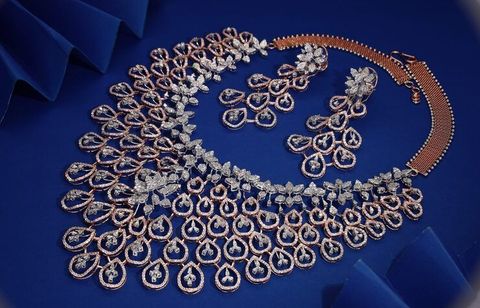
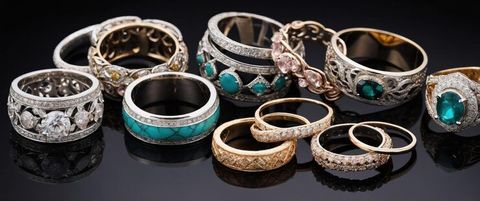
Sculptural gemstone jewelry refers to jewelry designed with three-dimensional forms, unusual shapes, carved elements, and gemstones that become an important part of the overall visual structure.
Instead of relying only on conventional symmetrical settings, these pieces may use organic curves, geometric structures, textured surfaces, or artistic forms.
The approach combines jewelry making with principles commonly associated with sculpture. Gemstones can be cut, polished, carved, or positioned to interact with metal surfaces, creating depth and visual movement.
How the Style Developed
Jewelry has incorporated carved stones, textured metals, and symbolic shapes for thousands of years. Historical examples from different cultures demonstrate the use of gemstones, beads, engraved materials, and decorative metalwork in personal adornment.
Modern sculptural approaches developed alongside changes in jewelry design, manufacturing technology, and artistic movements. Contemporary designers increasingly experiment with asymmetry, irregular stone shapes, negative space, mixed materials, and larger three-dimensional structures.
Main Characteristics
Sculptural gemstone jewelry can contain several recognizable design elements:
Organic forms: Curved shapes inspired by leaves, waves, shells, branches, or natural formations.
Geometric structures: Circles, arches, cubes, angular surfaces, and other mathematical forms.
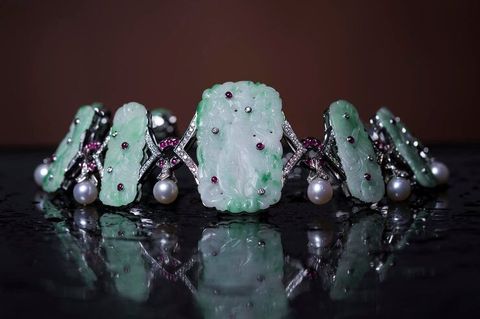
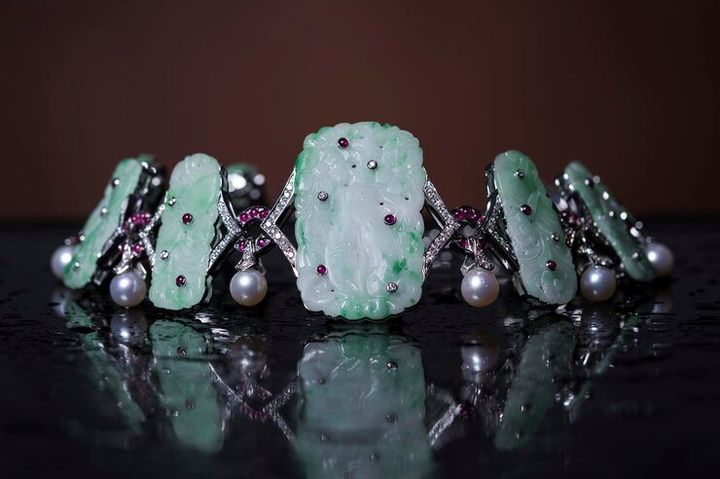
Carved gemstones: Stones shaped or engraved to create raised surfaces, symbols, or dimensional patterns.
Textured metals: Gold, silver, platinum, and other metals can be hammered, cast, brushed, or sculpted.
Negative space: Open areas within the design can make a piece appear lighter and more architectural.
Asymmetry: Unequal shapes or stone arrangements can create an intentionally irregular appearance.
Mixed materials: Gemstones may be combined with different metals, ceramics, wood, enamel, or other jewelry materials.
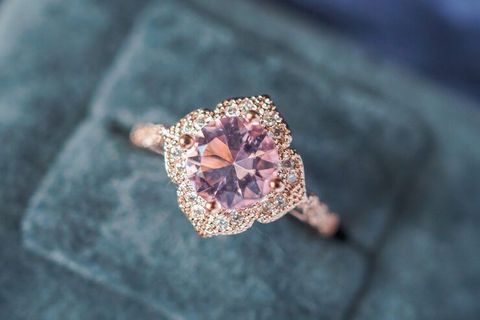
A simple example is a ring featuring an irregularly shaped gemstone surrounded by a flowing metal structure rather than a traditional symmetrical setting.
Importance
Why Sculptural Gemstone Jewelry Matters
Sculptural gemstone jewelry provides designers with a way to combine gemstone characteristics with three-dimensional artistic forms. The shape of the stone, surface texture, setting structure, and proportions can all contribute to the final appearance.
The style also demonstrates how jewelry can function as wearable art while remaining a practical object. Designers may use sculptural techniques to explore natural forms, architecture, cultural references, or abstract concepts.
Common Applications
Sculptural gemstone techniques can appear across several jewelry categories:
Rings: Raised stone settings, unusual bands, and asymmetrical structures can create dimensional designs.
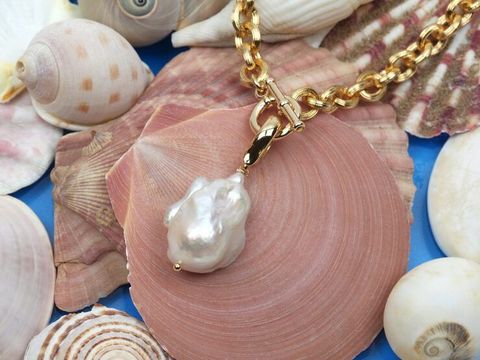
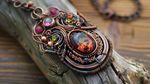
Necklaces: Pendants can incorporate carved gemstones, layered forms, or large central stones.
Earrings: Three-dimensional shapes can create movement and visual depth.
Bracelets: Sculpted metal surfaces can be combined with gemstone sections or articulated components.
Brooches: Larger surfaces allow designers to explore detailed carving, texture, and relief.
Statement jewelry: Larger pieces can emphasize artistic forms and unusual proportions.
Gemstone and Design Considerations
The gemstone itself influences how a sculptural piece can be designed. Hardness, cleavage, transparency, color, inclusions, and durability all affect cutting and setting decisions.
For example, a gemstone with strong cleavage may require careful handling because it can split along particular structural planes. A softer stone may be more vulnerable to scratching, while an internally included stone may require additional attention during cutting or setting.
Comparing Common Design Approaches
| Design Approach | Main Feature | Typical Materials | Common Use |
|---|---|---|---|
| Organic sculptural | Flowing, nature-inspired forms | Gemstones and precious metals | Rings, pendants |
| Geometric | Angular and structured shapes | Gold, silver, platinum, gemstones | Rings, earrings |
| Carved stone | Gemstone itself forms part of the artwork | Agate, quartz, jade and other stones | Pendants, rings |
| Asymmetrical | Unequal or irregular arrangement | Mixed gemstones and metals | Contemporary jewelry |
| Textured metal | Surface detail creates dimensional effect | Gold, silver, platinum | Bracelets, rings |
| Minimal sculptural | Simple structure with strong form | Metal and one or two gemstones | Rings, earrings |
Challenges and Limitations
Sculptural designs can require careful engineering because unusual shapes may place additional stress on settings, joints, or stone surfaces. Larger gemstones can also increase the weight of a piece and affect comfort.
Cleaning can require additional care when a design contains deep recesses or intricate textures. The appropriate cleaning method depends on the gemstone, treatment, metal, and setting structure.
Recent Updates
Digital Jewelry Design
Computer-aided design has become an important part of contemporary jewelry development. Designers can create three-dimensional digital models before a physical piece is produced.
CAD allows dimensions, proportions, stone positions, and structural features to be adjusted digitally. This can reduce the need for repeated physical prototypes and help designers examine complex forms from multiple angles.
3D Printing and Casting
3D printing can be used to create prototypes, casting patterns, and certain finished jewelry components. Wax or resin patterns can be produced from digital models and subsequently used in casting workflows.
For sculptural gemstone jewelry, this technology can make intricate structures easier to visualize and test before metal production. The final process still requires appropriate finishing, setting, and quality inspection.
AI-Assisted Design
AI-based image and design tools are increasingly being explored for concept development. They can help generate visual references, variations in shapes, or early design ideas.
However, AI-generated concepts do not automatically account for gemstone durability, setting strength, manufacturing tolerances, wearability, or ethical sourcing. Technical review by experienced jewelry professionals remains important before a concept becomes a physical object.
Sustainable Material Considerations
Jewelry designers and manufacturers are also examining material traceability, recycled metals, responsible gemstone sourcing, and production efficiency. Sustainability practices vary significantly between materials and supply chains, so claims about environmental or social performance need to be supported by reliable documentation.
Laws or Policies
International Jewelry Standards
There is no single worldwide law governing every piece of gemstone jewelry. Requirements vary according to the country where jewelry is manufactured, imported, marketed, or sold.
International standards can provide terminology and testing frameworks for gemstones and precious metals. The International Organization for Standardization (ISO) develops standards covering various aspects of jewelry, while national standards organizations may establish additional requirements.
Gemstone Identification and Disclosure
Gemstone treatment and identification can be important areas of consumer information. Treatments such as heating, irradiation, filling, dyeing, or fracture treatment can affect a gemstone's characteristics.
Laboratories and professional gemological organizations use testing methods to identify gemstones and, where possible, determine treatments. Requirements for disclosure can differ between jurisdictions.
Precious Metal Requirements
Gold, silver, platinum, and palladium jewelry can be subject to hallmarking, fineness, labeling, or consumer-protection rules depending on the country.
The UK, European countries, the United States, and other jurisdictions use different approaches to precious-metal marking and trade practices. Importers, manufacturers, and retailers need to follow the rules applicable to their particular market.
Responsible Sourcing Frameworks
The Kimberley Process is an international framework focused specifically on rough diamonds and conflict-diamond concerns. Other responsible-sourcing initiatives address broader supply-chain issues involving minerals and gemstones.
These frameworks do not create one universal rule for every gemstone. Requirements and participation can differ according to the material and jurisdiction.
Tools and Resources
Gemological Reference Resources
Gemological laboratories and professional organizations provide information about gemstone identification, properties, treatments, and grading terminology. These resources can help designers understand how different stones respond to cutting, polishing, setting, heat, and everyday wear.
CAD Software
Jewelry CAD software can be used to create digital models of rings, earrings, pendants, and other sculptural forms. Designers can examine dimensions and stone placement before manufacturing begins.
3D Modeling and Printing
3D modeling tools can help visualize complex structures, while 3D printers can produce prototypes or casting patterns. These technologies are particularly useful for designs with unusual geometry or interconnected components.
Gemstone Databases
Gemstone databases can provide information about hardness, specific gravity, refractive index, cleavage, optical properties, and common treatments. Such information helps designers select appropriate stones for different jewelry applications.
Measurement and Inspection Tools
Jewelry professionals may use digital calipers, microscopes, refractometers, scales, loupe magnifiers, and other equipment to inspect gemstones and finished pieces. The appropriate equipment depends on the material and inspection purpose.
FAQs
What is sculptural gemstone jewelry?
Sculptural gemstone jewelry is jewelry that combines gemstones with three-dimensional artistic structures, unusual forms, carved elements, textured metal, or asymmetrical designs.
What gemstones are commonly used in sculptural gemstone jewelry?
The choice depends on the design and intended use. Quartz varieties, agate, jade, sapphire, ruby, tourmaline, emerald, and other gemstones can be incorporated when their physical properties suit the design.
How is sculptural gemstone jewelry designed?
Designers may begin with sketches, digital CAD models, gemstone selection, or physical prototypes. The design is then developed around stone dimensions, metal structure, wearability, setting requirements, and manufacturing methods.
Can technology be used to create sculptural gemstone jewelry?
Yes. CAD modeling, 3D printing, digital scanning, and computer-assisted manufacturing can support design development, prototyping, casting, and production. AI can also assist with early visual concepts, although technical review remains necessary.
How should sculptural gemstone jewelry be maintained?
Maintenance depends on the gemstone and metal. Jewelry should generally be protected from impacts, harsh chemicals, unsuitable heat, and activities that could damage delicate stones or settings. Professional inspection may be appropriate for complex structures.
Conclusion
Sculptural gemstone jewelry combines gemstones, metals, three-dimensional structures, and artistic design principles to create distinctive forms. Its development is supported by traditional craftsmanship as well as CAD modeling, 3D printing, digital tools, and evolving material practices. Gemstone properties, structural strength, maintenance requirements, and regional jewelry regulations all influence how these pieces are designed and produced. Understanding these factors provides a useful foundation for exploring sculptural approaches to contemporary jewelry.