Lab-Grown Diamond Collections: Discover Modern Styles, Shapes, and Jewelry Trends
# Lab-Grown Diamond Collections: Discover Modern Styles, Shapes, and Jewelry Trends ## Context Lab-grown diamond collections bring laboratory-grown diamonds into a wide range of contemporary jewellery designs. These diamonds are created through controlled technological processes rather than geological formation and can be incorporated into rings, earrings, necklaces, bracelets, pendants, and other jewellery formats. Laboratory-grown diamonds have the same essential physical and optical characteristics as natural diamonds, although their growth history is different. Two major production methods are high-pressure, high-temperature (HPHT) and chemical vapor deposition (CVD). GIA reports that the quantity, size, and quality of laboratory-grown diamonds have increased significantly over the past two decades. ### What Are Lab-Grown Diamond Collections? A lab-grown diamond collection is a group of jewellery pieces designed around laboratory-grown diamonds. A collection may focus on a particular design language, diamond shape, metal, setting style, colour, or occasion. Some collections emphasize classic diamond forms, while others use geometric shapes, contemporary settings, coloured laboratory-grown diamonds, or coordinated jewellery sets. ### Main Jewellery Categories Lab-grown diamonds can be incorporated into many jewellery formats: * Engagement rings * Wedding bands * Tennis bracelets * Stud earrings * Drop earrings * Pendant necklaces * Diamond necklaces * Statement rings * Stackable rings * Coordinated jewellery sets The final appearance depends on the diamond's shape, proportions, setting, metal, arrangement, and overall jewellery construction. ### HPHT and CVD Diamonds HPHT and CVD describe two different laboratory growth processes. HPHT uses high pressure and high temperature to create diamond material under controlled conditions. CVD uses a controlled chemical environment in which diamond material grows on a substrate. GIA reports that CVD has become a major source of laboratory-grown diamonds evaluated by its laboratories, while HPHT technology has also developed substantially. ## Importance Lab-grown diamond collections provide designers with a broad range of options for developing jewellery around different diamond shapes, sizes, colours, and setting structures. Understanding the characteristics of the diamond and the jewellery design separately can make it easier to compare different collection styles. ### Round Brilliant Diamonds Round brilliant diamonds remain closely associated with classic diamond jewellery. Their faceting pattern is designed to produce brightness, fire, and scintillation when appropriately cut. In lab-grown diamond collections, round stones can be used in solitaire rings, pavé bands, earrings, pendants, and tennis-style jewellery. ### Oval Diamonds Oval diamonds have an elongated rounded outline. Their proportions can create a longer visual line across a ring or pendant. Oval stones can be incorporated into solitaire, halo, three-stone, and side-stone designs. ### Emerald-Cut Diamonds Emerald-cut diamonds use step-cut facets and an elongated rectangular outline. Their appearance differs from brilliant-cut diamonds because the facet arrangement produces broader flashes and a more structured visual effect. Lab-grown emerald-cut diamonds can be used as center stones in rings or as repeated elements in coordinated jewellery designs. ### Princess-Cut Diamonds Princess-cut diamonds generally have a square or rectangular geometric outline. Their angular form can create a structured appearance in rings, earrings, bracelets, and channel-set jewellery. The straight edges also allow multiple stones to be arranged closely together. ### Pear and Marquise Shapes Pear and marquise diamonds combine elongated proportions with distinctive pointed ends. They can create directional visual lines and are frequently used as center stones or accent stones. Their orientation can influence the appearance of a ring or pendant, making setting alignment an important design consideration. ### Cushion-Cut Diamonds Cushion-cut diamonds have a square or rectangular outline with rounded corners. They combine a softer silhouette with a structured shape. They can be used in solitaire, halo, vintage-inspired, and contemporary jewellery designs. ### Fancy-Colored Laboratory-Grown Diamonds Laboratory-grown diamonds can also appear in colours such as yellow, pink, blue, orange, and other shades. Some colours can result from growth conditions, while others may involve post-growth treatment. GIA has documented coloured CVD and HPHT laboratory-grown diamonds and notes that treatments can be used to modify colour. | Diamond Feature | Common Options | Design Influence | | --------------- | ---------------------------------- | --------------------------- | | Growth method | CVD, HPHT | Identifies production route | | Shape | Round, oval, emerald, princess | Defines silhouette | | Colour | Colourless, yellow, pink, blue | Adds visual character | | Setting | Prong, bezel, pavé, halo | Influences appearance | | Metal | Gold, platinum, silver | Creates contrast | | Arrangement | Solitaire, cluster, line | Defines composition | | Finish | Polished, brushed, mixed | Changes surface appearance | | Jewellery type | Ring, bracelet, necklace, earrings | Determines placement | ## Recent Updates Laboratory-grown diamond technology has developed considerably in recent years. Improvements have affected diamond size, colour, clarity, growth processes, identification methods, and jewellery applications. ### Larger Laboratory-Grown Diamonds GIA has documented a substantial increase in the size of gem-quality laboratory-grown diamonds. Its research notes that the majority of CVD-grown diamonds submitted to GIA now exceed three carats, compared with much smaller stones in earlier periods. This development has expanded the range of possible centre-stone designs for rings, pendants, and statement jewellery. ### Improved Colour Characteristics GIA research indicates that laboratory-grown diamonds have increasingly appeared in colourless grades as growth and post-growth processes have developed. For CVD diamonds, GIA reports a major increase in colourless-grade submissions since 2020. HPHT-grown diamonds have also seen significant changes in colour characteristics over time. ### Fancy-Colored Designs Coloured laboratory-grown diamonds provide another direction for jewellery collections. Pink, blue, yellow, orange, and other colours can be incorporated into rings, earrings, pendants, and coordinated sets. Where a diamond has undergone colour treatment, appropriate documentation and disclosure become important when describing the stone. ### Updated GIA Evaluation GIA introduced revised evaluation services for D-to-Z laboratory-grown diamonds in October 2025. The updated assessment uses descriptive categories such as "Premium" and "Standard" rather than applying the same nomenclature used for natural diamonds. This development reflects the continuing evolution of laboratory-grown diamond documentation and evaluation. ### Collection-Based Jewellery Modern collections can be organized around recurring design elements. A collection might use one diamond shape across rings, earrings, and necklaces or combine several shapes under a common design theme. Matching elements can include metal colour, setting style, proportions, surface finish, or geometric motifs. ### Minimalist Designs Minimalist laboratory-grown diamond jewellery generally uses clean lines, limited decorative elements, and a small number of stones. Solitaire rings, small stud earrings, slim pendants, and delicate bracelets can all follow this design approach. ### Geometric Jewellery Geometric collections can use square, rectangular, triangular, or other structured diamond arrangements. Princess and emerald shapes can work particularly well with linear or architectural designs. The symmetry of the jewellery setting becomes an important part of the overall visual effect. ### Layered and Stackable Styles Rings, necklaces, and bracelets can be designed for layered or stacked styling. A collection may include several pieces with related proportions so they can be worn individually or together. Different diamond shapes and metal colours can create contrast within a coordinated arrangement. ## Laws or Policies Jewellery requirements depend on the country, product composition, manufacturing location, and applicable regulations. For laboratory-grown diamonds, accurate identification and disclosure are particularly important because consumers should be able to distinguish laboratory-grown stones from mined diamonds. ### Diamond Disclosure The U.S. Federal Trade Commission's Jewelry Guides state that laboratory-created or laboratory-grown diamonds should be clearly identified as not being mined diamonds. The FTC recommends clear and conspicuous disclosure close to the diamond description. This distinction is important when preparing product descriptions, catalogues, advertisements, and other jewellery communications. ### Laboratory-Grown Diamond Characteristics The FTC guidance also states that terms such as laboratory-grown or laboratory-created should only be used for stones having essentially the same optical, physical, and chemical properties as mined diamonds. This helps distinguish laboratory-grown diamonds from simulants such as cubic zirconia or other materials that do not have the same diamond properties. ### Diamond Documentation Laboratory-grown diamond documentation can provide information about the stone and its identification. GIA has developed specific laboratory-grown diamond identification and evaluation processes and has continued updating its reporting approach. Documentation should be considered alongside the actual jewellery specifications and any relevant treatment information. ### India Hallmarking In India, BIS currently places gold and silver within the national hallmarking framework. Hallmarking concerns the accurate determination and official recording of precious-metal content in applicable articles. Therefore, when a lab-grown diamond is mounted in gold or silver jewellery, the applicable metal hallmarking requirements should be considered separately from the laboratory-grown status of the diamond. ### Current Indian Requirements BIS's mandatory hallmarking page lists amendments issued during 2026, including updates from March, April, and August 2026, with the page updated in September 2026. Jewellery makers and readers should therefore verify current requirements applicable to the specific metal and jewellery article rather than relying solely on older information. ## Tools and Resources Several resources can help readers understand laboratory-grown diamonds and their jewellery applications. ### Diamond Reports Diamond reports can provide information about laboratory-grown diamond identification and selected characteristics. The type of report available depends on the laboratory, diamond, location, and evaluation programme. ### Diamond Identification Specialized gemological techniques are used to distinguish laboratory-grown diamonds from natural diamonds and simulants. GIA describes advanced identification methods developed for laboratory-grown diamond analysis. ### Jewellery Design References Design references can help compare solitaire, halo, three-stone, pavé, bezel, channel, cluster, and other setting arrangements. ### CAD Jewellery Design Computer-aided design can help jewellery designers position laboratory-grown diamonds within rings, necklaces, earrings, bracelets, and other jewellery structures. CAD models can also help establish proportions, stone spacing, setting dimensions, and overall geometry before production. ### Magnification Tools Jewellery loupes and microscopes can be used to inspect diamond surfaces, settings, prongs, bezels, and other small construction details. ### BIS Resources BIS provides information about hallmarking, Indian Standards, permitted gold and silver grades, and current hallmarking orders. These resources can help distinguish metal-purity requirements from diamond identification or laboratory-growth information. ## FAQs ### What are lab-grown diamond collections? Lab-grown diamond collections are groups of jewellery pieces featuring laboratory-grown diamonds. Collections can include rings, earrings, necklaces, bracelets, pendants, and coordinated jewellery sets. ### What diamond shapes are used in lab-grown diamond jewelry? Common shapes include round brilliant, oval, emerald, princess, cushion, pear, and marquise. The selected shape influences the overall silhouette, setting structure, and visual character of the jewellery. ### How are laboratory-grown diamonds made? Laboratory-grown diamonds are primarily produced through HPHT or CVD processes. Both methods create diamond material under controlled laboratory conditions, although their growth environments differ. ### Can lab-grown diamonds have different colours? Yes. Laboratory-grown diamonds can be colourless or appear in various fancy colours. Colour can result from growth characteristics or post-growth treatment, depending on the stone. ### What should be checked when evaluating lab-grown diamond jewelry? Important considerations include diamond identification, documentation, shape, cut characteristics, colour, clarity information, treatment disclosure where relevant, setting construction, metal composition, and applicable hallmarking requirements. ## Conclusion Lab-grown diamond collections combine laboratory-grown diamonds with a wide range of contemporary jewellery designs. Round, oval, emerald, princess, cushion, pear, marquise, and fancy-coloured diamonds can be incorporated into rings, necklaces, bracelets, earrings, and coordinated collections. Recent developments include larger stones, improved colour characteristics, updated evaluation approaches, and increasingly diverse jewellery designs. Clear diamond identification, accurate disclosure, appropriate documentation, and applicable precious-metal requirements remain important considerations when evaluating these collections.
Lab-Grown Diamond Collections: Discover Modern Styles, Shapes, and Jewelry Trends
Context
Lab-grown diamond collections bring laboratory-grown diamonds into a wide range of contemporary jewellery designs. These diamonds are created through controlled technological processes rather than geological formation and can be incorporated into rings, earrings, necklaces, bracelets, pendants, and other jewellery formats.
Laboratory-grown diamonds have the same essential physical and optical characteristics as natural diamonds, although their growth history is different. Two major production methods are high-pressure, high-temperature (HPHT) and chemical vapor deposition (CVD). GIA reports that the quantity, size, and quality of laboratory-grown diamonds have increased significantly over the past two decades.
What Are Lab-Grown Diamond Collections?
A lab-grown diamond collection is a group of jewellery pieces designed around laboratory-grown diamonds. A collection may focus on a particular design language, diamond shape, metal, setting style, colour, or occasion.
Some collections emphasize classic diamond forms, while others use geometric shapes, contemporary settings, coloured laboratory-grown diamonds, or coordinated jewellery sets.
Main Jewellery Categories
Lab-grown diamonds can be incorporated into many jewellery formats:
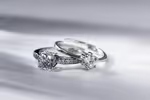
Engagement rings
Wedding bands
Tennis bracelets
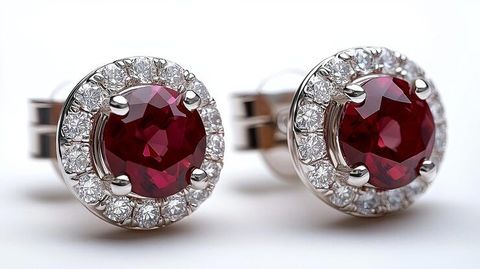
Stud earrings
Drop earrings
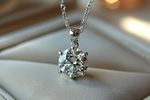
Pendant necklaces
Diamond necklaces
Statement rings
Stackable rings
Coordinated jewellery sets
The final appearance depends on the diamond's shape, proportions, setting, metal, arrangement, and overall jewellery construction.
HPHT and CVD Diamonds
HPHT and CVD describe two different laboratory growth processes.
HPHT uses high pressure and high temperature to create diamond material under controlled conditions. CVD uses a controlled chemical environment in which diamond material grows on a substrate.
GIA reports that CVD has become a major source of laboratory-grown diamonds evaluated by its laboratories, while HPHT technology has also developed substantially.
Importance
Lab-grown diamond collections provide designers with a broad range of options for developing jewellery around different diamond shapes, sizes, colours, and setting structures.
Understanding the characteristics of the diamond and the jewellery design separately can make it easier to compare different collection styles.
Round Brilliant Diamonds
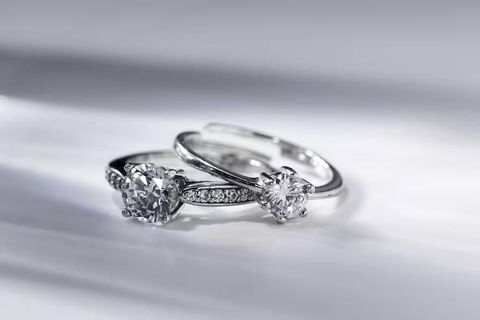
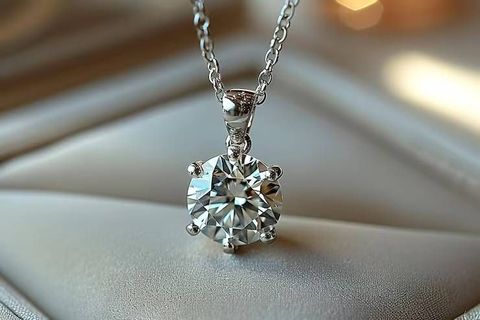
Round brilliant diamonds remain closely associated with classic diamond jewellery. Their faceting pattern is designed to produce brightness, fire, and scintillation when appropriately cut.
In lab-grown diamond collections, round stones can be used in solitaire rings, pavé bands, earrings, pendants, and tennis-style jewellery.
Oval Diamonds
Oval diamonds have an elongated rounded outline. Their proportions can create a longer visual line across a ring or pendant.
Oval stones can be incorporated into solitaire, halo, three-stone, and side-stone designs.
Emerald-Cut Diamonds
Emerald-cut diamonds use step-cut facets and an elongated rectangular outline. Their appearance differs from brilliant-cut diamonds because the facet arrangement produces broader flashes and a more structured visual effect.
Lab-grown emerald-cut diamonds can be used as center stones in rings or as repeated elements in coordinated jewellery designs.
Princess-Cut Diamonds
Princess-cut diamonds generally have a square or rectangular geometric outline. Their angular form can create a structured appearance in rings, earrings, bracelets, and channel-set jewellery.
The straight edges also allow multiple stones to be arranged closely together.
Pear and Marquise Shapes
Pear and marquise diamonds combine elongated proportions with distinctive pointed ends. They can create directional visual lines and are frequently used as center stones or accent stones.
Their orientation can influence the appearance of a ring or pendant, making setting alignment an important design consideration.
Cushion-Cut Diamonds
Cushion-cut diamonds have a square or rectangular outline with rounded corners. They combine a softer silhouette with a structured shape.
They can be used in solitaire, halo, vintage-inspired, and contemporary jewellery designs.
Fancy-Colored Laboratory-Grown Diamonds
Laboratory-grown diamonds can also appear in colours such as yellow, pink, blue, orange, and other shades. Some colours can result from growth conditions, while others may involve post-growth treatment.
GIA has documented coloured CVD and HPHT laboratory-grown diamonds and notes that treatments can be used to modify colour.
| Diamond Feature | Common Options | Design Influence |
|---|---|---|
| Growth method | CVD, HPHT | Identifies production route |
| Shape | Round, oval, emerald, princess | Defines silhouette |
| Colour | Colourless, yellow, pink, blue | Adds visual character |
| Setting | Prong, bezel, pavé, halo | Influences appearance |
| Metal | Gold, platinum, silver | Creates contrast |
| Arrangement | Solitaire, cluster, line | Defines composition |
| Finish | Polished, brushed, mixed | Changes surface appearance |
| Jewellery type | Ring, bracelet, necklace, earrings | Determines placement |
Recent Updates
Laboratory-grown diamond technology has developed considerably in recent years. Improvements have affected diamond size, colour, clarity, growth processes, identification methods, and jewellery applications.
Larger Laboratory-Grown Diamonds
GIA has documented a substantial increase in the size of gem-quality laboratory-grown diamonds. Its research notes that the majority of CVD-grown diamonds submitted to GIA now exceed three carats, compared with much smaller stones in earlier periods.
This development has expanded the range of possible centre-stone designs for rings, pendants, and statement jewellery.
Improved Colour Characteristics
GIA research indicates that laboratory-grown diamonds have increasingly appeared in colourless grades as growth and post-growth processes have developed.
For CVD diamonds, GIA reports a major increase in colourless-grade submissions since 2020. HPHT-grown diamonds have also seen significant changes in colour characteristics over time.
Fancy-Colored Designs
Coloured laboratory-grown diamonds provide another direction for jewellery collections. Pink, blue, yellow, orange, and other colours can be incorporated into rings, earrings, pendants, and coordinated sets.
Where a diamond has undergone colour treatment, appropriate documentation and disclosure become important when describing the stone.
Updated GIA Evaluation
GIA introduced revised evaluation services for D-to-Z laboratory-grown diamonds in October 2025. The updated assessment uses descriptive categories such as "Premium" and "Standard" rather than applying the same nomenclature used for natural diamonds.
This development reflects the continuing evolution of laboratory-grown diamond documentation and evaluation.
Collection-Based Jewellery
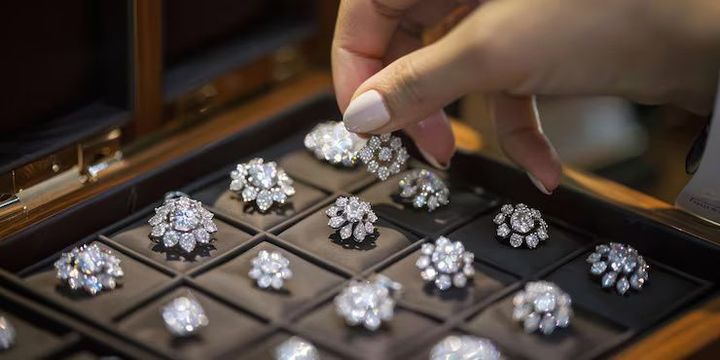
Modern collections can be organized around recurring design elements. A collection might use one diamond shape across rings, earrings, and necklaces or combine several shapes under a common design theme.
Matching elements can include metal colour, setting style, proportions, surface finish, or geometric motifs.
Minimalist Designs
Minimalist laboratory-grown diamond jewellery generally uses clean lines, limited decorative elements, and a small number of stones.
Solitaire rings, small stud earrings, slim pendants, and delicate bracelets can all follow this design approach.
Geometric Jewellery
Geometric collections can use square, rectangular, triangular, or other structured diamond arrangements. Princess and emerald shapes can work particularly well with linear or architectural designs.
The symmetry of the jewellery setting becomes an important part of the overall visual effect.
Layered and Stackable Styles
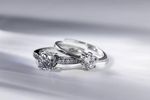
Rings, necklaces, and bracelets can be designed for layered or stacked styling. A collection may include several pieces with related proportions so they can be worn individually or together.
Different diamond shapes and metal colours can create contrast within a coordinated arrangement.
Laws or Policies
Jewellery requirements depend on the country, product composition, manufacturing location, and applicable regulations. For laboratory-grown diamonds, accurate identification and disclosure are particularly important because consumers should be able to distinguish laboratory-grown stones from mined diamonds.
Diamond Disclosure
The U.S. Federal Trade Commission's Jewelry Guides state that laboratory-created or laboratory-grown diamonds should be clearly identified as not being mined diamonds. The FTC recommends clear and conspicuous disclosure close to the diamond description.
This distinction is important when preparing product descriptions, catalogues, advertisements, and other jewellery communications.
Laboratory-Grown Diamond Characteristics
The FTC guidance also states that terms such as laboratory-grown or laboratory-created should only be used for stones having essentially the same optical, physical, and chemical properties as mined diamonds.
This helps distinguish laboratory-grown diamonds from simulants such as cubic zirconia or other materials that do not have the same diamond properties.
Diamond Documentation
Laboratory-grown diamond documentation can provide information about the stone and its identification. GIA has developed specific laboratory-grown diamond identification and evaluation processes and has continued updating its reporting approach.
Documentation should be considered alongside the actual jewellery specifications and any relevant treatment information.
India Hallmarking
In India, BIS currently places gold and silver within the national hallmarking framework. Hallmarking concerns the accurate determination and official recording of precious-metal content in applicable articles.
Therefore, when a lab-grown diamond is mounted in gold or silver jewellery, the applicable metal hallmarking requirements should be considered separately from the laboratory-grown status of the diamond.
Current Indian Requirements
BIS's mandatory hallmarking page lists amendments issued during 2026, including updates from March, April, and August 2026, with the page updated in September 2026.
Jewellery makers and readers should therefore verify current requirements applicable to the specific metal and jewellery article rather than relying solely on older information.
Tools and Resources
Several resources can help readers understand laboratory-grown diamonds and their jewellery applications.
Diamond Reports
Diamond reports can provide information about laboratory-grown diamond identification and selected characteristics. The type of report available depends on the laboratory, diamond, location, and evaluation programme.
Diamond Identification
Specialized gemological techniques are used to distinguish laboratory-grown diamonds from natural diamonds and simulants. GIA describes advanced identification methods developed for laboratory-grown diamond analysis.
Jewellery Design References
Design references can help compare solitaire, halo, three-stone, pavé, bezel, channel, cluster, and other setting arrangements.
CAD Jewellery Design
Computer-aided design can help jewellery designers position laboratory-grown diamonds within rings, necklaces, earrings, bracelets, and other jewellery structures.
CAD models can also help establish proportions, stone spacing, setting dimensions, and overall geometry before production.
Magnification Tools
Jewellery loupes and microscopes can be used to inspect diamond surfaces, settings, prongs, bezels, and other small construction details.
BIS Resources
BIS provides information about hallmarking, Indian Standards, permitted gold and silver grades, and current hallmarking orders. These resources can help distinguish metal-purity requirements from diamond identification or laboratory-growth information.
FAQs
What are lab-grown diamond collections?
Lab-grown diamond collections are groups of jewellery pieces featuring laboratory-grown diamonds. Collections can include rings, earrings, necklaces, bracelets, pendants, and coordinated jewellery sets.
What diamond shapes are used in lab-grown diamond jewelry?
Common shapes include round brilliant, oval, emerald, princess, cushion, pear, and marquise. The selected shape influences the overall silhouette, setting structure, and visual character of the jewellery.
How are laboratory-grown diamonds made?
Laboratory-grown diamonds are primarily produced through HPHT or CVD processes. Both methods create diamond material under controlled laboratory conditions, although their growth environments differ.
Can lab-grown diamonds have different colours?
Yes. Laboratory-grown diamonds can be colourless or appear in various fancy colours. Colour can result from growth characteristics or post-growth treatment, depending on the stone.
What should be checked when evaluating lab-grown diamond jewelry?
Important considerations include diamond identification, documentation, shape, cut characteristics, colour, clarity information, treatment disclosure where relevant, setting construction, metal composition, and applicable hallmarking requirements.
Conclusion
Lab-grown diamond collections combine laboratory-grown diamonds with a wide range of contemporary jewellery designs. Round, oval, emerald, princess, cushion, pear, marquise, and fancy-coloured diamonds can be incorporated into rings, necklaces, bracelets, earrings, and coordinated collections. Recent developments include larger stones, improved colour characteristics, updated evaluation approaches, and increasingly diverse jewellery designs. Clear diamond identification, accurate disclosure, appropriate documentation, and applicable precious-metal requirements remain important considerations when evaluating these collections.