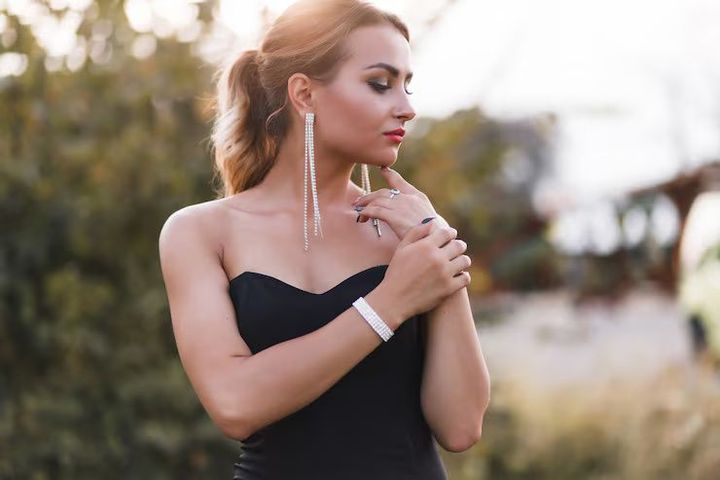
Diamond Tennis Bracelets: Guide to Elegant Designs, Settings, and Styling Options
Diamond tennis bracelets feature a continuous line of individually set diamonds in a flexible wrist design. Explore popular settings, diamond shapes, metal choices, fit considerations, and styling ideas for everyday and formal jewellery.
Diamond Tennis Bracelets: Guide to Elegant Designs, Settings, and Styling Options
Context
Diamond tennis bracelets are flexible jewellery pieces featuring a continuous row of individually set diamonds around the wrist. Their streamlined construction creates a consistent line of sparkle while allowing the bracelet to move naturally with the wrist.
The design can vary considerably according to diamond shape, setting style, metal, bracelet width, clasp construction, and overall arrangement. Round brilliant diamonds are commonly associated with the classic appearance, while princess, emerald, and other shapes can create more geometric or contemporary looks.
What Is a Diamond Tennis Bracelet?
A diamond tennis bracelet consists of multiple diamonds arranged in a continuous sequence along a flexible bracelet structure. The stones are individually secured within the metal framework, creating a connected visual line.
The bracelet can range from a narrow, understated design to a wider piece with larger stones. GIA describes tennis bracelets as flexible bands featuring a continuous line of individually set diamonds or gemstones.
Why Is It Called a Tennis Bracelet?
The name became associated with the style after tennis player Chris Evert's diamond bracelet incident during a U.S. Open match in the 1980s. The story helped popularize the term "tennis bracelet," and the design subsequently became established as a jewellery style beyond sporting contexts.
Main Design Elements
Several elements determine the appearance and construction of a diamond tennis bracelet:
Diamond shape and cut
Diamond size
Total diamond arrangement
Setting type
Metal type
Bracelet width
Clasp design
Safety mechanism
Surface finish
Wrist fit
These elements work together, so changing one feature can affect the overall appearance and wear characteristics of the bracelet.
Importance
Diamond tennis bracelets are recognized for their continuous diamond arrangement and flexible construction. Their relatively simple visual structure also allows different combinations of diamonds, metals, and settings.
Understanding the individual design components can help readers distinguish between traditional, minimalist, geometric, and contemporary styles.
Prong Settings
Prong settings use small metal claws to hold individual diamonds in place. This construction exposes more of each stone, allowing light to enter from multiple directions.
Prong-set tennis bracelets are closely associated with the traditional appearance of the style. GIA identifies prong settings as a common choice for tennis bracelets because of their light exposure and classic appearance.
Bezel Settings
A bezel setting surrounds a diamond with a metal rim. This creates a more enclosed appearance and provides additional protection around the stone.
Bezel-set tennis bracelets can have a smooth visual profile and may reduce the likelihood of individual stones catching on surrounding materials.
Channel Settings
Channel settings position diamonds between parallel metal sections. The stones form a continuous row without separate visible prongs around every diamond.
This creates a streamlined appearance and can work particularly well with round, princess, or other geometrically aligned diamond shapes.
Diamond Shapes
The shape of the diamonds has a major influence on the bracelet's visual character.
Round brilliant: A traditional choice that creates a continuous pattern of bright reflections.
Princess: A square or rectangular shape that produces a more structured geometric appearance.
Emerald: An elongated rectangular shape with step-cut facets, producing a different visual effect from brilliant-cut diamonds.
Other shapes can also be incorporated into tennis bracelet designs depending on the setting and bracelet structure. GIA identifies round brilliant, princess, and emerald cuts among common tennis-bracelet options.
Metal Choices
Gold and platinum are commonly used for diamond tennis bracelets. Gold can appear in yellow, white, or rose tones, while platinum provides a naturally white metal appearance.
The metal influences the visual contrast between the diamonds and setting. It also affects the bracelet's overall structure, surface appearance, and maintenance requirements.
Bracelet Width
Tennis bracelets can range from delicate narrow profiles to wider designs with larger diamonds. A slim bracelet can create a subtle appearance, while a wider structure creates a more prominent wrist presentation.
Width should be considered together with diamond size and wrist proportions so that the bracelet maintains visual balance.
| Design Feature | Common Options | Main Effect |
|---|---|---|
| Diamond shape | Round, princess, emerald | Changes visual pattern |
| Setting | Prong, bezel, channel | Influences security and appearance |
| Metal | Gold, platinum | Changes colour and structure |
| Bracelet width | Slim, medium, wide | Influences visual presence |
| Diamond arrangement | Continuous row, graduated | Changes overall composition |
| Clasp | Box clasp, integrated clasp | Affects closure |
| Safety feature | Safety latch, secondary catch | Adds additional retention |
| Finish | Polished, brushed | Changes surface appearance |
| Styling | Solo, stacked, watch pairing | Changes wrist presentation |
Recent Updates
Recent tennis bracelet design trends have focused on greater variety in diamond shapes, metal combinations, stacking arrangements, and flexible styling. Contemporary designs can retain the traditional continuous-diamond structure while introducing different proportions and materials.
Mixed-Metal Designs
Tennis bracelets can combine different metal colours to create contrast. White gold, yellow gold, and rose gold may be used individually or incorporated into coordinated jewellery combinations.
Mixed-metal styling can also make it easier to coordinate a tennis bracelet with jewellery made from different metal tones.
Stacking Tennis Bracelets
Stacking involves wearing two or more bracelets together. Different widths, diamond shapes, metal colours, or textures can be combined to create visual variation.
A narrow tennis bracelet can be paired with a wider bracelet or another textured design. The number and arrangement of pieces depend on personal styling preferences.
Tennis Bracelets With Watches
A diamond tennis bracelet can be worn alongside a wristwatch. The bracelet may be positioned close to the watch or separated slightly to create visual space.
Matching or intentionally contrasting metal colours can create different styling effects.
Coloured Gemstone Variations
Although diamonds are central to the traditional tennis bracelet, coloured gemstones can also be used. Sapphire, ruby, and emerald combinations can introduce colour while retaining the continuous-line structure associated with the design.
Modern Geometric Designs
Geometric diamond shapes can give tennis bracelets a more structured appearance. Princess-cut diamonds can create strong angular lines, while emerald-cut diamonds introduce longer rectangular forms.
These designs can look noticeably different from the continuous sparkle of round brilliant diamonds.
Flexible Everyday Styling
The versatility of the tennis bracelet allows it to be worn with casual, professional, and formal clothing. A narrower design can create a restrained appearance, while a wider bracelet can function as a prominent accessory.
GIA also notes solo wear, stacking, mixed-metal combinations, watch pairing, and coloured gemstones as styling approaches.
Laws or Policies
Jewellery requirements depend on the country, metal, manufacturing location, and applicable regulatory framework. In India, gold and silver are currently within the BIS hallmarking framework.
Gold Diamond Tennis Bracelets
For applicable hallmarked gold jewellery, BIS identifies the BIS Standard Mark, purity expressed through caratage and fineness, and a six-digit Hallmark Unique Identification number as the three hallmark components.
BIS lists permitted gold jewellery grades including 14K (585), 18K (750), 20K (833), 22K (916), 23K (958), and 24KS (995). HUID can be checked using the BIS Care application.
Silver Diamond Bracelets
Silver is also covered by India's hallmarking framework. BIS states that silver jewellery can be hallmarked under applicable standards and lists permitted silver fineness grades.
BIS also reported the revised IS 2112:2025, introducing HUID-based hallmarking for silver jewellery and articles on a voluntary basis from September 2025.
Current Hallmarking Updates
BIS's mandatory hallmarking page lists amendments issued through 2026, including updates dated March 2, April 28, and August 3, 2026. The page was last updated on September 1, 2026.
For a particular diamond tennis bracelet, the applicable hallmarking requirements should therefore be checked according to its metal, manufacturing circumstances, and current regulations.
Bracelet Components
BIS guidance states that detachable parts of applicable hallmarked jewellery should carry appropriate hallmark information. This can be relevant when a bracelet contains detachable components or separately identifiable precious-metal parts.
Tools and Resources
Several resources can help readers understand diamond tennis bracelets, their construction, and applicable jewellery standards.
Diamond Grading Resources
Diamond grading information can help readers understand characteristics such as colour, clarity, cut, and carat weight. Independent laboratory documentation may provide information about individual diamonds where applicable.
Jewellery Measurement Tools
Jewellery professionals use tools such as calipers, gauges, magnification equipment, and measuring devices to assess bracelet dimensions, stone settings, and component construction.
Setting Inspection
Magnification tools can help inspect prongs, bezels, channels, clasp components, and other areas that hold the diamonds in place.
Bracelet Fit Measurement
A flexible measuring tape or jewellery sizing tool can help determine wrist circumference. The intended fit should allow comfortable movement while reducing excessive looseness.
Cleaning Equipment
Soft brushes, appropriate jewellery-cleaning materials, and gentle cleaning methods can help maintain the appearance of suitable diamond jewellery. Cleaning requirements vary according to the metal, setting, treatments, and construction.
BIS Resources
BIS provides information about hallmarking, Indian Standards, jewellery requirements, registered jewellers, and current amendments. These resources can help readers verify applicable metal-marking requirements for jewellery in India.
FAQs
What is a diamond tennis bracelet?
A diamond tennis bracelet is a flexible bracelet featuring a continuous line of individually set diamonds around the wrist. The design can vary by diamond shape, setting, metal, width, and clasp construction.
What settings are used for diamond tennis bracelets?
Common settings include prong, bezel, and channel settings. Each arrangement affects the bracelet's appearance, stone exposure, surface profile, and method of securing the diamonds.
Which diamond shapes are used in tennis bracelets?
Round brilliant diamonds are strongly associated with traditional tennis bracelets, while princess and emerald cuts can create more geometric or contemporary patterns.
How should a diamond tennis bracelet fit?
A tennis bracelet should sit comfortably around the wrist without excessive looseness. The appropriate fit depends on wrist size, bracelet construction, clasp design, and personal comfort.
Can a diamond tennis bracelet be worn with other jewellery?
Yes. A tennis bracelet can be worn alone, stacked with other bracelets, paired with a watch, or coordinated with jewellery in matching or contrasting metal colours.
Conclusion
Diamond tennis bracelets combine a flexible bracelet structure with a continuous arrangement of individually set diamonds. Prong, bezel, and channel settings can create different visual and functional characteristics, while diamond shape, metal, width, and clasp design further influence the overall appearance. Contemporary styling includes mixed metals, bracelet stacking, watch pairing, and coloured gemstone variations. For applicable precious-metal jewellery in India, current BIS hallmarking requirements should also be considered alongside the bracelet's design and construction.