Diamond Studs: Guide to 4Cs, Styles, Settings and Diamond Quality
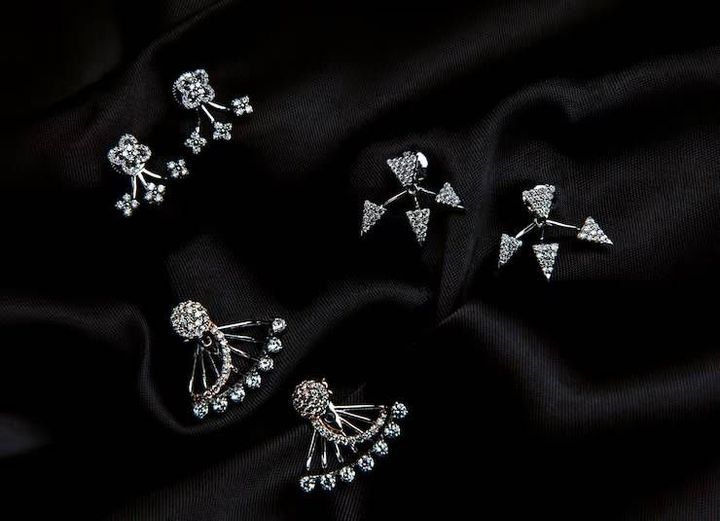
Diamond studs are earrings designed around one or more diamonds secured in a compact setting.
A traditional pair generally consists of two individual earrings, each featuring a diamond mounted in a metal setting. Their simple structure makes them different from larger drop or chandelier earrings, which often use multiple stones and more elaborate designs.
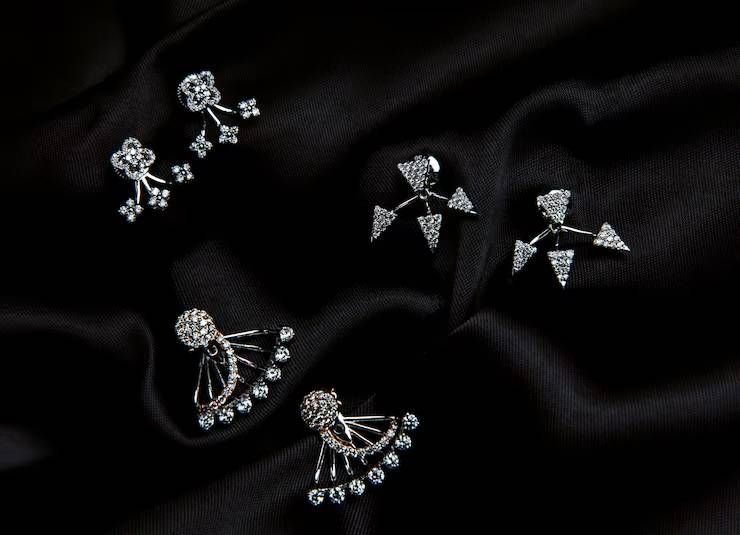
Diamond stud earrings can be made with natural diamonds or laboratory-grown diamonds. The diamonds may have different shapes, including round, princess, oval, cushion, emerald, and pear. Common metals used for the settings include gold, platinum, and other jewellery metals.
The appearance and characteristics of a diamond are commonly described using the 4Cs: Color, Clarity, Cut, and Carat Weight. The Gemological Institute of America (GIA) uses these characteristics in its diamond grading reports.
The setting also has an important role. Popular diamond earring settings include:
Prong setting: Small metal claws hold the diamond in place.
Bezel setting: A metal rim surrounds the diamond.
Halo setting: Smaller diamonds surround a central stone.
Martini setting: A three-prong structure creates a tapered profile behind the diamond.
Push-back setting: A common earring fastening system designed for everyday use.
Why Diamond Studs Matter Today
Diamond studs are relevant to people interested in jewellery design, personal accessories, gifts, and understanding diamond quality. Their relatively compact design also makes them suitable for different occasions and clothing styles.
For anyone researching diamond earrings, understanding quality terminology is important because appearance cannot always be determined from carat weight alone. Two diamonds with similar carat weights can look different because their cut, proportions, color, clarity, and shape may vary.
The 4Cs provide a standardized way to describe many characteristics:
4C What It Describes Why It Matters
Color Degree of color in a diamond Influences visual appearance
Clarity Internal and external characteristics Helps describe diamond purity
Cut Proportions, symmetry and finish Affects light performance
Carat Diamond weight Indicates the physical weight
GIA explains that its diamond grading reports assess the 4Cs and may also document proportions, finish, fluorescence, and other characteristics.
For a pair of studs, another consideration is matching. The two diamonds may be selected to have similar shape, color, clarity, dimensions, and visual appearance. Well-matched stones can create a more balanced look when worn together.
Diamond Quality and Certification
Diamond certification is an important research topic when evaluating diamond jewellery. A grading report provides documented information about a diamond's characteristics.
For eligible natural diamonds, GIA provides reports containing 4Cs assessments and other identifying information. Its Diamond Grading Report also includes a plotted clarity diagram for applicable stones.
A grading report should not be confused with an appraisal. A grading report describes a diamond's characteristics according to the laboratory's grading system, while an appraisal can address other purposes such as insurance documentation.
Laboratory-grown diamonds are another part of the modern diamond market. They have essentially the same crystal structure and chemical composition as natural diamonds, but their origins are different. Appropriate laboratory documentation should clearly identify the diamond type.
Recent Developments and Trends
Diamond jewellery has continued to evolve through changes in consumer preferences, technology, documentation, and responsible sourcing.
One important recent development occurred in September 2026, when the World Diamond Council's revised System of Warranties transition concluded. From September 21, 2026, the revised declaration became the applicable WDC System of Warranties reference for diamond transactions covered by the framework, including diamond jewellery. The revised framework incorporates broader principles related to human rights, anti-corruption, anti-money laundering, and responsible sourcing.
Technology is also making diamond information easier to access. GIA provides digital report tools and Report Check functionality that allows report information to be checked using a report number.
Common trends in diamond studs include:
Minimalist round diamond designs
Secure low-profile settings
Mixed metal designs
Laboratory-grown diamond options
Oval and other non-round diamond shapes
Greater interest in diamond origin and documentation
Digital access to grading information
These trends do not mean that one style is universally preferable. The appropriate design depends on personal preferences, intended use, ear anatomy, and the characteristics of the diamonds.
Rules, Hallmarking and Diamond Jewellery in India
In India, diamond studs can be affected by regulations concerning the precious metal used in their settings. The Bureau of Indian Standards (BIS) operates India's hallmarking framework for gold and silver jewellery. Hallmarking establishes the fineness of the precious metal rather than grading the diamond itself.
For hallmarked gold jewellery, the hallmark includes the BIS Standard Mark, purity/fineness information, and a six-digit Hallmark Unique Identification (HUID) number. Consumers can use the BIS Care App's Verify HUID function to check relevant information.
BIS states that each article in a pair of jewellery should have its own hallmark, and detachable parts may also require individual hallmarking. This is particularly relevant when examining earrings as a pair.
India's hallmarking framework has also continued to change. BIS lists amendments to the Mandatory Hallmarking Order through August 2026, showing that the regulatory framework is periodically updated.
A useful distinction is therefore:
BIS hallmark: Primarily relates to the purity or fineness of the precious-metal article.
Diamond grading report: Describes characteristics of the diamond.
HUID: Provides identification information for applicable hallmarked gold jewellery.
Diamond origin documentation: Can provide information about the origin of an eligible diamond.
Helpful Tools and Resources
Several resources can help people understand diamond studs without relying solely on visual inspection.
GIA 4Cs and grading resources: GIA provides educational information explaining Color, Clarity, Cut, and Carat Weight, along with examples of diamond reports.
GIA Report Check: A GIA report number can be used to access corresponding report information through GIA's online system.
BIS Care App: In India, the app includes a feature for verifying the HUID associated with applicable hallmarked gold jewellery.
Diamond comparison worksheet: A simple comparison table can help organize information:
Feature Stud 1 Stud 2
Diamond type Natural/Lab-grown Natural/Lab-grown
Shape
Carat weight
Color
Clarity
Cut
Metal
Setting
Report number
HUID, where applicable
The World Diamond Council's System of Warranties is another useful resource for understanding responsible sourcing practices within the diamond supply chain.
Frequently Asked Questions
What are diamond studs?
Diamond studs are earrings featuring diamonds mounted in compact settings. A conventional pair contains one main diamond in each earring, although designs can include additional stones.
What are the 4Cs of diamond quality?
The 4Cs are Color, Clarity, Cut, and Carat Weight. They provide a standardized framework for describing important diamond characteristics.
Are diamond studs available with laboratory-grown diamonds?
Yes. Diamond studs can feature either natural diamonds or laboratory-grown diamonds. Documentation should clearly identify the diamond type and relevant characteristics.
Does a BIS hallmark grade the diamond?
No. BIS hallmarking primarily identifies the purity or fineness of applicable precious-metal jewellery. It does not replace a diamond grading report.
Why should the two diamonds in a pair be matched?
Matching helps create visual consistency between the two earrings. Factors such as shape, dimensions, color, clarity, and overall appearance can be considered when forming a pair.
Conclusion
Diamond studs combine a simple earring structure with the distinctive characteristics of diamonds. Understanding diamond shapes, settings, the 4Cs, grading reports, metal purity, and identification systems makes it easier to interpret jewellery information accurately.
Current developments also show greater attention to documentation, digital verification, responsible sourcing, and regulatory requirements. In India, BIS hallmarking is particularly relevant to the precious-metal component of applicable jewellery, while diamond grading reports address the characteristics of the stones themselves.