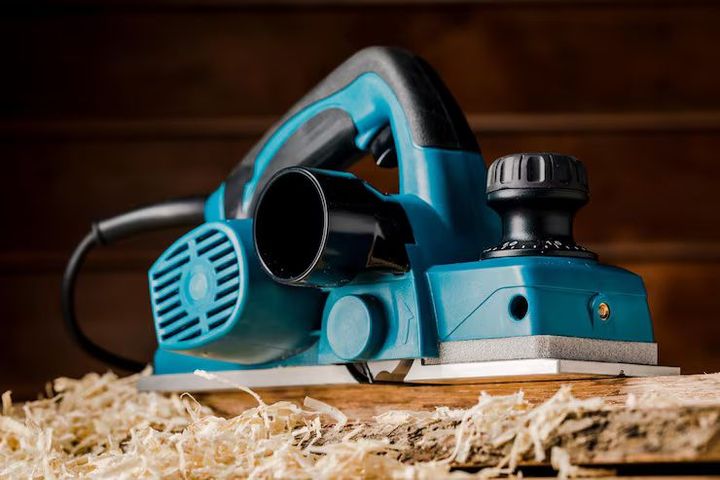
Wood Sanding Machines: Insights Into Modern Sanding Technology
Wood Sanding Machines are woodworking machines designed to smooth, level, calibrate, and finish wooden surfaces using abrasive materials. They remove small amounts of material from a workpiece to create a more uniform surface before coating, polishing, assembly, or further processing.
Depending on their configuration, these machines can process solid wood, plywood, MDF, particleboard, veneer panels, and other suitable wood-based materials. They are used across furniture manufacturing, panel processing, flooring production, interior components, doors, and other woodworking applications.
A sanding machine generally combines an abrasive belt, disc, drum, or other sanding element with a feed or workholding mechanism. Machine settings can be adjusted according to the material, required surface condition, abrasive grade, and desired amount of material removal.
How Wood Sanding Machines Work
The basic process starts with placing a wooden workpiece on a machine table or feed system. The workpiece passes against a moving abrasive surface, which removes small irregularities from the material.
In automated machines, feed rollers or conveyor belts maintain controlled movement through the sanding area. Operators can adjust parameters such as sanding depth, feed speed, abrasive grade, and pressure according to the material and desired finish.
Several sanding stages can be combined. A coarse abrasive can remove larger surface irregularities, while progressively finer abrasives can produce a smoother surface.
Main Types of Wood Sanding Machines
Different machine configurations are designed for different woodworking requirements.
| Machine Type | Typical Application |
|---|---|
| Wide Belt Sanders | Panels, boards and large surfaces |
| Drum Sanders | Thickness reduction and surface smoothing |
| Disc Sanders | Edges, profiles and smaller components |
| Belt Sanders | General surface finishing |
| Edge Sanders | Straight and shaped edges |
| Calibrating Sanders | Controlled thickness and surface leveling |
| Brush Sanders | Profiled and textured surfaces |
| Automatic Sanding Lines | Multi-stage panel processing |
Wide belt sanding machines are particularly useful for processing panels and boards because the abrasive belt can cover a substantial working width. Calibrating machines are also used where controlled material removal and dimensional consistency are important.
Importance
Surface Quality
Sanding has a major influence on the final condition of a wooden surface. Uneven surfaces, machining marks, minor scratches, and small variations can be reduced through appropriate sanding operations.
A controlled sanding process can prepare surfaces for subsequent finishing stages such as coating, staining, laminating, or polishing.
Dimensional Consistency
Calibrating and sanding machines can remove a controlled layer from a panel or wooden component. This helps create more consistent thickness across suitable workpieces.
Consistent dimensions can be important when components need to fit together during furniture, flooring, cabinetry, or panel assembly.
Higher Process Consistency
Manual sanding can produce differences between individual workpieces because pressure, movement, and abrasive contact may vary. Automated machines provide controlled feed and sanding conditions.
When machine parameters are properly established, repeated components can pass through similar sanding stages with more consistent processing conditions.
Abrasive Selection
Abrasive grade has a significant influence on sanding results. Coarser abrasives generally remove material more aggressively, while finer grades are used for smoother surface preparation.
Abrasive selection also depends on the wood species, board material, previous machining marks, surface condition, and intended finishing process.
Dust Management
Sanding generates fine wood particles. Effective dust extraction is therefore an important part of machine operation and workplace management.
Indian occupational safety provisions include requirements concerning precautions against inhalation of dust and maintaining suitable workplace ventilation.
Wood product machine operator guidance published by the Ministry of Labour also identifies exhaust equipment and personal protective measures as relevant considerations for sanding operations.
Recent Updates
Automated Sanding Systems
Modern woodworking production increasingly combines sanding machines with automated feeding, material handling, and production-control systems. Automation can coordinate workpiece movement and sanding parameters across multiple processing stages.
This approach is particularly relevant to larger panel-processing operations where repeatable processing conditions are important.
Wide Belt and Calibrating Technology
Wide belt sanding and calibrating systems continue to develop around greater control of material removal, abrasive utilization, feed movement, and surface consistency.
Machines can be configured with multiple sanding heads, allowing different abrasive grades or processing stages to be combined within one production sequence.
Multi-Stage Sanding
Modern sanding lines may use several abrasive stations. The first stage can focus on calibration or stronger material removal, while later stages progressively refine the surface.
This arrangement reduces the need to repeatedly reposition workpieces between individual sanding operations.
Automated Abrasive Management
Automation is increasingly being applied to sanding parameters, abrasive monitoring, machine settings, and production data. Sensors and control systems can help operators monitor machine conditions and maintain repeatable processing.
Digital controls can also make it easier to change settings for different board thicknesses, material types, and production requirements.
Improved Dust Extraction
Dust extraction remains an important area of development because sanding produces substantial quantities of fine particles. Modern machines can be integrated with dedicated extraction systems positioned around sanding and material-transfer areas.
Efficient extraction helps maintain cleaner machine surroundings and supports workplace dust-control practices.
Machine Safety Standards
BIS has established a specific Indian Standard series covering safety requirements for woodworking machines. The BIS machine-safety material identifies IS 18057 Part 8:2023 for belt sanding and calibrating machines for straight workpieces.
The wider IS 18057 series also addresses other woodworking machine categories, creating a more structured safety framework for different types of woodworking equipment.
BIS's current certification information also continues to provide machine-safety certification procedures and related documentation, with its certification process information updated in August 2026.
Laws or Policies
Indian Woodworking Machine Safety
Woodworking machinery should be operated according to applicable workplace safety requirements and relevant Indian Standards. The exact requirements can depend on machine type, workplace conditions, equipment configuration, and applicable legal instruments.
The Model Factories Rules published through BIS include provisions for woodworking machinery such as effective stopping and starting devices, unobstructed working space, suitable floor conditions, and adequate operator training or supervision.
Although the listed historical woodworking-machine schedule does not specifically describe every modern sanding-machine configuration, its safety principles provide useful context for woodworking workplaces.
IS 18057 Series
The BIS machine-safety publication identifies several parts of the IS 18057 series for woodworking equipment. Part 8:2023 specifically covers belt sanding and calibrating machines for straight workpieces.
Manufacturers and operators should check the current standard text and determine which provisions apply to their particular machine.
BIS Certification
BIS explains that its product certification framework is generally voluntary unless compliance is made compulsory through an applicable government requirement such as a Quality Control Order.
Therefore, organizations should not assume that every Wood Sanding Machine automatically requires the same BIS certification. The latest applicable requirements should be checked for the specific equipment category.
BIS Standards Database
The BIS Know Your Standard platform allows users to search Indian Standards using an IS number or product-related keyword. It can also provide information about amendments, notifications, testing laboratories, licensing information, and related documents. The platform was updated in May 2026.
This makes the database useful when checking current requirements for sanding and other woodworking machinery.
Tools and Resources
Several tools and resources support effective sanding operations.
- Abrasive belts: Used for continuous surface sanding on wide belt and belt sanding machines.
- Sanding discs: Used for selected disc-sanding applications and component processing.
- Calibrating heads: Designed for controlled material removal and surface leveling.
- Feed systems: Maintain controlled workpiece movement through automated machines.
- Dust extraction systems: Capture wood particles generated during sanding.
- Thickness measurement equipment: Helps verify workpiece dimensions during processing.
- Surface inspection tools: Used to identify scratches, uneven areas, and other surface variations.
- Machine control systems: Allow operators to adjust feed and sanding parameters.
- Abrasive cleaning equipment: Helps maintain suitable abrasive performance where applicable.
- BIS Know Your Standard: Provides access to current Indian Standards and related documentation.
- Machine manuals and technical documentation: Provide machine-specific operating, adjustment, maintenance, and safety information.
Routine inspection of abrasive components, extraction arrangements, feed mechanisms, guards, controls, and emergency stopping systems is also important for structured machine operation.
FAQs
What are Wood Sanding Machines used for?
Wood Sanding Machines are used to smooth, calibrate, level, and prepare wooden surfaces. Applications include furniture panels, flooring components, doors, cabinetry, plywood, MDF, and other wood-based products.
Which abrasive is used in Wood Sanding Machines?
Abrasive belts, discs, drums, and other abrasive materials can be used depending on the machine configuration. Abrasive grade is selected according to material characteristics and the required surface condition.
What is a wide belt sanding machine?
A wide belt sanding machine uses a broad abrasive belt to process relatively wide wooden panels and boards. It can perform surface sanding and, in suitable configurations, controlled calibration.
What is the role of dust extraction in Wood Sanding Machines?
Dust extraction removes particles generated during sanding and helps maintain a cleaner working environment. Suitable dust-control arrangements are particularly important because sanding can generate fine wood particles.
Does BIS have standards for Wood Sanding Machines?
Yes. BIS identifies IS 18057 Part 8:2023 for belt sanding and calibrating machines for straight workpieces as part of its woodworking machinery safety standards.
Conclusion
Wood Sanding Machines are important woodworking systems for surface smoothing, calibration, finishing preparation, and dimensional consistency. Modern machines increasingly combine wide belt technology, automated feeding, multi-stage sanding, digital controls, and improved dust-management systems. Indian machine-safety standards include specific provisions for belt sanding and calibrating machinery, while workplace requirements address safe operation, training, machine controls, and dust precautions. Understanding abrasive selection, machine configuration, process parameters, extraction, and applicable standards helps support consistent and structured woodworking operations.