Veneer Cutting Machines: Guide to Cutting Methods and Machine Components
Veneer Cutting Machines are woodworking machines designed to produce thin sheets of natural wood from logs, flitches, or prepared wood blocks. These thin sheets, known as wood veneer, can be used for furniture panels, doors, cabinets, decorative surfaces, flooring components, musical instruments, and other wood products.
Instead of using a solid piece of valuable timber for an entire panel, veneer production allows a thin layer of wood to be separated from a larger log. This makes it possible to display the natural grain and appearance of selected timber across engineered panels and other substrates.
Different machines use different cutting methods. Rotary veneer lathes peel a log continuously, while slicing machines move a knife through a prepared piece of wood to produce individual sheets. The chosen method affects grain appearance, sheet dimensions, thickness, and the intended application.
How Veneer Cutting Works
A simplified veneer production sequence can include several stages:
Log preparation: Logs are selected, debarked, and prepared for processing.
Conditioning: Heat or moisture may be used to prepare the wood for easier cutting.
Block or flitch preparation: Depending on the production method, the wood is positioned for rotary peeling or slicing.
Cutting: A knife separates a thin layer from the wood.
Clipping: Irregular sections can be trimmed into usable sheets.
Drying: Fresh veneer may contain substantial moisture and can require controlled drying.
Sorting: Sheets can be classified according to appearance, dimensions, thickness, and quality characteristics.
Joining: Narrow veneer pieces may be joined to create wider sheets for selected applications.
The exact production sequence depends on the wood species, veneer type, machine configuration, and final product.
Main Types of Veneer Cutting Machines
Rotary veneer lathes rotate a log against a long cutting knife. The knife continuously removes a thin layer, producing a sheet that can be cut into suitable lengths.
Veneer slicers use a knife to slice prepared wood sections. Slicing can produce different grain patterns depending on how the flitch is positioned and how the knife travels through it.
Half-round slicers use a modified log position to produce decorative grain patterns that combine characteristics associated with rotary and flat slicing.
Veneer clippers trim veneer sheets into selected lengths and remove irregular edges or defective sections.
Veneer splicing machines join narrower veneer strips to create wider sheets for panel production.
Importance
Producing Thin Wood Sheets
Veneer Cutting Machines make it possible to convert selected timber into thin, usable sheets. A thin veneer layer can then be applied to plywood, engineered wood panels, furniture components, doors, and other substrates.
This allows manufacturers to use the visual characteristics of natural wood while constructing larger products from engineered materials.
Creating Different Grain Patterns
The cutting direction has a major influence on the appearance of veneer. Rotary peeling, plain slicing, quarter slicing, and other methods expose wood grain in different ways.
Manufacturers select a method according to the desired visual effect and the characteristics of the timber being processed.
Supporting Consistent Thickness
Modern veneer equipment is designed to maintain controlled cutting conditions. Knife position, log movement, feed mechanisms, pressure systems, and machine alignment all influence veneer thickness.
Consistent thickness is important when veneer is later dried, joined, laminated, or applied to a panel.
Improving Material Utilization
Veneer production can separate a relatively thin layer from a log while leaving material for other applications. Different portions of a log may be directed toward veneer, lumber, engineered wood, chips, or other wood-processing streams.
The actual material utilization depends on log shape, species, defects, cutting pattern, veneer thickness, and production planning.
Main Machine Components
| Component | Main Function | Where It Matters |
|---|---|---|
| Cutting knife | Separates veneer from wood | Main cutting operation |
| Knife holder | Positions the knife | Cutting accuracy |
| Spindle | Rotates the log or component | Rotary cutting |
| Pressure bar | Controls wood near the knife | Sheet formation |
| Carriage | Moves the wood or cutting assembly | Slicing |
| Feed system | Controls movement | Thickness consistency |
| Hydraulic system | Provides controlled movement | Positioning and clamping |
| Controller | Manages machine functions | Automation |
| Clipping unit | Trims veneer sheets | Sheet preparation |
| Conveyor | Moves veneer | Material handling |
Recent Updates
Automated Machine Control
Modern Veneer Cutting Machines increasingly use electronic control systems to manage knife movement, feed rates, positioning, hydraulic functions, and production sequences.
Computerized controls can help operators configure machine parameters more precisely and monitor selected operating conditions during production.
CNC and Digital Positioning
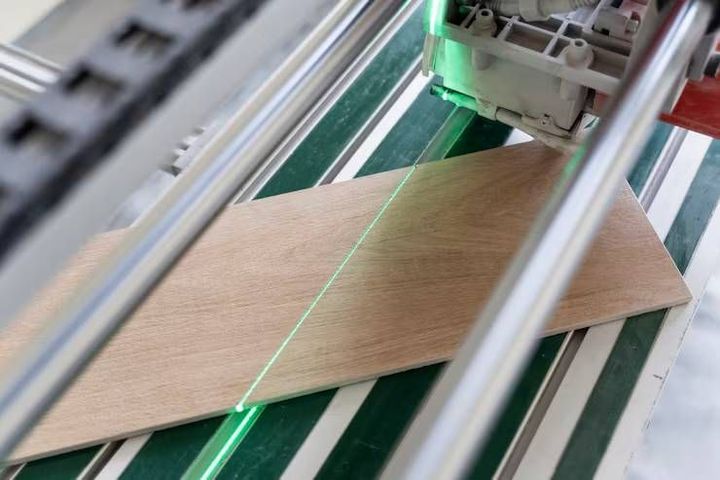
Digital positioning technologies can improve repeatability when machines need to process multiple wood sections or maintain specific cutting settings.
Computer-controlled systems can coordinate several machine movements and reduce the amount of manual adjustment required during repetitive production.
Improved Knife Management
The cutting knife is one of the most important components in veneer production. Knife sharpness, geometry, alignment, and positioning influence the resulting sheet.
Modern production environments increasingly use controlled knife maintenance procedures and measurement equipment to monitor cutting conditions.
Automation in Material Handling
Conveyors, lifting systems, stacking equipment, scanners, and automated handling systems can connect veneer cutting with subsequent drying, sorting, and packaging stages.
Automation can reduce unnecessary manual movement of thin sheets, which can be difficult to handle without bending, tearing, or damaging the material.
Digital Monitoring
Sensors and control systems can monitor selected machine conditions such as hydraulic pressure, temperature, spindle operation, vibration, position, and production parameters.
Collected information can help operators identify abnormal conditions and schedule inspections before equipment problems interrupt production.
Sustainable Wood Processing
Wood-processing industries are also paying greater attention to material utilization, energy consumption, emissions, and responsible sourcing.
Veneer production can form part of a broader engineered-wood manufacturing system in which different portions of a log are directed toward appropriate products rather than being used for a single purpose.
Laws or Policies
International Wood-Processing Safety
Veneer cutting involves sharp knives, rotating components, hydraulic systems, conveyors, and other moving machinery. Because requirements vary by country, manufacturers and operators need to follow the workplace machinery rules applicable in their jurisdiction.
For example, the U.S. Occupational Safety and Health Administration has specific woodworking machinery requirements covering veneer slicer knives, veneer clippers, guillotine veneer cutters, guards, controls, and maintenance.
Machine Guarding
Machine guarding is an important international safety principle for woodworking equipment. Guards and protective systems can help prevent contact with cutting areas, rotating components, belts, chains, and other hazardous moving parts.
OSHA guidance identifies the point of operation, power transmission components, and moving machine parts as areas requiring appropriate safeguarding.
Emergency Controls
Veneer equipment should incorporate appropriate stopping and control arrangements according to the applicable machine design and regulations.
For example, OSHA requirements for powered guillotine veneer cutters address two-hand controls or specified guarding arrangements and emergency stopping provisions.
Maintenance and Inspection
Knife condition, machine alignment, guards, bearings, hydraulic components, electrical systems, and control devices require regular inspection.
OSHA's woodworking requirements state that knives and cutting heads should remain sharp, properly adjusted, and securely mounted, while veneer slicers and rotary veneer-cutting machines require specific precautions during shutdown, log insertion, and adjustment activities.
Dust and Workplace Conditions
Woodworking operations can generate airborne wood dust, noise, vibration, and other workplace hazards. Appropriate extraction, housekeeping, ventilation, protective equipment, and machine maintenance may therefore form part of an overall workplace safety program.
International requirements differ, so manufacturers and operators should refer to the regulations and standards applicable in their country.
Tools and Resources
Veneer Thickness Measurement
Thickness gauges can be used to measure veneer sheets at selected points. Consistent measurement helps identify variations that may result from knife settings, wood characteristics, or machine alignment.
Moisture Meters
Wood moisture meters help determine moisture conditions before and after processing. Moisture content can influence drying behavior, dimensional stability, and subsequent panel manufacturing.
Knife Sharpening Equipment
Industrial knife sharpening systems maintain the cutting edge of veneer knives. Proper sharpening and alignment are important because a damaged or poorly maintained knife can influence surface quality and machine operation.
Digital Machine Controls
Modern control panels can display machine parameters and allow operators to adjust selected settings. Depending on the equipment, these controls may include feed speed, knife position, hydraulic pressure, spindle movement, and operating sequences.
Inspection and Measurement Systems
Optical inspection equipment and cameras can help identify selected surface defects, dimensions, grain characteristics, or irregular sections.
Automated inspection can be integrated with sorting systems in larger production environments.
Dust Collection Equipment
Dust extraction systems collect airborne wood particles generated during woodworking operations. Proper extraction design depends on the machine, material, facility layout, and applicable workplace requirements.
Maintenance Records
Digital or paper maintenance records can track knife changes, inspections, lubrication, component replacement, machine adjustments, and operating observations.
Such records can help maintenance teams understand recurring equipment conditions and organize planned inspections.
FAQs
What are Veneer Cutting Machines?
Veneer Cutting Machines are woodworking machines that separate thin sheets of natural wood from logs, flitches, or prepared wood blocks. Different machine types use rotary peeling, slicing, or trimming methods.
How do Veneer Cutting Machines work?
Veneer Cutting Machines use a cutting knife and a controlled movement system to separate thin wood layers. Rotary equipment turns the log against the knife, while slicing machines move a prepared wood section through a cutting path.
What is the difference between rotary peeling and veneer slicing?
Rotary peeling rotates a log continuously against a knife, while slicing cuts prepared wood sections with individual knife movements. The two methods can produce different grain patterns and sheet characteristics.
What are the main components of Veneer Cutting Machines?
Important components can include cutting knives, knife holders, spindles, pressure bars, carriages, feed mechanisms, hydraulic systems, controllers, clipping units, and conveyors.
Where are Veneer Cutting Machines used?
They are used in wood-processing plants that produce veneer for furniture panels, doors, plywood, decorative surfaces, engineered wood products, and other applications.
Conclusion
Veneer Cutting Machines convert logs and prepared wood sections into thin sheets through rotary peeling, slicing, and related cutting methods. Machine components such as knives, pressure systems, feed mechanisms, spindles, hydraulic systems, controllers, and clipping units influence the cutting process and finished veneer. Current developments include digital controls, automated handling, sensor monitoring, improved knife management, and integrated production systems. Because veneer equipment contains sharp cutting components and moving machinery, appropriate guarding, maintenance, training, and compliance with applicable national requirements are important parts of responsible operation.