Tapping Machines: Learn the Basics, Processes, and Key Resources
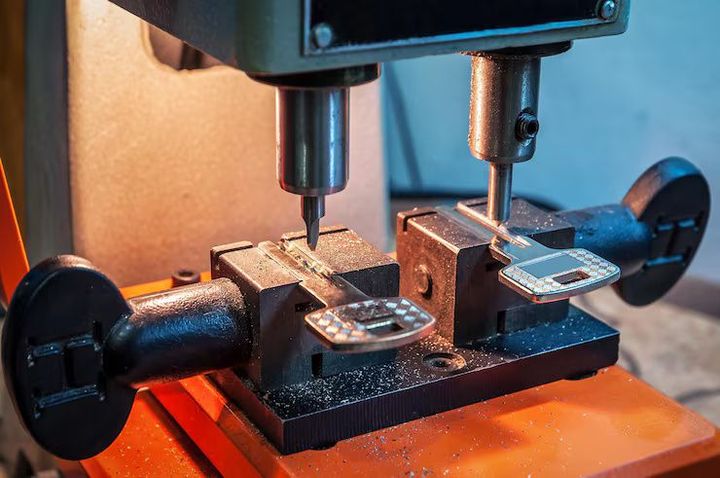
What Are Tapping Machines? Tapping Machines are machine tools designed to create internal threads inside previously drilled or prepared holes. The process is known as tapping, and it allows threaded holes to accept matching screws, bolts, or other threaded components.
A tapping machine controls the movement of a tap so that its cutting edges remove material in a controlled pattern. Depending on the machine design, the tap can be driven manually, mechanically, pneumatically, or through a computer-controlled system.
Tapping is widely used in metalworking because threaded holes are needed in many manufactured components. Automotive parts, machinery components, electrical equipment, tools, appliances, and fabricated structures can all involve tapped holes.
How Tapping Works
The tapping process generally begins with a hole of an appropriate diameter. This is called the tap-drill hole. The selected diameter depends on the thread specification, material, and tapping method.
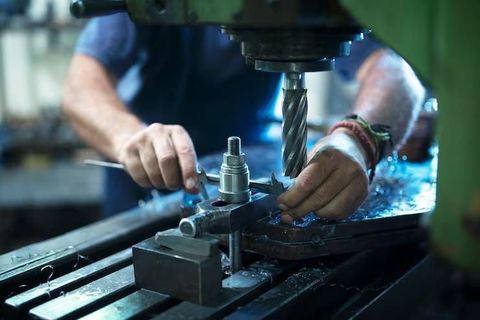
The tap is then aligned with the hole and rotated while moving axially into the workpiece. Its cutting edges form the internal thread. Once the required depth is reached, the tap is withdrawn while maintaining appropriate alignment.
Several factors influence the result:
- Tap size: Determines the nominal thread dimensions.
- Thread pitch: Defines the distance between adjacent thread peaks.
- Hole diameter: Influences cutting load and thread formation.
- Material: Different metals and materials respond differently to tapping.
- Spindle speed: Affects cutting conditions and productivity.
- Lubrication: Can reduce friction and assist chip removal where appropriate.
- Alignment: Helps prevent uneven threads or tool damage.
Main Types of Tapping Machines
Different tapping machines are designed for different production requirements.
Bench tapping machines are relatively compact and can be used for smaller components and workpieces.
Pneumatic tapping machines use compressed air to drive or assist the tapping mechanism. They can be suitable for repetitive operations where an appropriate air system is available.
Electric tapping machines use an electric motor and electronic controls to regulate tapping movements.
Gear-driven tapping machines use mechanical transmission systems to provide controlled spindle rotation and movement.
CNC tapping machines integrate tapping operations with computer-controlled machining. They can coordinate spindle movement, feed, tool changes, and other programmed operations.
Importance
Creating Accurate Internal Threads
Tapping machines help produce internal threads with controlled dimensions and alignment. Consistent thread formation is important when components need to be assembled repeatedly.
The accuracy requirement depends on the application. Precision components may require tighter control of hole dimensions, tool geometry, spindle movement, and inspection procedures.
Improving Repetitive Operations
Manual tapping can require repeated positioning and controlled rotation of the tool. In production environments, mechanical or automated tapping equipment can perform recurring operations according to defined parameters.
Automation can also help maintain consistency between workpieces when machine settings, tools, materials, and inspection procedures are properly controlled.
Supporting Different Materials
Tapping machines can be configured for materials such as carbon steel, stainless steel, aluminum alloys, brass, cast iron, and selected engineering plastics.
The appropriate tap geometry and operating conditions depend on the material. A cutting approach suitable for aluminum may not be appropriate for hardened steel or other difficult-to-machine materials.
Reducing Alignment Problems
Correct alignment between the tap and the hole is essential. If the tool enters at an incorrect angle, threads may become damaged or the tap may experience excessive loading.
Machine-guided tapping can provide controlled movement and alignment, particularly when fixtures and workholding arrangements are properly designed.
Main Machine Features
| Feature | Function | Practical Importance |
|---|---|---|
| Spindle | Rotates the tapping tool | Controls cutting movement |
| Motor | Provides rotational power | Drives the spindle |
| Feed mechanism | Moves the tap axially | Controls thread formation |
| Tap holder | Holds the cutting tool | Maintains tool connection |
| Workholding | Secures the component | Limits unwanted movement |
| Speed control | Adjusts spindle rotation | Matches operating conditions |
| Depth control | Limits tapping depth | Supports consistent holes |
| Control panel | Sets machine parameters | Manages operation |
Recent Updates
Greater Use of Automated Tapping
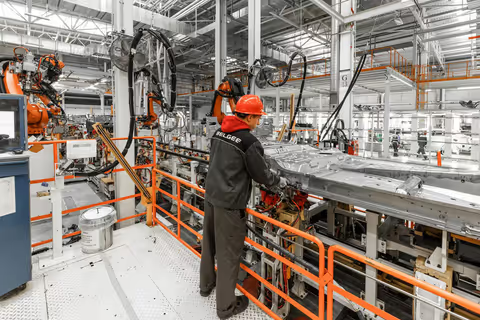
Modern manufacturing increasingly combines tapping with automated material handling, CNC machining, sensors, and programmable controls. A tapping operation may be incorporated into a larger machining sequence rather than performed as an isolated process.
This approach can help coordinate drilling, tapping, inspection, and component movement within a connected production workflow.
CNC Integration
Computer numerical control allows tapping operations to be programmed as part of machining cycles. Depending on the machine, the control system can coordinate spindle rotation and feed movement to match the selected thread specification.
CNC systems can also integrate tapping with drilling, milling, boring, and other machining operations.
Digital Monitoring
Sensors and machine controls can monitor selected operating conditions such as spindle load, rotation, position, or cycle status.
Data from connected equipment can help operators identify unusual operating conditions and examine patterns across repeated production cycles.
Improved Machine Safety Frameworks
Indian machine-tool requirements continue to evolve. BIS provides machine-category guidelines covering metal-cutting machines under the machinery safety certification framework. These guidelines reference general machinery safety principles, including risk assessment and risk reduction.
The broader BIS machine-tool program covers areas including machine-tool safety, test conditions, workholding equipment, noise, automation, and related technical subjects.
Digital Access to Standards
The Bureau of Indian Standards has expanded digital access to standards information through its “Know Your Standard” platform. Users can search by Indian Standard number or keyword and access associated documents, amendments, notifications, and other information where available. The platform was updated in 2026.
This can make it easier for machine operators, engineers, manufacturers, and technical teams to identify potentially relevant Indian Standards.
Laws or Policies
Machinery Safety in India
India's machinery safety framework includes requirements related to risk assessment, technical documentation, applicable Indian Standards, and conformity procedures for covered machinery.
BIS guidance for metal-cutting machines states that applicable machines must address relevant Type A, Type B, and Type C standards under the applicable machinery safety framework. IS 16819:2018, based on ISO 12100, is identified as a Type A standard covering general principles for machinery design, risk assessment, and risk reduction.
The exact requirements depend on the machine category and the regulations applicable to that equipment.
Indian Standards
BIS maintains a technical committee covering machine tools, machine-tool elements, and holding devices. Its scope includes standardization for machine tools used with metals, wood, and plastics, along with related elements, jigs, fixtures, testing, and safety subjects.
For a specific tapping machine, users should identify the applicable standards based on its design, intended application, electrical characteristics, and machine category.
Risk Assessment
A tapping machine risk assessment can consider rotating components, cutting tools, workpieces, chips, unexpected movement, electrical systems, noise, tooling changes, maintenance activities, and operator access.
Protective measures may include guards, emergency-stop arrangements, appropriate workholding, safe operating procedures, maintenance controls, and suitable personal protective equipment.
Standards Verification
The BIS standards portal can be used to search Indian Standards by number or keyword. It also provides information about published standards, revisions, amendments, and standards under development.
Because requirements can change, technical teams should verify the current status of the applicable standard rather than relying on an older document.
Tools and Resources
Tap Selection Charts
Tap charts provide information about thread sizes, pitches, tap-drill diameters, and related dimensions. They can help operators identify an appropriate starting hole for a selected thread.
The actual machining parameters should still be determined according to the tap manufacturer's technical information, workpiece material, machine capability, and application requirements.
Thread Gauges
Thread gauges help inspect whether a tapped hole corresponds to the intended thread specification. Plug gauges are commonly associated with internal-thread inspection.
Measurement procedures should match the required tolerance and inspection standard.
Torque Monitoring
Torque monitoring can provide information about resistance during tapping. Unusual torque levels may indicate issues such as incorrect hole size, unsuitable cutting conditions, tool wear, material variation, or chip evacuation problems.
Cutting Fluids and Lubrication
Appropriate lubrication can influence heat generation, friction, tool life, and chip movement. The selection depends on the workpiece material, tapping method, tool design, and environmental requirements.
CNC Programming Resources
For CNC tapping, machine manuals and controller documentation provide information about tapping cycles, spindle synchronization, feed settings, tool offsets, and related parameters.
BIS Standards Resources
The BIS “Know Your Standard” platform is a useful reference for identifying relevant Indian Standards by keyword or standard number. BIS also publishes machine-specific information and guidelines for covered machinery categories.
Maintenance and Inspection Records
Machine logs can document tool changes, inspection results, lubrication activities, unusual operating conditions, and maintenance work. These records can help technical teams identify recurring issues and maintain consistent operating procedures.
FAQs
What are Tapping Machines?
Tapping Machines are machine tools used to create internal threads in prepared holes. They control the rotation and movement of a tap during the threading process.
How do Tapping Machines work?
Tapping Machines rotate a cutting tool called a tap while guiding it into a prepared hole. The tap removes material and forms the internal thread according to its geometry.
What materials can Tapping Machines process?
Depending on the machine and tool, tapping can be performed on materials such as steel, stainless steel, aluminum, brass, cast iron, and selected plastics. Tool selection and operating parameters need to match the material.
What is the difference between manual and CNC tapping?
Manual tapping relies more heavily on operator control, while CNC tapping uses programmed machine movements and synchronized controls. CNC systems are commonly integrated with other machining operations.
What resources help with Tapping Machines?
Useful resources include tap-selection charts, thread gauges, machine manuals, CNC programming documentation, maintenance records, and relevant BIS standards. These resources can help with setup, operation, inspection, and safety planning.
Conclusion
Tapping Machines are specialized machine tools used to create internal threads in prepared holes. Their operation involves controlled tool rotation, axial movement, workholding, tool selection, and appropriate machining conditions. Modern systems increasingly incorporate CNC control, automation, sensors, and digital monitoring, while Indian machinery safety requirements continue to develop around risk assessment and applicable standards. Understanding the tapping process, machine features, tooling, inspection methods, and relevant standards provides a practical foundation for working with these machines.