Switchgear Panels: Guide to Electrical Distribution, Protection, and Industrial Power Systems
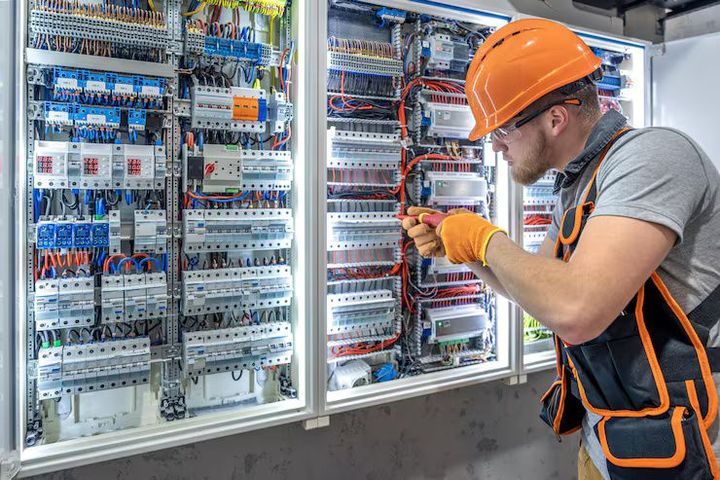
Switchgear Panels are electrical assemblies used to control, distribute, isolate, and protect electrical power systems. They combine components such as circuit breakers, disconnectors, busbars, protective relays, and monitoring devices within a structured enclosure. They are widely used in industrial facilities, commercial buildings, utility networks, substations, and other electrical distribution environments.
Switchgear Panels: Guide to Electrical Distribution, Protection, and Industrial Power Systems
Switchgear Panels are an important part of modern electrical distribution systems. They contain electrical switching and protection equipment that helps control the flow of power between incoming supplies, distribution circuits, and connected loads.
A switchgear panel can include circuit breakers, disconnectors, busbars, fuses, protective relays, current transformers, voltage transformers, meters, control devices, and communication equipment. The exact arrangement depends on the voltage level, electrical configuration, installation environment, and purpose of the panel.
Switchgear is used in industrial plants, commercial facilities, utility substations, data centers, infrastructure projects, and many other locations where electrical power needs controlled distribution and protection. The equipment helps operators isolate sections of a system and allows protective devices to respond to certain abnormal electrical conditions.
Context
Electrical power systems require controlled pathways for distributing electricity from generation or incoming utility supplies to different loads. Switchgear provides a structured arrangement for managing these pathways while incorporating equipment for switching, isolation, measurement, and protection.
Switchgear Panels can be designed for low-voltage, medium-voltage, or high-voltage applications. Their construction and internal components vary considerably according to the electrical requirements of the installation.
Main Components of Switchgear Panels
A typical panel can contain several important electrical and mechanical components.
| Component | Main Function |
|---|---|
| Circuit breaker | Interrupts electrical current during switching or certain fault conditions |
| Disconnector | Provides electrical isolation for maintenance or other controlled activities |
| Busbar | Provides a common electrical connection between circuits |
| Protective relay | Detects defined abnormal electrical conditions |
| Current transformer | Provides scaled current signals for measurement and protection |
| Voltage transformer | Provides voltage signals for measurement and protection |
| Metering equipment | Measures electrical parameters |
| Control system | Supports switching and monitoring functions |
| Enclosure | Protects internal components and provides structural support |
Not every switchgear panel contains all of these components. Configuration depends on the application.
How Switchgear Panels Work
Electrical power enters a panel through an incoming circuit. Switching and protection devices control how that power is distributed to outgoing circuits.
Under normal conditions, circuit breakers and other switching devices allow electrical current to flow through the intended pathway. When a protective relay identifies a defined abnormal condition, it can send a signal to a circuit breaker to interrupt the affected circuit.
Isolation equipment can then be used to separate a section of the electrical system for controlled inspection or maintenance, subject to the appropriate safety procedures.
Types of Switchgear
Switchgear can be categorized according to voltage level and construction.
Low-voltage switchgear is commonly used in building distribution systems, industrial facilities, and electrical panels operating at lower voltage levels.
Medium-voltage switchgear is used in industrial plants, utility distribution systems, substations, and other applications requiring higher voltage distribution.
High-voltage switchgear is associated with transmission and major power-system applications. These systems require specialized insulation, switching equipment, protection, and installation arrangements.
Switchgear can also be classified as air-insulated, gas-insulated, or other specialized configurations.
Importance
Switchgear Panels provide several important functions within electrical power systems. They help manage electrical circuits while providing mechanisms for switching, isolation, measurement, and protection.
Electrical Distribution
A switchgear assembly can receive electrical power and distribute it across multiple circuits. Busbars and switching devices create organized pathways between incoming and outgoing connections.
This arrangement is important for large facilities where multiple electrical loads must be supplied from a central distribution point.
Circuit Protection
Electrical faults can create very high currents and abnormal operating conditions. Protective devices are designed to detect defined fault conditions and disconnect affected circuits.
Protection systems can respond to conditions such as short circuits, overloads, earth faults, and other abnormalities depending on the system design.
Isolation
Maintenance and inspection activities may require part of an electrical system to be isolated. Disconnectors and related equipment provide controlled means of separating electrical sections.
Isolation procedures must follow appropriate electrical safety practices and should not rely on the physical position of a switch alone.
System Control
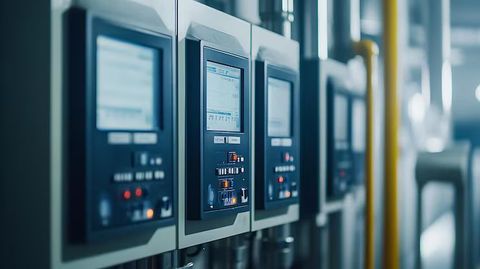
Switchgear Panels can provide local or remote control over electrical circuits. Modern installations may connect panel controls to supervisory systems that allow operators to monitor electrical conditions and switching status.
Monitoring and Measurement
Meters and sensors can provide information about voltage, current, frequency, power, energy, and other electrical parameters. This information helps operators understand the condition of the distribution system.
Digital monitoring can also provide records of operating events and equipment status.
Recent Updates
From 2024 through 2026, developments in switchgear technology have continued to focus on digital monitoring, compact designs, improved protection, remote communication, and environmental considerations.
Digital Protection
Modern protective relays use digital processing to evaluate electrical signals and identify configured abnormal conditions. They can support multiple protection functions within a single device.
Digital relays can also communicate with other control equipment, allowing protection information to become part of a wider power-management system.
Condition Monitoring
Sensors can monitor parameters such as temperature, humidity, partial discharge, breaker operation, and other equipment conditions depending on the switchgear design.
Condition information can help operators identify changes that require investigation.
Remote Monitoring
Communication systems allow some switchgear installations to exchange information with supervisory control and power-management platforms. Operators can monitor breaker status, electrical measurements, alarms, and other information from centralized systems.
Remote capabilities must be designed with appropriate cybersecurity and operational controls.
Compact Equipment
Space constraints in industrial and commercial installations have encouraged development of more compact electrical equipment. Certain switchgear designs use optimized layouts and insulation technologies to reduce physical footprint.
The appropriate design still depends on voltage level, insulation requirements, fault ratings, environmental conditions, and accessibility needs.
Environmental Considerations
Some switchgear technologies use insulating gases, while others use air, solid insulation, vacuum interrupters, or combinations of technologies.
Environmental considerations have increased attention toward insulating technologies with lower environmental impact. The choice depends on voltage level, equipment design, regulations, and operational requirements.
Laws or Policies
Switchgear Panels are subject to electrical safety, equipment, installation, workplace, and sometimes environmental requirements. Applicable rules vary by country, voltage level, facility type, and installation.
Electrical Safety
Switchgear can contain energized conductors and equipment capable of handling high electrical currents. Appropriate insulation, barriers, grounding, clearances, interlocking, and protective systems are therefore important.
Only appropriately trained and authorized personnel should access energized electrical equipment.
Protection Requirements
Protective devices should be selected and coordinated according to the electrical system design. Fault levels, equipment ratings, protection settings, and coordination requirements need to be considered together.
Applicable electrical codes and standards should be identified during system design and installation.
Workplace Requirements
Industrial facilities need procedures for safe switching, isolation, inspection, and maintenance. Lockout and isolation procedures help prevent unexpected energization during maintenance activities.
Warning labels, restricted-access arrangements, and suitable personal protective equipment may also form part of an electrical safety program.
Fire and Environmental Considerations
Some electrical installations require fire protection and environmental controls depending on the equipment and facility. Certain insulating materials may have additional handling or environmental requirements.
The relevant national and regional authorities should be consulted for specific obligations.
Tools and Resources
Switchgear Panels depend on a combination of electrical components, measurement devices, control systems, and mechanical structures.
Supporting Equipment
Common supporting components include:
Circuit breakers
Disconnectors
Busbars
Protective relays
Current transformers
Voltage transformers
Surge protection equipment
Metering devices
Control switches
Communication interfaces
Grounding systems
Cable termination equipment
The exact combination depends on the voltage level and electrical architecture.
Testing Equipment
Testing is an important part of switchgear commissioning and maintenance. Electrical professionals may use insulation-resistance testers, circuit-breaker analyzers, relay-testing equipment, contact-resistance meters, and other specialized instruments.
Testing procedures should follow applicable technical requirements and equipment documentation.
Maintenance Resources
Maintenance programs can include visual inspection, cleaning, connection checks, breaker mechanism inspection, relay testing, insulation assessment, and monitoring of relevant environmental conditions.
Technical drawings, protection settings, wiring diagrams, operating manuals, and inspection records are valuable resources for maintaining an accurate understanding of the installation.
Selection Considerations
Several factors should be considered when specifying Switchgear Panels.
| Consideration | Why It Matters |
|---|---|
| Voltage rating | Determines suitable insulation and switching equipment |
| Current rating | Defines the continuous electrical load capability |
| Short-circuit rating | Determines ability to withstand and interrupt fault conditions |
| Protection scheme | Defines how abnormal conditions are detected |
| Installation environment | Influences enclosure and insulation requirements |
| Space availability | Affects panel arrangement and equipment dimensions |
| Monitoring needs | Determines metering and communication features |
| Maintenance access | Influences layout and safe equipment access |
Proper coordination between these factors is important for an effective electrical distribution system.
FAQs
What are Switchgear Panels?
Switchgear Panels are assemblies containing electrical switching, protection, isolation, control, and measurement equipment. They are used to manage electrical power distribution in industrial, commercial, and utility systems.
How do Switchgear Panels protect electrical systems?
Switchgear Panels can use protective relays and circuit breakers to identify defined abnormal electrical conditions and disconnect affected circuits. The protection scheme depends on the electrical system design.
What are the main components of Switchgear Panels?
Common components include circuit breakers, disconnectors, busbars, protective relays, current transformers, voltage transformers, meters, control equipment, and protective enclosures.
Where are Switchgear Panels used?
Switchgear Panels are used in industrial plants, commercial buildings, substations, utility distribution networks, infrastructure facilities, data centers, and other electrical installations.
What is the difference between low-, medium-, and high-voltage switchgear?
The categories relate primarily to the voltage level for which the equipment is designed. Higher-voltage applications generally require different insulation, switching, protection, clearances, and installation arrangements.
Conclusion
Switchgear Panels provide a structured way to control, distribute, isolate, measure, and protect electrical power systems. Their configuration can include circuit breakers, busbars, protective relays, transformers, meters, control systems, and other components. Recent developments have emphasized digital protection, condition monitoring, remote communication, compact configurations, and environmental considerations. Proper equipment selection requires attention to voltage, current, fault levels, protection requirements, installation conditions, and applicable electrical safety requirements.