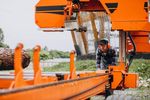
Slitting Rewinding Machines: Discover Precision Material Processing and Roll Handling
Slitting Rewinding Machines are used to divide wide rolls of flexible materials into narrower rolls while maintaining controlled tension, alignment, and winding. This article covers slitting technology, machine components, cutting methods, roll handling, tension control, automation, quality monitoring, safety requirements, and recent developments in precision material processing.
Slitting Rewinding Machines: Discover Precision Material Processing and Roll Handling
Slitting Rewinding Machines are specialized systems used to convert wide rolls of flexible materials into narrower rolls with controlled dimensions and winding conditions. These machines are widely used in paper, plastic films, flexible packaging, foil, nonwoven materials, laminates, labels, and other roll-based products.
The process combines material unwinding, web alignment, slitting, tension control, and rewinding. Modern machines can integrate automated controls, sensors, digital monitoring, and material-handling systems to coordinate these operations and maintain consistent roll formation.
Context
Many industries receive or produce materials in large master rolls. These rolls may be wider than the dimensions required for the next production stage. Slitting Rewinding Machines divide the master roll into narrower widths and create individual finished rolls.
The process must control several variables at the same time. Material tension, cutting position, web tracking, winding pressure, roll hardness, and machine speed can all influence the quality of the finished rolls.
Main Machine Components
A typical slitting and rewinding system may include:
Unwinding stand
Unwind tension system
Web alignment mechanism
Slitting knives or blades
Differential shafts
Rewinding shafts
Pressure rollers
Pneumatic or electronic controls
Sensors
Drive motors
Control panel
Roll discharge system
The exact configuration depends on the material, roll width, thickness, cutting method, and required finished-roll format.
Unwinding
The master roll is mounted on the unwind section at the beginning of the process. The material is gradually released while the machine maintains appropriate web tension.
Unwinding systems may use mechanical brakes, motors, pneumatic systems, or electronic controls. The selected arrangement depends on machine design and material characteristics.
Web Alignment
Web alignment systems help maintain the material in the intended position as it moves through the machine. Sensors can detect lateral movement and provide information to an automatic guiding mechanism.
Accurate web alignment is particularly important when narrow finished rolls are required.
Slitting
Slitting is the process of dividing the wide web into narrower sections. Different cutting arrangements can be selected depending on the material.
Common slitting methods include:
Razor slitting
Shear slitting
Score or crush slitting
Rotary knife systems
Each method has different characteristics and is suited to particular material types and thickness ranges.
Rewinding
After the material is divided, each web section is wound onto a core or shaft to create a finished roll.
The rewinding system must maintain suitable tension and pressure throughout the winding process. Controlled winding helps produce rolls with stable edges and consistent shape.
Importance
Slitting Rewinding Machines are important for converting wide roll materials into formats suitable for downstream production, packaging, printing, coating, laminating, and other processes.
Width Accuracy
Accurate slitting determines the final width of each roll. Cutting position, blade condition, web alignment, and machine control can all influence dimensional accuracy.
Consistent width helps downstream equipment receive material in the intended format.
Tension Control
Web tension is one of the most important operating variables. Excessive tension can stretch or deform some materials, while insufficient tension can create loose or unstable rolls.
Modern machines may use sensors and closed-loop controls to adjust tension as the roll diameter changes.
Edge Quality
The quality of the slit edge depends on the cutting method, blade condition, material properties, machine alignment, and operating parameters.
A suitable cutting arrangement can help minimize rough edges, dust, deformation, or other unwanted effects.
Roll Formation
Finished rolls need appropriate winding characteristics. Roll hardness, alignment, telescoping, wrinkles, and edge position can affect subsequent handling and processing.
Rewinding systems use controlled tension and mechanical pressure to maintain the required roll structure.
Production Automation
Automated controls can coordinate unwinding, web guiding, slitting, tension regulation, rewinding, and roll discharge.
Programmable settings can allow operators to establish production parameters for different material formats within the machine's operating range.
Material Versatility
Slitting Rewinding Machines can be configured for many flexible materials. Common examples include:
Paper
Plastic film
Aluminum foil
Laminated film
Nonwoven material
Flexible packaging webs
Adhesive materials
Label stock
The appropriate machine configuration depends on material thickness, width, surface properties, strength, and winding requirements.
Recent Updates
Recent developments in Slitting Rewinding Machines have focused on digital controls, automatic tension management, improved web guiding, automated knife positioning, process monitoring, and material handling.
Digital Control Systems
Modern machines commonly use touchscreen interfaces and programmable control systems. Operators can monitor machine conditions and adjust selected operating parameters through centralized controls.
Digital interfaces can also support repeatable setup procedures for different roll configurations.
Automatic Tension Control
Electronic tension systems can continuously monitor web tension and adjust machine operation as roll diameter changes.
Maintaining stable tension can support consistent winding and reduce the likelihood of loose or overly compressed rolls.
Automatic Knife Positioning
Some advanced systems use motorized knife positioning mechanisms. These systems can help set slitting positions according to predefined production configurations.
Automatic positioning can reduce manual adjustment during setup and support repeatable slit widths.
Web Guiding Technology
Automatic web-guiding systems use sensors to monitor the lateral position of the material. A control system can then adjust the guiding mechanism to keep the web aligned.
This is particularly useful for high-speed operations and materials where lateral movement can affect finished-roll dimensions.
Automated Roll Handling
Roll handling systems can support loading, unloading, transfer, and positioning of finished rolls. Automated mechanisms can reduce repetitive manual handling of heavy rolls.
Depending on the production environment, roll handling may be integrated with conveyors, lifting equipment, or robotic systems.
Process Monitoring
Sensors can monitor selected parameters such as tension, speed, roll diameter, position, and machine status.
Digital monitoring allows operators to identify changes during production and respond according to established operating procedures.
Improved Drive Systems
Modern slitting and rewinding equipment may use servo-driven or electronically coordinated motors. These systems can provide precise control of speed, acceleration, and synchronization between machine sections.
The appropriate drive arrangement depends on machine design and production requirements.
Laws or Policies
Slitting and rewinding operations are subject to workplace safety, electrical, environmental, and equipment requirements that vary by country and facility. Operators should follow applicable local regulations and machine-specific safety documentation.
Workplace Safety
Slitting equipment contains rotating shafts, cutting blades, rollers, and moving material webs. Guards and protective systems should be maintained around hazardous moving components.
Emergency stops should remain accessible, functional, and clearly identified.
Blade Safety
Slitting knives and blades can present significant cutting hazards during setup, operation, cleaning, and replacement.
Blade handling should follow established procedures, and appropriate protective equipment should be used when required.
Electrical Safety
Motors, drives, control panels, sensors, and other electrical components should be installed and maintained according to applicable electrical requirements.
Electrical maintenance should be performed by appropriately qualified personnel where required.
Material Handling
Master rolls and finished rolls can be heavy. Suitable lifting, transfer, and storage procedures should be established to reduce handling risks.
Rolls should be secured appropriately during movement and storage.
Environmental Requirements
Slitting operations may generate trim waste, dust, edge material, cores, and other production residues. Appropriate collection, handling, recycling, or disposal practices should be followed according to applicable requirements.
Additional environmental requirements may apply when coated, laminated, adhesive, or printed materials are processed.
Tools and Resources
Slitting and rewinding operations use specialized cutting equipment, measurement tools, tension systems, inspection equipment, and maintenance resources.
Slitting Tools
Common cutting components include:
Razor blades
Circular knives
Shear knives
Score knives
Knife holders
Spacers
Blade positioning systems
The selected cutting system should match the material and required slit quality.
Measurement Equipment
Width measurement tools, calipers, micrometers, tension measurement devices, and alignment instruments can be used during setup and inspection.
These tools help verify selected production parameters.
Tension Monitoring
Load cells, tension sensors, dancer systems, and electronic tension controllers may be used to monitor and regulate web tension.
The specific system depends on the machine architecture.
Roll Inspection
Finished rolls can be inspected for:
Width accuracy
Edge alignment
Roll hardness
Telescoping
Wrinkles
Surface defects
Core positioning
Slit-edge condition
Inspection procedures can be manual, automated, or a combination of both.
Maintenance Resources
Routine maintenance may include checking blades, shafts, bearings, rollers, sensors, drive systems, pneumatic components, and web-guiding mechanisms.
Machine manuals and maintenance schedules provide equipment-specific procedures and recommended inspection intervals.
Digital Resources
Technical manuals, machine drawings, operating instructions, safety documentation, material specifications, and process records can support production and maintenance activities.
Training resources can also help operators understand machine setup, slitting methods, tension control, and roll handling.
FAQs
What are Slitting Rewinding Machines used for?
Slitting Rewinding Machines divide wide rolls of flexible material into narrower widths and rewind the resulting webs into individual rolls. They are used with paper, films, foil, nonwoven materials, laminates, and other roll-based products.
How do Slitting Rewinding Machines work?
The machine unwinds a master roll, guides the web through the machine, divides it using selected cutting tools, and rewinds the narrower webs into separate rolls. Tension and alignment systems help control the process.
What materials can Slitting Rewinding Machines process?
Depending on machine configuration, they can process paper, plastic films, aluminum foil, laminates, nonwoven materials, adhesive webs, label stock, and various flexible packaging materials.
What affects slit quality?
Blade condition, cutting method, material properties, web tension, machine alignment, cutting position, machine speed, and roller condition can all influence slit-edge quality.
Why is tension control important in rewinding?
Tension control helps maintain stable material movement and roll formation. Appropriate tension can reduce problems such as loose winding, wrinkles, deformation, or uneven roll structure.
Conclusion
Slitting Rewinding Machines provide a controlled method for converting wide master rolls into narrower finished rolls. Their operation combines unwinding, web guiding, precision cutting, tension control, and rewinding into one coordinated process. Digital controls, automatic knife positioning, web-guiding systems, process monitoring, and automated roll handling are supporting the development of modern equipment. Understanding material properties, cutting methods, tension, alignment, roll formation, and safety requirements provides a useful foundation for understanding precision roll processing.