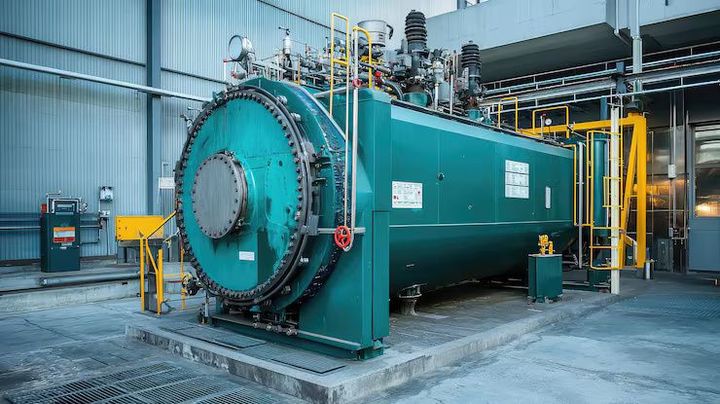
LNG Compressors: Insights Into LNG Technology
Liquefied natural gas (LNG) is natural gas that has been cooled to a very low temperature until it becomes a liquid. This process greatly reduces its volume, making LNG practical for transportation and storage before it is converted back into gas for use.
LNG compressors are important equipment within gas-processing and LNG infrastructure. Depending on the facility, compressors can be associated with boil-off gas handling, fuel-gas systems, natural-gas compression, LNG transfer operations, or processes connected with liquefaction and regasification.
Unlike ordinary industrial gas compression, LNG-related compression requires careful attention to cryogenic conditions, gas composition, pressure control, sealing, temperature management, and equipment materials. A compressor system must therefore be designed around the specific process conditions of an LNG facility.
Role of Compression in LNG Systems
LNG itself is stored as a cryogenic liquid, while several parts of an LNG facility handle natural gas in gaseous form. Compression equipment helps maintain appropriate pressure and flow across these process sections.
A typical LNG facility can include:
- Gas receiving and treatment equipment
- Liquefaction or regasification systems
- LNG storage tanks
- Boil-off gas handling equipment
- Compressors and associated drivers
- Pumps, valves, heat exchangers, and piping
- Instrumentation and safety systems
The exact compressor arrangement depends on whether the facility is an LNG production plant, import terminal, satellite LNG facility, marine facility, or LNG fuelling installation.
How LNG Compressors Work
A compressor raises the pressure of gas by reducing its volume or transferring mechanical energy into the gas stream. The compressed gas then moves through downstream equipment at the required pressure.
Several stages may be used when a large pressure increase is required. Intercooling between stages can help manage gas temperature and improve operating conditions.
For LNG applications, the compressor system may include suction and discharge piping, separators, valves, pressure instruments, temperature sensors, seals, lubrication systems, a driver, and control equipment.
Importance
Pressure and Flow Management
Stable pressure is important throughout an LNG facility. Compressors help maintain the pressure required for gas movement between process sections and can support controlled handling of gas generated during storage and operations.
Boil-off gas is particularly important. Even with well-insulated LNG storage systems, a small amount of LNG can vaporize because of heat entering the storage environment. Dedicated equipment can collect and manage this gas, with compressors helping maintain the required pressure and flow conditions.
Equipment Integration
An LNG compressor does not operate independently. Its performance depends on upstream gas conditions, downstream pressure, piping design, valves, separators, instrumentation, and control systems.
For this reason, compressor selection normally considers the complete process rather than only the compressor itself.
Operational Reliability
LNG facilities operate with equipment that must remain stable across changing process conditions. Compressor systems may incorporate monitoring of vibration, pressure, temperature, lubrication, gas leakage, and other operating parameters.
Modern control systems can use sensor information to identify abnormal operating patterns and support planned inspection and maintenance activities.
Common Compressor Types
Different compressor technologies can be used depending on pressure requirements, gas composition, flow rate, and facility design.
| Compressor Type | General Characteristic | LNG-Related Application |
|---|---|---|
| Reciprocating | Uses piston movement | High-pressure gas applications |
| Centrifugal | Uses rotating impellers | Large gas-flow applications |
| Screw | Uses rotating screw elements | Selected gas compression duties |
| Integrally Geared | Uses multiple geared compressor stages | Multi-stage process applications |
| BOG Compressor | Designed around boil-off gas handling | LNG storage and terminal systems |
The selection depends on process requirements rather than a single universally applicable compressor design.
Recent Updates
Growth of LNG Infrastructure
India continues to expand LNG infrastructure as natural gas becomes an important part of the country's broader energy strategy. A PNGRB publication reported around 52.5 million tonnes per annum of LNG regasification capacity in India and linked LNG infrastructure development with the national objective of increasing natural gas participation in the energy mix.
This infrastructure includes terminals and associated gas-handling systems where compressors, pumps, storage equipment, vaporizers, and control systems can work together.
Updated LNG Regulatory Framework
The Petroleum and Natural Gas Regulatory Board maintains Technical Standards and Specifications including Safety Standards for LNG facilities. The LNG T4S Regulations were originally issued in 2018 and have subsequently received amendments, including changes listed through 2025.
These regulations address areas such as facility design, process systems, electrical systems, maintenance, inspection, fire prevention, leak detection, emergency arrangements, and safety management.
LNG Fuelling Technology
LNG is also becoming relevant to transportation applications. BIS lists IS 15958:2023 for compressed natural gas and LNG used for automotive purposes. The standard includes references to natural-gas quality, sampling, and related technical standards.
BIS also developed a draft Indian Standard based on ISO 16924 for LNG stations used for vehicle fuelling. This indicates continuing standardization activity around LNG fuelling infrastructure.
Digital Monitoring
Digital instrumentation is becoming increasingly important in compressor installations. Pressure transmitters, temperature sensors, vibration monitoring, programmable control systems, alarms, and automated shutdown functions can provide operators with information about equipment conditions.
Data from these systems can also support condition monitoring and help identify changes before they develop into significant operational problems.
Laws or Policies
PNGRB LNG Safety Requirements
In India, LNG facilities fall under the technical and safety framework established by PNGRB. The LNG T4S Regulations provide requirements for LNG facilities and include provisions covering process systems, electrical installations, maintenance, inspection, fire prevention, leak detection, firefighting, and safety management.
Compressor systems within an LNG facility therefore need to be considered as part of the overall regulated installation rather than as isolated equipment.
PESO Considerations
LNG installations can also involve requirements administered through the Petroleum and Explosives Safety Organisation (PESO), depending on the facility, equipment, storage arrangement, and applicable regulations.
For a new LNG facility, the applicable approvals should be established during the design stage so that equipment layout, hazardous areas, pressure systems, electrical equipment, and safety arrangements are coordinated.
BIS Standards
BIS provides Indian Standards covering natural gas and LNG-related products and equipment. Its Know Your Standard portal allows users to search standards by product name or IS number and access related documents, amendments, testing information, and other standard-related material. The portal was updated in May 2026.
BIS also states that its product certification process begins with identifying the relevant Indian Standard and assessing manufacturing infrastructure, process controls, quality control, and testing capabilities. Certification requirements should therefore be checked against the specific equipment and any applicable government requirement rather than assumed for every compressor.
Safety and Emergency Planning
LNG facilities require carefully coordinated emergency planning because LNG and natural gas involve cryogenic temperatures and flammable gas hazards.
Important areas include:
- Gas detection
- Fire detection
- Emergency shutdown systems
- Pressure protection
- Ventilation
- Equipment isolation
- Safe electrical installation
- Emergency response planning
- Personnel competency
The applicable requirements depend on the facility type and the regulations governing that installation.
Tools and Resources
Several technical resources can help readers understand LNG compressors and related infrastructure.
Process Diagrams
Process flow diagrams and piping and instrumentation diagrams can show where compressors are positioned within an LNG facility. They also help explain the relationship between compressors, storage tanks, valves, separators, vaporizers, and control systems.
Compressor Monitoring Systems
Modern compressor packages can use sensors and control systems to monitor:
- Suction pressure
- Discharge pressure
- Gas temperature
- Bearing temperature
- Vibration
- Lubrication conditions
- Motor or driver parameters
- Flow rate
These measurements provide an operational picture of the compressor and supporting equipment.
Standards Databases
The BIS Standards portal is a useful reference for Indian Standards. Its Know Your Standard platform can be searched by keyword or standard number and provides access to information related to individual standards.
PNGRB's regulations database is another important resource for LNG facility requirements and amendments.
Technical Training Materials
Compressor manuals, LNG process diagrams, equipment datasheets, safety documentation, and engineering textbooks can help readers understand the interaction between gas compression and LNG processes.
FAQs
What are LNG compressors?
LNG compressors are machines used to increase the pressure of natural gas in selected sections of LNG facilities. Their exact function depends on the facility design and gas-handling process.
Where are LNG compressors used?
LNG compressors can be used in boil-off gas handling, gas processing, fuel-gas systems, liquefaction-related processes, and other gas-handling applications associated with LNG infrastructure.
What types of LNG compressors are used?
Common compressor technologies include reciprocating, centrifugal, screw, and integrally geared designs. The appropriate type depends on gas flow, pressure ratio, operating conditions, and process requirements.
Why is boil-off gas important in LNG systems?
A small amount of LNG can vaporize because heat enters the storage system. Boil-off gas equipment helps control this vapor, and compressors can be used to move or manage the gas within the facility.
Which Indian regulations apply to LNG facilities?
PNGRB's Technical Standards and Specifications including Safety Standards for LNG Facilities provide an important regulatory framework. Additional requirements can apply depending on the facility, equipment, location, and applicable approvals.
Conclusion
LNG compressors are important components in the gas-handling systems associated with LNG infrastructure. Their selection depends on pressure, flow, gas properties, temperature, facility configuration, and operational requirements. Recent developments in India include continued LNG infrastructure development, updated regulatory frameworks, LNG fuelling standardization, and greater use of digital monitoring. Understanding compressor technology alongside LNG safety and process requirements provides a clearer picture of how modern LNG facilities operate.