Industrial Boiler Systems: Explore Types, Components, and Industrial Applications
Industrial Boiler Systems are equipment arrangements designed to generate steam or hot water by transferring heat from a fuel or another heat source to water. The resulting steam or hot water can then be used for heating, processing, electricity generation, cleaning, drying, and other industrial activities.
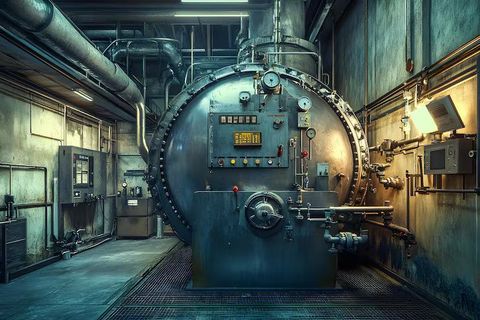
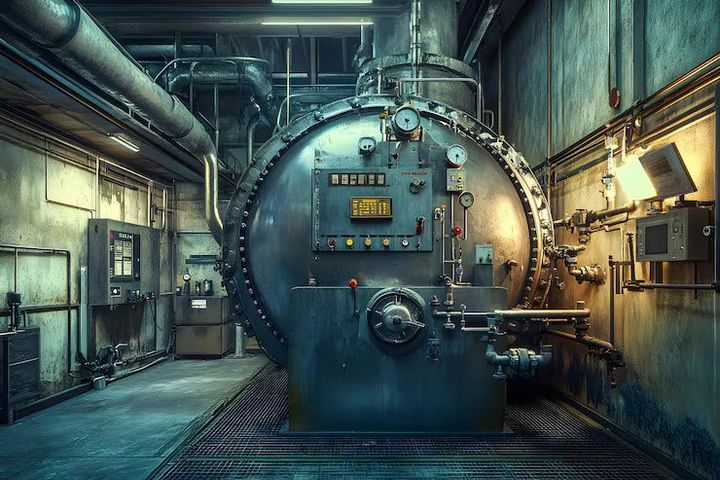
A boiler is more than a single pressure vessel. A complete system can include the boiler, burner or combustion equipment, feedwater equipment, pumps, controls, safety devices, water-treatment equipment, steam piping, and flue-gas equipment.
Industrial boilers are used in many sectors because steam provides a convenient way to transfer and control heat. Industries such as food processing, textiles, chemicals, pharmaceuticals, paper, sugar, refineries, and manufacturing can use steam at different stages of production.
How an Industrial Boiler Works
The basic operating process follows a straightforward sequence.
Water enters the system: Feedwater is supplied to the boiler after appropriate treatment.
Heat is generated: Fuel combustion or another heat source produces thermal energy.
Heat reaches the water: Heat moves through boiler heating surfaces and raises the water temperature.
Steam is produced: Depending on the design and operating pressure, water changes into steam.
Steam is distributed: Steam travels through piping toward the equipment or process requiring heat.
Condensate returns: After giving up heat, steam can condense into water and may return to the boiler system.
Flue gas is managed: Combustion gases pass through appropriate heat-transfer and emission-control equipment before leaving through the stack.
Common Boiler Types
Fire-tube boilers send hot combustion gases through tubes surrounded by water. They are commonly used for relatively moderate steam requirements.
Water-tube boilers send water through tubes while hot gases surround the tubes. They are suitable for higher pressures and larger steam-generation requirements.
Electric boilers use electrical energy to heat water rather than directly burning fuel.
Biomass boilers use organic materials such as agricultural residues or wood-based fuels as an energy source.
Fluidized-bed boilers suspend solid fuel particles in an upward-moving stream of air. This arrangement supports combustion of certain solid fuels and can provide flexibility in fuel handling.
Waste-heat boilers recover heat from another industrial process and use it to generate steam or hot water.
Importance
Supplying Process Heat
Many industrial processes require controlled heat. Steam can transfer heat efficiently through heat exchangers, jackets, coils, dryers, and other equipment.
For example, a food-processing plant may use steam to heat cooking vessels, while a textile facility may use steam in selected dyeing or finishing processes.
Supporting Electricity Generation
Some large industrial facilities use boilers to produce high-pressure steam that drives a turbine connected to an electrical generator.
In a combined heat and power arrangement, steam can contribute to both electricity production and industrial heating requirements.
Maintaining Process Conditions
Industrial production often requires stable temperatures. Boiler systems can provide a controlled source of thermal energy that can be distributed to several areas of a plant.
The required steam pressure and temperature depend on the specific industrial process.
Supporting Multiple Industries
Industrial Boiler Systems are used across diverse sectors, including:
Food processing: Heating, cooking, sterilization, and drying.
Textiles: Dyeing, finishing, and selected fabric-processing activities.
Paper manufacturing: Pulp processing and paper drying.
Chemical production: Heating reactors and process materials.
Pharmaceutical manufacturing: Selected heating and sterilization applications.
Sugar processing: Juice concentration and other heat-intensive processes.
Petroleum refining: Process heating and steam generation.
Manufacturing: Heating, cleaning, drying, and production processes.
Important System Characteristics
| System Element | Main Function | Example |
|---|---|---|
| Boiler vessel | Transfers heat to water | Steam generation |
| Burner | Generates combustion heat | Gas or liquid fuel |
| Furnace | Provides combustion space | Solid-fuel boiler |
| Feedwater pump | Moves water into boiler | Water circulation |
| Economizer | Recovers heat for feedwater | Efficiency improvement |
| Superheater | Raises steam temperature | High-pressure steam |
| Safety valve | Releases excess pressure | Pressure protection |
| Control system | Monitors operation | Automated control |
| Stack | Discharges flue gases | Exhaust management |
Recent Updates
Modernization of Indian Boiler Regulations
A major recent development in India is the Boilers Act, 2025, which became operational on 1 May 2025. The legislation replaced the century-old Boilers Act, 1923 and updated the regulatory framework concerning boiler safety, inspection, competent persons, and related requirements.
The updated framework retains a strong focus on protecting people and property while introducing revised provisions intended to reflect current industrial conditions.
High-Capacity Boiler Monitoring
In 2026, the Government of India issued an advisory concerning temporary extensions of boiler certificates for certain high-capacity boilers, including boilers of 100 tonnes per hour or more, subject to operating-parameter verification and external inspection by competent persons. The advisory also addressed selected high-capacity equipment in oil, gas, refinery, petrochemical, and fertilizer facilities.
This development highlights the continuing importance of inspection and operating-condition verification for large boiler installations.
Fuel Diversification
Industrial facilities are also examining different fuel options. Recent government measures have encouraged diversification in fuel use across industrial sectors.
Depending on plant design, available fuel, emissions requirements, and local conditions, boilers can operate with fuels such as natural gas, liquid fuels, coal, biomass, or selected alternative fuels.
Improved Automation
Modern boiler controls can continuously monitor parameters such as pressure, temperature, water level, combustion conditions, fuel flow, and oxygen levels.
Automated control systems can adjust selected operating parameters according to changing steam demand. Alarms and protective shutdown functions can also respond to abnormal operating conditions.
Heat Recovery
Energy recovery equipment is increasingly incorporated into boiler installations. An economizer can use heat from exhaust gases to preheat feedwater, while an air preheater can transfer heat to combustion air.
These arrangements can reduce the amount of additional energy required to achieve the desired operating conditions.
Emission Monitoring
Environmental control remains an important part of industrial boiler operation. Indian environmental requirements include emission standards for industrial boilers, with requirements varying according to fuel and industrial application. CPCB documentation includes limits and monitoring provisions covering pollutants such as particulate matter, sulfur dioxide, and nitrogen oxides.
Some facilities may also require continuous emission monitoring or other monitoring arrangements depending on the applicable environmental requirements.
Laws or Policies
Boilers Act, 2025
The Boilers Act, 2025 is now the central Indian legislation governing the safety-related regulatory framework for boilers. It addresses matters including boiler registration, inspection, certification, competent authorities, and responsibilities associated with boiler operation and manufacturing.
The law is particularly important because boilers operate under pressure and can contain substantial stored energy.
Inspection and Certification
Industrial boilers require appropriate inspection and certification according to applicable rules and regulations. The framework includes roles for competent persons and inspecting authorities.
The exact inspection process depends on factors such as boiler capacity, design, location, operating conditions, and applicable state or central requirements.
State-Level Administration
Boiler regulation involves central legislation as well as implementation through relevant state authorities. Industrial facilities therefore need to consider the requirements applicable in the state where the boiler is installed.
Documentation, registration, inspection schedules, certificates, and operating procedures should correspond with the applicable regulatory framework.
Environmental Requirements
Boiler operation can produce particulate matter and gaseous emissions. Environmental requirements are therefore an important part of plant planning and operation.
CPCB maintains environmental standards and technical material covering industrial boilers. Requirements can differ according to fuel type, boiler capacity, industrial sector, and local regulatory conditions.
Water Quality and Boiler Operation
Water entering a boiler normally requires appropriate treatment because dissolved minerals and impurities can create scale, corrosion, or other operational problems.
Water-treatment arrangements can include filtration, softening, demineralization, deaeration, and chemical conditioning depending on the boiler design and feedwater characteristics.
Tools and Resources
Boiler Efficiency Monitoring
Industrial facilities can monitor fuel consumption, steam production, flue-gas temperature, oxygen concentration, and other operating parameters to understand boiler performance.
Regular measurement helps identify changes that may require inspection, adjustment, or maintenance.
Water-Treatment Systems
Boiler-feedwater systems can include softeners, reverse-osmosis equipment, demineralization units, deaerators, and chemical-dosing systems.
The appropriate arrangement depends on raw-water characteristics and boiler requirements.
Combustion Analyzers
Combustion analyzers measure selected flue-gas parameters such as oxygen and carbon dioxide. They can help operators evaluate combustion conditions and identify changes in burner operation.
Boiler Control Systems
Distributed control systems, programmable logic controllers, and dedicated boiler-management systems can monitor operating parameters and coordinate burners, pumps, valves, alarms, and safety functions.
Heat-Recovery Equipment
Economizers, air preheaters, condensate-recovery systems, and other heat-recovery equipment can capture useful thermal energy that would otherwise leave the process.
Regulatory Resources
Government and regulatory resources provide information about boiler legislation, inspection requirements, environmental standards, and technical requirements.
For Indian facilities, the current Boilers Act framework, relevant state boiler authorities, CPCB material, and applicable environmental permissions should be considered together when planning or operating an industrial boiler system.
FAQs
What are Industrial Boiler Systems?
Industrial Boiler Systems are arrangements used to generate steam or hot water for industrial heating, processing, electricity generation, drying, sterilization, and other applications.
What are the main types of industrial boilers?
Common types include fire-tube, water-tube, electric, biomass, fluidized-bed, and waste-heat boilers. The appropriate type depends on pressure, capacity, fuel, process requirements, and plant configuration.
What components are included in an industrial boiler system?
Important components can include the boiler vessel, burner or furnace, feedwater pump, safety valves, economizer, superheater, control system, water-treatment equipment, steam piping, and flue-gas equipment.
Why is water treatment important for industrial boilers?
Water treatment helps control dissolved minerals and impurities that can contribute to scale, corrosion, deposits, and other operating problems. Treatment requirements depend on water quality and boiler design.
What laws govern industrial boilers in India?
The Boilers Act, 2025 provides the central legislative framework for boiler safety in India. Applicable rules, regulations, state-level requirements, inspection procedures, and environmental requirements also need to be considered.
Conclusion
Industrial Boiler Systems provide controlled steam or hot water for heating, processing, drying, sterilization, and electricity-related applications across many industries. Their operation depends on interconnected equipment such as burners, pressure vessels, pumps, controls, heat-recovery equipment, water-treatment systems, and emission-control arrangements. Recent developments in India include the Boilers Act, 2025, updated inspection practices, fuel diversification, automation, heat recovery, and stronger attention to environmental monitoring. Understanding boiler types, components, applications, and regulatory requirements helps explain how these systems function within modern industrial facilities.