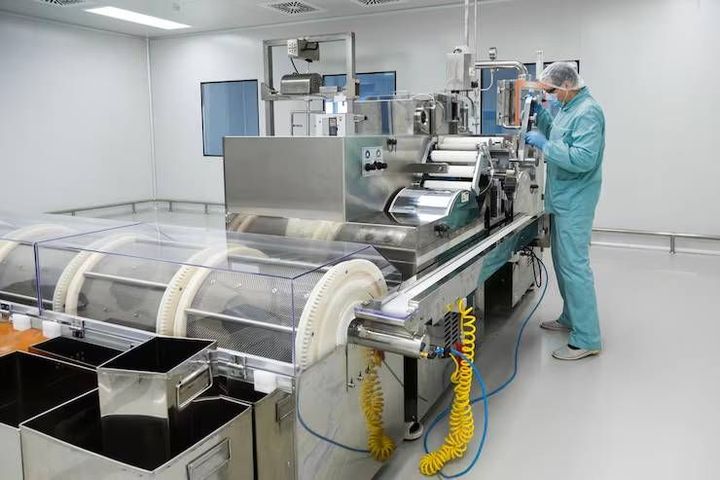
Glass Tempering Machines: Guide to Technology, Components, and Glass Processing
Glass Tempering Machines are industrial systems used to heat and rapidly cool glass so that its surface develops compressive stress and the glass becomes stronger and more resistant to thermal and mechanical loads. The process is commonly known as thermal tempering or toughening.
A typical flat-glass tempering line moves prepared glass through a controlled heating section and then into a rapid air-cooling section called the quench. The controlled temperature cycle changes the internal stress pattern of the glass without changing its basic chemical composition.
Tempered glass is widely used in architecture, automobiles, furniture, appliances, shower enclosures, interior partitions, doors, and other applications where heat-treated glass is required.
One important characteristic is that glass must generally be cut, drilled, edged, notched, and otherwise fabricated before tempering. ASTM C1048-25 states that these fabrication operations are performed before heat treatment and that heat-treated glass cannot be cut afterward.
How Glass Tempering Works
The process normally follows several stages.
Loading: Prepared glass sheets are placed onto the machine's conveyor or loading system.
Heating: The glass enters a furnace where controlled heat raises it to the required processing temperature.
Transfer: The heated sheet moves rapidly from the furnace toward the quenching section.
Quenching: High-volume air jets cool the glass surfaces rapidly.
Stress formation: Faster cooling of the surfaces creates compressive stress near the surfaces while the interior develops balancing tensile stress.
Cooling and unloading: The tempered sheet continues through the line until it reaches a suitable temperature for handling and inspection.
The exact temperature, heating time, movement speed, and cooling conditions depend on glass type, thickness, dimensions, coatings, and the intended product specification.
Types of Tempering Machines
Horizontal tempering machines transport glass on horizontal rollers through the furnace and quench sections. They are widely used for flat architectural and industrial glass.
Vertical tempering systems suspend glass using gripping arrangements while it is heat-treated. This approach is associated with particular glass sizes and processing requirements.
Curved glass tempering machines heat and shape glass before controlled cooling to create curved products for selected architectural, automotive, and specialty applications.
Continuous tempering lines are designed for repeated processing of multiple sheets and can integrate loading, heating, quenching, inspection, and unloading functions.
Air-cushion systems use controlled air support in selected designs. EN 12150-1 identifies horizontal, air-cushion, and vertical processes as different approaches to thermally toughened glass production.
Importance
Improving Glass Strength
The tempering process creates a stress pattern that increases the mechanical strength and thermal resistance of glass compared with ordinary annealed glass.
The final properties depend on the glass composition, thickness, processing parameters, surface condition, and quality of the tempering cycle.
Supporting Safety Applications
Fully tempered glass has a characteristic fracture pattern. When properly manufactured and broken, it generally fractures into many smaller pieces rather than large sharp shards.
This characteristic is one reason thermally toughened glass is used in many architectural applications where safety glazing is required. Standards such as EN 12150-1 address fragmentation, flatness, edgework, and physical and mechanical characteristics.
Processing Different Glass Products
Modern machines can be configured for different glass thicknesses, sizes, coatings, and surface treatments.
Depending on the machine design, processors can work with clear, tinted, low-iron, coated, patterned, enamelled, and other suitable glass products.
However, not every glass type can be processed under identical conditions. Coatings and special surface treatments may require carefully controlled heating and cooling parameters.
Supporting Architectural and Industrial Applications
Tempered glass is used in numerous sectors.
Architecture: Facades, windows, doors, partitions, railings, and interior glazing.
Automotive: Selected vehicle glazing components and specialty glass products.
Furniture: Table surfaces, shelves, cabinets, and other interior applications.
Appliances: Doors, panels, shelves, and viewing surfaces in selected appliances.
Interior design: Shower enclosures, decorative partitions, display structures, and other glass installations.
Major Machine Components
| Component | Main Function | Processing Role |
|---|---|---|
| Loading system | Moves glass into the line | Initial handling |
| Ceramic rollers | Transport glass | Furnace movement |
| Heating elements | Generate controlled heat | Glass heating |
| Furnace insulation | Limits heat loss | Thermal control |
| Convection system | Circulates hot air | Heating uniformity |
| Quench system | Delivers cooling air | Rapid cooling |
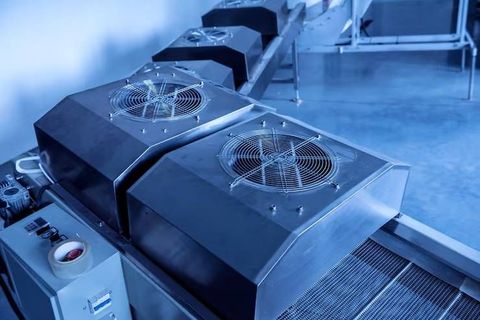
| Fans and ducts | Move cooling air | Quenching |
| Control system | Manages parameters | Process control |
| Sensors | Monitor conditions | Quality monitoring |
| Unloading system | Moves finished glass | Final handling |
Recent Updates
Automation in Glass Tempering
Automation is becoming an important part of modern glass processing. Current systems can integrate automatic loading, recipe management, production monitoring, process control, and inspection.
Recent industry developments have also introduced intelligent loading systems that arrange different glass sheets into furnace batches according to dimensions and process requirements. A 2026 industry report describes AI-based robotic loading as part of this shift toward automated furnace operation.
AI-Assisted Batch Planning
A tempering furnace can process multiple sheets in a batch, making the arrangement of glass on the furnace bed important for efficient operation.
AI-assisted software can analyze available sheets and create loading patterns according to dimensions, thickness, glass type, and processing requirements. This approach can help reduce unused furnace space and improve consistency in production planning.
Real-Time Quality Monitoring
Quality monitoring is also becoming more digitally connected. Scanner systems and optical inspection technologies can analyze characteristics such as surface conditions, optical distortion, and other quality indicators.
Industry reporting in 2025 highlighted automated scanning and dual-metric inspection as developments in flat-glass tempering quality control.
Energy Management
The quenching stage can require substantial electrical power because large volumes of air must be moved through fans and nozzles.
Research presented through the GPD glass-processing conference has examined methods for reducing energy consumption during air-jet quenching, particularly when processing thinner glass. One 2026 technical paper noted that the combined fan input in a tempering chiller can reach very high levels in certain configurations.
Modern furnace controls, improved insulation, optimized heating zones, variable-speed drives, and intelligent process control are among the technologies being explored to manage energy use.
Updated Glass Standards
ASTM C1048-25 is the current active ASTM specification for heat-strengthened and fully tempered flat glass. It covers coated and uncoated flat glass used in building construction and other applications.
ASTM has also maintained C1279-23, a non-destructive test method for measuring edge and surface stresses in annealed, heat-strengthened, and fully tempered flat glass.
These developments show that tempering technology is increasingly connected with automated control, measurement, energy management, and documented quality requirements.
Laws or Policies
International Standards
Glass tempering requirements differ by market, product type, and application. Manufacturers and processors commonly refer to recognized standards when establishing product specifications and quality procedures.
ASTM C1048-25 covers heat-strengthened and fully tempered flat glass used in general building construction. It also addresses fabrication conditions and product characteristics.
In Europe and markets using European standards, EN 12150 is an important reference for thermally toughened soda lime silicate safety glass. The standard addresses characteristics such as tolerances, flatness, edgework, fragmentation, and physical and mechanical properties.
Glass Safety Requirements
Building regulations may specify when safety glazing is required in doors, windows, partitions, shower areas, balustrades, and other locations.
The exact requirement depends on the country, building type, installation location, impact risk, and applicable construction regulations. Therefore, a tempering machine operator must consider the product specification and destination market rather than relying on one global rule.
Quality and Testing
Testing can include fragmentation assessment, dimensional inspection, surface-stress measurement, flatness evaluation, optical inspection, and other product-specific checks.
ASTM C1279-23 provides a non-destructive method for measuring surface and edge stresses in heat-treated flat glass.
Machine Safety
The machine itself also requires appropriate safeguards. Furnace sections contain high temperatures, while rollers, conveyors, fans, electrical equipment, pneumatic systems, and moving components can introduce mechanical and operational hazards.
Machine designers and operators therefore need appropriate guarding, emergency controls, electrical protection, thermal safeguards, maintenance procedures, and operator training according to the applicable jurisdiction.
Regional Requirements
Different markets may reference standards from organizations such as ASTM International, CEN, BSI, ISO, or national standards bodies.
For global glass processors, understanding the destination market is important because product specifications, conformity procedures, building regulations, and testing requirements can differ between regions.
Tools and Resources
Temperature Monitoring Systems
Thermocouples, infrared measurement systems, and other sensors can monitor furnace and glass-processing conditions. These tools help operators understand whether heating zones are operating within the intended process range.
Optical Inspection Systems
Optical scanners can detect selected visual and dimensional characteristics. Automated inspection can help identify patterns that may require further examination.
Stress Measurement Equipment
Photoelastic measurement instruments can assess surface and edge stresses in suitable glass products. ASTM C1279 provides a standardized non-destructive method for this type of measurement.
Furnace Control Software
Modern control systems can manage heating zones, roller speeds, convection settings, quench parameters, recipes, alarms, and production records.
Batch Planning Software
Digital batch-planning tools can organize glass sheets according to size, thickness, product type, and furnace capacity. Automated planning is increasingly being integrated with robotic loading systems.
Standards Databases
Standards organizations provide technical references for glass properties, testing, and product specifications. ASTM maintains standards covering flat glass, heat-treated glass, stress measurement, laminated glass, coatings, and related materials.
BSI provides information on EN 12150, including its scope for thermally toughened soda lime silicate safety glass used in buildings.
FAQs
What are Glass Tempering Machines?
Glass Tempering Machines are industrial systems that heat and rapidly cool glass under controlled conditions to create a stronger thermally toughened product with a specific internal stress pattern.
How do Glass Tempering Machines work?
Glass Tempering Machines heat prepared glass inside a controlled furnace and then rapidly cool its surfaces using air jets. The different cooling rates create compressive surface stress and balancing internal stress.
What are the main components of a glass tempering machine?
Major components include loading equipment, ceramic rollers, heating elements, furnace insulation, convection systems, cooling fans, quench nozzles, sensors, control systems, and unloading equipment.
Can glass be cut after tempering?
Generally, no. Fabrication such as cutting, drilling, edgework, and notching is normally completed before tempering. ASTM C1048-25 specifically states that heat-treated glass cannot be cut after tempering.
Which standards apply to tempered glass?
Requirements vary by market and application. ASTM C1048-25 is an important specification for heat-strengthened and fully tempered flat glass, while EN 12150 is widely referenced for thermally toughened soda lime silicate safety glass in European markets.
Conclusion
Glass Tempering Machines use controlled heating and rapid cooling to create thermally toughened glass with improved mechanical and thermal characteristics. Their main systems include furnaces, rollers, heating elements, convection equipment, quenching units, sensors, controls, and handling equipment. Recent developments are bringing greater automation, AI-assisted loading, optical inspection, digital process control, and energy-management technologies into glass processing. International standards such as ASTM C1048 and EN 12150 provide important references for product characteristics, testing, and quality requirements across different markets.