Aggregate Washing Equipment: Guide to Types, Components, and Practical Insights
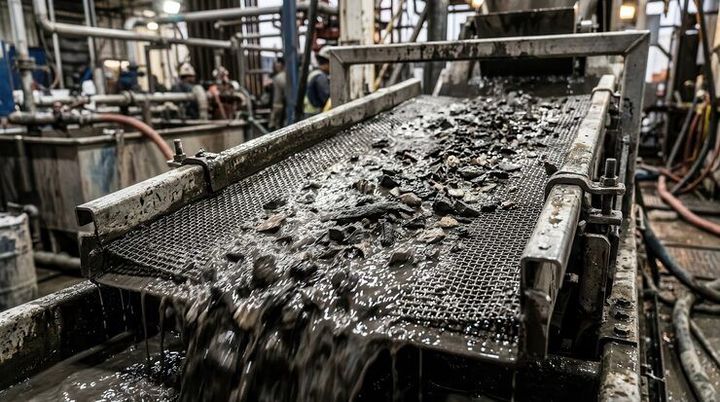
Aggregate Washing Equipment refers to machines and systems used to clean, classify, rinse, and dewater sand, gravel, crushed stone, and other aggregate materials. Washing can remove unwanted clay, silt, dust, organic matter, and other fine particles that may affect the characteristics of processed aggregate.
Aggregate washing is commonly used in quarries, sand and gravel operations, construction-material processing, mining, and recycling facilities. The equipment can be arranged as individual machines or combined into complete washing plants.
A typical washing system may include feeders, screens, scrubbers, log washers, sand washers, hydrocyclones, dewatering screens, pumps, tanks, thickeners, and filter presses. The exact arrangement depends on the incoming material, required product sizes, contamination levels, water availability, and desired output.
How Aggregate Washing Works
The basic process involves introducing water into a stream of aggregate material and using mechanical action, screening, classification, or centrifugal separation to remove unwanted particles.
A simplified process can include:
Feeding: Raw material enters the washing system through a hopper or feeder.
Screening: Screens separate material according to size and can remove oversized particles.
Scrubbing: Mechanical agitation separates clay, dirt, and other material attached to aggregate surfaces.
Rinsing: Water washes loose fines and contaminants from the aggregate.
Classification: Hydrocyclones, classification tanks, or other equipment separate particles according to size and density.
Dewatering: Washed material passes through dewatering equipment to remove excess water.
Water management: Process water can be collected, clarified, treated, and circulated through the plant.
Modern washing plants can combine several of these stages into modular systems. Terex, for example, describes complete aggregate washing systems covering materials such as natural sand and gravel, dredged materials, crushed-rock fines, and overburden.
Where Aggregate Washing Is Used
Aggregate washing is relevant to several material-processing applications.
Natural sand and gravel processing uses washing to remove clay, silt, and other unwanted material from deposits.
Crushed-rock processing can use washing to manage fines generated during crushing and screening.
Construction and demolition recycling can use wet processing to recover usable aggregate from mixed materials.
Manufactured sand processing can use classification and washing to control the amount of fine material in the final product.
Specialized mineral processing can also use washing and classification where material characteristics require wet separation.
Importance
Improving Aggregate Cleanliness
Raw aggregate can contain fine particles that are not desirable in a particular final product. Clay, silt, dust, and organic matter can affect material characteristics and may prevent the aggregate from meeting specified requirements.
Washing equipment creates a controlled process for separating these unwanted materials from the usable aggregate.
Supporting Product Classification
Aggregate products are often separated into specific particle-size ranges. Screens, hydrocyclones, classification tanks, and related equipment can help produce different fractions from the same feed material.
This allows a processing plant to organize material into separate product streams according to required specifications.
Recovering Fine Material
Very fine particles can be difficult to recover through conventional dry screening. Wet classification systems can separate fine sand from water and other suspended material.
Hydrocyclones use centrifugal forces to separate particles within a slurry. Some modern systems combine hydrocyclones with dewatering screens to recover and dewater sand.
Supporting Water Management
Water is a central part of wet aggregate processing. A washing plant therefore needs to manage both clean feed water and the water leaving the washing stages.
Modern systems may include settling tanks, thickeners, flocculant dosing, water-recovery equipment, and filter presses. These systems can reduce the amount of suspended material circulating in process water and support water recirculation.
Main Equipment Categories
| Equipment | Main Function | Typical Role |
|---|---|---|
| Feed hopper | Receives raw material | Initial feed |
| Washing screen | Rinses and separates material | Aggregate washing |
| Log washer | Scrubs contaminated aggregate | Clay and dirt removal |
| Rotary scrubber | Uses rotating action and water | Heavy-duty washing |
| Screw washer | Washes and transports material | Sand and fine aggregate |
| Hydrocyclone | Classifies fine particles | Sand separation |
| Dewatering screen | Removes excess water | Final material handling |
| Thickener | Concentrates suspended solids | Water management |
| Filter press | Separates solids from slurry | Sludge management |
Recent Updates
Modular Washing Plants
Modular designs are becoming increasingly important in aggregate processing. Instead of constructing every component as an independent installation, several stages can be combined on a common chassis or integrated plant arrangement.
Terex's AggreSand 165, for example, combines aggregate washing, screening, and sand processing within a modular plant. Its configuration can produce multiple washed aggregate and sand fractions.
Modular systems can be useful where installation flexibility, transportation, and changes in plant configuration are important considerations.
Improved Sand Classification
Fine-material processing has become increasingly sophisticated. Hydrocyclones can separate fine particles using centrifugal forces, while dewatering screens remove water from the recovered sand.
Current compact systems can combine collection tanks, slurry pumps, hydrocyclones, and dewatering screens in a single plant arrangement.
Greater Attention to Water Recovery
Water management has become an increasingly important part of aggregate washing. Instead of treating washing and water handling as completely separate activities, modern plants can integrate clarification and solids-management equipment into the overall process.
Recent washing-plant configurations include thickeners, flocculant dosing systems, clear-water tanks, and filter presses. Terex case-study documentation illustrates how these components can be integrated with crushing, screening, washing, and water-management equipment.
Advanced Fine-Material Recovery
Fine sand recovery has received increased attention because valuable material can otherwise leave the main process with wastewater or sludge.
Bucket-wheel classifiers, hydrocyclones, and fine-sand recovery systems can separate selected particle ranges from wet feed. Terex describes bucket-wheel equipment that removes silt, slime, and clay while recovering sand fractions.
More Compact Equipment
Compact washing units are being developed for operations where available space is limited. These systems combine multiple components into smaller arrangements rather than requiring each machine to occupy an independent area.
This trend is particularly relevant to smaller aggregate operations, recycling facilities, and sites where existing plant layouts need to be upgraded without major reconstruction.
Greater Focus on Process Efficiency
Current aggregate-washing development is also focused on reducing unnecessary water movement, improving material recovery, controlling energy consumption, and making equipment easier to monitor.
McLanahan's 2026 discussion of sand-washing equipment highlights the industry's increasing attention to precise material specifications, manufactured sand, water restrictions, closed-loop water systems, energy use, and material recovery.
Laws or Policies
Environmental Requirements Vary Worldwide
Aggregate washing is affected by environmental rules because the process uses water and produces wastewater containing suspended solids and fine material. Requirements differ significantly between countries, regions, mining areas, and individual sites.
Depending on location, an operator may need approvals covering water abstraction, wastewater discharge, mining activity, land use, dust, noise, waste handling, and environmental protection.
Water Discharge Controls
Many jurisdictions regulate the discharge of water containing suspended solids or other pollutants. Washing plants therefore commonly incorporate settling, clarification, filtration, or water-recirculation systems.
Operators should determine the discharge limits and permit requirements applicable to their specific location before designing a water-management system.
Mining and Quarry Regulations
Quarries and aggregate-processing sites may be regulated through mining, land-use, occupational-safety, environmental, and water-management legislation.
Requirements can apply to equipment operation, worker protection, excavation, dust control, noise, water use, waste management, and site restoration.
India
In India, the Central Pollution Control Board has published environmental guidelines for stone-crushing units covering areas such as dust control and environmental management. Separate CPCB guidance concerning silica sand mining and washing plants addresses environmental management practices and refers to applicable crushing-unit requirements.
These documents illustrate how aggregate-related activities can be subject to environmental controls concerning air emissions, water, land management, and worker protection.
Europe, North America, and Other Regions
In Europe, aggregate operations may be subject to national environmental legislation alongside regional water, waste, mining, and industrial requirements.
In the United States, requirements can involve federal, state, and local environmental authorities, with rules potentially covering stormwater, wastewater, air emissions, mining activity, and land management.
Other countries apply their own combinations of environmental permits, water regulations, quarrying rules, and occupational-safety requirements. Therefore, a washing plant should be designed around the regulations of its actual operating location rather than relying on one universal legal framework.
Tools and Resources
Washing-Plant Process Diagrams
Process-flow diagrams help engineers and operators understand the movement of aggregate and water through a washing plant.
A basic diagram may show:
Raw Feed → Screening → Scrubbing → Washing → Classification → Dewatering → Stockpiling
A separate water pathway can show:
Wash Water → Collection → Clarification → Solids Separation → Recovered Water → Washing Process
Material Testing
Laboratory testing can determine particle-size distribution, clay content, moisture, density, and other characteristics of the feed material.
Testing the incoming material is useful because two deposits can require different washing arrangements even when they appear similar visually.
Water-Quality Monitoring
Water-monitoring equipment can be used to evaluate parameters such as suspended solids and other characteristics relevant to local environmental requirements.
Regular monitoring can help operators understand whether the water-management system is functioning as intended.
Hydrocyclone Calculators and Process Data
Hydrocyclone performance depends on factors such as feed pressure, solids concentration, particle size, slurry characteristics, and equipment geometry.
Manufacturers and engineering resources may provide technical calculators, sizing information, and process data for preliminary system evaluation.
Equipment Specification Sheets
Technical specification documents provide information about throughput, dimensions, screen area, pump requirements, material limits, and configuration options.
These documents are useful when comparing different plant arrangements or checking whether equipment matches the characteristics of a particular feed material.
Water-Recovery Equipment
Thickeners, filter presses, slurry pumps, clarification tanks, and fines-recovery equipment can form part of an integrated water-management system. McLanahan identifies equipment such as hydrocyclones, dewatering screens, slurry pumps, thickeners, and filter presses within aggregate washing and classification systems.
FAQs
What is Aggregate Washing Equipment?
Aggregate Washing Equipment consists of machines used to wash, scrub, classify, separate, and dewater sand, gravel, crushed stone, and related aggregate materials.
Why is aggregate washing important?
Aggregate washing can remove clay, silt, dust, and other unwanted fine material from aggregate. It can also help separate material into specified particle-size ranges.
What types of Aggregate Washing Equipment are commonly used?
Common equipment includes washing screens, log washers, rotary scrubbers, screw washers, hydrocyclones, bucket wheels, dewatering screens, slurry pumps, thickeners, and filter presses.
How does an aggregate washing plant work?
An aggregate washing plant generally feeds raw material into screening and washing stages, uses mechanical action and water to remove unwanted material, classifies the washed particles, and then dewaters the final products.
How is water managed in an aggregate washing plant?
Water can be collected after washing and passed through clarification, thickening, solids separation, or filtration stages. Depending on local requirements and plant design, recovered water may be circulated back into the washing process.
Conclusion
Aggregate Washing Equipment plays an important role in processing sand, gravel, crushed stone, and recycled aggregate materials. Different machines perform washing, scrubbing, classification, dewatering, and water-management functions within an integrated processing system. Recent developments are emphasizing modular plant designs, fine-material recovery, improved classification, water recycling, and more integrated process control. Because environmental and water requirements differ worldwide, washing plants need to be designed around the characteristics of the material, processing objectives, site conditions, and applicable local regulations.