World Cruise Luxury Itineraries: Discover Extended Ocean Travel Experiences
World cruise luxury itineraries combine extended ocean travel with multiple countries, diverse cultures, scenic destinations, and refined onboard experiences. Longer voyages are increasingly incorporating slower travel, extended port stays, regional exploration, and immersive shore experiences.
Context
Understanding World Cruise Luxury Itineraries
World cruise luxury itineraries are extended ocean journeys that connect multiple regions and countries within one continuous voyage. These journeys can last several months and may visit dozens of ports across different continents.
Unlike a conventional cruise that focuses on one region, a world cruise can connect destinations across the Mediterranean, Middle East, Asia, Australia, the Pacific, North America, South America, and other regions. The ship becomes a long-term base while travelers explore different cultures and landscapes along the route.
In 2026, world cruises are generally being described as extended voyages lasting roughly 80 to 187 days in industry travel reporting. Recent booking data indicates that demand for these longer journeys has increased, while cruise operators are also developing alternative routes and more destination-focused itineraries.
The Structure of an Extended Ocean Journey
A world cruise itinerary is usually divided into regional sections. Travelers may spend several weeks moving through one geographical area before continuing toward another part of the world.
A typical journey can include major cities, island destinations, historic ports, coastal regions, and smaller destinations. Some itineraries also incorporate overland excursions or extended stays that allow travelers to explore areas farther inland.
The length of the journey means that planning involves more than choosing individual ports. Travelers need to consider seasons, visa requirements, personal schedules, luggage, health arrangements, travel documents, communication, and the rhythm of life onboard.
Importance
Broader Geographic Exploration
One of the main attractions of a world cruise is the ability to connect numerous destinations within one extended journey. Instead of repeatedly arranging flights between regions, travelers can use the ship as a continuous base while moving between ports.
This approach can create a more gradual travel experience. A single itinerary may move from European cultural centers to Asian ports, Pacific islands, Australian cities, and destinations in the Americas.
Longer Stays and Slower Travel
Cruise trends in 2026 show increasing interest in slower itineraries rather than rapidly moving from one port to another. Some cruise operators are adding overnight or extended port stays so travelers have more time to experience local culture, dining, entertainment, and evening activities.
For luxury world cruises, this approach can make the journey feel less like a checklist of destinations. Travelers can spend more time exploring individual locations before returning to the ship.
Onboard Living
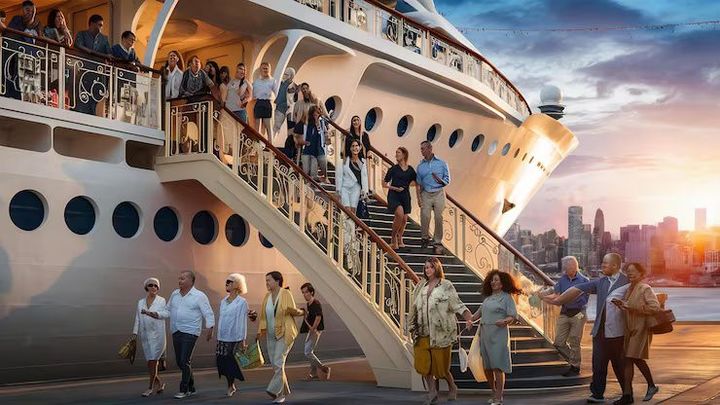
An extended cruise requires the ship to function as more than transportation. Dining, accommodation, recreation, wellness, entertainment, social areas, libraries, fitness facilities, and enrichment programs can become part of everyday life.
Travelers should therefore evaluate the overall onboard environment as carefully as the destinations. On a voyage lasting several months, the quality and variety of daily activities can significantly influence the experience.
Cultural Experiences
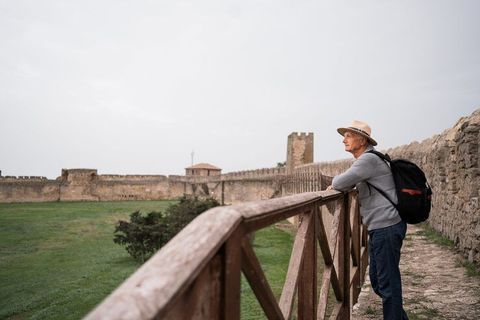
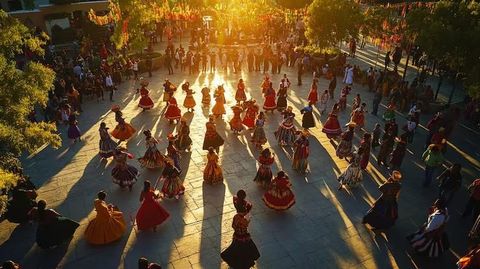
Long itineraries provide opportunities to experience a wide range of cultures. Shore excursions can include historical sites, museums, local markets, culinary activities, natural landscapes, and cultural events.
Current cruise trends indicate increasing interest in smaller-group and more immersive experiences rather than simply visiting famous landmarks. National Geographic's 2026 cruise trend coverage highlights stronger interest in local culture, food, meaningful connections, and specialized experiences.
Recent Updates
Growth in World Cruise Bookings
Recent 2026 industry reporting indicates that world cruise bookings increased by more than 20% year over year according to Pavlus Travel & Cruise. The agency defines typical world cruises in its reporting as journeys lasting approximately 80 to 187 days.
This growth is occurring alongside a broader interest in longer cruise journeys. Luxury cruise travelers are increasingly selecting extended itineraries or combining multiple sailings into back-to-back journeys.
New World Cruise Routes
World cruise routes have traditionally followed broad east-to-west or west-to-east patterns. Recent geopolitical conditions have encouraged cruise operators to develop alternative routes, including Pacific loops and itineraries that incorporate Australia more extensively.
Route flexibility is becoming increasingly important because cruise itineraries can be affected by regional security conditions, port availability, weather, regulations, and operational considerations.
Extended Ocean Travel
A major development in 2026 is the continued expansion of extremely long voyages. In September 2026, a 371-day cruise began from Rome, visiting more than 220 ports across 62 countries and six continents. The voyage demonstrates how extended ocean travel is expanding beyond traditional multi-month world cruises.
These journeys represent a particularly extended form of slow travel, allowing passengers to experience multiple geographic regions while maintaining one continuous travel arrangement.
Luxury Cruising Becomes More Experiential
Luxury cruising is increasingly incorporating smaller vessels, destination-focused experiences, wellness programs, culinary activities, expedition travel, and personalized onboard environments.
Current luxury cruise coverage also highlights the arrival of hotel-associated cruise concepts and continued development of smaller high-end vessels.
The result is a wider range of luxury ocean experiences, from traditional world cruises to expedition-oriented and boutique-style voyages.
Laws or Policies
Passport and Visa Requirements
World cruise travelers may need to meet entry requirements for numerous countries during one journey. Passport validity, visas, electronic travel authorizations, vaccination requirements, transit rules, and other entry conditions can differ between destinations.
Travelers should review the official requirements for every country included in their itinerary and allow sufficient time for documentation.
Port and Maritime Regulations
Cruise ships operate under maritime regulations that cover navigation, passenger safety, environmental protection, port operations, and other areas.
Requirements can differ depending on the vessel's flag state, destination port, and local regulations. Travelers should follow instructions provided by the cruise operator and port authorities.
Environmental Considerations
Extended cruises involve travel through multiple marine environments and ports. Cruise operators therefore face environmental requirements involving waste management, emissions, fuel use, water management, and protection of sensitive destinations.
Travelers interested in responsible cruising can review the environmental policies and practices associated with their chosen itinerary.
Destination-Specific Entry Rules
A world cruise can involve many different immigration systems. Some destinations may require advance documentation even when travelers are visiting as cruise passengers.
Because requirements can change, travelers should verify the latest information through official government or consular resources before departure.
Tools and Resources
World Cruise Itinerary Maps
Interactive maps can help travelers understand the geographical structure of a long voyage. Reviewing the complete route makes it easier to identify climate zones, major regional transitions, and potential overland extensions.
Cruise Planning Documents
A detailed travel folder can include the itinerary, passport information, visa records, accommodation details, shore excursion confirmations, emergency contacts, insurance documentation, and transportation arrangements.
Digital copies can provide additional access while printed copies can be useful when internet connectivity is limited.
Destination Research
Travelers can research each port through official tourism boards, museums, cultural organizations, national parks, and destination authorities. Research can help distinguish between major attractions and experiences that require advance planning.
Personal Travel Planning
Long voyages require consideration of clothing, medications, communication arrangements, financial access, luggage, technology, and personal schedules.
Because the journey can span different climates, travelers may need clothing and equipment appropriate for both tropical and cooler destinations.
| Planning Area | Key Considerations |
|---|---|
| Itinerary | Voyage duration, regions, ports and sea days |
| Documentation | Passport, visas and entry requirements |
| Accommodation | Cabin type, storage and onboard facilities |
| Shore Time | Excursions, overnight stays and local activities |
| Climate | Seasonal conditions across multiple regions |
| Health | Medication, travel health planning and records |
| Communication | Internet access and international connectivity |
| Finances | Payment methods and multiple currencies |
| Luggage | Clothing and equipment for different climates |
| Insurance | Travel and cruise-related coverage |
FAQs
What are world cruise luxury itineraries?
World cruise luxury itineraries are extended ocean journeys that connect multiple regions and countries within one continuous voyage. They can last several months and include numerous ports across multiple continents.
How long do world cruises usually last?
World cruises can vary considerably in length. Current industry reporting commonly describes world cruises as voyages lasting approximately 80 to 187 days, while some newer extended journeys go considerably beyond that range.
What destinations can be included in a world cruise?
Depending on the itinerary, a world cruise may include Europe, Asia, Australia, the Pacific, North America, South America, Africa, and other regions. The exact route depends on the cruise operator and sailing year.
Why are longer port stays becoming more common?
Longer port stays give travelers additional time to experience local culture, dining, attractions, and evening activities. The 2026 cruise market is showing greater interest in slower and more immersive travel rather than rapid port-to-port schedules.
What should travelers consider before an extended ocean journey?
Travelers should review the complete itinerary, passport and visa requirements, climate conditions, onboard environment, health planning, insurance, luggage needs, shore excursions, and the practical requirements of spending several months at sea.
Conclusion
World cruise luxury itineraries provide an extended way to explore multiple regions while maintaining one continuous ocean journey. Current 2026 trends show increasing interest in longer voyages, alternative world-cruise routes, slower travel, extended port stays, and more immersive destination experiences. Careful planning is particularly important because a multi-month journey involves numerous destinations, travel requirements, climates, and daily routines. For travelers seeking extended ocean exploration, world cruises represent a distinctive combination of international discovery and life at sea.