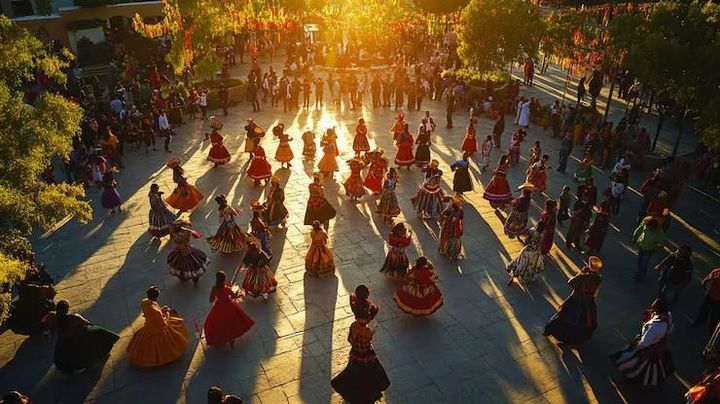
Cultural Immersion Experiences: Explore Heritage, Community Life, and Traditional Practices
Cultural immersion experiences are forms of travel that encourage people to understand a destination through its traditions, history, language, food, arts, customs, and everyday community life.
Instead of focusing only on famous attractions, cultural immersion involves learning how local people live and how traditions have developed over time.
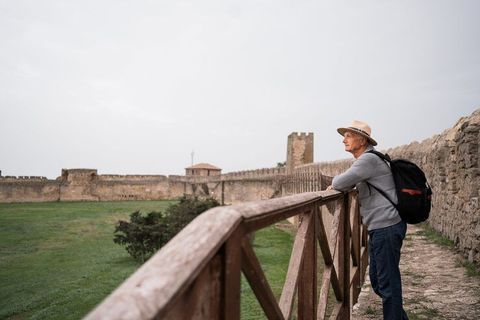
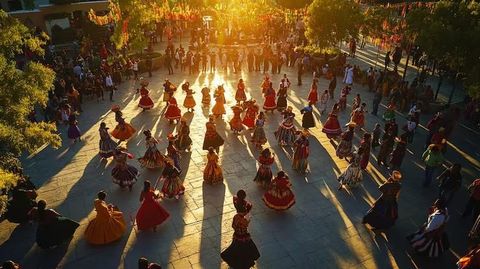
These experiences can include participating in traditional festivals, visiting heritage sites, learning regional crafts, exploring local cuisine, attending cultural performances, or spending time in communities while following appropriate local customs.
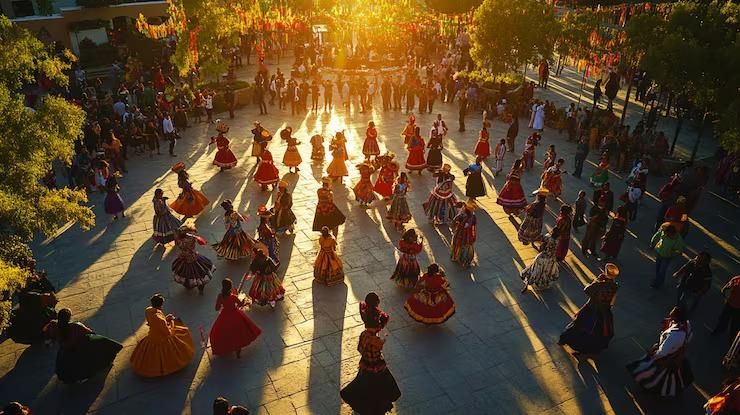
Cultural immersion exists because travel can be more meaningful when visitors understand the cultural background of the places they visit. It also creates opportunities for intercultural learning and can encourage greater respect for cultural heritage.
Why Cultural Immersion Matters Today
International and domestic travel bring people from different cultural backgrounds into closer contact. Cultural immersion can help visitors develop a better understanding of communities while reducing assumptions based on limited or stereotypical information.
For local communities, responsible cultural tourism can contribute to the preservation of traditions, languages, crafts, historic places, and cultural knowledge. However, cultural experiences need to be approached carefully because traditions can be sensitive, sacred, or closely connected to community identity.
Cultural immersion can be particularly relevant to:
- International and domestic travelers
- Students and researchers
- Families exploring historical destinations
- Heritage and history enthusiasts
- Educational travel groups
- Communities preserving traditional practices
- Museums, cultural institutions, and heritage organizations
The main problems it can help address include cultural misunderstanding, superficial tourism, loss of traditional knowledge, and limited awareness of local heritage.
| Cultural Area | Example of Immersion | Learning Focus |
|---|---|---|
| Food | Regional cooking traditions | Ingredients and food history |
| Language | Basic local phrases | Communication and culture |
| Arts | Traditional crafts | Techniques and heritage |
| Festivals | Community celebrations | Customs and beliefs |
| History | Heritage locations | Historical development |
| Music | Traditional performances | Cultural expression |
Cultural immersion should not mean treating communities as attractions. Respect, consent, accurate information, and appropriate behavior are important parts of responsible participation.
Recent Trends and Developments
Cultural tourism has increasingly been connected with heritage preservation, responsible travel, community participation, and sustainable tourism. In the past year, tourism organizations and destinations have continued to emphasize experiences that connect visitors with local culture while protecting heritage and community interests.
In 2025 and 2026, several broader travel trends have influenced cultural immersion. Travelers have shown continued interest in authentic local food, traditional crafts, historical neighborhoods, cultural festivals, and experiences that provide greater understanding of local communities.
Digital technology has also changed how people discover cultural destinations. Online maps, museum applications, digital archives, virtual tours, translation tools, and destination websites can help travelers learn basic cultural information before visiting.
Artificial intelligence is increasingly being used to support travel planning and translation. However, automated information should be checked against reliable cultural institutions because AI-generated descriptions can sometimes simplify or inaccurately represent traditions.
Another important trend is the growing focus on sustainable and community-centered tourism. Cultural heritage organizations increasingly recognize that tourism should support preservation rather than contribute to damage, overcrowding, or inappropriate commercialization of cultural practices.
Cultural Immersion and Responsible Tourism
Responsible cultural immersion begins before a traveler reaches a destination. Basic research can help visitors understand expected behavior, clothing customs, photography rules, religious practices, and appropriate ways to interact with communities.
Useful practices include:
- Learning a few common local words or greetings.
- Reading about local history and cultural traditions.
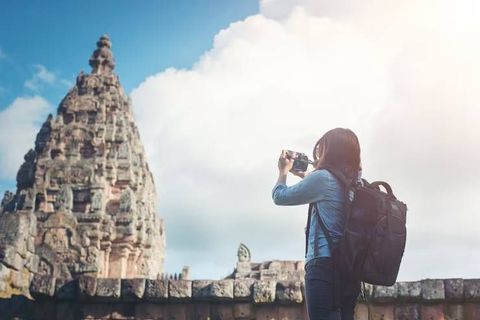
- Asking permission before photographing people.
- Following rules at religious and heritage locations.
- Respecting restrictions around sacred objects or ceremonies.
- Avoiding assumptions about local communities.
- Choosing information from recognized cultural institutions.
- Listening to community members rather than treating traditions as entertainment.
Cultural exchange works best when visitors approach unfamiliar practices with curiosity rather than judgment.
Laws, Policies, and Government Programs
Cultural immersion is affected by laws and policies concerning heritage conservation, protected monuments, religious sites, museums, archaeological locations, photography, public behavior, and tourism management. Exact rules differ considerably between countries and even between individual cultural sites.
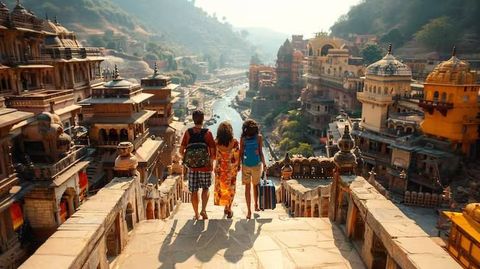
In India, cultural heritage is supported through national legislation and government institutions. The Ancient Monuments and Archaeological Sites and Remains Act, 1958 provides a legal framework for the protection and preservation of certain ancient monuments and archaeological sites.
The Ministry of Culture, Government of India, also supports museums, cultural institutions, performing arts, heritage conservation, and programs connected with India's cultural heritage.
The Ministry of Tourism promotes responsible and sustainable tourism through national tourism policies and programs. Government initiatives related to heritage destinations can influence how visitors access historic and cultural locations.
At individual sites, visitors may encounter additional rules concerning:
- Photography and video recording
- Entry into restricted areas
- Protection of monuments and archaeological remains
- Religious or ceremonial conduct
- Use of drones
- Preservation of artifacts
- Waste management
- Large-group movement
Travelers should check the official rules of the destination before visiting because regulations can change according to location and site requirements.
Helpful Tools and Resources
Several digital resources can make cultural research easier and improve preparation for a visit.
Google Arts & Culture: Provides digital access to collections, artworks, museums, heritage information, and cultural projects from institutions around the world.
UNESCO World Heritage Centre: Provides information about internationally recognized cultural and natural heritage sites, their significance, and conservation.
Government cultural portals: National and regional cultural departments can provide information about museums, monuments, festivals, heritage programs, and regulations.
Museum websites and digital collections: Many museums publish collection databases, exhibition information, educational materials, and virtual resources.
Translation applications: Translation tools can help travelers understand basic phrases and communicate across languages, although translations should not replace professional interpretation for sensitive or complex cultural matters.
Digital maps: Mapping applications can help identify museums, heritage districts, cultural landmarks, public transportation, and visitor information centers.
Travel preparation checklist:
- Destination history reviewed
- Local customs researched
- Appropriate clothing considered
- Photography rules checked
- Religious-site etiquette understood
- Important local phrases learned
- Official heritage information consulted
- Emergency and local authority information saved
Frequently Asked Questions
What is a cultural immersion experience?
A cultural immersion experience involves learning about and respectfully engaging with the traditions, history, language, food, arts, customs, or everyday life of a local community.
How is cultural immersion different from ordinary sightseeing?
Ordinary sightseeing often focuses on visiting attractions, while cultural immersion places greater emphasis on understanding the people, history, traditions, and social context connected with a destination.
How can travelers participate respectfully?
Travelers can research local customs, follow site rules, ask permission before photographing people, respect religious practices, and avoid treating sensitive cultural traditions as entertainment.
Can cultural immersion help preserve traditions?
It can contribute to awareness and appreciation of cultural heritage. When managed responsibly, tourism can support preservation activities and encourage interest in traditional arts, languages, crafts, and historical knowledge. Poorly managed tourism, however, can also create cultural and environmental pressures.
Are cultural immersion experiences suitable for families and students?
Yes. Museums, heritage sites, cultural workshops, historical locations, food traditions, and local language activities can provide educational opportunities for different age groups. The suitability of an activity depends on local rules and the nature of the cultural practice.
Conclusion
Cultural immersion experiences provide a way to understand destinations beyond their major attractions. By learning about local history, traditions, language, food, arts, and community life, travelers can develop a deeper understanding of cultural diversity.
Responsible participation is particularly important. Cultural traditions should be approached with respect, accurate information, and awareness of community boundaries. Government heritage laws, conservation programs, museums, and cultural institutions also play an important role in protecting cultural resources.