Historical City Walks: Heritage Tourism Guide for India
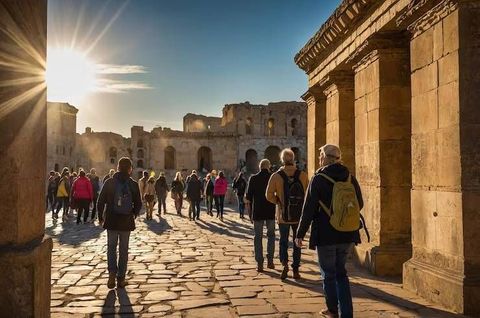
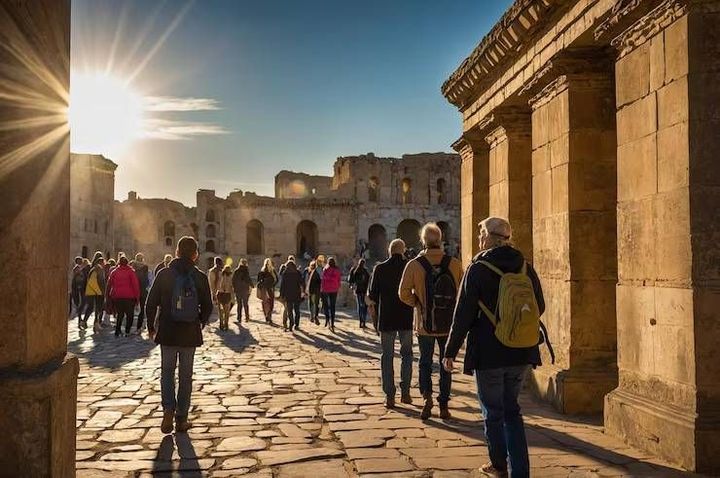
Historical city walks are walking routes through older parts of a city where streets, buildings, monuments, markets, religious structures, public spaces, and neighbourhoods reveal aspects of the past.
Instead of viewing history only through museums or individual monuments, a city walk connects several places within their wider urban setting.
Many Indian cities have developed over centuries. Their streets can contain evidence of different dynasties, trading communities, religious traditions, architectural styles, crafts, and social practices. Cities such as Ahmedabad, Jaipur, Delhi, Mumbai, Hyderabad, Lucknow, Kolkata, Pune, and Varanasi contain historic areas that can be explored on foot.
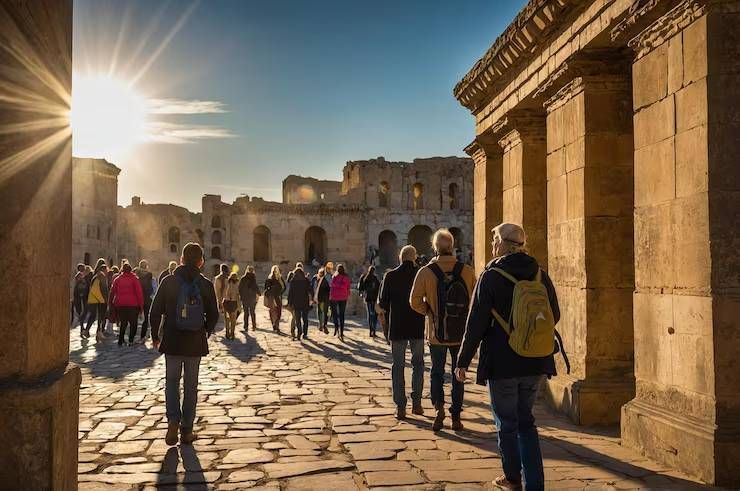
The idea exists because historical places are not always isolated buildings. A fort, market, temple, mosque, haveli, gateway, stepwell, or traditional residential area may have developed as part of a larger urban system.
For example, the historic city of Ahmedabad contains traditional pol neighbourhoods, gates, religious buildings, public spaces, and timber houses. UNESCO describes its historic urban fabric as an important combination of architecture, community life, cultural traditions, and urban planning.
A historical city walk therefore provides a simple way to understand how a city changed over time while continuing to function as a living community.
Why Historical City Walks Matter Today
Historical city walks are relevant to residents, domestic travellers, international visitors, students, researchers, photographers, architecture enthusiasts, and families interested in cultural learning.
One important benefit is context. Reading about a monument may explain when it was constructed, but walking through surrounding streets can show how the monument was connected to markets, homes, places of worship, transportation routes, and public spaces.
Historical walks can also support heritage awareness. When people understand why a building or neighbourhood matters, they may become more conscious of preservation, responsible behaviour, and the relationship between modern development and historic environments.
India's large domestic tourism activity also increases the relevance of accessible cultural experiences. Government tourism data records 4,286.9 million domestic tourist visits in 2025, indicating the scale of movement within the country.
Historical city walks can help address several common problems:
- Limited understanding of local history.
- Separation of monuments from their surrounding communities.
- Lack of awareness about traditional architecture.
- Difficulty connecting different historical periods.
- Unplanned visitor movement around sensitive heritage areas.
- Loss of interest in local stories and cultural practices.
The experience can also encourage slower travel. Walking allows visitors to notice architectural details, street layouts, inscriptions, traditional construction materials, public spaces, and everyday activities that may be missed during vehicle-based travel.
Common Features of a Historical City Walk
A well-planned route normally combines several types of historical and cultural locations.
| Feature | What Visitors May Learn |
|---|---|
| Historic gates | City boundaries, defence, transportation |
| Old markets | Trade, crafts, community activity |
| Religious buildings | Architecture and cultural traditions |
| Traditional houses | Family life, construction methods |
| Forts and palaces | Political and administrative history |
| Public squares | Social gatherings and urban planning |
| Museums | Objects, records, and historical evidence |
| Streets and neighbourhoods | Long-term urban development |
The route may focus on one period, such as medieval or colonial history, or combine several periods to explain how the city developed.
Recent Developments in Heritage Tourism
Heritage tourism in India has continued to receive attention during 2025 and 2026. The Ministry of Tourism's Annual Report 2025–26 states that 29 projects were sanctioned under Swadesh Darshan 2.0 during 2023–24, 19 during 2024–25, and another five during 2025–26. The report also records 54 projects under the PRASHAD programme for pilgrimage and heritage-related destination development.
The government has also been developing digital tourism resources. The revamped Incredible India Digital Portal provides destination information, attractions, itineraries, maps, festivals, crafts, and other travel-planning material.
Heritage walks were also used as educational activities during 2025. For example, India Tourism Chennai organised a heritage walk through historic areas of Old Madras on 24 September 2025, covering locations connected with architecture and the city's historical development.
India Tourism Delhi conducted another heritage walk at Humayun's Tomb on 25 September 2025 for students as part of Seva Parv activities.
UNESCO's 2025 World Heritage Volunteers programme also listed activities connected with the Historic City of Ahmedabad and other Indian heritage locations, showing continued international engagement with heritage awareness and conservation.
These developments indicate a wider movement toward combining heritage conservation, education, responsible tourism, digital information, and community participation.
Laws, Policies, and Heritage Protection
Historical city walks in India can involve protected monuments, archaeological sites, religious places, municipal heritage areas, and privately owned historic buildings. Different rules may therefore apply depending on the location.
The Ancient Monuments and Archaeological Sites and Remains Act, 1958, as amended, is particularly important for centrally protected monuments. ASI guidance explains that the area around a protected monument can include a 100-metre prohibited area and a further 200-metre regulated area. Certain construction, reconstruction, repair, or renovation activities within these areas require the applicable permissions.
Visitors should therefore distinguish between simply walking through a historic area and carrying out physical changes to a protected property. Photography, entry, behaviour, access to restricted spaces, and activities around individual monuments may also be subject to location-specific rules.
UNESCO World Heritage locations have additional management considerations. For example, Jaipur's historic walled city is managed within a heritage framework that includes architectural controls and planning measures.
Ahmedabad's historic city also has specific conservation considerations involving traditional buildings and the wider urban landscape. UNESCO has highlighted the importance of documentation, heritage conservation planning, and visitor management for the property.
Travellers should check the latest rules of the relevant monument authority, municipal body, museum, religious institution, or heritage site before beginning a walk.
Useful Tools and Resources for Planning
Several digital resources can make historical city walks easier to research and organise.
- Incredible India Digital Portal: Useful for destination research, attractions, itineraries, maps, and cultural information.
- Ministry of Tourism data: Helpful for understanding tourism statistics, destination development, and official publications.
- Archaeological Survey of India: Useful for information about centrally protected monuments and heritage regulations.
- UNESCO World Heritage Centre: Provides background information about internationally recognised historic cities and heritage properties.
- Digital maps: Useful for checking walking distances, streets, entrances, public transport connections, and route conditions.
- Museum websites: Helpful for opening information, collections, exhibitions, and historical background.
- Local heritage maps: Municipal heritage departments and cultural institutions may provide information about protected buildings and historic districts.
- Personal route notes: A simple list of landmarks, dates, historical periods, and observations can make the walk easier to follow.
When preparing a route, check the walking distance, weather, daylight hours, road conditions, accessibility, entry requirements, and local rules. Historic neighbourhoods may contain narrow streets, uneven surfaces, busy markets, and active religious spaces.
Practical Tips for a Responsible Historical Walk
A historical city is usually a living environment rather than an open-air museum. Residents may live and work inside heritage neighbourhoods, so respectful behaviour is important.
Useful practices include:
- Follow monument and museum instructions.
- Avoid touching fragile architectural features.
- Remain on permitted paths.
- Respect religious customs and restricted areas.
- Ask before photographing people or private property.
- Keep noise low around residential and religious areas.
- Avoid littering.
- Do not remove stones, fragments, plants, or other objects.
- Check local weather before walking.
- Carry drinking water and appropriate footwear.
- Allow additional time for museums or monuments along the route.
These simple practices reduce pressure on historic environments and help maintain a positive relationship between visitors and local communities.
Frequently Asked Questions
What is a historical city walk?
A historical city walk is a walking route through an area with historical, architectural, cultural, or archaeological significance. It connects individual landmarks with the wider story of the city.
Which Indian cities are suitable for historical walks?
Many Indian cities have historic areas suitable for walking and cultural exploration. Ahmedabad, Jaipur, Delhi, Mumbai, Lucknow, Hyderabad, Kolkata, Pune, and Varanasi are examples, although the character and accessibility of each route differ.
How long should a historical city walk be?
There is no universal duration. A short route may take one to two hours, while a detailed route including museums and several monuments can take much longer. Route length should match walking ability, weather, site schedules, and available daylight.
Are historical monuments protected by Indian law?
Yes. Centrally protected monuments and archaeological sites can be protected under national legislation, including the Ancient Monuments and Archaeological Sites and Remains Act, 1958, as amended. Additional state and municipal heritage regulations may apply to other historic places.
How can visitors help protect historic areas?
Visitors can follow site rules, avoid touching fragile structures, respect religious and residential spaces, dispose of waste properly, avoid restricted areas, and use reliable historical information when discussing or sharing information about heritage places.
Conclusion
Historical city walks provide a practical way to understand the relationship between history, architecture, culture, and modern urban life. They move beyond individual monuments by showing how streets, homes, markets, religious buildings, public spaces, and communities developed together.
India's continuing investment in heritage tourism, destination development, digital travel information, and conservation planning is creating greater attention around historic urban areas. Recent heritage-walk activities in cities such as Chennai and Delhi also demonstrate the educational role of walking-based cultural experiences.