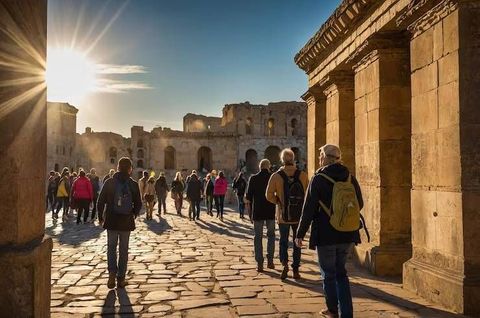
Travel in Bali: Explore Tropical Destinations, Culture, and Island Experiences
Travel in Bali offers a combination of tropical landscapes, cultural traditions, beaches, temples, local cuisine, nature, and island activities. Bali attracts travelers through destinations ranging from coastal areas and rice terraces to mountain regions and cultural communities.
A Bali trip can include beach destinations, cultural sites, outdoor activities, local markets, wellness experiences, and scenic areas. Travel planning can vary according to the season, itinerary length, preferred activities, transportation, and areas included in the journey.
Travel in Bali: Explore Tropical Destinations, Culture, and Island Experiences
Context
About Travel in Bali
Travel in Bali combines tropical scenery, cultural heritage, coastal destinations, traditional arts, local food, and outdoor experiences. The Indonesian island is known for its beaches, temples, rice terraces, volcanic landscapes, forests, and distinctive Hindu cultural traditions.
Bali offers different travel environments within a relatively compact island. Coastal areas provide beach and marine activities, while inland destinations feature rice terraces, temples, villages, waterfalls, forests, and mountain landscapes.
Main Travel Areas in Bali
Travelers can organize an itinerary around several major areas:
| Area | Common Attractions and Experiences |
|---|---|
| Ubud | Rice terraces, arts, temples, markets, cultural activities |
| Seminyak | Beaches, restaurants, sunset areas, shopping districts |
| Canggu | Coastal areas, cafés, surfing, recreational activities |
| Kuta | Beach activities, entertainment, shopping areas |
| Nusa Dua | Beaches, water activities, resort areas |
| Sanur | Coastal walks, sunrise views, marine activities |
| Uluwatu | Clifftop scenery, temples, beaches, sunset views |
| Jimbaran | Coastal scenery, seafood dining, beach areas |
| Munduk | Mountain scenery, waterfalls, plantations, nature |
| Amed | Coastal landscapes, snorkeling, diving, fishing communities |
| North Bali | Waterfalls, temples, lakes, mountain scenery |
The appropriate combination depends on travel preferences, available time, transportation arrangements, and the pace of the itinerary.
Bali's Cultural Character
Bali has a distinctive cultural identity influenced by Balinese Hindu traditions, local communities, architecture, performing arts, ceremonies, crafts, and religious practices.
Temples are an important part of the island's cultural landscape. Visitors should observe local customs when entering religious sites, including appropriate clothing and behavior.
Importance
Beaches and Coastal Destinations
Bali's coastline provides a variety of environments, from developed beach areas to quieter coastal communities.
Popular coastal activities can include swimming where conditions are appropriate, surfing, snorkeling, diving, boating, coastal walks, and sunset viewing. Sea conditions vary by location and season, so travelers should follow local safety information.
Ubud and Inland Bali
Ubud is associated with Balinese arts, culture, traditional architecture, rice landscapes, and surrounding natural areas.
The wider Ubud region provides opportunities to explore rice terraces, temples, craft communities, markets, and forested landscapes. Inland travel can provide a different experience from Bali's more developed coastal areas.
Temples and Cultural Sites
Bali contains numerous Hindu temples and culturally significant locations.
Travelers visiting temples should follow posted requirements and local guidance. Depending on the site, visitors may need appropriate clothing or may encounter areas restricted to worshippers.
Cultural visits are more meaningful when travelers understand that temples are active religious spaces rather than simply tourist attractions.
Nature and Outdoor Activities
Bali's natural environment includes volcanic mountains, waterfalls, forests, rice terraces, rivers, and coastal ecosystems.
Outdoor activities can include hiking, cycling, rafting, snorkeling, diving, and nature walks. Weather conditions and local regulations should be considered when planning activities.
Food and Local Cuisine
Balinese cuisine forms an important part of the island experience.
Common dishes and food styles include:
Nasi campur
Babi guling
Lawar
Satay lilit
Ayam betutu
Gado-gado
Balinese sambal
Tropical fruits
Traditional desserts
Food preferences and dietary requirements should be communicated clearly when ordering, particularly when dishes contain ingredients that travelers need to avoid.
Island Excursions
Travelers can also explore islands and coastal destinations near Bali.
Nusa Penida, Nusa Lembongan, and Nusa Ceningan are popular excursion areas known for coastal landscapes and marine environments. Boat schedules and sea conditions can affect travel between Bali and nearby islands.
Recent Updates
Sustainable Tourism
Sustainable tourism has become increasingly important across Bali as destinations manage visitor activity, environmental pressures, waste, water use, and local community needs.
Travelers can contribute to responsible tourism by reducing unnecessary waste, respecting local environments, following designated pathways, and supporting community-based cultural and environmental initiatives.
Cultural Preservation
Bali continues to maintain traditional ceremonies, architecture, arts, crafts, and community practices alongside modern tourism infrastructure.
Travelers should recognize that cultural events may be religious or community activities rather than performances arranged specifically for visitors. Respecting local customs is an important part of responsible travel.
Digital Travel Planning
Digital maps, booking platforms, transportation applications, translation tools, travel information websites, and mobile payment systems have become increasingly useful for planning travel in Bali.
Travelers can use digital tools to check routes, operating information, weather conditions, attraction information, and transportation arrangements. Information should be verified through official or current sources when conditions can change.
Transportation Developments
Transportation remains an important consideration when planning travel across Bali.
Road conditions, traffic congestion, travel distances, and local transportation availability can vary considerably between destinations. Building an itinerary around nearby areas can reduce unnecessary travel time.
Visitor Management
Popular destinations can experience significant visitor activity during busy periods.
Travelers can consider visiting major attractions during less crowded periods, following local access requirements, and choosing alternative destinations when appropriate. This can also help distribute visitor activity across different parts of the island.
Laws or Policies
Entry and Travel Requirements
International travelers should check the current Indonesian immigration requirements applicable to their nationality and travel purpose before departure.
Visa rules, passport validity requirements, permitted stay periods, arrival procedures, and other entry conditions can change. Travelers should rely on official Indonesian government or immigration information for current requirements.
Local Regulations
Travelers should follow Indonesian laws and local regulations throughout their stay.
Requirements can apply to activities, transportation, protected areas, cultural sites, photography, environmental protection, and public behavior. Rules can vary by destination.
Temple Etiquette
Religious sites may have specific visitor requirements.
Travelers should follow signs and instructions regarding clothing, access areas, photography, ceremonies, and behavior. Some temple areas may be restricted to worshippers.
Environmental Protection
Bali's beaches, marine areas, forests, agricultural landscapes, and other natural environments can be subject to environmental rules.
Travelers should avoid damaging coral, disturbing wildlife, littering, or removing natural materials from protected areas. Local conservation requirements should be followed when visiting marine or protected environments.
Road and Transport Safety
Travelers using scooters, cars, boats, or other transportation should follow Indonesian traffic and safety requirements.
International visitors should verify whether their driving documentation is valid for the vehicle and circumstances involved. Travelers unfamiliar with local traffic conditions should exercise additional caution.
Tools and Resources
Maps and Navigation
Digital mapping applications can help travelers understand distances between destinations and plan daily routes.
Because traffic can affect journey times, an itinerary should account for realistic road travel rather than relying solely on straight-line distances.
Weather Information
Weather information can help travelers plan outdoor activities, beach visits, hiking, and island excursions.
Bali has a tropical climate, and rainfall patterns can influence road conditions, visibility, sea conditions, and outdoor activities.
Travel Documents
Travelers should organize:
Passport
Visa or entry documentation where required
Travel insurance documents
Flight information
Accommodation records
Transportation details
Emergency contacts
Copies of important documents
Digital copies can provide an additional reference during travel, subject to appropriate privacy and security precautions.
Transportation Planning
Travelers can compare available transportation methods according to distance and destination.
Options can include:
Airport transfers
Private drivers
Taxis
Ride-hailing applications
Public buses in selected areas
Scooters where legally and safely appropriate
Boats for nearby islands
Travel time can vary substantially because of traffic, road conditions, weather, and destination location.
Cultural Resources
Official tourism information, local cultural organizations, temple information, museums, and community resources can provide useful background on Balinese traditions and destinations.
Understanding local customs before visiting cultural locations can help travelers behave appropriately and avoid misunderstandings.
Responsible Travel Practices
Useful practices include:
Carrying reusable items where practical
Reducing single-use waste
Respecting religious ceremonies
Following environmental rules
Avoiding damage to natural areas
Using designated access routes
Respecting local communities
Checking current travel requirements
FAQs
What is Travel in Bali like?
Travel in Bali combines beaches, temples, rice terraces, cultural sites, outdoor activities, local cuisine, mountain landscapes, and coastal communities. Different parts of the island provide different types of experiences.
Which places are popular for Travel in Bali?
Popular areas include Ubud, Seminyak, Canggu, Kuta, Nusa Dua, Sanur, Uluwatu, Jimbaran, Amed, Munduk, and northern Bali. Nearby islands such as Nusa Penida and Nusa Lembongan can also be included in an itinerary.
What are the main attractions for Travel in Bali?
Major attractions and experiences include beaches, temples, rice terraces, waterfalls, volcanic landscapes, cultural sites, traditional arts, marine activities, local food, and scenic coastal areas.
When should travelers plan Travel in Bali?
Travel timing depends on preferred activities and weather conditions. Travelers should check current seasonal information when planning beaches, hiking, island excursions, and other outdoor activities.
What should travelers know before Travel in Bali?
Travelers should check current entry requirements, respect local cultural practices, understand transportation conditions, consider weather patterns, follow environmental rules, and keep important travel documents accessible.
Conclusion
Travel in Bali offers a diverse combination of tropical scenery, cultural heritage, beaches, nature, food, and outdoor activities. Travelers can create different itineraries by combining coastal destinations with inland cultural and natural areas. Current planning increasingly benefits from digital navigation, updated travel information, responsible tourism practices, and awareness of local regulations. Understanding local customs and environmental considerations can help travelers experience Bali respectfully while exploring its varied destinations.