Spa and Wellness Tourism: Explore Global Wellness Travel Experiences
Spa and wellness tourism combines travel with relaxation, fitness, nature, cultural traditions, and wellness-focused experiences. Destinations around the world are developing retreats, thermal experiences, spa programs, and personalized wellness journeys for travelers seeking restorative travel.
Context
Understanding Spa and Wellness Tourism
Spa and wellness tourism combines travel with experiences designed around relaxation, physical activity, personal wellbeing, nature, and restorative activities. It can include spa visits, thermal and mineral springs, yoga retreats, meditation programs, fitness activities, healthy cuisine, cultural wellness traditions, and nature-based experiences.
Unlike a conventional sightseeing trip, a wellness-focused journey places greater attention on how travelers spend their time and how the destination supports rest and personal wellbeing. Some travelers choose wellness as the primary purpose of a trip, while others add spa or wellness activities to a broader holiday.
The Global Wellness Institute reported that global wellness tourism expenditure reached approximately $893.9 billion in 2024, with more than 1.2 billion international and domestic wellness trips recorded during the same year.
Types of Wellness Travel Experiences
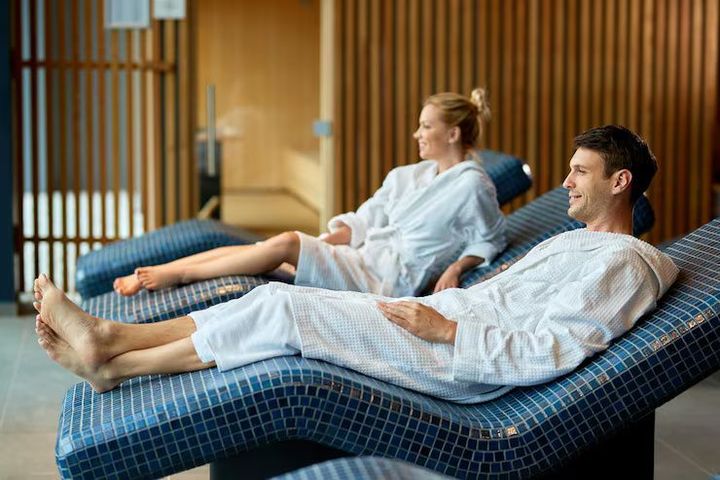
Spa and wellness travel covers a broad range of experiences. Traditional spa programs may include massages, hydrotherapy, thermal bathing, relaxation areas, and beauty-focused activities.
Other forms include yoga and meditation retreats, outdoor wellness journeys, fitness-oriented holidays, sleep-focused retreats, nature escapes, cultural wellness programs, and thermal tourism.
The experience can also vary according to the destination. Coastal areas may emphasize water and outdoor activities, mountain destinations may focus on nature and quiet surroundings, while cities can combine spa facilities with cultural attractions and urban relaxation programs.
Importance
Relaxation and Personal Wellbeing
One reason travelers choose wellness tourism is the opportunity to create dedicated time for rest and relaxation. A structured retreat can provide an environment where daily routines are replaced with activities such as meditation, movement, spa sessions, nature walks, and quiet periods.
Wellness travel does not necessarily require a long retreat. A short city break with spa activities or a weekend at a thermal destination can also form part of a wellness-oriented journey.
Nature-Based Experiences
Nature is increasingly connected with wellness travel. Forest environments, mountains, beaches, gardens, hot springs, and outdoor landscapes can become central elements of a destination's wellness experience.
Current 2026 wellness-travel trends show growing interest in cool-climate destinations, elemental experiences, outdoor activities, and deeper connections with nature.
Cultural Wellness Traditions
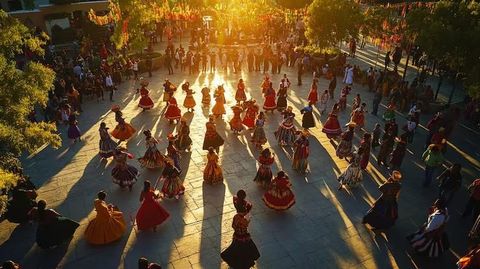
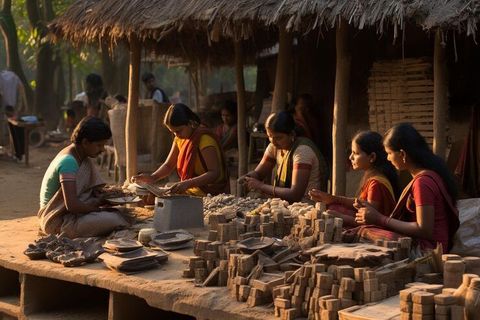
Many destinations incorporate local cultural traditions into wellness travel. These can include traditional bathing practices, regional food traditions, meditation systems, movement practices, herbal traditions, and community-based experiences.
Cultural context can make a wellness journey more distinctive while also creating opportunities for travelers to understand how local communities approach relaxation and wellbeing.
Spa and Thermal Experiences
Spas remain an important part of wellness tourism. Thermal and mineral springs are another established category, particularly in destinations with naturally occurring hot or mineral-rich waters.
A spa-focused trip may include several activities within one itinerary, such as thermal bathing, relaxation periods, fitness sessions, healthy dining, and local sightseeing.
Recent Updates
2026 Wellness Tourism Trends
The Global Wellness Institute identified several major wellness-tourism trends for 2026, including cocooning wellness, urban recovery travel, destination-scale wellness, heat rituals, cool-climate travel, privacy-focused experiences, AI-designed wellness travel, deep-rest journeys, and credibility in longevity travel.
These trends show that wellness travel is becoming more varied. Travelers are not limited to traditional spa resorts; wellness experiences can now be incorporated into cities, nature destinations, private retreats, cultural journeys, and longer travel itineraries.
Growth of Global Wellness Tourism
The latest Global Wellness Institute data shows that wellness tourism has recovered strongly since the pandemic period. Wellness tourism expenditure reached about $893.9 billion in 2024, while wellness trips represented 8.3% of global tourism trips and 17.6% of tourism expenditure.
Asia-Pacific has become particularly important to the sector. According to the Global Wellness Institute, the region surpassed Europe in wellness-trip volume during 2023 and 2024, with China and India accounting for a substantial share of wellness trips in the region.
Digital Wellness Planning
Technology is also becoming part of wellness travel planning. Travelers increasingly use digital platforms to research destinations, compare retreat formats, organize itineraries, and identify wellness activities.
The Global Wellness Institute's 2026 trends specifically include AI-designed wellness travel, indicating that technology may increasingly influence how wellness itineraries are created and personalized.
Urban Wellness Travel
Wellness tourism is no longer limited to remote resorts. Urban recovery travel is one of the Global Wellness Institute's 2026 trends, reflecting the development of wellness experiences within cities.
Urban travelers can combine cultural attractions, restaurants, fitness activities, spa appointments, parks, thermal facilities, and quiet spaces within one trip.
Laws or Policies
Tourism and Hospitality Regulations
Spa and wellness tourism is generally influenced by the tourism, hospitality, public health, and consumer-protection requirements of the destination country. Requirements can vary according to the type of facility and activities provided.
Travelers should check the relevant local rules when a wellness experience involves specialized healthcare or regulated activities rather than ordinary relaxation or hospitality services.
Health and Safety Considerations
Wellness facilities should maintain appropriate hygiene, sanitation, equipment, and safety practices. Travelers should also consider whether an activity is appropriate for their individual circumstances and seek professional healthcare advice when necessary.
Wellness tourism should be distinguished from medical tourism. A spa, retreat, or wellness program does not automatically constitute medical care, and claims about health outcomes should be evaluated carefully.
Sustainable Tourism Policies
Sustainability is increasingly connected with wellness tourism. Destinations may focus on protecting natural resources, reducing environmental pressure, supporting local communities, and incorporating local culture into visitor experiences.
The Global Wellness Institute has highlighted government-led green and blue wellness development as an important 2025 trend, showing the growing connection between wellness destinations, infrastructure, nature, and local communities.
Tools and Resources
Wellness Destination Research
Travelers can research destinations through tourism boards, established wellness organizations, accommodation information, and destination-specific travel resources.
Important areas to compare include location, climate, wellness activities, accommodation style, cultural experiences, accessibility, and available travel infrastructure.
Spa and Retreat Information
Before selecting a wellness experience, travelers can review the program schedule, included activities, facility information, practitioner qualifications where relevant, dietary arrangements, cancellation conditions, and accessibility information.
A clear itinerary can help travelers determine whether a retreat is primarily focused on relaxation, fitness, nature, culture, or a combination of activities.
Travel Planning Tools
Travel planning platforms can help organize flights, accommodation, transportation, local activities, and wellness appointments. Travelers should leave enough flexibility for rest rather than creating an itinerary packed with activities.
Sustainability Resources
Travelers interested in responsible wellness tourism can research environmental policies, local community involvement, resource management, and cultural preservation practices associated with a destination.
| Wellness Travel Type | Common Experiences | Typical Setting |
|---|---|---|
| Spa Retreats | Spa treatments, relaxation, wellness programs | Resorts and dedicated retreats |
| Thermal Travel | Thermal bathing, mineral springs, relaxation | Hot-spring destinations |
| Yoga Retreats | Yoga, meditation, movement | Resorts, countryside, coastal areas |
| Nature Wellness | Hiking, outdoor activities, quiet time | Mountains, forests, parks |
| Urban Wellness | Spas, fitness, parks, cultural activities | Major cities |
| Cultural Wellness | Local traditions, food, movement practices | Cultural destinations |
| Sleep Retreats | Rest-focused schedules, quiet environments | Resorts and secluded locations |
FAQs
What is spa and wellness tourism?
Spa and wellness tourism combines travel with activities centered on relaxation, wellbeing, fitness, nature, cultural traditions, and restorative experiences. Spa programs are one part of the wider wellness-tourism sector.
What are popular global wellness travel experiences?
Popular experiences include spa retreats, thermal bathing, yoga programs, meditation, nature travel, fitness activities, cultural wellness traditions, healthy dining, and rest-focused journeys.
Which trends are shaping wellness tourism in 2026?
The Global Wellness Institute identifies trends including urban recovery travel, heat rituals, cool-climate travel, privacy-focused experiences, deep-rest journeys, destination-scale wellness, and AI-designed wellness travel.
How can travelers plan a wellness-focused holiday?
Travelers can begin by selecting the desired experience, researching the destination, reviewing the program schedule, checking travel requirements, arranging accommodation and transportation, and leaving sufficient time for rest.
Is wellness tourism different from medical tourism?
Yes. Wellness tourism generally focuses on activities such as relaxation, fitness, lifestyle, nature, and personal wellbeing. Medical tourism involves traveling to receive healthcare or medical treatment and may have different professional, legal, and documentation requirements.
Conclusion
Spa and wellness tourism has expanded from traditional spa visits into a broad travel category involving nature, fitness, relaxation, culture, thermal experiences, and restorative retreats. Current trends show growing interest in privacy, deep rest, outdoor environments, urban recovery, and technology-supported wellness planning. The global wellness tourism sector has also reached substantial scale, with 2024 expenditure approaching $894 billion according to the Global Wellness Institute. Careful destination research and balanced itineraries can help travelers make their wellness journeys more organized and meaningful.