Sleep Recovery Technology: Guide to Devices, Features, and Practical Insights
Sleep recovery technology refers to digital devices, wearable sensors, smart accessories, and software platforms designed to collect information related to sleep and nighttime recovery. These technologies can track measurements such as sleep duration, movement, heart rate, breathing patterns, skin temperature, and other signals.
Common examples include smartwatches, fitness trackers, sleep rings, smart mattresses, sleep-monitoring sensors, and dedicated sleep applications. Depending on the device, information may be collected through optical sensors, accelerometers, temperature sensors, microphones, or other monitoring technologies.
Sleep recovery technology does not replace professional medical evaluation. Instead, many consumer devices are designed to help users understand their personal sleep patterns and identify changes over time.
How Sleep Recovery Technology Works
Most devices collect signals while a person is sleeping and process them through software. Algorithms then estimate different sleep-related measurements from the collected data.
For example, an accelerometer can detect movement, while an optical sensor can estimate heart rate. Some devices combine several signals to estimate sleep stages or recovery-related indicators.
A typical process includes:
Sensor collection: Sensors gather physiological or movement-related signals.
Data processing: Software organizes and analyzes the collected information.
Sleep estimation: Algorithms estimate sleep duration, interruptions, or sleep stages.
Recovery analysis: Some platforms combine sleep information with other measurements.
Trend reporting: Results are displayed through an application or dashboard.
The exact measurements and accuracy can vary significantly between device types and manufacturers.
Importance
Understanding Sleep Patterns
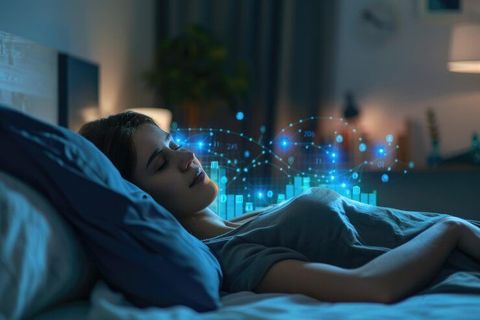
Sleep recovery technology can make nighttime patterns easier to observe. Instead of relying only on how someone remembers sleeping, users can review measurements collected across multiple nights.
Long-term trends may help identify differences between weekdays and weekends, changes associated with travel, or variations following changes in daily routines.
Supporting Recovery Monitoring
Some wearable platforms combine sleep information with heart-rate measurements, activity data, and other signals to create recovery-oriented indicators.
These indicators are generally intended to provide a simplified interpretation of several measurements. They should be treated as estimates rather than definitive medical conclusions.
Encouraging Consistent Sleep Routines
Digital dashboards can make sleep schedules more visible. Users may notice patterns such as shorter sleep duration after late-night activities or differences between regular and irregular schedules.
This can support greater awareness of bedtime routines without requiring manual tracking every night.
Comparing Different Device Categories
Sleep recovery technology is available in several forms, and each category has different strengths.
| Device Category | Common Measurements | Typical Use |
|---|---|---|
| Smartwatch | Heart rate, movement, sleep duration | General health and activity tracking |
| Fitness tracker | Movement, heart rate, sleep timing | Daily activity and sleep trends |
| Smart ring | Heart rate, temperature, movement | Continuous overnight monitoring |
| Smart mattress | Movement, temperature, pressure | Bed-based sleep monitoring |
| Sleep sensor | Movement, breathing-related signals | Nighttime environmental or physiological tracking |
| Sleep application | Sleep schedules, manually entered data, device data | Sleep tracking and trend analysis |
No single category provides every possible measurement.
Recent Updates
Greater Use of Multi-Sensor Monitoring
Recent consumer sleep technologies increasingly combine several sensors rather than relying on one signal. Heart rate, movement, temperature, and other measurements can be analyzed together to create broader sleep and recovery estimates.
This approach can provide more contextual information, although additional measurements do not automatically mean that every result is medically accurate.
Smaller Wearable Devices
Wearable technology has continued moving toward smaller and lighter designs. Rings and compact wrist devices can collect overnight measurements without requiring larger equipment around the bed.
Comfort is particularly relevant for sleep tracking because a device that interferes with normal sleep may affect the very behavior it is intended to monitor.
Improved Sleep Data Visualization
Applications increasingly present sleep information through trend charts, daily summaries, readiness indicators, and historical comparisons. These interfaces can make large amounts of sensor data easier for general users to interpret.
Some platforms also allow users to combine sleep information with exercise, activity, or environmental information.
Integration With Smart Home Technology
Sleep monitoring is increasingly connected with smart-home systems. Depending on the platform, temperature controls, lighting, air-quality devices, or other bedroom equipment may interact with sleep-related routines.
The purpose is generally to create a more coordinated nighttime environment rather than relying solely on wearable measurements.
Greater Attention to Data Privacy
Sleep technology can collect sensitive personal information, making data management an important consideration. Users should review how information is stored, processed, transferred, and shared before connecting a device to additional applications or platforms.
Privacy policies, account controls, encryption practices, and data-sharing settings can differ between providers.
Laws or Policies
Consumer Health Technology Regulations
The regulatory treatment of sleep technology depends on how a device is marketed and what claims it makes.
A consumer wearable marketed for general wellness can fall under different regulatory requirements from a device intended to diagnose, monitor, or treat a medical condition.
In the United States, the U.S. Food and Drug Administration distinguishes general wellness products from medical devices according to their intended use and claims.
In Europe, medical devices can be subject to the Medical Device Regulation (EU) 2017/745 when they meet the applicable definition and requirements.
Data Protection
Sleep-related information can have privacy implications because it may reveal personal behavioral or physiological patterns.
Different jurisdictions have different privacy frameworks. For example, the European Union's General Data Protection Regulation establishes requirements concerning the processing of personal data, while other countries have their own privacy legislation.
Users should examine the privacy terms of both the device manufacturer and connected applications.
Medical Claims
A major distinction is whether technology provides general wellness information or makes a medical claim.
Statements about sleep trends and lifestyle patterns are different from claims that a device can diagnose a disorder or determine a medical condition. Users should therefore distinguish between consumer sleep tracking and clinically validated medical monitoring.
Tools and Resources
Wearable Sleep Trackers
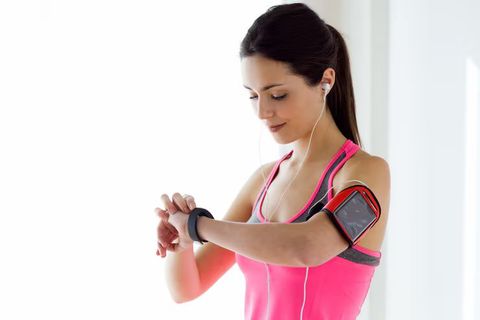
Smartwatches, fitness trackers, and smart rings are widely used for overnight monitoring. They can provide measurements such as sleep duration, movement, heart rate, and other available sensor data.
When comparing devices, users can examine battery life, overnight comfort, sensor availability, water resistance, application compatibility, and data presentation.
Smart Mattresses and Bed Sensors
Bed-based systems monitor movement or other signals without requiring a wearable device. These products can be useful for people who prefer not to wear electronics while sleeping.
However, measurements can be affected by mattress type, sleeping position, bed sharing, and sensor placement.
Sleep Applications
Sleep applications can organize information from connected devices or allow users to record sleep schedules manually. Some applications provide long-term charts and reminders related to regular sleep routines.
Users should check what information an application collects and whether account data can be exported or deleted.
Data Dashboards
A useful sleep technology platform should make historical information understandable. Useful dashboard features can include:
Daily and weekly sleep duration
Bedtime and wake-time trends
Nighttime movement
Heart-rate trends
Temperature information when available
Historical comparisons
Data export options
Privacy and account controls
Professional Evaluation
Consumer sleep technology has limitations. If someone experiences persistent sleep problems, loud or unusual nighttime breathing, significant daytime sleepiness, or other concerning symptoms, professional medical evaluation may be more appropriate than relying solely on consumer-device measurements.
Sleep trackers can provide useful background information, but they should not be treated as a substitute for clinical testing.
FAQs
What Is Sleep Recovery Technology?
Sleep recovery technology includes wearable devices, sensors, smart bedroom equipment, and software designed to collect and analyze information related to sleep and nighttime recovery.
How Does Sleep Recovery Technology Track Sleep?
Most systems use sensors that detect movement, heart rate, temperature, or other signals. Algorithms then use these measurements to estimate sleep duration, interruptions, stages, or recovery-related indicators.
Can Sleep Recovery Technology Detect Sleep Disorders?
Some consumer devices may identify patterns associated with sleep problems, but consumer sleep trackers are not automatically equivalent to clinical diagnostic equipment. Medical evaluation may be required for diagnosis.
Are Sleep Recovery Devices Accurate?
Accuracy varies by device, measurement, sensor placement, software, and individual circumstances. Sleep duration estimates may differ from clinically measured results, particularly for detailed sleep-stage classification.
What Should Be Considered When Choosing Sleep Technology?
Important factors include comfort, battery life, sensor types, measurement range, application compatibility, privacy controls, data presentation, and whether the device is intended for general wellness or a specific medical purpose.
Conclusion
Sleep recovery technology provides consumers with new ways to observe sleep patterns and nighttime measurements. Wearables, smart rings, bed sensors, smart mattresses, and applications can collect different types of information and present it through digital dashboards.
The usefulness of these technologies depends on the quality of the sensors, software algorithms, device design, and consistency of use. Understanding what a device actually measures is important when interpreting its results.
Privacy and regulatory considerations are also becoming increasingly important as sleep technology collects more personal information. For persistent or concerning sleep problems, professional evaluation remains an important part of responsible health management.