Home Workout & Fitness Trends: Guide to Modern Exercise Practices and Insights
What Are Home Workouts? Home workouts are exercise activities performed in a residential environment rather than at a dedicated fitness facility. They can include bodyweight exercises, resistance training, stretching, yoga, mobility work, cardiovascular routines, and guided exercise sessions.
The growth of smartphones, connected televisions, wearable devices, video platforms, and fitness applications has changed how people approach exercise at home. A workout can now be followed through a video, digital program, mobile application, or personal routine.
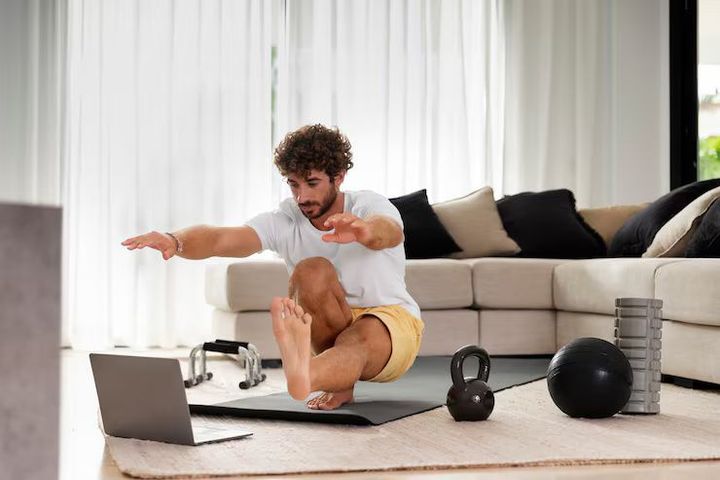
Home exercise does not necessarily require specialized equipment. Squats, lunges, push-ups, planks, jumping movements, and mobility exercises can use body weight as resistance. Other routines may incorporate resistance bands, dumbbells, kettlebells, exercise mats, stationary bicycles, or other equipment.
How Home Fitness Has Developed
Home exercise has existed for generations, but digital technology has expanded the range of available activities. Printed exercise guides were followed by television programs, recorded videos, DVDs, websites, and eventually smartphone applications and connected devices.
The COVID-19 pandemic accelerated interest in home-based exercise as many people temporarily had fewer opportunities to exercise in shared spaces. The period also encouraged the development of virtual classes, digital workout libraries, connected equipment, and remote coaching formats.
Current home fitness combines traditional exercise principles with digital tools. Users can track activity, follow structured routines, monitor selected measurements, and participate in virtual communities from their homes.
Common Home Exercise Methods
Home Workout & Fitness Trends include several approaches:
- Bodyweight training: Uses movements such as squats, push-ups, lunges, and planks.
- Resistance training: Uses dumbbells, resistance bands, kettlebells, or other equipment.
- Cardiovascular exercise: Includes activities such as dancing, stepping, jumping, and indoor cycling.
- Mobility training: Focuses on controlled movement and range of motion.
- Yoga: Combines physical postures, breathing practices, and concentration.
- Interval training: Alternates periods of higher and lower activity intensity.
- Virtual workouts: Uses recorded or live digital instruction.
The appropriate approach depends on factors such as physical condition, experience, available space, equipment, and individual goals.
Importance
Convenience and Routine
Home exercise can make physical activity easier to fit into a daily schedule. A workout can be performed before work, during a break, after school, or at another suitable time.
The home environment can also reduce travel requirements. However, maintaining a regular routine still depends on planning, motivation, and consistency.
Physical Activity
Regular physical activity contributes to overall health and physical functioning. Exercise can support cardiovascular fitness, muscular strength, endurance, balance, mobility, and body composition.
The World Health Organization recommends that adults perform at least 150 minutes of moderate-intensity aerobic physical activity per week, or at least 75 minutes of vigorous-intensity activity, along with muscle-strengthening activities on two or more days each week. (who.int)
These recommendations provide a general framework rather than a requirement for every individual.
Mental Well-Being
Physical activity is also associated with mental and psychological well-being. Regular movement can provide opportunities for stress management, routine building, recreation, and social interaction.
Home workouts can combine exercise with activities people already enjoy, such as music, guided classes, outdoor movement around the home, or group sessions through digital platforms.
Accessibility
Home workouts can be adapted to different spaces and equipment levels. A person may exercise using only bodyweight movements, while another person may have access to resistance equipment or connected exercise machines.
Adaptability can make home fitness suitable for different environments. Exercises should still be selected according to an individual's physical abilities and experience.
Time Management
Short exercise sessions can be incorporated into busy schedules. Some routines divide physical activity into several shorter periods rather than relying on one long workout.
The important factor is regular physical activity over time. Exercise volume, intensity, recovery, and individual circumstances all influence how a routine should be structured.
| Exercise Approach | Typical Equipment | Main Focus |
|---|---|---|
| Bodyweight training | None or mat | Strength and movement |
| Resistance training | Bands or weights | Muscular strength |
| Indoor cardio | Optional equipment | Cardiovascular fitness |
| Yoga | Mat | Mobility and balance |
| Mobility exercises | Usually none | Range of motion |
| Interval workouts | Optional equipment | Fitness and conditioning |
| Virtual classes | Screen or device | Guided exercise |
Recent Updates
Growth of Digital Fitness
Digital fitness continues to influence Home Workout & Fitness Trends. Smartphone applications, online video platforms, connected televisions, and wearable devices can provide exercise guidance and activity information.
Many digital platforms now combine workout libraries with progress tracking, reminders, scheduling, and personalized recommendations. This allows users to organize exercise around their individual routines.
Artificial Intelligence and Personalization
Artificial intelligence is increasingly being incorporated into fitness technology. AI-based systems can analyze selected activity information and provide suggestions related to workouts, scheduling, movement patterns, or training progression.
Computer vision can also be used in certain applications to analyze exercise movements through a camera. Such systems may provide automated feedback, although their accuracy depends on camera placement, lighting, movement complexity, and the underlying technology.
AI-generated recommendations should be treated as general digital guidance rather than a replacement for qualified professional assessment when medical or complex physical concerns are involved.
Connected Fitness Equipment
Connected exercise equipment can combine physical training with digital interfaces. Treadmills, stationary bicycles, rowing machines, strength equipment, and other devices may include screens, sensors, connectivity, and workout tracking.
These systems can record information such as exercise duration, speed, resistance, distance, heart rate from compatible sensors, or estimated energy expenditure.
Wearable Integration
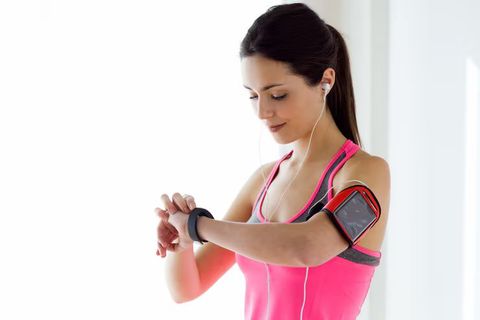
Fitness trackers and smartwatches increasingly connect with home exercise applications. Wearables can provide information about movement, heart rate, exercise duration, and other measurements depending on the device.
Combining wearable data with workout applications can create a broader record of activity. Users should remember that wearable measurements are estimates and can vary according to device design, sensor placement, movement, and algorithms.
Short-Form Fitness Content
Short exercise videos have become increasingly common across digital platforms. These formats can demonstrate individual exercises or compact workout routines.
Short videos can be useful for learning a particular movement, but a brief demonstration may not provide enough information about technique, progression, warm-up, recovery, or individual limitations. More complete exercise guidance may be appropriate for people beginning unfamiliar activities.
Focus on Mobility and Recovery
Home Workout & Fitness Trends are also placing greater attention on mobility, stretching, recovery, and rest. Rather than concentrating only on high-intensity exercise, many routines combine strength, cardiovascular activity, flexibility, mobility, and recovery practices.
A balanced approach recognizes that adaptation occurs over time and that adequate rest can be an important part of an exercise routine.
Laws or Policies
Physical Activity Guidance in India
India's health authorities have published guidance and educational material concerning physical activity, nutrition, and healthy lifestyles. The Ministry of Health and Family Welfare and related national health initiatives promote physical activity as part of broader health and wellness efforts.
General physical activity guidance can help people understand the role of movement in maintaining health. Individual exercise requirements can differ because of age, physical condition, previous injuries, and other circumstances.
Data Protection
Digital fitness applications can collect information such as account details, activity records, exercise history, location information, device identifiers, and selected physiological measurements.
India's Digital Personal Data Protection Act, 2023 establishes a framework concerning the processing of digital personal data. The Digital Personal Data Protection Rules, 2025 provide additional implementation details under the Act, with different provisions taking effect according to the specified schedule. (meity.gov.in)
Users should review application permissions and privacy information to understand what information is collected and how it may be processed.
Consumer Safety and Exercise Equipment
Exercise equipment used at home can involve physical risks if it is damaged, incorrectly assembled, or used outside its intended purpose. Equipment should be operated according to the manufacturer's instructions and maintained appropriately.
Electrical equipment also needs suitable electrical connections and safe placement. Areas around moving equipment should remain sufficiently clear to reduce the possibility of accidental contact or falls.
Medical Considerations
Home exercise is different from medical treatment. People with known health concerns, persistent symptoms, significant pain, or other physical limitations may need individualized guidance before beginning or changing an exercise routine.
Exercise intensity should generally be increased gradually. Sudden increases in training volume can increase physical strain, particularly for people who are not accustomed to regular exercise.
Tools and Resources
Fitness Applications
Fitness applications can provide workout plans, exercise demonstrations, activity records, reminders, and progress information. Some applications focus on specific activities such as yoga, strength training, running, mobility, or indoor cycling.
When using an application, it can be useful to understand how its recommendations are generated and which personal information it collects.
Exercise Trackers
Wearable trackers can record selected activity measurements throughout the day. During workouts, they may provide information about heart rate, duration, movement, distance, or other metrics.
These measurements can help users observe patterns, but individual readings should not automatically be interpreted as medical measurements.
Resistance Equipment
Resistance bands, dumbbells, kettlebells, and adjustable weights can expand the range of exercises available at home. The amount of resistance should match the user's experience and the exercise being performed.
Equipment should be checked regularly for visible damage, loose components, worn materials, or other issues.
Exercise Mats
A suitable exercise surface can provide cushioning and improve stability for floor-based movements, stretching, and mobility exercises.
The surface should be placed on stable flooring with sufficient surrounding space for the movements included in the routine.
Digital Calendars and Tracking Sheets
A calendar or simple tracking sheet can record workout frequency, exercise type, duration, and perceived difficulty. This can help users understand whether their routine is consistent.
Tracking should remain practical. Recording too many details can make a routine difficult to maintain.
Educational Resources
Public health organizations, universities, professional fitness organizations, and recognized medical institutions publish information about physical activity and exercise principles.
Reliable educational resources can help users understand concepts such as warm-ups, strength training, cardiovascular activity, recovery, and gradual progression.
FAQs
What are Home Workout & Fitness Trends?
Home Workout & Fitness Trends describe changing exercise practices and technologies used for physical activity at home. They include bodyweight training, digital classes, connected equipment, wearable tracking, mobility routines, and AI-assisted fitness tools.
What are common home workout methods?
Common methods include bodyweight exercises, resistance training, yoga, mobility exercises, indoor cardiovascular activities, interval workouts, and virtual classes.
Do home workouts require equipment?
No. Many exercises can be performed using body weight alone. Equipment such as resistance bands, dumbbells, or exercise mats can provide additional options but is not required for every routine.
How often should people exercise at home?
General public health guidance recommends regular aerobic activity along with muscle-strengthening activity. The appropriate frequency and intensity depend on individual circumstances, fitness level, age, and physical condition.
How is technology changing home fitness?
Technology is adding digital classes, wearable tracking, connected equipment, AI-assisted analysis, personalized recommendations, and interactive workout experiences. These tools are changing how people plan, monitor, and organize home exercise.
Conclusion
Home Workout & Fitness Trends combine traditional exercise methods with digital platforms, wearable devices, connected equipment, and emerging AI technologies. Modern home exercise can include strength training, cardiovascular activity, mobility work, yoga, interval routines, and virtual classes. Recent developments are emphasizing personalization, data tracking, connected equipment, recovery, and flexible exercise formats. Safe equipment use, appropriate exercise progression, data privacy, and individual physical circumstances remain important considerations.