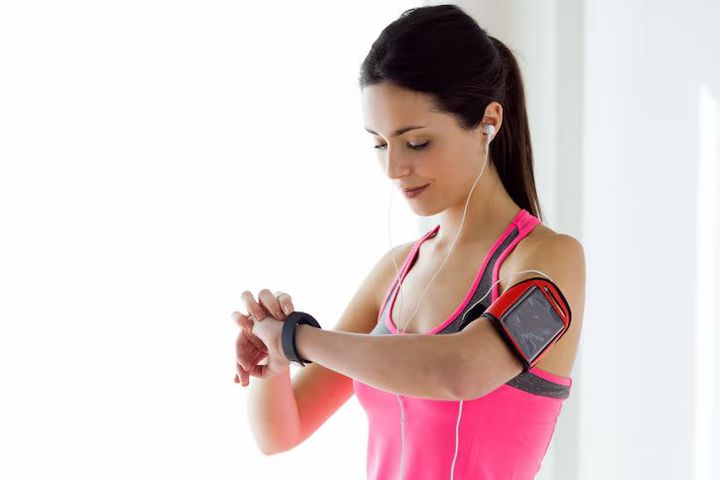
Health & Fitness Wearables: Discover Functions and Important Facts
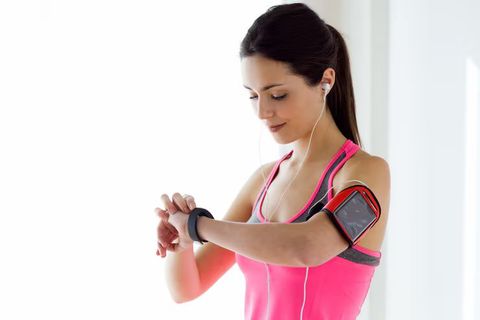
What Are Health & Fitness Wearables? Health & Fitness Wearables are electronic devices designed to be worn on the body while collecting information related to physical activity, exercise, or selected health measurements. Common examples include fitness bands, smartwatches, smart rings, and specialized wearable sensors.
These devices use small sensors to detect movement, heart activity, body temperature, blood oxygen levels, sleep patterns, or other signals, depending on the model. Information is usually processed by the device and may be transferred to a smartphone application for viewing and analysis.
Wearable technology developed from simple digital activity counters into connected devices with multiple sensors and software capabilities. Improvements in miniature electronics, batteries, wireless communication, mobile applications, and data analysis have expanded their everyday uses.
How Do Wearables Work?
A wearable device normally contains sensors, a processor, a battery, wireless communication components, and software. Sensors gather measurements, while the processor interprets the collected signals and converts them into information that users can view.
Movement sensors such as accelerometers and gyroscopes can detect steps, motion, and changes in body position. Optical sensors can monitor changes in blood flow near the skin, which can support certain heart-rate measurements.
Depending on the device, location data may come from built-in satellite positioning or a connected smartphone. Bluetooth is commonly used to transfer information between wearables and phones.
Common Types of Wearables
Several categories are available for different purposes:
- Fitness bands: Usually focus on activity, exercise, sleep, and basic health-related measurements.
- Smartwatches: Combine fitness tracking with notifications, applications, communication, and other digital functions.
- Smart rings: Use a compact form factor to collect selected activity, sleep, and physiological measurements.
- Specialized sensors: Can monitor particular physical or health-related signals for specific applications.
- Sports trackers: Emphasize exercise metrics such as distance, pace, movement, and training information.
The capabilities of each category vary considerably, so the presence of a particular sensor does not mean every device provides the same measurement or level of accuracy.
Importance
Physical Activity Awareness
Health & Fitness Wearables can help users understand patterns in everyday movement. Step counts, active periods, distance estimates, and exercise duration can provide a general picture of physical activity.
These measurements can make activity patterns easier to observe over time. However, estimates may vary because of sensor placement, movement patterns, algorithms, device design, and other factors.
Exercise Tracking
Wearables can record information during walking, running, cycling, swimming, strength exercises, and other activities, depending on the device.
Common exercise information includes duration, distance, pace, heart rate, calories estimated from activity, and workout frequency. GPS-enabled devices can also record routes during outdoor activities.
Sleep Information
Many wearable devices estimate sleep duration and provide information about different sleep periods. Some systems use movement, heart-rate patterns, skin temperature, or other signals to develop sleep estimates.
Wearable sleep information should generally be viewed as a tracking aid rather than a substitute for clinical sleep assessment. Differences between devices and algorithms can produce different results.
Health Monitoring
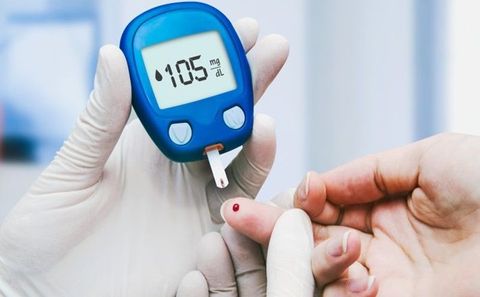
Some Health & Fitness Wearables can measure or estimate physiological information such as heart rate, blood oxygen saturation, skin temperature, or electrocardiogram-related signals.
The availability and regulatory status of these functions vary by device and region. Some features are intended for general wellness, while others may have specific medical purposes and regulatory clearances.
Long-Term Trends
One useful aspect of wearable technology is its ability to collect repeated measurements. Instead of looking at a single reading, users can observe patterns over days, weeks, or months.
Long-term records may help users understand changes in activity or other tracked measurements. Health-related concerns, unusual readings, or persistent symptoms should be discussed with an appropriate healthcare professional rather than interpreted solely through a wearable application.
| Wearable Function | Information Commonly Tracked | Typical Use |
|---|---|---|
| Step tracking | Steps and movement | Daily activity |
| Heart-rate monitoring | Heart-rate estimates | Exercise observation |
| GPS | Distance and location | Outdoor activities |
| Sleep tracking | Sleep duration and patterns | Sleep awareness |
| Temperature sensing | Skin-temperature changes | Trend monitoring |
| Blood oxygen sensing | Oxygen saturation estimate | Selected health tracking |
| ECG capability | Electrical heart signals | Specific heart assessment |
Recent Updates
Greater Use of Health Sensors
Wearable manufacturers have continued adding sensors and improving algorithms for physiological measurements. Modern devices can combine information from movement, optical sensors, temperature sensors, and other components.
This approach allows software to analyze several signals together rather than relying on a single measurement. The resulting information can include trends related to activity, sleep, heart rate, and recovery.
Artificial Intelligence and Data Analysis
Artificial intelligence and machine-learning techniques are increasingly used to interpret large quantities of wearable data. Algorithms can identify patterns, classify activities, and generate summaries based on collected measurements.
For example, software may examine changes in activity or sleep patterns over time. These systems depend on the quality of sensor data and the algorithms used, so automated interpretations should not automatically be treated as medical conclusions.
Expanded Health Monitoring
The wearable market is moving beyond basic step counting. Devices increasingly include functions related to heart rhythm, blood oxygen, temperature trends, sleep, respiratory measurements, and other physiological signals.
Some manufacturers are also exploring additional sensors and non-invasive measurement techniques. Regulatory approval is important when a device makes claims about diagnosing, preventing, or managing a medical condition.
Improved Battery and Connectivity
Battery efficiency remains an important area of wearable development because continuous monitoring requires regular power. Improvements in processors, sensor efficiency, wireless communication, and software can help devices operate for longer periods between charging sessions.
Bluetooth connectivity and smartphone integration also allow wearable information to be synchronized with broader digital health and fitness applications.
Increasing Attention to Data Privacy
Wearables can generate substantial amounts of personal information. Activity patterns, location records, sleep information, physiological measurements, and account details can create sensitive digital profiles.
As wearable technology becomes more connected, privacy controls and data security have become increasingly important. Users should understand what information is collected, how it is stored, and which applications or accounts can access it.
Laws or Policies
Medical Device Regulation in India
Not every wearable is considered a medical device. Many products are designed primarily for fitness or general wellness purposes, while particular devices or functions may fall under medical-device regulation depending on their intended use.
India regulates medical devices through the Medical Devices Rules, 2017 under the Drugs and Cosmetics Act framework. The Central Drugs Standard Control Organisation (CDSCO) provides regulatory information concerning medical devices and in-vitro diagnostic devices. (cdsco.gov.in)
Therefore, users should distinguish between a general wellness measurement and a medically regulated function.
Digital Personal Data Protection Framework
Wearable devices can process personal information through device applications, online accounts, cloud systems, and connected platforms.
India's Digital Personal Data Protection Act, 2023 establishes a framework for processing digital personal data. The Digital Personal Data Protection Rules, 2025 provide additional implementation details under the Act, with provisions becoming applicable according to the specified commencement schedule. (meity.gov.in)
Organizations handling wearable-related personal information may therefore need to consider applicable requirements concerning notices, consent, security safeguards, and other data responsibilities.
Consumer and Product Information
Wearable products may be subject to applicable Indian requirements concerning electronics, wireless communication, electrical safety, labeling, and product information.
The specific requirements depend on the type of equipment and its intended function. Users can consult relevant government and standards organizations when researching particular devices.
Data Security
Health-related information can be particularly sensitive. Users should therefore consider account security, authentication, application permissions, software updates, and device access controls.
Where a wearable synchronizes information with a smartphone or cloud account, protecting the connected account is an important part of the overall security process.
Tools and Resources
Smartphone Health Applications
Most modern wearables connect to a companion application. These applications can display activity records, exercise information, sleep summaries, trends, and device settings.
They may also provide graphs that make it easier to compare measurements across different periods. The available features depend on the wearable and its associated software.
Fitness Tracking Platforms
Fitness platforms can combine information from wearables with manually entered activities. Some allow users to record workouts, monitor progress, organize training information, or review historical data.
Users should review data permissions before connecting multiple applications because information may be shared between connected platforms.
Health Data Export Tools
Some wearable ecosystems allow users to export selected information. Data exports can help users maintain personal records or transfer information between compatible applications.
The format and range of available data vary between platforms. Users should check privacy settings before transferring personal health or fitness information to another application.
Device Settings
Built-in wearable settings can control notifications, location permissions, sensor measurements, data synchronization, and account access.
Reviewing these settings periodically can help users understand which information is being collected and which applications have access to it.
Official Health Resources
Government health organizations and recognized medical institutions can provide reliable background information for interpreting health measurements. These resources are useful because wearable readings may have limitations and can differ from clinical measurements.
For medical questions, professional healthcare guidance remains more appropriate than relying only on automated wearable interpretations.
FAQs
What are Health & Fitness Wearables?
Health & Fitness Wearables are body-worn electronic devices that collect information related to physical activity, exercise, and selected physiological measurements. Examples include smartwatches, fitness bands, smart rings, and specialized sensors.
What can Health & Fitness Wearables track?
Health & Fitness Wearables may track steps, movement, exercise duration, distance, heart rate, sleep patterns, skin temperature, blood oxygen estimates, and other measurements, depending on the device.
Are wearable health measurements accurate?
Accuracy varies according to the device, sensor technology, activity, body position, environmental conditions, and software algorithms. Wearable measurements should not automatically be treated as equivalent to measurements from clinical equipment.
Can Health & Fitness Wearables monitor sleep?
Many Health & Fitness Wearables can estimate sleep duration and provide information about sleep patterns. These estimates are generally based on combinations of movement and physiological signals and may differ from clinical sleep assessments.
Are Health & Fitness Wearables medical devices?
Some wearables or specific functions may fall within medical-device regulation, while others are intended only for general wellness and fitness purposes. Their regulatory status depends on the product's intended use and applicable rules.
Conclusion
Health & Fitness Wearables combine sensors, software, wireless communication, and mobile applications to track physical activity and selected physiological information. Their functions can include exercise tracking, sleep estimates, heart-rate monitoring, location recording, and long-term trend analysis. Recent developments are bringing more sensors, AI-assisted data analysis, improved connectivity, and broader health-monitoring capabilities. Privacy, data security, measurement limitations, and applicable medical-device requirements remain important considerations when using wearable technology