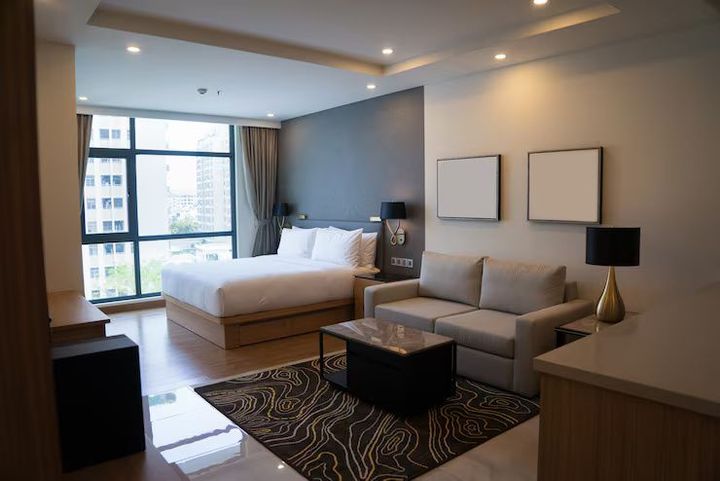
Serviced Apartments for Professionals: Explore Extended-Stay Travel Options
Serviced apartments give professionals a practical extended-stay option with furnished living spaces, kitchens, work areas, connectivity, and everyday facilities. Explore their features, uses, planning considerations, and current travel trends.
Context
Understanding Serviced Apartments for Professionals
Serviced apartments are furnished residential-style accommodations designed for travelers who need a place to stay for more than a typical short hotel visit. They generally combine an apartment layout with hospitality-related facilities, creating a living environment that can suit business assignments, relocations, project work, training periods, and extended travel.
For professionals, the main distinction is the combination of space and practical facilities. A typical unit may include a bedroom, living area, kitchen, bathroom, workspace, storage, and internet connectivity. Depending on the property, housekeeping, reception, maintenance, laundry facilities, fitness areas, and other amenities may also be available.
Current market research shows that corporate and business travelers represent a substantial part of serviced-apartment demand. One 2026 market assessment estimates this segment accounted for about 49.8% of global serviced-apartment revenue in 2025.
Why Professionals Use Them
Professionals may need temporary accommodation when traveling for a project, attending training, supporting an office launch, relocating between cities, or working on an assignment that lasts several weeks.
A serviced apartment can provide more separation between work and personal activities than a conventional hotel room. The additional living space can also make longer stays more practical, particularly when the traveler needs to maintain normal daily routines.
Typical Apartment Features
A professional-oriented serviced apartment may include:
Furnished bedroom and living areas.
Kitchen or kitchenette.
Dedicated or flexible workspace.
Internet connectivity.
Storage areas.
Laundry facilities or laundry access.
Housekeeping arrangements.
Reception or guest support.
Building security.
Fitness or shared facilities.
Parking where available.
The exact facilities vary by property, location, apartment category, and stay duration.
Importance
Extended-Stay Flexibility
The duration of a professional trip can change because of project schedules, meetings, relocation arrangements, or organizational requirements.
Serviced apartments can accommodate a range of stay periods, from several nights to several weeks or months. This flexibility is particularly relevant for professionals who do not need permanent housing but require more than a conventional short hotel stay.
Market research published in 2026 also points toward continued growth in long-stay and extended-stay accommodation, supported by corporate travel, relocation, and hybrid work patterns.
Workspace and Connectivity
A suitable workspace is important when accommodation doubles as a temporary working environment.
Professionals may need a desk, comfortable chair, electrical outlets, lighting, and dependable internet access. Those attending frequent online meetings should also consider background noise, room acoustics, mobile coverage, and the availability of backup connectivity.
Kitchen Facilities
One of the major differences between serviced apartments and conventional hotel rooms is the availability of a kitchen or kitchenette.
A kitchen can allow travelers to prepare simple meals and maintain familiar routines during longer stays. It may also be useful for professionals with irregular schedules who do not want to rely entirely on restaurant dining.
Separate Living Areas
Additional living space can provide a clearer distinction between work and rest.
For example, a professional can use the living area as a temporary workspace and keep the bedroom separate from work activities. Larger apartments can also accommodate colleagues or family members when appropriate.
Relocation Support
Professionals moving temporarily to another city may need accommodation while searching for permanent housing.
Serviced apartments can act as transitional accommodation during corporate relocation, office transfers, project assignments, or other periods when a permanent residence has not yet been arranged.
Convenient Locations
Location can influence the practicality of a professional stay.
Apartments near business districts, transport connections, technology parks, conference venues, hospitals, universities, or industrial areas may reduce daily travel time. At the same time, proximity to grocery stores, restaurants, pharmacies, and other everyday facilities can make longer stays easier to manage.
Recent Updates
Growth in Extended-Stay Accommodation
The serviced-apartment market continues to expand as travelers increasingly look for residential-style accommodation.
Grand View Research estimates the global serviced-apartment market at approximately USD 145.9 billion in 2026 and projects growth through 2033. Its research also identifies corporate and business travelers as a major end-use group.
Other 2026 market research places the global market at a different valuation, illustrating that market estimates can vary according to methodology, segmentation, and data sources.
Hybrid Work and Changing Stay Patterns
Hybrid work has changed the structure of some professional travel.
Instead of traveling only for fixed office schedules, professionals may combine office visits, project work, remote working days, and meetings across different locations. This can create demand for accommodation that supports both work and everyday living.
Recent industry analysis describes serviced apartments as being affected by these changing booking patterns, including variations in the timing and length of corporate stays.
Longer Travel Periods
Travel patterns are also moving toward longer stays in some markets.
Savills' 2026 European serviced-apartment research cites an 11% increase in European trips lasting seven to twelve nights in 2025 and connects longer travel with hybrid work, flexibility, and accommodation designed for extended occupancy.
For professionals, longer stays can increase the importance of kitchens, laundry facilities, storage, workspace, and convenient local access.
Technology-Enabled Accommodation
Technology is becoming more visible in serviced apartments.
Depending on the property, travelers may encounter digital check-in systems, smart access controls, online maintenance requests, building apps, connected appliances, or automated communication systems. These features can simplify routine interactions during a stay.
However, the presence of technology varies between properties, so travelers should confirm the facilities that are actually available.
Sustainability Considerations
Sustainability is becoming another consideration in corporate accommodation decisions.
Longer stays can reduce the need for repeated check-ins and short-distance transfers between accommodations. Some properties are also introducing energy-efficient appliances, improved building systems, waste-reduction measures, and other environmental practices.
Corporate travel programs may increasingly consider environmental reporting alongside location, accommodation standards, and travel policies.
Laws or Policies
Rental and Accommodation Regulations
Serviced apartments are subject to local accommodation and property regulations, which vary between cities and countries.
Depending on the location and operating model, properties may need registration, local permissions, safety compliance, or other documentation. Travelers should use accommodation that operates within the applicable local framework.
Corporate Travel Policies
Professionals traveling for organizations may need to follow internal corporate travel policies.
These policies can define permitted accommodation categories, booking channels, approval procedures, documentation requirements, travel limits, and expense reporting rules. The appropriate accommodation therefore depends not only on personal preference but also on the traveler's organizational requirements.
Immigration Requirements
International professionals should also consider immigration rules.
A visitor visa, business visa, work authorization, or residence permit may have different conditions depending on the destination and purpose of travel. Staying in a serviced apartment does not itself determine whether professional activities are permitted.
Travelers should consult current government immigration information before undertaking work-related international travel.
Data and Workplace Security
Remote work from accommodation also creates information-security considerations.
Professionals should follow their organization's requirements for passwords, authentication, virtual private networks where applicable, device updates, confidential documents, and public or shared networks.
Tools and Resources
Accommodation Comparison Tools
Online accommodation platforms can help professionals compare apartment size, location, workspace facilities, kitchen availability, internet connectivity, laundry arrangements, and stay-duration policies.
Travelers should review current property descriptions because facilities can differ significantly between buildings and apartment categories.
Corporate Travel Platforms
Corporate travel platforms can help organizations coordinate accommodation with travel approvals and employee itineraries.
Depending on the organization, these systems may also connect accommodation information with expense records, travel policies, traveler profiles, and reporting systems.
Maps and Transport Tools
Map applications are useful when evaluating an apartment's distance from an office, conference center, airport, railway station, or project location.
For longer stays, professionals should also check nearby supermarkets, restaurants, pharmacies, banks, public transport, and other everyday facilities.
Internet Testing Resources
Internet performance can be especially important for professionals who work remotely.
Where available, travelers can review recent connectivity information or ask property management about network speed, reliability, Wi-Fi coverage, and backup arrangements. This is particularly relevant for video meetings and cloud-based work.
Property Checklist
Before selecting a serviced apartment, professionals can compare:
| Feature | Short Professional Stay | Extended Professional Stay |
|---|---|---|
| Furnishing | Important | Essential |
| Internet | Important | Essential |
| Workspace | Useful | Highly important |
| Kitchen | Optional | Highly useful |
| Laundry | Useful | Important |
| Storage | Useful | Essential |
| Housekeeping | Useful | Depends on preference |
| Transport access | Important | Important |
| Local facilities | Useful | Highly important |
| Flexible duration | Useful | Essential |
India as a Serviced-Apartment Market
India has a growing serviced-apartment ecosystem in major business centers and technology-oriented cities.
Current market research estimates India's serviced-apartment segment to grow at a 14.6% compound annual rate from 2026 to 2033. The research connects this demand partly with domestic relocation and temporary furnished accommodation for professionals moving between cities.
Major business destinations can be particularly relevant for corporate travelers because they combine office districts, transportation infrastructure, technology hubs, and extended-stay accommodation.
FAQs
What are serviced apartments for professionals?
Serviced apartments for professionals are furnished residential-style accommodations designed for business assignments, relocations, training periods, project work, and other extended travel requirements.
How long can professionals stay in serviced apartments?
Stay periods vary by property and location. Some accommodate short visits of several nights, while others are designed for stays lasting several weeks or months.
What facilities should professionals look for?
Important facilities can include reliable internet, a comfortable workspace, kitchen facilities, laundry access, storage, suitable lighting, convenient transportation, and proximity to everyday amenities.
Are serviced apartments suitable for corporate relocation?
Yes, they can be useful as temporary accommodation during relocation. They provide furnished living space while professionals arrange permanent housing or complete an assignment in a new city.
Are serviced apartments suitable for remote work?
Many are suitable for remote work when they provide reliable connectivity, a practical workspace, sufficient electrical outlets, and a quiet environment. Travelers should confirm these facilities before booking.
Conclusion
Serviced apartments provide professionals with a residential-style accommodation option for business travel, relocation, project assignments, and longer stays. Their combination of furnished living areas, kitchens, workspaces, connectivity, and everyday facilities can make extended travel more practical. Current 2026 trends show continued interest in longer stays, hybrid work, technology-enabled accommodation, and flexible professional travel. The right choice depends on stay duration, work requirements, location, company policies, and the facilities available at the individual property.