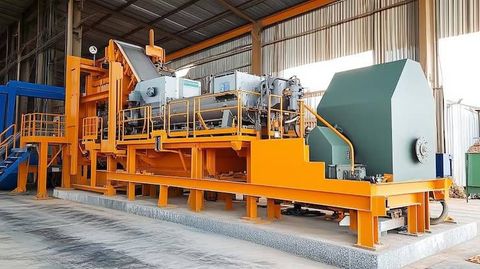
Meat Processing Machines: Discover Modern Equipment, Processing Stages, and Applications
Meat processing machines are industrial systems used to handle, prepare, cut, grind, mix, form, cook, chill, and package meat products. This article covers modern processing equipment, production stages, machine components, automation, hygiene, quality controls, applications, and relevant food-processing requirements.
Meat Processing Machines: Discover Modern Equipment, Processing Stages, and Applications
Context
What Are Meat Processing Machines?
Meat processing machines are industrial food-processing systems designed to perform different stages of meat preparation and production. Depending on the product and facility, equipment can be used for cutting, deboning, grinding, mixing, forming, stuffing, cooking, chilling, slicing, and packaging.
Modern meat-processing facilities often use several machines connected through a coordinated production line. The equipment selected depends on the type of meat, product formulation, processing capacity, hygiene requirements, temperature conditions, and final product specifications.
Main Components of Meat Processing Equipment
A meat-processing line can contain several types of mechanical, electrical, and control equipment.
| Component | Main Function |
|---|---|
| Cutting system | Cuts meat into required sizes |
| Deboning equipment | Separates meat from bones |
| Grinder | Reduces meat into smaller particles |
| Mixer | Combines meat with selected ingredients |
| Bowl or hopper | Holds material during processing |
| Forming machine | Shapes prepared meat mixtures |
| Stuffing machine | Fills casings or containers |
| Slicing machine | Produces uniform slices |
| Cooking system | Applies controlled thermal processing |
| Chilling system | Reduces product temperature |
| Conveyor | Transfers material between stages |
| Control panel | Coordinates machine operation |
| Sensors | Monitor selected process conditions |
| Cleaning system | Supports hygienic equipment maintenance |
The exact equipment arrangement varies according to whether the facility processes fresh meat, minced products, sausages, cooked products, frozen products, or other formulations.
Basic Meat Processing Stages
A typical production sequence begins with receiving and inspecting raw material. Meat may then be trimmed, deboned, cut, minced, mixed, formed, stuffed, cooked, chilled, sliced, or packaged depending on the product.
Temperature control is important throughout processing because meat is a perishable food material. Production areas therefore commonly use controlled refrigeration, chilled storage, monitoring systems, and hygienic handling procedures.
Raw Material Handling → Cutting or Deboning → Grinding → Mixing → Forming or Stuffing → Cooking, Where Required → Chilling → Slicing → Packaging
The actual sequence depends on the product and processing method.
Importance
Consistent Processing
Mechanical equipment helps establish repeatable processing conditions for operations such as cutting, grinding, mixing, forming, and slicing.
Uniform particle size, portion dimensions, ingredient distribution, and processing temperature can influence the characteristics of the finished product.
Meat Processing Applications
Meat-processing equipment is used for a broad range of products.
Applications can include:
Fresh meat preparation
Minced meat
Sausages
Meatballs
Patties
Cooked meat products
Sliced meat products
Frozen meat products
Ready-to-cook products
Prepared food products
Different products require different combinations of machinery.
Cutting and Deboning
Cutting and deboning equipment can separate, portion, or prepare meat before further processing. Automated systems may use controlled blades, conveyors, sensors, and positioning mechanisms.
The equipment must be selected according to the type and size of material being processed.
Grinding
Industrial grinders reduce meat into smaller particles using cutting mechanisms and perforated plates.
Particle size can depend on the cutting arrangement, plate configuration, feed rate, material temperature, and machine settings. Consistent grinding can be important for products such as minced meat and formulated meat products.
Mixing
Mixers combine meat with ingredients such as salt, seasonings, water, fats, or other formulation components.
Mixing conditions can influence ingredient distribution and product consistency. Factors include mixing time, speed, temperature, batch size, and formulation characteristics.
Forming and Stuffing
Forming machines can shape prepared meat mixtures into defined portions or product shapes. Stuffing equipment can fill casings or other containers for products such as sausages.
Controlled portioning can help maintain consistent product dimensions during subsequent processing.
Cooking and Chilling
Some meat products require controlled thermal processing. Cooking systems can use steam, hot water, air, or other heating arrangements according to the product and process.
After cooking, rapid and controlled chilling may be required to bring the product to an appropriate temperature before further handling or storage.
Recent Updates
Increased Automation
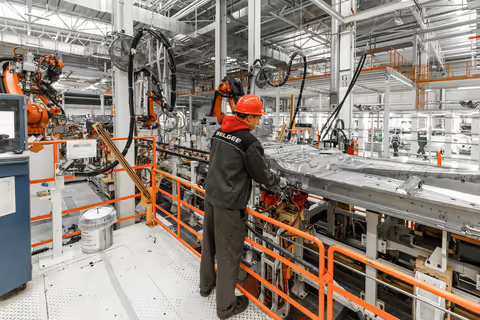
Modern meat-processing plants increasingly use automated conveyors, robotic handling, programmable controllers, sensors, and integrated production controls.
Automation can coordinate multiple processing stages while allowing operators to monitor machine status and selected production parameters.
Digital Process Monitoring
Sensors can monitor parameters such as:
Product temperature
Equipment temperature
Conveyor speed
Motor load
Processing time
Production count
Machine status
Alarm conditions
Refrigeration conditions
Data collection can support production records and help identify changes in operating conditions.
Vision-Based Inspection
Camera-based inspection systems can be integrated into food-processing lines to detect selected visual characteristics.
Depending on the application, vision systems may inspect product dimensions, surface appearance, position, foreign-material indicators, packaging condition, or other defined characteristics.
Robotic Handling
Robotic systems can perform selected repetitive handling tasks in modern food-processing environments.
Applications can include product transfer, tray loading, packing, palletizing, and other material-handling operations. The suitability of robotic equipment depends on product geometry, hygiene requirements, line configuration, and environmental conditions.
Improved Hygiene and Cleanability
Modern meat-processing equipment increasingly emphasizes hygienic construction and cleanability.
Design considerations can include suitable food-contact materials, accessible surfaces, drainage, minimized contamination points, controlled cleaning procedures, and equipment layouts that support sanitation.
Refrigeration and Cold-Chain Monitoring
Temperature monitoring is an important part of meat processing and storage.
Digital sensors and monitoring systems can track temperatures in processing rooms, chillers, cold stores, transport areas, and other controlled environments. Historical records can help verify temperature conditions.
Energy Monitoring
Meat-processing facilities use energy for motors, refrigeration, heating, compressed air, conveyors, pumps, lighting, and other systems.
Plant-level energy monitoring can help identify major consumption areas and support operational analysis.
Laws or Policies
Meat-processing facilities in India can be affected by food-safety requirements, hygiene regulations, machinery safety provisions, environmental requirements, electrical standards, and applicable product regulations.
Food Safety Requirements
The Food Safety and Standards Authority of India establishes requirements applicable to food businesses, including food manufacturing and processing activities.
Facilities should follow applicable provisions under the Food Safety and Standards Act and associated regulations. Processing equipment should be maintained and operated in a manner consistent with applicable food-safety and hygiene requirements.
Hygiene and Sanitation
Meat-processing areas require controlled hygiene practices because raw and processed products can have different handling requirements.
Facilities may establish procedures covering cleaning, sanitation, personnel hygiene, equipment inspection, raw-material handling, temperature control, and prevention of cross-contamination.
Food-Contact Materials
Equipment surfaces that directly contact meat or meat products should use materials appropriate for food-processing environments.
Selection can consider corrosion resistance, cleanability, temperature exposure, mechanical durability, and compatibility with cleaning procedures.
Machinery Safety
Meat-processing machines can contain sharp cutting components, rotating mechanisms, conveyors, electrical systems, and other potential hazards.
Appropriate guarding, emergency stopping systems, interlocks, safe access, electrical protection, maintenance procedures, and operator training are important safety considerations.
Environmental Requirements
Meat-processing facilities can generate wastewater, organic residues, solid waste, odour, and other environmental loads.
Appropriate wastewater treatment, waste handling, refrigeration management, and environmental controls depend on the facility and applicable regulatory requirements.
Standards Verification
Applicable FSSAI requirements, BIS standards, environmental provisions, and machinery-safety requirements should be verified according to the specific processing operation.
Current regulatory information should be checked when establishing, modifying, or expanding a meat-processing facility.
Tools and Resources
Cutting and Deboning Equipment
Cutting systems can include band saws, portioning machines, trimming equipment, and automated cutting systems.
Deboning equipment can use mechanical separation or controlled cutting arrangements depending on the product and processing method.
Meat Grinders
Industrial grinders are available in different configurations and capacities.
Important considerations include:
Grinding capacity
Cutting-system configuration
Feed mechanism
Product temperature
Particle size
Motor capacity
Cleaning access
Hygiene requirements
Mixers
Meat mixers can use paddles, blades, ribbons, or other mixing tools.
Batch size, formulation, mixing intensity, temperature, and processing duration should be considered when selecting a mixer.
Forming Equipment
Forming machines can produce consistent shapes and portions for products such as patties and meatballs.
The forming mechanism should be compatible with the product formulation and desired dimensions.
Sausage Stuffers
Sausage stuffing equipment transfers prepared mixtures into casings.
Machine configuration can vary according to casing type, product formulation, production capacity, and desired portion characteristics.
Slicing Equipment
Slicing machines can produce consistent product thickness for cooked or processed meat products.
Blade configuration, product temperature, feed speed, and product geometry can influence slicing performance.
Cooking and Chilling Systems
Thermal-processing equipment can include ovens, steam systems, cooking tanks, and other heating systems.
Chilling equipment can include blast chillers, refrigeration systems, chilled-water systems, and controlled cold rooms.
Monitoring and Testing
Production facilities can use:
Digital thermometers
Temperature data loggers
Weighing systems
Metal detection systems
Vision inspection equipment
pH measurement equipment
Moisture measurement systems
Power meters
Flow meters
Environmental monitoring sensors
The appropriate instruments depend on the product, process, and quality requirements.
FAQs
What are meat processing machines?
Meat processing machines are industrial food-processing systems used for operations such as cutting, deboning, grinding, mixing, forming, stuffing, cooking, chilling, slicing, and packaging.
How do meat processing machines work?
Different machines perform different processing stages. Meat can move through cutting, grinding, mixing, forming, cooking, chilling, and packaging equipment according to the product and production sequence.
What types of meat processing machines are used?
Common equipment includes meat grinders, cutting machines, deboning systems, mixers, forming machines, sausage stuffers, slicers, cooking systems, chilling equipment, conveyors, and packaging machinery.
What factors affect meat processing equipment performance?
Important factors include raw-material temperature, product characteristics, machine capacity, cutting configuration, mixing conditions, processing speed, hygiene procedures, equipment maintenance, and control settings.
Are meat processing machines used in industrial food production?
Yes. Industrial meat-processing facilities can use integrated equipment lines that connect raw-material handling, cutting, grinding, mixing, forming, cooking, chilling, slicing, and packaging operations.
Conclusion
Meat processing machines provide controlled mechanical and thermal operations for preparing a wide range of meat products. Equipment can perform cutting, deboning, grinding, mixing, forming, stuffing, cooking, chilling, slicing, and other production stages. Modern systems increasingly incorporate automation, digital monitoring, vision inspection, robotic handling, hygienic construction, refrigeration monitoring, and energy management. In India, meat-processing facilities should consider applicable food-safety, hygiene, machinery-safety, environmental, electrical, and equipment requirements.