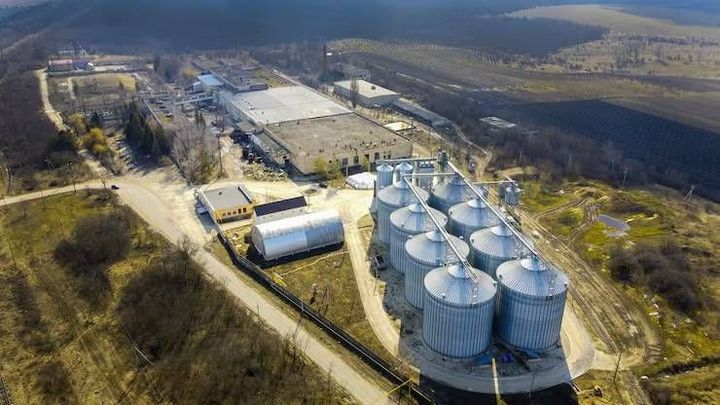
LPG Bottling Plants: Guide to Components, Processes, and Practical Insights
LPG Bottling Plants are industrial facilities where Liquefied Petroleum Gas is received in bulk, stored, transferred, filled into cylinders, checked, and prepared for distribution. LPG generally consists mainly of propane, butane, or mixtures of these hydrocarbons and is stored as a liquid under pressure.
A bottling plant is more than a cylinder-filling area. It normally includes bulk storage vessels, transfer equipment, pumps, piping, filling equipment, cylinder handling systems, weighing systems, inspection areas, fire protection, gas detection, electrical equipment, and emergency shutdown arrangements.
The exact plant design varies according to national regulations, LPG composition, cylinder types, storage capacity, throughput, climate, site layout, and distribution model.
How an LPG Bottling Plant Works
A simplified LPG bottling workflow can be divided into several stages:
Bulk receipt: LPG arrives at the facility through an approved transportation system such as a road tanker, rail system, pipeline, or other suitable arrangement.
Storage: The LPG is transferred into designated pressure vessels or storage tanks.
Cylinder preparation: Empty cylinders are received, identified, inspected, and prepared for filling.
Filling: LPG is transferred from the plant system into cylinders using controlled filling equipment.
Weight verification: Filled cylinders are checked to confirm that the intended quantity has been reached.
Leak checking: Cylinders and valves are examined for signs of leakage.
Valve and cap checks: Appropriate components are checked before cylinders leave the filling area.
Handling and dispatch: Approved cylinders are moved into designated storage or transportation areas.
The sequence and equipment arrangement can differ between facilities.
Main Components
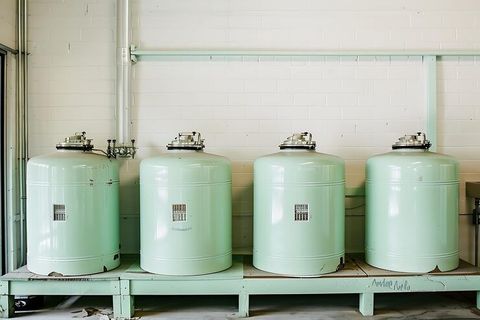
Bulk storage vessels hold LPG before it enters the filling system. These vessels incorporate pressure-control and protective equipment appropriate to their design.
Transfer pumps move liquid LPG from storage toward the filling system. Pump selection depends on pressure, flow requirements, LPG characteristics, and plant configuration.
Pipelines and valves control LPG movement between storage, pumps, filling equipment, and associated systems.
Filling machines or carousels connect cylinders to the LPG filling system. A carousel can rotate multiple cylinders through successive filling positions.
Weighing systems measure cylinder weight during or after filling. Automated equipment can stop the filling operation when the programmed target is reached.
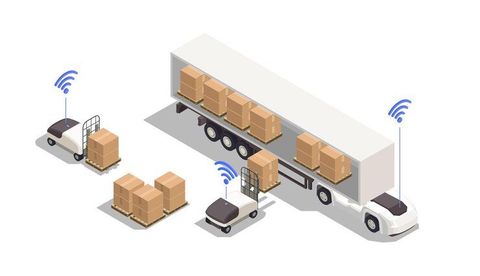
Conveyors and handling equipment move cylinders between inspection, filling, checking, and dispatch areas.
Gas detection equipment can identify LPG concentrations in selected locations and initiate alarms or other protective actions.
Fire protection systems can include hydrants, water systems, monitors, alarms, extinguishing equipment, and emergency response arrangements according to the facility's risk assessment and applicable regulations.
Importance
Supporting LPG Distribution
LPG cylinders are widely used for cooking, heating, commercial activities, industrial processes, and other applications around the world. Bottling plants form an important link between bulk LPG supplies and cylinder-based distribution networks.
The plant must coordinate storage, filling, inspection, handling, and dispatch while controlling the risks associated with a flammable gas stored under pressure.
Maintaining Controlled Filling
Accurate filling is important because LPG cylinders have defined filling limits and operating requirements. A filling system therefore needs suitable weighing, measurement, control, and inspection procedures.
ISO 10691 specifies procedures for checking refillable welded steel LPG cylinders before, during, and after filling. The standard applies to cylinders within its stated water-capacity range and does not itself cover plant or filling equipment.
Supporting Cylinder Integrity
Cylinders are pressure vessels and must remain suitable for repeated filling cycles. Their design, construction, inspection, testing, marking, and handling are therefore important parts of the LPG cylinder lifecycle.
ISO 22991 specifies requirements concerning the design and construction of transportable refillable welded steel LPG cylinders within its defined scope. The standard was reviewed and confirmed in 2023.
Managing Plant Hazards
LPG can form a flammable atmosphere when released and mixed with air under suitable conditions. A bottling plant therefore requires carefully planned ventilation, ignition-source control, gas detection, emergency shutdown systems, fire protection, equipment inspection, and operating procedures.
The World Liquid Gas Association's cylinder-filling guidance describes emergency shutdown arrangements that can stop liquid and vapor transfer, filling equipment, pumps, and mechanized cylinder handling equipment during an emergency.
Major Plant Areas
| Plant Area | Main Function | Typical Equipment |
|---|---|---|
| Receiving area | Receives bulk LPG | Transfer connections, valves |
| Storage area | Holds bulk LPG | Pressure vessels, gauges |
| Pump area | Moves liquid LPG | LPG pumps, motors |
| Filling area | Fills cylinders | Scales, filling heads |
| Inspection area | Checks cylinders | Test equipment, leak detection |
| Handling area | Moves cylinders | Conveyors, platforms |
| Safety area | Emergency protection | Alarms, ESD, fire systems |
| Dispatch area | Prepares cylinders | Storage racks, handling systems |
Recent Updates
More Automated Filling Systems
Modern LPG Bottling Plants increasingly use automated filling equipment to coordinate cylinder positioning, weighing, filling, and verification.
Automation can connect filling scales, valves, conveyors, barcode or identification systems, and plant-control software. This can reduce manual intervention in repetitive stages while allowing operators to supervise the overall process.
The appropriate level of automation depends on plant capacity, cylinder design, regulatory requirements, and operational needs.
Digital Cylinder Tracking
Digital identification technologies can associate individual cylinders with information such as inspection status, filling history, movement, and ownership records.
Barcode systems, RFID technologies, databases, and connected plant software can improve traceability across the cylinder lifecycle.
Advanced Leak Detection
Gas detection technology continues to be an important part of LPG plant safety. Fixed detectors can monitor selected locations, while other systems can support inspection of cylinders and connections.
Alarm systems may also be integrated with emergency shutdown arrangements. World Liquid Gas guidance notes that alarms can be activated manually or through detection technologies such as gas or heat sensors.
Improved Cylinder Inspection
Cylinder inspection is receiving continued attention through international standards and transportation regulations.
ISO 10464 covers periodic inspection and testing of refillable welded steel LPG cylinders within its defined scope. The standard was reviewed and confirmed in 2024.
These inspection activities help identify cylinders that require further examination, testing, repair, or removal from circulation according to applicable rules.
Digital Plant Monitoring
Connected sensors and industrial control systems can monitor selected parameters such as tank pressure, temperature, pump conditions, filling activity, alarms, and equipment status.
Centralized monitoring can help plant personnel identify abnormal conditions and review operational information.
Industry Development Worldwide
The global LPG industry continues to develop toward more automated facilities, digital tools, and integrated plant systems. The World Liquid Gas Association noted in 2026 that the industry has progressed from earlier mechanical filling arrangements toward automated facilities and digital technologies.
Laws or Policies
Regulations Vary by Country
There is no single worldwide law governing every LPG bottling plant. Facilities must comply with the requirements of the jurisdiction where they operate, along with applicable technical standards and transportation rules.
Depending on the location, requirements may address pressure vessels, hazardous areas, fire protection, electrical installations, occupational safety, environmental controls, cylinder testing, transportation, emergency planning, and land-use conditions.
International Cylinder Standards
ISO standards provide internationally recognized technical references for LPG cylinders.
ISO 22991 addresses design and construction of specified refillable welded steel LPG cylinders, while ISO 10464 addresses periodic inspection and testing. ISO 10691 addresses checks before, during, and after cylinder filling.
These standards should be considered alongside national requirements rather than treated as substitutes for local regulations.
Dangerous Goods Transportation
LPG cylinders and bulk LPG can fall under dangerous-goods transportation frameworks. The United Nations recommendations and regional systems such as ADR influence requirements for packaging, marking, inspection, and transportation in applicable jurisdictions.
UNECE documents show continuing regulatory work concerning LPG cylinder marking and periodic inspection requirements under European dangerous-goods transportation rules.
Fire and Emergency Protection
Fire-safety requirements vary according to jurisdiction and facility design. NFPA 58 is an important reference in locations where it is adopted or otherwise applicable to LP-Gas installations.
Emergency arrangements commonly consider emergency shutdown, alarms, fire-water systems, access for emergency responders, evacuation, and communication procedures. The World Liquid Gas guidance specifically emphasizes coordinated emergency shutdown and alarm arrangements for cylinder-filling facilities.
Cylinder Filling Procedures
Filling procedures should account for cylinder condition, identification, permissible filling level, valve condition, inspection status, and applicable operating limits.
ISO 10691 specifically addresses checks before, during, and after LPG cylinder filling, making it a useful international reference for understanding the inspection stages associated with filling.
Tools and Resources
Filling Carousels
A filling carousel rotates cylinders through multiple filling positions. Each position can perform a defined stage of the filling sequence, depending on the equipment design.
Carousels can be integrated with weighing systems, automatic valves, identification systems, and conveyor arrangements.
Check-Weighing Systems
Check-weighing equipment verifies cylinder weight after filling. An automated system can identify cylinders outside the configured tolerance and route them for additional examination.
Gas Detection Systems
Fixed gas detectors can monitor selected areas for LPG concentrations. Detection systems can be connected to alarms and, where appropriately engineered, emergency shutdown functions.
Cylinder Inspection Equipment
Inspection equipment can be used for visual examination, weighing, valve checking, leak detection, and other applicable tests. Periodic inspection may involve more detailed examination according to the relevant cylinder standard and national rules.
Plant Control Systems
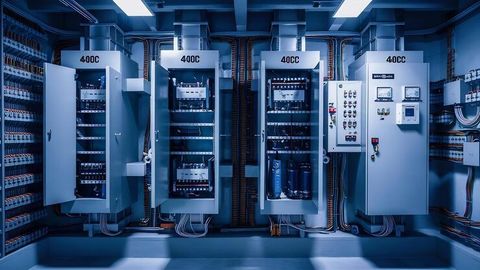
Industrial control systems can collect information from pumps, valves, filling machines, sensors, alarms, and storage systems.
Operators can use these systems to monitor plant conditions and coordinate selected processes from a central control area.
Safety Resources
Useful international references include:
ISO 10691: LPG cylinder checks before, during, and after filling.
ISO 10464: Periodic inspection and testing of specified refillable LPG cylinders.
ISO 22991: Design and construction requirements for specified refillable welded steel LPG cylinders.
NFPA 58: LP-Gas code used in applicable jurisdictions.
UNECE dangerous-goods materials: Transportation requirements and regulatory developments.
World Liquid Gas Association guidance: Industry guidance covering LPG cylinder filling and safety practices.
The applicable edition and legal status of each standard should always be verified for the country and facility concerned.
FAQs
What are LPG Bottling Plants?
LPG Bottling Plants are industrial facilities where bulk Liquefied Petroleum Gas is received, stored, transferred, filled into cylinders, inspected, and prepared for distribution.
What equipment is used in LPG Bottling Plants?
Common equipment includes storage vessels, LPG pumps, pipelines, valves, filling machines, weighing systems, conveyors, cylinder inspection equipment, gas detectors, control systems, alarms, and fire-protection equipment.
How does an LPG bottling plant fill cylinders?
Bulk LPG is transferred from storage through controlled piping and filling equipment. A cylinder is connected to a filling position, the required quantity is transferred, and the cylinder is then checked for weight, leakage, valve condition, and other applicable requirements.
Why is safety important in LPG Bottling Plants?
LPG is a flammable material stored under pressure. Plant design therefore needs controls for leakage, ignition sources, pressure, fire, equipment movement, emergency shutdown, detection, and personnel protection.
Which international standards are relevant to LPG cylinder filling?
ISO 10691 addresses checks before, during, and after LPG cylinder filling. ISO 10464 addresses periodic inspection and testing, while ISO 22991 covers design and construction of specified refillable welded steel LPG cylinders. Other national and regional requirements may also apply.
Conclusion
LPG Bottling Plants combine bulk storage, transfer equipment, cylinder handling, filling systems, inspection processes, control technology, and emergency protection into one coordinated industrial facility. Modern plants increasingly use automation, digital cylinder tracking, connected monitoring, and advanced detection technologies. International standards such as ISO 10691, ISO 10464, and ISO 22991 provide important technical references for cylinder filling and integrity, while national regulations determine the specific legal requirements for each facility. Understanding the plant workflow and its major components helps explain how LPG can move from bulk storage into controlled cylinder distribution.
Meta Title:
Meta Description:
Estimated Read Time: 7 minutes