HVAC Control Panels: Discover Automation, Monitoring, and Building Climate Management
HVAC Control Panels are central components used to monitor and manage heating, ventilation, and air-conditioning systems. They coordinate equipment such as fans, pumps, compressors, dampers, sensors, and temperature controls. This article explores HVAC control panel technology, automation, monitoring functions, system components, recent developments, safety requirements, and their role in modern building climate management.
HVAC Control Panels: Discover Automation, Monitoring, and Building Climate Management
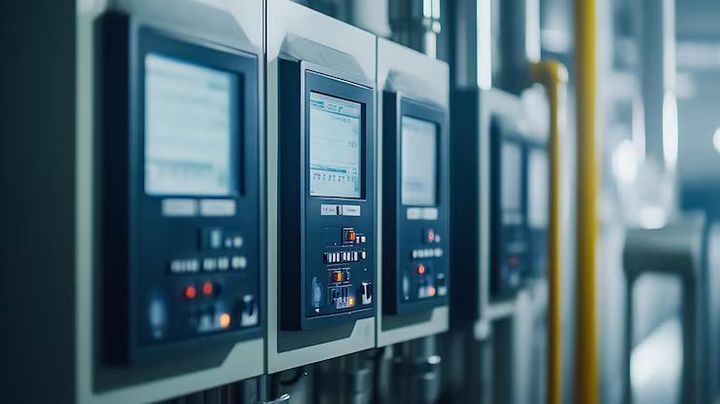
HVAC Control Panels are electrical and electronic control assemblies used to coordinate heating, ventilation, and air-conditioning equipment. They provide a central point for managing signals from sensors, controllers, switches, relays, variable-speed drives, and other devices connected to a climate-control system.
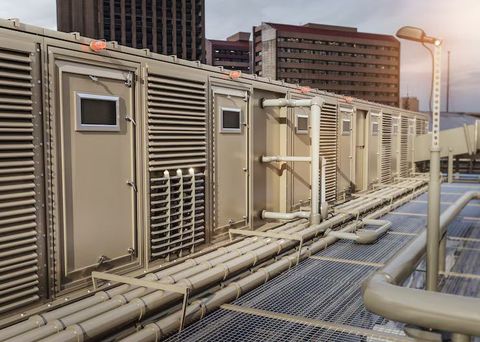
In commercial and industrial buildings, HVAC equipment can include air-handling units, chillers, pumps, cooling towers, fans, boilers, heat pumps, dampers, and other components. Without coordinated controls, these systems may operate independently and make it difficult to maintain consistent indoor conditions.
An HVAC control panel helps organize these functions by receiving information from field devices and sending control signals to connected equipment. The panel may operate as a standalone controller or communicate with a larger building automation system.
Context
HVAC control panels are designed around the equipment and control strategy used in a particular building. A small system may use a relatively simple panel with switches, relays, and a controller, while a large commercial facility can require networked controllers, programmable logic, sensors, communication modules, and extensive monitoring functions.
The panel normally interacts with equipment through electrical wiring and communication networks. Inputs provide information about operating conditions, while outputs allow the control system to start, stop, adjust, or otherwise coordinate equipment.
Main Components
The exact configuration varies, but many HVAC control panels contain several common components.
| Component | Main Function |
|---|---|
| Controller | Processes signals and executes programmed control logic |
| Circuit breakers | Provide electrical protection for circuits |
| Contactors | Switch electrical loads such as motors |
| Relays | Control electrical signals and equipment functions |
| Variable frequency drives | Adjust motor speed where applicable |
| Power supply | Provides required control voltage |
| Terminal blocks | Organize field wiring connections |
| Sensors | Provide temperature, pressure, humidity, or other readings |
| Communication modules | Connect equipment to control networks |
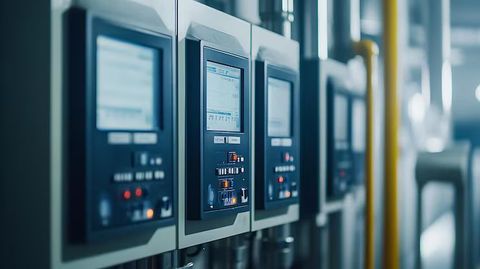
| Human-machine interface | Provides local monitoring and control |
The selection of components depends on voltage levels, equipment capacity, control requirements, environmental conditions, and applicable electrical standards.
How HVAC Control Panels Work
Sensors installed throughout an HVAC system collect information about conditions such as temperature, pressure, humidity, airflow, or equipment status. These signals are transmitted to the controller within the panel.
The controller compares the measured conditions with programmed operating parameters. It can then send signals to fans, pumps, valves, compressors, dampers, heating equipment, or other devices.
For example, if a building zone becomes warmer than its programmed temperature range, the control system can respond by adjusting cooling equipment or airflow. Once conditions move toward the required range, the system can reduce or change equipment operation.
This automated process allows HVAC equipment to respond continuously to changing building conditions.
Importance
HVAC Control Panels are important because modern climate-control systems involve many interconnected pieces of equipment. Coordinating them requires accurate information, reliable electrical control, and appropriate automation logic.
Centralized Control
A control panel can bring multiple HVAC functions into one organized control architecture. Instead of operating every piece of equipment separately, the system can coordinate related components according to programmed sequences.
This is particularly useful in larger facilities with several air-handling systems, pumps, fans, and temperature zones.
Equipment Coordination
HVAC systems often depend on equipment operating in a particular sequence. A pump may need to operate before a cooling device, while a fan may require a signal confirming that another component is ready.
Control logic can establish these sequences and prevent incompatible operating conditions.
Monitoring
Modern panels can provide information about equipment status and operating conditions. Depending on the system, operators may be able to monitor:
Supply and return air temperature
Air pressure
Water temperature
Fan status
Pump status
Compressor operation
Filter conditions
Damper position
Alarm conditions
Electrical parameters
Monitoring gives facility personnel a clearer view of system operation.
Energy Management
Control strategies can adjust HVAC equipment according to occupancy, outdoor conditions, operating schedules, and actual demand.
Variable-speed drives, staged equipment operation, temperature reset strategies, and occupancy-based control can help align system output with building requirements.
Fault Detection
Control panels can also identify abnormal conditions. A controller may receive an alarm signal when a motor overload occurs, a temperature moves outside an expected range, or a component fails to respond.
These alerts can help personnel investigate problems before they significantly affect building operation.
Recent Updates
From 2024 through 2026, HVAC control technology has continued to develop around connected systems, automation, sensor integration, and data-driven building management.
Building Automation Integration
HVAC control panels are increasingly designed to communicate with building automation systems. This allows multiple HVAC systems to be monitored through centralized software.
Communication can enable operators to view equipment status, adjust selected settings, review alarms, and analyze operating information from a common interface.
Smart Sensors
Sensors are becoming an increasingly important part of automated climate management. Temperature, humidity, pressure, occupancy, air quality, and other measurements can be incorporated into control strategies.
More detailed sensor information allows controllers to respond to actual conditions instead of relying only on fixed operating schedules.
Variable-Speed Control
Variable frequency drives and other motor-control technologies allow fans and pumps to operate at different speeds. The control panel can adjust these devices according to system demand.
This provides greater flexibility than simple on-off control and can support more precise airflow and fluid-flow management.
Remote Monitoring
Network-connected HVAC systems can transmit operational information to centralized monitoring platforms. Depending on the architecture, facility personnel may review equipment status and alarms from a remote interface.
Remote monitoring does not eliminate the need for physical inspection, but it can improve visibility into equipment operation.
Data and Analytics
HVAC control systems can generate operational data covering temperatures, run times, alarms, equipment states, and other variables.
When this information is analyzed over time, building operators can identify recurring operating patterns and investigate unusual behavior.
Laws or Policies
HVAC control panels must comply with electrical, building, mechanical, fire, and workplace safety requirements applicable to their installation.
Exact requirements differ by country, region, building type, voltage level, and equipment configuration.
Electrical Safety
Panels must be designed and installed according to applicable electrical requirements. Protection devices, wiring, grounding, enclosure construction, disconnects, and control circuits all require appropriate consideration.
Panel ratings should correspond to the connected loads and environmental conditions.
Building Regulations
Commercial buildings may have requirements concerning ventilation, temperature control, energy management, equipment access, and building automation.
HVAC controls may therefore need to support specific operating sequences established by the building design or applicable regulations.
Fire and Life Safety
HVAC systems can interact with fire and smoke control systems. Dampers, fans, shutdown sequences, and alarm signals may need to operate according to the building's fire protection design.
Fire-related control functions should be designed and commissioned according to applicable codes and approved system documentation.
Workplace Safety
Electrical panels require safe access for inspection and maintenance. Appropriate working clearances, labeling, isolation procedures, protective equipment, and electrical safety practices should be followed.
Personnel working on control panels should have the appropriate training for the electrical and HVAC systems involved.
Tools and Resources
Proper design, commissioning, monitoring, and maintenance of HVAC Control Panels require a combination of electrical and HVAC resources.
Testing Equipment
Common tools used during inspection and commissioning can include:
Digital multimeters
Clamp meters
Insulation testing equipment
Temperature measurement instruments
Pressure gauges
Airflow measurement devices
Network communication testers
Control-signal testing equipment
The specific instruments depend on the panel and connected HVAC equipment.
Control Software
Programmable controllers often require dedicated configuration software. These platforms allow engineers or technicians to establish sequences, configure inputs and outputs, define alarm conditions, and review system data.
Building automation software can provide a broader interface for monitoring multiple HVAC systems.
Documentation
Accurate documentation is essential for understanding a control panel.
Useful documents can include:
Electrical schematics
Wiring diagrams
Control sequences
Panel layouts
Equipment schedules
Input and output lists
Network diagrams
Controller configuration records
Commissioning reports
Maintenance instructions
Clear documentation can make troubleshooting and future system modifications easier.
Maintenance
Control panels require periodic inspection to identify loose connections, overheating, damaged wiring, failed components, contamination, and other issues.
Sensors and control devices should also be checked to ensure that the information reaching the controller remains accurate.
Software configurations and communication networks may require separate review, particularly when systems are connected to wider building automation platforms.
FAQs
What are HVAC Control Panels?
HVAC Control Panels are electrical and electronic assemblies used to coordinate heating, ventilation, and air-conditioning equipment. They receive information from sensors and send control signals to connected equipment.
What equipment can HVAC Control Panels control?
HVAC Control Panels can coordinate fans, pumps, compressors, dampers, valves, heating equipment, air-handling units, and other HVAC components, depending on the control system design.
How do HVAC Control Panels support building automation?
They connect HVAC equipment with programmable controllers, sensors, communication networks, and building automation platforms. This allows operating conditions and equipment status to be monitored and controlled from centralized interfaces.
What information can an HVAC control panel monitor?
Depending on its configuration, a panel can monitor temperature, humidity, pressure, airflow, motor status, equipment operation, alarms, damper position, and electrical parameters.
Why are sensors important in HVAC control systems?
Sensors provide the real-time information needed by controllers to make operating decisions. Accurate temperature, pressure, humidity, occupancy, and other measurements can help the system respond to changing building conditions.
Conclusion
HVAC Control Panels provide the control architecture needed to coordinate modern heating, ventilation, and air-conditioning equipment. They connect sensors, controllers, protection devices, drives, relays, and communication systems into an organized automation framework.
Recent developments have emphasized connected controls, smart sensors, variable-speed operation, remote monitoring, and greater use of operational data. At the same time, proper electrical design, safety procedures, documentation, commissioning, and regulatory compliance remain essential parts of a reliable HVAC control system.