Generator Control Panels: Guide to Components, Functions, and Practical Insights
Generator Control Panels are electrical control systems that allow operators and automated systems to monitor, control, and protect a generator set. They act as an interface between the generating set and the person or electrical system operating it.
A generator converts mechanical energy from an engine or another prime mover into electrical energy. The control panel manages important operating information such as voltage, frequency, engine speed, battery condition, temperature, oil pressure, and electrical load.
Modern panels can range from simple manual controls to sophisticated digital systems that communicate with automatic transfer equipment, building management systems, remote monitoring platforms, and other generators.
How a Generator Control Panel Works
A typical system continuously receives information from sensors and electrical measuring devices. The controller processes this information and compares it with programmed operating limits.
When the generator starts, the controller can monitor engine speed and electrical output before allowing the generator to connect to a load. If an abnormal condition is detected, the system can provide an alarm or initiate a protective shutdown, depending on the configuration.
A simplified sequence is:
Start command: The controller receives a manual or automatic start signal.
Engine operation: The engine reaches its required operating speed.
Electrical monitoring: Voltage, current, frequency, and other values are measured.
Load connection: Switching equipment connects the generator to the intended electrical load when appropriate.
Continuous monitoring: Sensors and measuring circuits track operating conditions.
Protection: Abnormal conditions can trigger alarms, load disconnection, or shutdown.
Stopping: When the operating requirement ends, the controller follows the programmed shutdown sequence.
The exact sequence varies according to generator type, control architecture, switching arrangement, and application.
Main Types of Generator Control Panels
Manual control panels require an operator to initiate and monitor generator operation. They are commonly associated with relatively simple installations.
Automatic control panels can start a generator when an external signal indicates that backup power is required.
Synchronizing panels coordinate voltage, frequency, phase angle, and other parameters when generators operate in parallel or interact with another power source.
Load-sharing panels help coordinate multiple generators so that electrical demand is distributed among available generating units.
Remote monitoring panels can communicate operating information to another location through wired or wireless communication systems.
Importance
Monitoring Generator Performance
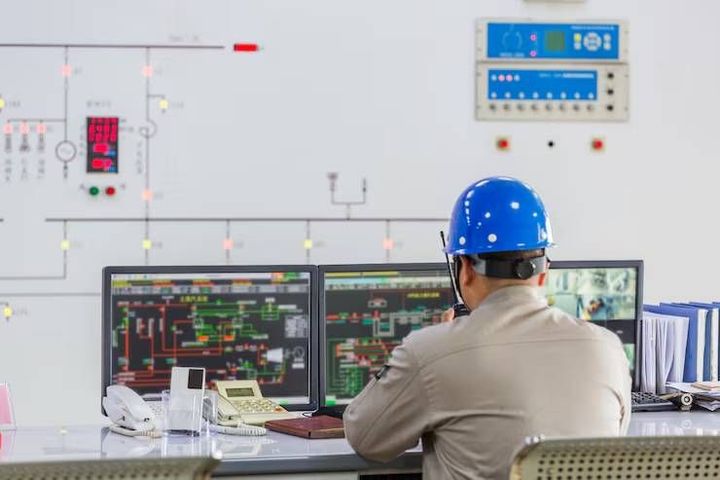
Generator Control Panels provide a central location for observing important operating values. Depending on the system, the display may show engine speed, generator voltage, current, frequency, power, battery voltage, coolant temperature, oil pressure, running hours, and alarm conditions.
This information helps operators understand whether the generating set is operating within its configured limits.
Protecting Electrical and Mechanical Equipment
Generators contain mechanical and electrical components that can be affected by abnormal operating conditions. Excessive temperature, low oil pressure, overspeed, overcurrent, under-voltage, over-voltage, or abnormal frequency can require protective action.
The controller can be configured to respond according to the generator manufacturer's design and the application requirements.
Supporting Automatic Backup Power
In standby applications, the control panel can communicate with automatic transfer equipment. When the primary electrical source becomes unavailable, the transfer system can send a start signal to the generator.
After the generator reaches suitable operating conditions, the transfer equipment can connect the required loads. When the normal source returns, the system can transfer the load back and initiate a controlled generator shutdown.
Managing Multiple Generators
Large facilities may use several generator sets rather than a single unit. Control systems can coordinate starting, stopping, synchronization, and load distribution among multiple machines.
Parallel operation requires careful control of electrical parameters because improperly coordinated generators can create damaging electrical conditions.
Common Panel Functions
| Function | Main Purpose | Typical Information |
|---|---|---|
| Voltage monitoring | Tracks generator output | Volts |
| Frequency monitoring | Checks electrical frequency | Hz |
| Current monitoring | Measures electrical load | Amps |
| Engine monitoring | Tracks engine condition | Temperature, pressure |
| Overspeed protection | Detects excessive engine speed | RPM |
| Alarm management | Reports abnormal conditions | Warning or shutdown |
| Automatic start | Initiates generator operation | Start signal |
| Communication | Transfers operating data | Digital network |
Recent Updates
New International Standard for Generator Controlgear
A major recent development is ISO 8528-4:2025, which specifies criteria for controlgear and switchgear used with alternating-current generating sets driven by reciprocating internal-combustion engines. The 2025 edition replaced the earlier 2005 edition and applies to land and marine generating sets within its stated scope.
The updated standard is relevant because controlgear and switchgear are central parts of how generator systems are monitored, controlled, and connected to electrical loads.
More Digital Control Systems
Generator controllers are increasingly based on digital electronics rather than simple electromechanical controls. Digital systems can process more measurements, display detailed alarms, store operating information, and communicate with external equipment.
Modern controllers may support protocols used for industrial communication and integration with facility monitoring systems. The exact communication options depend on the controller and installation.
Remote Monitoring
Remote monitoring allows selected generator information to be viewed from another location. Depending on the system, operators may receive information about generator status, alarms, running hours, electrical measurements, and operating events.
Remote communication can be useful for facilities with distributed power equipment, although cybersecurity, network reliability, access control, and communication failure should be considered during system design.
Parallel Generator Operation
Increasingly sophisticated controllers can coordinate multiple generator sets operating together. Synchronizing functions compare electrical parameters before connecting a generator to a live bus.
Load-sharing systems can then distribute electrical demand among generators according to programmed operating conditions.
Advanced Electrical Protection
Modern generator panels can incorporate more detailed electrical protection and monitoring functions. These can include overcurrent, under-voltage, over-voltage, under-frequency, over-frequency, reverse power, earth-fault, and phase-related protection, depending on the installation.
The appropriate protection arrangement depends on generator capacity, voltage level, connection method, application, and local electrical requirements.
Updated Low-Voltage Controlgear Standards
IEC 61439-1:2020 provides general requirements for low-voltage switchgear and controlgear assemblies, including construction, technical characteristics, and verification requirements. IEC 61439-2:2020 addresses power switchgear and controlgear assemblies for applications including generation and distribution of electrical energy.
These standards can become relevant when a generator control panel forms part of a low-voltage assembly.
Laws or Policies
International Standards
Generator installations are governed by different electrical, fire, machinery, and workplace requirements depending on the country and application.
ISO 8528-4:2025 provides an international reference specifically covering controlgear and switchgear for certain generating sets. Other standards can apply to the electrical assembly, protection devices, wiring, installation environment, and emergency power arrangement.
Standards should therefore be considered as a group rather than assuming that one document covers an entire generator installation.
North American Requirements
In the United States, generator installations can be affected by electrical and workplace safety requirements. OSHA rules address aspects of generator grounding and electrical safety, including requirements concerning portable and vehicle-mounted generators.
OSHA guidance also states that a portable generator should not be connected directly to a building electrical system unless an appropriately installed transfer switch is used.
European Requirements
The European Union's Machinery Regulation (EU) 2023/1230 establishes health and safety requirements for machinery and related products. It includes requirements concerning control devices, safety-related control systems, indicators, and emergency functions where applicable. The regulation has also been amended through later EU legislation.
Whether a particular generator panel falls under a specific European regulatory framework depends on its design, integration, intended use, and classification.
Emergency and Standby Power
Emergency and standby power installations can have additional requirements because they may supply critical loads such as healthcare facilities, emergency systems, communications infrastructure, industrial equipment, or data centers.
NFPA 110 addresses emergency and legally required standby power systems and includes power sources, transfer equipment, controls, supervisory equipment, and associated electrical and mechanical equipment within its scope.
Local electrical codes, fire regulations, building requirements, and authority requirements may add further conditions.
Tools and Resources
Digital Generator Controllers
Digital controllers provide a central interface for generator operation and monitoring. They can display measurements, alarms, operating modes, and event information.
Some controllers also provide communication interfaces for integration with supervisory systems.
Automatic Transfer Equipment
Automatic transfer equipment monitors electrical sources and can transfer selected loads between a normal source and a generator.
The generator controller and transfer equipment often communicate through dedicated start and status signals.
Power Meters
Power meters measure electrical parameters such as voltage, current, frequency, active power, reactive power, and power factor.
These measurements can help operators understand generator loading and electrical behavior.
Communication Networks
Industrial communication networks can connect generator controllers with supervisory systems. Depending on the equipment, communication may use protocols such as Modbus, CAN-based systems, Ethernet-based protocols, or manufacturer-specific interfaces.
Network selection should consider compatibility, distance, cybersecurity, redundancy, and the information that needs to be exchanged.
Protection Devices
Circuit breakers, fuses, relays, emergency-stop devices, and other protective components can work alongside the controller.
IEC 60947-5-5:2026 provides specifications for electrical emergency-stop devices with mechanical latching functions used to initiate emergency-stop signals.
Documentation and Testing Tools
Generator installations normally require technical documentation such as wiring diagrams, control logic information, alarm lists, equipment ratings, and operating instructions.
Testing equipment can be used by qualified personnel to verify electrical measurements, protection functions, control signals, and generator performance according to the applicable installation requirements.
FAQs
What are Generator Control Panels?
Generator Control Panels are electrical control systems that monitor, control, and protect generator sets. They can manage starting, stopping, alarms, electrical measurements, and communication with other equipment.
What components are found in Generator Control Panels?
Common components include a digital controller, display, circuit breakers, relays, fuses, contactors, measuring devices, terminal blocks, communication interfaces, and protective circuits.
How do Generator Control Panels work?
The panel receives information from generator sensors and electrical measuring circuits. Its controller processes this information and can display operating conditions, issue alarms, initiate protective actions, or control generator operation.
What is an automatic generator control panel?
An automatic generator control panel can receive a start signal when backup power is required. It can then manage generator startup, monitor operating conditions, and coordinate with transfer equipment according to the configured system.
What standards apply to Generator Control Panels?
Relevant standards depend on the application and country. ISO 8528-4:2025 specifically addresses controlgear and switchgear for certain generating sets, while IEC 61439 covers applicable low-voltage switchgear and controlgear assemblies. Regional electrical, machinery, fire, and workplace requirements may also apply.
Conclusion
Generator Control Panels provide the central control and monitoring functions needed for many modern generating systems. They can manage starting, stopping, electrical measurement, alarms, protective functions, synchronization, and communication with other equipment. Recent developments include digital controllers, remote monitoring, advanced protection, multi-generator coordination, and updated international standards such as ISO 8528-4:2025. Because generator installations vary widely, the applicable electrical, machinery, fire, and workplace requirements should be considered according to the country and specific application.