Fruit Washing Equipment: Guide to Cleaning Systems and Processing Technology
Fruit Washing Equipment refers to machines and systems used to clean harvested fruits before further processing, packing, storage, or distribution. These systems can remove soil, dust, plant material, surface debris, and other unwanted matter from fruit surfaces.
Washing is an important stage in many fruit-processing operations because harvested produce can carry materials from fields, orchards, transport containers, and handling environments. The exact washing method depends on fruit type, surface characteristics, maturity, production volume, and the next processing stage.
Modern equipment can combine water, controlled movement, brushes, sprays, air, conveyors, filtration, and monitoring systems. Some processing lines also incorporate specialized water-treatment technologies where appropriate for the application.
How Fruit Washing Systems Work
A typical fruit-washing line moves produce through several stages. The exact sequence varies according to the fruit and processing facility.
Receiving: Fruits arrive from farms, orchards, or collection points and are inspected for visible damage or unsuitable material.
Pre-cleaning: Larger pieces of leaves, stems, soil, and field debris may be removed before the main washing stage.
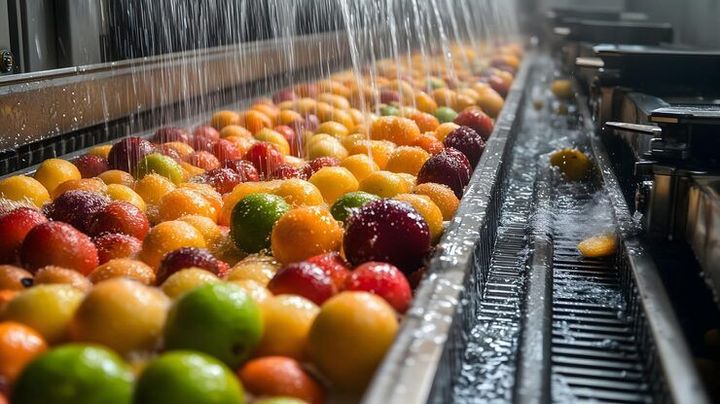
Washing: Water sprays, immersion tanks, rotating brushes, or other mechanisms remove surface contamination.
Rinsing: A later water stage can remove loosened particles and remaining residues from the fruit surface.
Inspection: Cameras, workers, or automated inspection systems can identify damaged, discolored, or unsuitable fruit.
Drying: Air knives, blowers, or other drying systems can remove surface water before grading or packing.
Grading and packing: Clean fruit can then move toward size classification, quality inspection, packaging, cooling, or other processing stages.
Water management is particularly important because contaminated process water can transfer microorganisms between batches. Codex guidance emphasizes controlling water quality and managing water used during post-harvest washing and handling.
Common Fruit Washing Methods
Fruit Washing Equipment can use several cleaning approaches.
Spray washing uses pressurized water directed toward fruit as it moves through the machine. It can provide continuous cleaning and is commonly integrated into conveyor-based lines.
Brush washing uses rotating brushes to create controlled contact with fruit surfaces. Brush material, rotation speed, pressure, and fruit characteristics need to be considered to reduce unnecessary surface damage.
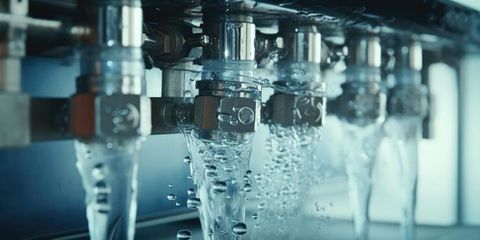
Immersion washing places fruit into a water tank for a defined period. Agitation may help loosen soil and other particles.
Flume washing moves fruit through flowing water while transporting it between processing stages. The system needs appropriate water management to prevent contamination from spreading through the water.
Air-assisted cleaning uses air movement to remove loose material or surface moisture. It may be combined with washing and drying stages.
Importance
Improving Surface Cleanliness
Fresh fruits can collect soil, dust, leaves, stems, and other material during harvesting and transportation. Washing equipment helps remove unwanted surface material before subsequent processing.
The purpose of washing is not identical for every fruit. A delicate berry requires different handling from a firm apple, citrus fruit, or melon.
Supporting Food Hygiene
Water used for washing can reduce surface contamination, but poorly managed water can also become a route for cross-contamination. International guidance therefore emphasizes water quality, monitoring, sanitation practices, and appropriate equipment design.
The Codex Code of Hygienic Practice for Fresh Fruits and Vegetables provides internationally recognized guidance covering hygiene throughout fresh-produce chains.
Protecting Fruit Quality
Cleaning systems need to remove unwanted material without causing excessive bruising, cuts, pressure marks, or other physical damage.
Machine settings such as brush pressure, conveyor speed, water pressure, tank movement, and fruit drop height can influence product handling.
Supporting Continuous Processing
Large fruit-processing facilities may handle substantial quantities of produce during harvesting periods. Continuous washing systems can connect receiving, cleaning, inspection, grading, and packing stages into a coordinated production line.
Automation can also help maintain consistent machine settings and monitor selected operating conditions.
Main Equipment Types
| Equipment Type | Main Function | Typical Fruit Applications |
|---|---|---|
| Spray washer | Surface washing | Apples, citrus, stone fruits |
| Brush washer | Contact cleaning | Firm fruits and vegetables |
| Immersion washer | Water-based cleaning | Selected whole fruits |
| Flume washer | Washing and transport | Produce processing lines |
| Rotary washer | Continuous cleaning | Selected round or firm fruits |
| Bubble washer | Water agitation | Delicate produce |
| Air dryer | Surface drying | Washed fruits before packing |
| Water filtration unit | Process-water management | Recirculating systems |
| Inspection conveyor | Visual checking | Multiple fruit categories |
Recent Updates
Water Reuse and Efficiency
Water management has become an increasingly important consideration in food processing. The Codex Guidelines for the Safe Use and Reuse of Water in Food Production and Processing provide a risk-based framework for selecting water according to its intended purpose and managing reuse without compromising food safety. The guidelines were adopted in 2024 and continued to receive international attention in 2026.
For fruit-washing facilities, this can involve filtration, monitoring, controlled water replacement, and separation of different water-use stages.
Automated Washing Lines
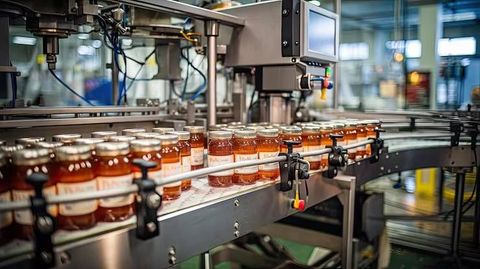
Automated fruit-processing lines increasingly combine conveyors, sensors, pumps, washing chambers, brushes, inspection equipment, and control systems.
Automation can help regulate conveyor speed, water flow, brush movement, and other machine parameters. Operators can monitor the process through control interfaces rather than manually controlling every individual movement.
Machine Vision
Camera-based inspection is becoming an important component of modern produce-processing lines. Vision systems can examine characteristics such as size, color, shape, surface defects, and visible foreign material.
When connected with sorting equipment, machine vision can help direct fruit toward different processing streams.
Improved Water Monitoring
Water-quality monitoring is receiving greater attention as food processors seek to manage both hygiene and water efficiency.
Codex guidance recognizes that water quality should be appropriate for its intended use and that reused water needs appropriate treatment and monitoring. The 2025 FAO discussion on water in food systems also highlighted the importance of water quality in washing and food processing.
Integrated Cleaning and Drying
Modern processing lines may combine washing and drying in a continuous sequence. After washing, air knives, blowers, centrifugal systems, or other drying technologies can reduce surface moisture.
The appropriate method depends on fruit shape, skin characteristics, processing speed, and the following packaging or storage stage.
Data and Process Monitoring
Digital controls can collect information about water flow, temperature, pump operation, conveyor speed, machine status, and selected cleaning parameters.
Recorded process information can help operators identify changes in machine performance and investigate deviations from established operating conditions.
Laws or Policies
Codex Food Hygiene Guidance
For a worldwide audience, the Codex Alimentarius Commission, established by FAO and WHO, provides an important international reference for food hygiene and food safety.
The Codex Code of Hygienic Practice for Fresh Fruits and Vegetables covers practices intended to reduce microbial, chemical, and physical hazards across fresh-produce chains.
Codex guidance is not automatically the domestic law of every country. Individual countries establish their own food regulations and enforcement systems.
Water Used During Washing
International guidance places significant emphasis on water used during post-harvest fruit handling. Water should be appropriate for its intended purpose, and facilities should manage conditions that could allow contamination or cross-contamination.
Facilities using recycled water should apply suitable treatment and monitoring measures based on the particular process and food-safety risk.
National Food Regulations
Fruit-processing facilities must follow the requirements of the jurisdiction where they operate. Depending on the country, these can include rules covering food hygiene, potable water, sanitation, chemical residues, food-contact materials, waste management, worker safety, and environmental controls.
For example, food businesses operating in the United States may need to consider FDA requirements and applicable federal regulations. European facilities may operate under EU food-hygiene legislation, while other regions have their own national frameworks.
Processing Chemicals
Some industrial washing systems may use approved antimicrobial treatments or other processing aids. Their use depends on the fruit, process, jurisdiction, concentration, contact time, and applicable food regulations.
Codex guidance states that post-harvest chemical treatments should be used according to applicable requirements and intended purposes.
Equipment Hygiene
Food-contact surfaces such as tanks, brushes, conveyors, pipes, and spray systems require appropriate cleaning and maintenance. The FDA also highlights the need to clean and maintain water-contact equipment such as wash tanks, flumes, and related systems.
Tools and Resources
Water-Quality Monitoring
Processing facilities can use water-quality measurement systems to monitor selected parameters. Depending on the process, these may include turbidity, pH, temperature, disinfectant concentration, and microbiological indicators.
The appropriate measurements depend on the facility's hazard analysis and regulatory requirements.
Filtration Systems
Filtration equipment can remove suspended particles from process water. Different filtration stages can be selected according to particle size, water flow, fruit type, and water-reuse strategy.
Conveyor Systems
Conveyors transport fruit between washing, inspection, drying, grading, and packing stages. Food-processing conveyors are commonly designed with materials and structures that facilitate cleaning and maintenance.
Machine Vision Systems
Cameras and image-processing software can inspect fruit at high processing speeds. These systems may identify visible defects, classify fruit by selected characteristics, and support automated sorting.
Control Panels
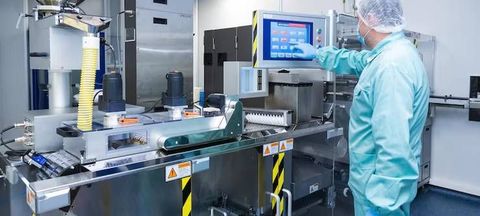
Control panels allow operators to monitor pumps, motors, conveyors, water systems, washing cycles, and other machine functions. Modern systems may use programmable logic controllers and touchscreen interfaces.
Cleaning and Maintenance Records
Processing facilities can maintain records for equipment cleaning, water monitoring, filter replacement, inspections, and maintenance activities. These records can support internal process control and regulatory documentation.
International Food-Safety Resources
The Codex Alimentarius database provides international standards, codes, and guidelines related to food hygiene and food production. Its current materials include the fresh-fruit and vegetable hygiene code and guidance on safe water use and reuse in food production and processing.
FAQs
What is Fruit Washing Equipment?
Fruit Washing Equipment consists of machines and systems used to clean harvested fruit by using methods such as spraying, brushing, immersion, water agitation, and related processing techniques.
How does Fruit Washing Equipment work?
Fruit Washing Equipment typically moves fruit through one or more cleaning stages using water, brushes, sprays, agitation, or other mechanisms. Additional stages may include rinsing, drying, inspection, and grading.
What types of Fruit Washing Equipment are used in processing plants?
Common types include spray washers, brush washers, immersion washers, flume washers, rotary washers, bubble washers, drying systems, filtration equipment, and inspection conveyors.
Why is water quality important in fruit washing?
Water comes into direct contact with fruit during many washing processes. Poorly managed water can contribute to cross-contamination, so water quality, treatment, monitoring, and replacement need to be managed according to the process and applicable food-safety requirements.
Can Fruit Washing Equipment use recycled water?
Yes, some processing systems can incorporate water reuse when appropriate treatment, monitoring, and risk controls are in place. Codex provides international guidance for safe water use and reuse in food production and processing.
Conclusion
Fruit Washing Equipment plays an important role in modern fruit-processing operations by helping remove soil, debris, and other unwanted material before subsequent processing stages. Washing systems can use sprays, brushes, immersion, flumes, air systems, filtration, sensors, and automated inspection technologies. Current international guidance places strong attention on water quality, hygienic equipment design, controlled water reuse, and prevention of cross-contamination. Understanding these systems helps explain how fruit-processing facilities combine mechanical cleaning, water management, automation, and food-hygiene controls within modern processing lines.