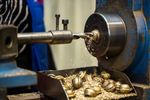
Flour Milling Machines: Explore Grain Processing Technology and Modern Milling Systems
Flour Milling Machines are used to process wheat and other grains into flour through cleaning, conditioning, grinding, sifting, and separation stages. This article covers grain processing technology, milling equipment, machine components, production stages, automation, quality control, modern milling systems, safety requirements, and recent developments in flour production.
Flour Milling Machines: Explore Grain Processing Technology and Modern Milling Systems
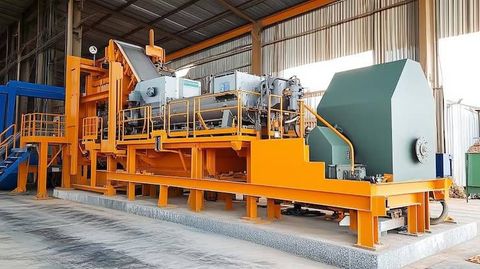
Flour Milling Machines are specialized systems used to process wheat and other grains into flour and related milled products. Modern milling combines several stages, including grain cleaning, conditioning, grinding, separation, sifting, and product handling.
A flour mill can range from a compact processing system to a large automated production line. The equipment configuration depends on the grain type, required flour characteristics, processing capacity, and desired level of automation.
Context
Flour milling begins with raw grain that contains materials that need to be removed before grinding. Cleaning systems separate impurities, while conditioning prepares the grain for efficient milling and separation.
The cleaned grain then passes through a series of grinding and separation stages. Different particle sizes are separated through screens or plansifters, allowing suitable flour fractions to be collected while larger particles continue through additional processing stages.
Main Components
A modern flour milling system may include:
Grain receiving equipment
Pre-cleaning systems
Magnetic separators
Aspirators
Grain cleaners
Destoners
Conditioning equipment
Roller mills
Plansifters
Purifiers
Bran finishers
Pneumatic conveying systems
Flour storage systems
Control panels
Not every mill contains the same equipment. The arrangement depends on the grain and the required final products.
Grain Cleaning
Cleaning is one of the first important stages in milling. Raw grain may contain dust, stones, metal particles, plant residues, and other foreign materials.
Different cleaning machines use combinations of screening, air separation, magnetic separation, density separation, and other methods to prepare the grain for subsequent processing.
Grain Conditioning
Conditioning involves adjusting the moisture condition of the grain before milling. Water may be added in a controlled manner, followed by a suitable resting period.
The purpose is to prepare the grain structure for more effective separation during grinding. Conditioning requirements vary according to grain characteristics and milling objectives.
Grinding
Roller mills are commonly used in modern flour production. They reduce the grain into smaller particles through controlled contact between rotating rolls.
Several grinding stages may be used instead of completing the entire process in one pass. This allows different fractions to be separated and processed progressively.
Sifting
After grinding, the material contains particles of different sizes. Plansifters separate these fractions using screens with different openings.
Fine flour can pass through selected screens, while larger particles are directed toward additional grinding or separation stages.
Purification
Purifiers use controlled airflow and screening to separate certain flour particles from bran and other components. This can help improve the separation of different fractions within the milling process.
The specific purification arrangement depends on the wheat variety and the flour specification.
Importance
Flour Milling Machines support controlled grain processing by coordinating cleaning, preparation, grinding, separation, and product handling. Each stage contributes to the characteristics and consistency of the finished flour.
Grain Quality
The quality and condition of incoming grain influence milling performance. Factors such as moisture, grain size, hardness, cleanliness, and variety can affect how the grain behaves during processing.
Raw material inspection and appropriate preparation are therefore important parts of mill operation.
Milling Efficiency
Efficient milling depends on coordinated equipment and suitable process settings. Grinding, sifting, airflow, and conveying systems must work together to maintain the intended material flow.
Modern control systems can help operators monitor selected operating parameters throughout production.
Flour Characteristics
Different flour products require different particle-size distributions and processing conditions. Milling systems can be configured to produce various flour grades and other grain fractions.
Sifting and separation systems play an important role in directing material into the appropriate product streams.
Automation
Automated flour mills can integrate sensors, programmable controls, motors, drives, valves, and monitoring systems.
Centralized control interfaces allow operators to observe machine status and manage selected process parameters according to established production procedures.
Material Handling
Pneumatic conveying systems are commonly used to move flour and intermediate products between different stages. Mechanical conveyors, elevators, bins, and storage systems may also be used.
Proper material movement helps maintain continuous production and organized product flow.
Product Separation
A milling line may produce several fractions, including flour, bran, and other grain components. Separation equipment directs these materials into appropriate streams.
The final configuration depends on the intended product range and milling process.
Recent Updates
Recent developments in Flour Milling Machines have focused on digital controls, automated process monitoring, energy management, improved grain cleaning, predictive maintenance, and integrated material handling.
Digital Control Systems
Modern mills increasingly use computerized control systems to coordinate multiple machine sections. Operators can monitor equipment status and selected process variables from centralized interfaces.
Programmable settings can also support repeatable production configurations.
Automated Grain Cleaning
Advanced cleaning systems can combine several separation technologies. Sensors and automated controls can help coordinate cleaning stages according to established process requirements.
Improved cleaning can support stable downstream milling by reducing unwanted material entering the grinding system.
Online Process Monitoring
Sensors can monitor selected parameters such as temperature, pressure, airflow, motor load, moisture, and material movement.
Continuous monitoring can help operators identify changes in operating conditions and respond according to established procedures.
Energy Management
Flour milling involves motors, fans, pneumatic systems, elevators, compressors, and other energy-consuming equipment. Modern systems may incorporate variable-speed drives and automated operating controls.
Energy requirements depend on machine configuration, production rate, grain characteristics, and operating conditions.
Predictive Maintenance
Digital monitoring systems can collect information about selected machine conditions. Vibration, temperature, motor load, and other measurements may be used to identify changes that require inspection.
Maintenance planning based on equipment condition can complement regular inspection schedules.
Improved Sifting Technology
Modern plansifters can incorporate improved screen arrangements, controlled airflow, and automated monitoring. These developments support more consistent separation of different particle fractions.
The appropriate screen configuration depends on the milling process and desired product characteristics.
Automated Material Handling
Automated conveying, storage, weighing, and product-distribution systems can reduce repetitive manual handling.
Integrated material handling can also improve coordination between cleaning, milling, sifting, storage, and packaging stages.
Laws or Policies
Flour milling facilities are subject to workplace safety, food safety, environmental, electrical, and equipment requirements that vary by country and application. Operators should follow current requirements applicable to their facility and products.
Workplace Safety
Flour mills contain rotating machinery, conveyors, elevators, rollers, pneumatic systems, and other moving equipment. Guards and protective systems should be maintained around hazardous components.
Emergency stops and other safety controls should remain accessible and functional.
Dust Management
Grain and flour handling can generate combustible dust under certain conditions. Appropriate dust-control, ventilation, housekeeping, equipment design, and ignition-control measures are important.
Facilities should follow applicable requirements for combustible dust and grain-processing environments.
Food Safety
Flour is a food ingredient, so applicable hygiene and food-safety requirements should be incorporated into production operations.
Equipment surfaces, storage systems, material pathways, cleaning procedures, and contamination controls should be managed according to relevant requirements.
Electrical Safety
Motors, drives, control panels, sensors, fans, pumps, and other electrical components should be installed and maintained according to applicable electrical requirements.
Where hazardous dust environments exist, electrical equipment may also need to meet specific requirements for those environments.
Environmental Requirements
Milling operations can generate dust, grain residues, wastewater from selected cleaning processes, packaging waste, and other materials.
Facilities should follow applicable requirements for emissions, waste handling, noise, and resource management.
Tools and Resources
Flour production uses a combination of grain-cleaning equipment, milling machines, separation systems, conveying equipment, measurement instruments, and maintenance resources.
Grain Cleaning Equipment
Common cleaning equipment includes:
Vibrating or rotary screens
Aspirators
Magnetic separators
Destoners
Scourers
Separators
Grain washers in selected applications
The equipment combination depends on the incoming grain and processing requirements.
Milling Equipment
Core milling equipment may include roller mills, reduction mills, bran finishers, purifiers, plansifters, and associated conveying systems.
Different machine arrangements support different milling sequences.
Measurement Equipment
Mills may use moisture meters, temperature sensors, pressure sensors, airflow measurement systems, weighing equipment, particle-size measurement tools, and laboratory instruments.
These tools provide information for process monitoring and product assessment.
Laboratory Resources
Flour quality evaluation may involve measurements related to moisture, particle size, protein characteristics, ash, color, and other properties.
The specific testing program depends on the product and applicable quality requirements.
Maintenance Resources
Maintenance activities can include inspection of rollers, bearings, belts, motors, fans, pneumatic equipment, screens, sensors, and conveying components.
Manufacturer manuals, maintenance schedules, equipment drawings, and inspection records can support routine maintenance.
Digital Resources
Useful technical resources include operating manuals, equipment specifications, process diagrams, food-safety documentation, maintenance instructions, safety information, and applicable regulatory guidance.
Training materials can also help operators understand grain preparation, milling stages, equipment controls, and quality monitoring.
FAQs
What are Flour Milling Machines used for?
Flour Milling Machines process wheat and other grains through cleaning, conditioning, grinding, sifting, and separation stages. The resulting flour and other grain fractions can then be directed to storage or further processing.
How do Flour Milling Machines work?
The process generally begins with grain cleaning and conditioning. The prepared grain is then ground through one or more milling stages, while plansifters and other separation equipment divide the resulting material into different particle fractions.
What equipment is used in a flour mill?
A flour milling system may include grain cleaners, destoners, magnetic separators, conditioning equipment, roller mills, purifiers, plansifters, pneumatic conveyors, storage bins, and automated control systems.
What factors affect flour milling performance?
Grain variety, moisture, hardness, cleanliness, roller settings, grinding conditions, sifting efficiency, airflow, machine condition, and material flow can all influence milling performance.
Why is grain cleaning important before milling?
Cleaning removes unwanted materials such as stones, dust, metal particles, and other impurities before grinding. Proper cleaning helps protect equipment and supports controlled processing of the grain.
Conclusion
Flour Milling Machines combine grain cleaning, conditioning, grinding, separation, sifting, and material handling into a coordinated production system. Modern mills can use digital controls, automated monitoring, improved cleaning systems, and integrated conveying equipment to manage production more consistently. Understanding grain preparation, milling stages, machine components, quality controls, and safety requirements provides a useful foundation for understanding modern flour processing technology. Continued development in automation and process monitoring is supporting more coordinated and controlled grain milling operations.