Duct Fabrication Machines: Guide to Types, Functions, and Practical Insights
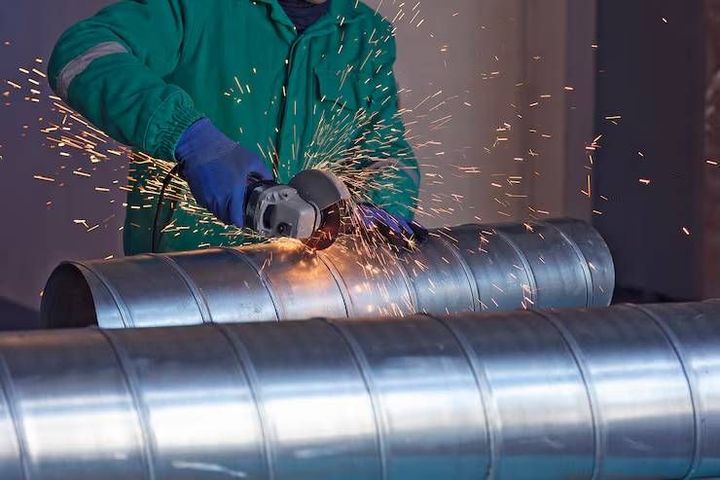
Duct Fabrication Machines are industrial machines used to shape, cut, form, join, and prepare sheet metal for ductwork. Ducts are passages that carry air through heating, ventilation, and air-conditioning systems, as well as industrial ventilation and air-handling installations.
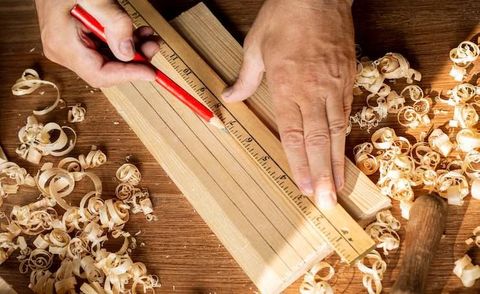
Traditional duct fabrication involved many manual steps, including measuring sheets, marking cutting lines, folding edges, forming joints, and assembling individual sections. Modern machinery can automate or simplify several of these operations, improving consistency across repeated production.
Most ductwork is produced from materials such as galvanized steel, stainless steel, aluminum, or other sheet-metal products. The selected material and thickness influence which machine and tooling configuration is appropriate.
How Duct Fabrication Works
A typical duct fabrication process involves several connected stages:
Design: Duct dimensions, shapes, joints, and airflow requirements are established.
Material preparation: Sheet metal is selected according to the application.
Cutting: Sheets are cut into required patterns or components.
Forming: Edges, seams, flanges, and profiles are created.
Bending: Flat sheets are converted into required angles and shapes.
Joining: Components are assembled through seams, locks, fastening, or other joining methods.
Finishing: Edges and surfaces are checked and prepared for installation.
Inspection: Dimensions and connection details are verified before the duct section enters the next stage.
Computer-controlled equipment can connect design information with cutting and forming operations, reducing repeated manual measurements.
Main Types of Duct Fabrication Machines
Plasma cutting machines use a high-temperature plasma arc to cut conductive sheet metal. They can produce straight cuts and complex profiles according to programmed patterns.
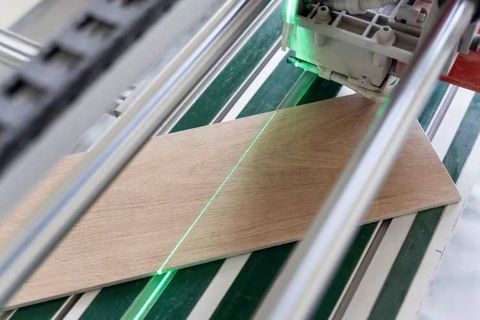
Laser cutting machines use a focused laser beam to cut sheet metal with controlled dimensions. They are often used when detailed shapes or narrow cutting paths are required.
Shearing machines cut sheet metal along straight lines. Mechanical and hydraulic shears are common examples.
Lock-forming machines create specific sheet-metal edges and profiles used for duct joints. These machines can continuously form standardized profiles along sheet edges.
Pittsburgh lock machines produce Pittsburgh-style lock formations commonly used in rectangular duct construction.
Roll-forming machines pass sheet metal through a sequence of rollers that gradually create a desired profile.
Press brakes bend sheet metal along programmed lines. They can create precise angles for duct components and other sheet-metal parts.
Flanging machines form raised or shaped edges that can be used for joining duct sections, reinforcing components, or creating connection surfaces.
Beading machines create ribs or beads in sheet metal. These formations can improve rigidity and reduce deformation across larger duct surfaces.
Importance
Improving Fabrication Accuracy
Ductwork requires dimensional consistency because sections must fit together during installation. Small differences in length, angle, or joint position can create assembly difficulties.
Computer-controlled cutting and forming equipment can repeat programmed dimensions across multiple components. Accuracy still depends on machine calibration, tooling condition, material properties, and correct programming.
Supporting Production Efficiency
Duct fabrication involves repetitive operations that can be performed more consistently with dedicated equipment. Automated cutting, forming, and bending can reduce the number of separate manual operations required for selected production workflows.
The level of automation varies significantly between small workshops, specialized duct manufacturers, and large production facilities.
Handling Different Duct Designs
Duct systems can contain straight sections, elbows, transitions, branches, reducers, offsets, and other shapes. Fabrication equipment must therefore accommodate different patterns and dimensions.
Software-controlled machinery can change cutting or forming instructions between production batches, allowing manufacturers to process different duct designs without completely changing the production system.
Supporting Material Utilization
Sheet-metal cutting generates offcuts. Computer-controlled nesting software can arrange multiple components on a sheet to use the available area efficiently.
Material utilization depends on component geometry, sheet dimensions, cutting requirements, joint allowances, and production planning.
Main Machine Categories
| Machine Type | Primary Function | Typical Output |
|---|---|---|
| Plasma cutter | Sheet cutting | Flat duct patterns |
| Laser cutter | Precision cutting | Detailed sheet components |
| Shearing machine | Straight cutting | Sheet sections |
| Lock-forming machine | Edge forming | Joint profiles |
| Press brake | Bending | Angled components |
| Roll former | Continuous profiling | Long formed sections |
| Beading machine | Rib formation | Reinforced panels |
| Flanging machine | Edge forming | Connection edges |
| Pittsburgh lock machine | Lock formation | Duct joint profiles |
Recent Updates
CNC-Based Fabrication
Computer numerical control has become an important part of modern sheet-metal fabrication. CNC equipment can interpret digital instructions and control cutting, punching, bending, or other operations.
In duct production, digital fabrication can connect computer-aided design drawings with machine programs. This can help reduce repeated manual measurements and support consistent production across different component shapes.
CAD and Digital Workflows
Modern duct manufacturing increasingly uses CAD-based workflows. Designers can create duct layouts digitally and generate component information that can then be transferred into fabrication software.
Some systems integrate design, material calculations, nesting, machine programming, and production information into a connected workflow.
Automated Plasma and Laser Cutting
Automated cutting systems can produce complex flat patterns from sheet metal. Plasma technology is widely used for conductive metals, while laser systems can provide controlled cutting for various sheet-metal applications depending on thickness and material.
Machine selection depends on factors such as material, thickness, production volume, required accuracy, operating environment, and tooling requirements.
Automated Lock Forming
Lock-forming equipment can continuously create standardized sheet-metal profiles. Automation helps maintain consistent dimensions along the length of a component.
Multiple forming stations may be integrated into a production line, allowing several edge or reinforcement operations to be performed sequentially.
Integrated Production Lines
Larger fabrication facilities may connect several machines into a production line. A workflow can include coil feeding, straightening, cutting, profiling, forming, and component identification.
Automation can also incorporate sensors and machine controls that monitor material movement and operating conditions.
Industry 4.0 Connectivity
Industrial fabrication equipment is increasingly connected through digital networks. Machines can generate information about production cycles, operating conditions, material movement, and equipment status.
This information can support production monitoring and equipment maintenance. However, connected machinery also requires appropriate cybersecurity controls and network management.
More Flexible Production
Modern duct fabrication systems can process different patterns and dimensions through programmable controls. This is particularly useful where duct components vary between projects rather than following a single standardized design.
Software-based production planning can also help coordinate cutting patterns and machine sequences.
Laws or Policies
International Safety Frameworks
Duct fabrication machinery can contain moving rollers, cutting tools, bending mechanisms, electrical systems, pneumatic components, and other hazards. Machine safety therefore involves both equipment design and workplace procedures.
ISO 12100 provides general principles for machinery safety, including risk assessment and risk reduction. It is widely referenced as a foundation for machinery-safety design.
Machinery Safety in Europe
Within the European Union, machinery placed on the market must meet applicable legal requirements. The EU Machinery Regulation 2023/1230 establishes a framework for machinery safety and is replacing the previous Machinery Directive through its transition toward application.
Manufacturers and organizations operating machinery need to determine which requirements apply to their equipment and activities.
North American Requirements
In the United States, workplace machinery safety is addressed through Occupational Safety and Health Administration requirements and relevant consensus standards.
Machine guarding is an important consideration where workers may be exposed to moving parts, cutting mechanisms, rotating components, or points of operation.
Workplace Risk Assessment
A duct fabrication workstation can contain multiple hazards. A risk assessment may examine:
Cutting and shearing areas.
Rotating rollers.
Bending points.
Pinch and crush locations.
Electrical components.
Pneumatic or hydraulic systems.
Sharp sheet-metal edges.
Material handling activities.
Noise and workplace conditions.
Emergency-stop arrangements.
Applicable requirements vary by country, machine type, workplace, and operating conditions.
Operator Training
Workers using duct fabrication machinery need appropriate instruction for the equipment they operate. Training may cover machine controls, material handling, protective equipment, emergency procedures, maintenance restrictions, and safe operating sequences.
Manufacturers' technical documentation and local workplace regulations can provide additional requirements.
Tools and Resources
CAD Software
Computer-aided design software is used to create duct layouts and component drawings. It can help designers calculate dimensions, transitions, angles, and connection arrangements.
Some specialized systems can convert duct designs into fabrication information.
Duct Design Software
Dedicated duct-design programs can create rectangular and round duct layouts, calculate component dimensions, and generate fabrication drawings.
Depending on the software, digital files can also be transferred to CNC cutting or forming equipment.
CNC Controllers
CNC controllers interpret machine instructions and coordinate movement. They are central to automated cutting, forming, and other controlled fabrication processes.
Sheet-Metal Measurement Tools
Tape measures, digital calipers, angle gauges, thickness gauges, and other measurement tools can be used to verify fabricated components.
Digital measurement systems may also be integrated into larger production environments.
Nesting Software
Nesting software arranges multiple component patterns on sheets or coils. The objective is to organize cutting paths while considering sheet dimensions, component orientation, kerf, and manufacturing constraints.
Machine Monitoring Systems
Industrial monitoring systems can collect information about machine operation, production cycles, alarms, and equipment condition.
This information can help production teams identify unusual machine behavior and plan inspections.
Safety Resources
International standards organizations, national workplace regulators, machinery manufacturers, and occupational-safety authorities provide technical resources related to machine safety.
The appropriate reference depends on the country where the machinery is designed, installed, or operated.
FAQs
What are Duct Fabrication Machines?
Duct Fabrication Machines are machines used to cut, bend, form, join, and prepare sheet metal for HVAC and industrial ductwork.
What types of Duct Fabrication Machines are commonly used?
Common types include plasma cutters, laser cutters, shearing machines, press brakes, lock-forming machines, Pittsburgh lock machines, roll formers, beading machines, and flanging equipment.
How do CNC Duct Fabrication Machines work?
CNC Duct Fabrication Machines receive programmed digital instructions that control operations such as cutting, punching, bending, or forming. The exact process depends on the machine type.
Which materials can duct fabrication machines process?
Many duct machines can process galvanized steel, stainless steel, aluminum, and other sheet metals. The permitted material thickness depends on the machine's design, tooling, and operating specifications.
Why are Duct Fabrication Machines important?
Duct Fabrication Machines help transform flat sheet metal into accurately shaped components for air-distribution systems. Automated equipment can also support repeatable production and digital manufacturing workflows.
Conclusion
Duct Fabrication Machines form an important part of modern sheet-metal production for HVAC and industrial air-handling systems. Different machines perform specialized operations such as cutting, bending, lock forming, profiling, beading, and flanging. Digital design, CNC control, automated production lines, and connected machinery are increasingly shaping fabrication workflows worldwide. Understanding machine types, functions, safety considerations, and supporting software provides a useful foundation for understanding modern duct manufacturing.