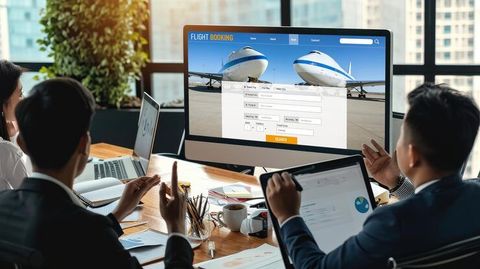
Corporate Travel Risk Technology: Discover Modern Safety Systems and Facts
Corporate travel risk technology refers to digital tools and systems that help organizations monitor, assess, and manage potential risks affecting employees during business travel. These technologies combine travel information, location data, communication tools, emergency alerts, and risk intelligence.
A corporate traveler may visit several cities or countries during a single business trip. Changes in weather, transportation disruptions, political events, health alerts, natural disasters, or local security conditions can create unexpected challenges. Travel risk technology helps organizations maintain better awareness of these situations.
How the Technology Works
Modern platforms can connect with corporate travel booking systems, mobile applications, travel itineraries, and external risk information. When an employee's itinerary overlaps with a developing risk, the system can identify the connection and provide relevant notifications.
Common capabilities include:
Traveler itinerary monitoring
Risk intelligence and location monitoring
Emergency notifications
Two-way communication
Traveler check-in functions
Incident management
Location-based alerts
Travel policy monitoring
Emergency contact management
Reporting and analytics
These capabilities create a digital layer around business travel, helping organizations maintain communication with travelers before and during trips.
Importance
Supporting Traveler Awareness
Business travelers may not continuously monitor local news, transportation updates, weather conditions, or security developments. Automated notifications can bring important information directly to a mobile device.
For example, if severe weather affects a destination, a travel risk platform may identify employees in the affected area and send an alert with relevant instructions or contact information.
Improving Organizational Visibility
Organizations with employees traveling across multiple regions can find it difficult to maintain a clear picture of who is traveling, where they are expected to be, and what risks may affect them.
Travel risk technology can connect itinerary information with geographic risk data. This can provide travel managers and designated response teams with a more structured view of traveler locations and potential incidents.
Faster Communication During Incidents
Communication becomes particularly important when normal travel plans are disrupted. Digital platforms can provide centralized communication channels for alerts, updates, check-ins, and emergency coordination.
A typical response may involve:
Detecting a developing incident.
Identifying potentially affected travelers.
Sending an alert.
Requesting traveler confirmation when appropriate.
Sharing updated information.
Recording response actions.
This process can reduce reliance on manually maintained spreadsheets and separate communication channels.
Recent Updates
Artificial Intelligence and Risk Analysis
Artificial intelligence is increasingly being incorporated into travel risk platforms for information processing and risk analysis. AI-based systems can examine large volumes of information from multiple sources and help identify patterns that may require attention.
Possible applications include monitoring changes in risk indicators, classifying incidents, summarizing large amounts of information, and prioritizing alerts.
Human review remains important because automated systems can misinterpret incomplete, conflicting, or rapidly changing information.
Real-Time Risk Intelligence
Travel risk platforms increasingly focus on near-real-time information rather than static destination profiles. Weather events, transportation disruptions, civil emergencies, and other incidents can change rapidly.
Modern systems can combine geographic information with traveler itineraries to make alerts more relevant to specific locations and travel periods.
Mobile Traveler Applications
Mobile applications have become an important component of corporate travel risk technology. A traveler can potentially receive notifications, view destination information, communicate with a response team, confirm safety, and access emergency contact information from a smartphone.
Mobile functionality is particularly useful when travelers are away from their normal workplace and may not have access to corporate desktop systems.
Integrated Travel Data
Another development is greater integration between corporate travel booking platforms and risk management systems. When itinerary information is automatically transferred into a risk platform, organizations can reduce manual data entry and improve traveler visibility.
Integration may use APIs, travel management platforms, booking systems, identity systems, and enterprise communication tools.
Geofencing and Location Intelligence
Geofencing uses geographic boundaries to trigger digital actions when a device or traveler enters or leaves a defined area. In travel risk applications, geographic boundaries may be associated with destinations, incident zones, airports, or other areas requiring attention.
Location technology must be implemented carefully because continuous location monitoring can create significant privacy considerations.
Laws or Policies
Data Protection and Privacy
Corporate travel risk systems can process sensitive information such as employee names, itineraries, contact information, travel destinations, and potentially location data.
Organizations operating internationally may need to consider data protection requirements in the countries where employees and data are located. Depending on the jurisdiction, requirements can address lawful data processing, transparency, data minimization, retention, security, and individual rights.
Examples of major privacy frameworks include the European Union's General Data Protection Regulation (GDPR), the California Consumer Privacy Act (CCPA), and other national or regional privacy laws.
Corporate Travel Policies
Organizations commonly establish internal travel policies defining how employee travel information is collected, monitored, communicated, and used during emergencies.
A documented policy can clarify:
Which travelers are covered
What information is collected
How alerts are delivered
Who can access traveler information
When location data may be used
How emergency communication works
How long information is retained
Which teams handle incidents
Information Security
Travel risk platforms should also be considered within an organization's broader cybersecurity framework. Access controls, authentication, encryption, logging, vulnerability management, and incident response can help protect traveler information.
Organizations should evaluate technology providers according to their own security requirements and applicable regulations.
Tools and Resources
Travel Risk Management Platforms
Dedicated platforms can combine itinerary monitoring, risk intelligence, traveler communication, incident management, and reporting in a centralized environment.
The exact capabilities vary between platforms, so organizations generally assess factors such as geographic coverage, integrations, mobile functionality, alerting capabilities, privacy controls, and reporting.
Travel Management Systems
Corporate travel booking systems contain important itinerary information. Connecting these systems with risk technology can help organizations identify travelers who may be affected by an incident.
Risk Intelligence Databases
Risk intelligence systems provide information about environmental, transportation, security, and other conditions that may affect travelers.
Communication Platforms
Email, SMS, mobile applications, voice communication, and enterprise collaboration platforms can support emergency communication. Using multiple channels can be useful when internet access or mobile connectivity is disrupted.
Traveler Check-In Tools
Check-in functions allow organizations to request confirmation from travelers during significant incidents. A simple response can help identify who is safe and who may require further contact.
Technology Selection Factors
| Technology Area | Main Function | Key Consideration |
|---|---|---|
| Risk intelligence | Tracks potential threats | Data coverage and update frequency |
| Itinerary integration | Identifies traveler locations | Data accuracy and integration capability |
| Mobile application | Connects travelers and organizations | Usability and offline capabilities |
| Alerting system | Sends notifications | Speed and communication channels |
| Incident management | Coordinates response | Workflow and escalation features |
| Analytics | Reviews travel and incident data | Reporting quality |
| Location technology | Supports geographic awareness | Privacy and consent |
| Security controls | Protects information | Access and data protection |
FAQs
What is corporate travel risk technology?
Corporate travel risk technology consists of digital systems that help organizations monitor travel-related risks, communicate with employees, and coordinate responses when incidents affect business travelers.
How does corporate travel risk technology improve traveler safety?
It can connect employee itineraries with risk information and provide timely alerts, communication tools, and check-in functions when relevant incidents occur.
Does corporate travel risk technology track employee locations?
Some systems can use location information, while others rely mainly on travel itineraries. The exact approach depends on the technology, organizational policy, employee permissions, and applicable privacy requirements.
What information can corporate travel risk systems use?
Depending on the system, information may include travel itineraries, destination details, emergency contacts, risk intelligence, traveler preferences, and selected location information.
Why is data privacy important in corporate travel risk technology?
Travel risk platforms may process personal and location-related information. Organizations therefore need appropriate privacy, security, access-control, retention, and transparency measures.
Conclusion
Corporate travel risk technology combines travel data, risk intelligence, communication tools, mobile applications, and incident management capabilities to support organizations and business travelers.
Modern systems increasingly use real-time information, automated alerts, geographic intelligence, and AI-assisted analysis. At the same time, privacy, cybersecurity, data accuracy, and responsible use of location information remain important considerations.
Organizations evaluating these technologies can consider their travel patterns, geographic coverage, communication requirements, existing travel systems, privacy obligations, and emergency response processes. A structured technology framework can help create clearer communication and more organized travel risk management.