Combine Harvesters: Insights Into Modern Harvesting Technology
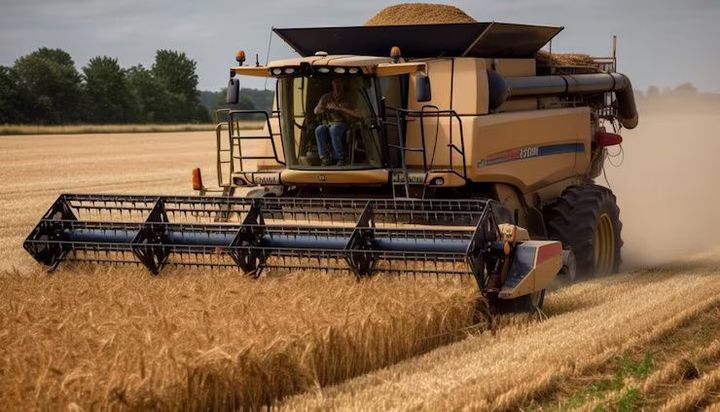
Combine Harvesters are agricultural machines designed to perform several harvesting operations in a single field operation. A typical combine can cut standing crops, feed the harvested material into the machine, thresh the grain, separate grain from crop residue, clean the grain, and collect it for further handling.
The word combine reflects this combination of operations. Instead of carrying out harvesting, threshing, separation, and cleaning as completely separate activities, a combine harvester integrates these functions into one machine.
Combine harvesters are commonly associated with cereal crops such as wheat, rice, maize, barley, oats, and similar crops. Machine configuration varies according to crop characteristics, field conditions, terrain, harvesting method, and desired residue-management practices.
Modern harvesting technology combines mechanical systems with hydraulics, electronics, sensors, automatic controls, and increasingly data-based monitoring. ICAR's Agricultural Engineering Division identifies farm mechanization, precision, sustainability, productivity, and resource-use optimization as important areas of agricultural engineering.
How a Combine Harvester Works
The harvesting process generally follows a sequence:
Cutting → Feeding → Threshing → Separation → Cleaning → Grain Collection → Residue Management
The header cuts and gathers the crop. A feeder mechanism then transfers the crop material toward the threshing section.
The threshing system separates grain from the harvested plant material. Depending on the machine design, this can involve a cylinder-and-concave arrangement or a rotary rotor system.
The separation section removes additional grain from the remaining crop material. Cleaning systems then use airflow and sieving to separate grain from lighter straw, chaff, and other material.
The cleaned grain is transferred to a grain tank, while crop residue is either discharged, chopped, spread, or managed through an integrated straw-management arrangement.
Main Types of Combine Harvesters
| Type | Main Characteristic | Typical Application |
|---|---|---|
| Self-propelled combine | Engine and drive system integrated into the machine | Large-scale field harvesting |
| Tractor-mounted combine | Uses a tractor as the operating platform | Selected farm conditions |
| Crawler combine | Uses tracks instead of conventional wheels | Wet or soft fields |
| Conventional combine | Cylinder and concave-based threshing | Various cereal crops |
| Rotary combine | Rotor-based threshing and separation | High-throughput harvesting |
| Rice combine | Configuration adapted for paddy fields | Rice harvesting |
| Maize combine | Header and settings adapted for maize | Maize harvesting |
| Multi-crop combine | Adjustable systems for several crops | Diverse crop conditions |
Importance
Faster Harvesting Operations
Harvesting at the appropriate stage can be important because weather conditions and crop maturity can influence grain quality and field losses. Combine harvesters can integrate several operations, reducing the need for repeated field passes.
Reduced Manual Handling
A combine mechanizes activities that can otherwise require considerable manual effort. Cutting, threshing, separating, and cleaning can be carried out within the same machine.
Grain Recovery
Machine settings influence threshing efficiency, separation performance, cleaning quality, and grain losses. Correct adjustment according to crop and field conditions can help maintain appropriate harvesting performance.
Timely Crop Management
Harvesting delays can expose mature crops to changing weather conditions, lodging, shattering, or other field-related risks. Mechanized harvesting can support timely completion of field operations when suitable machinery is available.
Straw and Residue Management
Modern combines can incorporate straw choppers, spreaders, and other residue-management arrangements. BIS documentation for IS 15806:2018 specifically includes minimum performance criteria for a Straw Management System when fitted to a combine harvester.
Agricultural Mechanization
Combine harvesters form part of the broader agricultural mechanization system. ICAR's Agricultural Engineering Division highlights mechanization and engineering technologies as important tools for improving productivity, sustainability, and resource-use efficiency across different agricultural regions.
Recent Updates
Combine harvesting technology continues to develop through improved machine controls, crop sensing, engine systems, harvesting heads, residue management, and digital monitoring.
Improved Threshing and Separation
Modern machines increasingly use improved rotor, cylinder, concave, and separation arrangements to accommodate different crop conditions.
Electronic controls can help operators adjust machine settings according to crop characteristics and harvesting conditions. Proper adjustment remains important because excessive threshing intensity can contribute to grain damage, while insufficient threshing can increase unthreshed material.
Precision Harvesting
Sensors and electronic monitoring systems are increasingly used to observe machine operating conditions and harvesting parameters.
Depending on machine configuration, monitoring can include grain loss, engine condition, fuel use, machine speed, header position, and other operating variables.
These technologies support more informed adjustments during harvesting and can contribute to improved consistency across field conditions.
Automated Header Controls
Modern combines may use sensors and hydraulic or electronic controls to maintain appropriate header height and respond to changes in field conditions.
Automatic header control can reduce the amount of continuous manual adjustment required while helping maintain a consistent crop intake.
Digital Displays and Machine Monitoring
Electronic operator displays provide information about machine speed, engine parameters, harvesting settings, grain tank conditions, warnings, and other operating information.
Some advanced systems can also record field and machine data. Such information can support machine evaluation, maintenance planning, and analysis of harvesting performance.
Improved Engine Technology
Newer agricultural machines increasingly incorporate updated engine-management systems and emission-control technologies. A 2025 BIS draft revision of the combine-harvester test code specifically noted that contemporary combines may include a diesel exhaust fluid (DEF) reservoir, reflecting changes in current machine configurations.
Updated Testing Approaches
A significant recent development in India is the proposed second revision of IS 8122 Part 2, the Combine Harvester Test Code. The September 2025 BIS draft proposed updated terminology, provisions for DEF reservoirs, revised engine and header testing terminology, and shorter minimum field-performance test durations compared with the earlier version.
This shows how testing frameworks are being updated alongside changes in combine-harvester technology.
Laws or Policies
Combine harvesters in India are influenced by agricultural machinery standards, testing procedures, machinery safety requirements, environmental considerations, and applicable government agricultural mechanization programs.
IS 15806:2018
IS 15806:2018 — Combine Harvester: Recommendations on Selected Performance and Other Characteristics is an important Indian Standard covering combine-harvester performance characteristics.
BIS states that the standard establishes performance criteria, tolerances on declared characteristics, criteria for identifying variants and new models for testing and certification, terminology, and minimum performance criteria for Straw Management Systems where fitted.
IS 8122 Test Code
IS 8122 covers testing aspects for combine harvesters. A September 2025 BIS draft proposed the second revision of Part 2 and described the standard as covering methods for tests used to assess combine performance, including the prime mover in self-propelled machines.
Agricultural Machinery Standards
BIS's agricultural machinery standards cover tractors, power tillers, combine harvesters, harvesting equipment, and other agricultural machinery. The relevant BIS technical committee is FAD 11 — Agricultural Machinery and Equipment, which covers machinery used in agriculture, gardening, and forestry operations.
Standards and Certification
BIS explains that its certification framework is generally voluntary unless a product is specifically made subject to mandatory requirements by the Central Government through applicable regulations or Quality Control Orders. Therefore, the specific conformity requirements for agricultural machinery should be checked against the current applicable notifications and standards.
The BIS Know Your Standard portal can be used to search standards by IS number or product keyword and access related documents, amendments, notifications, testing information, and other standard-related details.
Tools and Resources
A modern combine harvester contains mechanical, hydraulic, electrical, electronic, and monitoring systems.
| Tool or Component | Function |
|---|---|
| Crop header | Cuts and gathers standing crop |
| Reel | Guides crop toward the cutting platform |
| Cutter bar | Performs crop cutting |
| Feeder house | Transfers crop toward threshing |
| Threshing cylinder | Separates grain from crop material |
| Concave | Supports the threshing process |
| Rotor | Performs threshing and separation in rotary systems |
| Separation system | Recovers remaining grain |
| Cleaning fan | Produces airflow for grain cleaning |
| Sieves | Separate grain from chaff |
| Grain elevator | Transfers cleaned grain |
| Grain tank | Temporarily stores harvested grain |
| Unloading auger | Transfers grain from the tank |
| Straw chopper | Chops crop residue |
| Straw spreader | Distributes residue across the field |
| Engine | Provides machine power |
| Transmission | Transfers engine power |
| Hydraulic system | Operates selected machine functions |
| Electronic control unit | Manages electronic functions |
| Sensors | Monitor machine and crop conditions |
| Operator display | Shows operating information |
| GPS/GNSS system | Supports location and field navigation |
| Grain-loss monitoring | Helps observe harvesting losses |
| Moisture sensor | Measures crop or grain moisture in equipped systems |
| PLC or controller | Supports automated machine functions |
| Safety guards | Protect moving mechanical components |
Header Systems
Headers vary according to crop and harvesting method. Grain headers, maize headers, and rice-oriented configurations have different physical arrangements for gathering and feeding crop material.
Threshing Systems
The threshing mechanism must separate grain while limiting unnecessary grain damage. Cylinder-and-concave and rotary arrangements represent two common design approaches.
Cleaning Systems
After threshing and separation, grain contains lighter materials such as chaff. Fans and sieves help remove these materials while retaining the grain fraction.
Residue-Management Systems
Residue systems can include choppers, spreaders, straw walkers, and discharge arrangements. Their configuration affects how crop residue is distributed or collected after harvesting.
Electronic and Precision Systems
Modern combines can use sensors, digital displays, GNSS positioning, machine controllers, and data-recording systems. These technologies can support harvesting observations and field-level analysis.
Reference Resources
Useful resources for studying combine-harvester technology include:
- IS 15806:2018 for selected combine-harvester performance characteristics.
- IS 8122 for combine-harvester testing, including the 2025 draft revision of Part 2.
- BIS's Know Your Standard portal for current standards and related documents.
- ICAR's Agricultural Engineering Division for agricultural mechanization, engineering research, and technology information.
FAQs
What is a Combine Harvester?
A Combine Harvester is an agricultural machine that combines crop cutting, feeding, threshing, separation, cleaning, and grain collection into an integrated harvesting process.
How does a Combine Harvester work?
The machine gathers and cuts the crop, transfers it to a threshing and separation system, cleans the recovered grain, stores it in a grain tank, and manages the remaining crop residue.
What crops can Combine Harvesters handle?
Combine harvesters are commonly used for cereal crops such as wheat, rice, maize, barley, and oats. Crop-specific headers and machine settings may be required.
What is the role of a Straw Management System?
A Straw Management System processes crop residue after harvesting. Depending on configuration, it may chop and distribute straw or manage residue for subsequent field operations.
Which Indian Standard covers Combine Harvester performance?
IS 15806:2018 covers recommendations on selected performance and other characteristics for combine harvesters. IS 8122 provides testing-related provisions for combine harvesters.
Conclusion
Combine Harvesters integrate cutting, threshing, separation, cleaning, grain collection, and residue management into a coordinated harvesting system. Modern machines increasingly combine mechanical improvements with sensors, electronic controls, digital displays, precision technologies, and updated engine systems. In India, standards such as IS 15806:2018 and the evolving IS 8122 testing framework provide important references for combine-harvester performance and evaluation. Understanding these systems helps explain how modern agricultural machinery supports efficient and timely crop harvesting.