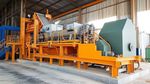
Chocolate Coating Machines: Guide to Automated Confectionery Processing and Finishing
Chocolate Coating Machines are designed to apply controlled layers of chocolate or compound coating to confectionery products such as biscuits, wafers, bars, nuts, and other centers. Automated systems combine chocolate tempering, coating, conveying, cooling, and finishing stages to support consistent processing. This article covers coating technology, machine components, automation, temperature control, processing stages, maintenance, and recent developments.
Chocolate Coating Machines: Guide to Automated Confectionery Processing and Finishing
Chocolate Coating Machines are specialized food-processing equipment used to cover confectionery products with a controlled layer of chocolate or compound coating. They are commonly integrated into production lines for products such as biscuits, wafers, cereal pieces, nuts, centers, bars, and other confectionery items.
The coating process involves more than simply passing a product through melted chocolate. Temperature, viscosity, flow, belt speed, coating thickness, cooling conditions, and product handling all influence the final finish. Automated systems bring these stages together to create a controlled and repeatable production process.
Modern Chocolate Coating Machines can include chocolate melting and tempering equipment, coating curtains, enrobing belts, cooling tunnels, pumps, conveyors, sensors, and digital control systems. The configuration depends on the product, coating material, production capacity, and required finishing characteristics.
Context
Chocolate coating is an important stage in many confectionery production processes. During coating, a product center passes through a controlled chocolate curtain or coating section, allowing chocolate to cover its surface before excess material is removed.
The coated product then enters a cooling section where the chocolate layer becomes stable. Depending on the formulation and process, the coating may need controlled temperature conditions to achieve the desired appearance, texture, and handling characteristics.
How Chocolate Coating Works
A typical automated coating process follows several connected stages:
Chocolate is prepared at an appropriate temperature.
The product centers are placed onto a conveyor.
Products enter the coating section.
Chocolate is applied across the upper and lower surfaces.
Excess chocolate is removed or returned to the circulation system.
Products move through a cooling tunnel.
The coating becomes firm.
Finished products continue to packaging or another processing stage.
The exact sequence can vary according to the machine design and product requirements.
Main Machine Components
A Chocolate Coating Machine may contain several major components:
Chocolate holding or melting tank
Tempering system
Chocolate pump
Coating curtain or enrobing section
Product conveyor
Blower or vibration system for excess coating removal
Cooling tunnel
Temperature sensors
Control panel
Chocolate circulation system
Some systems combine several of these functions into a single integrated production line.
Types of Products
Chocolate coating equipment can process many types of centers. Examples include:
Biscuits
Wafers
Snack bars
Nuts
Fruit pieces
Cookies
Confectionery centers
Cereal-based products
Filled products
Machine configuration is usually selected according to product shape, dimensions, weight, coating characteristics, and production requirements.
Importance
Controlled chocolate coating helps create a consistent surface across repeated batches. Uneven coating can affect appearance, thickness, texture, and downstream handling.
Automation allows important process variables to be monitored and adjusted more precisely than manual coating methods. It can also connect coating with cooling and conveying stages in a continuous production sequence.
Temperature Control
Temperature management is central to chocolate processing. Chocolate contains cocoa butter or other fats whose physical properties change as temperature changes.
Tempering systems are commonly used with chocolate coatings to control the formation of stable fat crystals. Proper tempering can support desirable characteristics such as gloss, snap, stability, and resistance to undesirable surface changes.
Different chocolate formulations can require different processing conditions. Dark, milk, and white chocolate, for example, have different compositions and may respond differently to heating and cooling.
Coating Thickness
Coating thickness depends on several factors, including chocolate flow, product speed, viscosity, curtain settings, and excess-removal mechanisms.
A thicker coating may require additional chocolate flow or slower product movement, while a thinner layer may require different settings. Automated equipment allows these parameters to be adjusted according to the production process.
Cooling
After coating, products commonly pass through a cooling tunnel. Controlled cooling helps the chocolate layer solidify before the products are transferred to later stages.
Cooling conditions can influence the appearance and physical characteristics of the finished coating. Excessively rapid or poorly controlled cooling can create processing problems, so cooling systems are designed around the product and coating formulation.
Recent Updates
Between 2024 and 2026, developments in confectionery processing equipment have continued to emphasize automation, process monitoring, energy management, hygiene, and production flexibility.
Advanced Digital Controls
Modern coating lines increasingly use digital control panels to monitor operating conditions. Depending on the equipment, operators can monitor temperatures, conveyor speed, pump operation, cooling conditions, and other process variables.
Recipe or parameter storage can also support repeatable processing. Instead of manually entering every setting, some systems can retain predefined production configurations.
Greater Process Automation
Automation can coordinate multiple stages of the coating process. Heating, tempering, pumping, coating, conveying, cooling, and product transfer can be connected through a central control system.
Automated control can reduce unnecessary manual adjustments and provide more consistent operation when processing repeated production runs.
Improved Temperature Monitoring
Temperature sensors are an important part of modern chocolate-processing equipment. Multiple monitoring points can provide information about chocolate temperature, tank conditions, cooling zones, and other parts of the process.
Accurate temperature monitoring can help operators identify deviations before they affect a large quantity of product.
Energy Management
Cooling tunnels and heating systems can require significant energy during continuous operation. Equipment development has therefore placed attention on insulation, heat management, motor efficiency, airflow control, and refrigeration-system performance.
The specific energy-saving approach depends on the machine configuration and facility environment.
Hygienic Equipment Design
Food-processing equipment increasingly emphasizes hygienic construction and easier cleaning. Stainless-steel surfaces, accessible components, controlled product-contact areas, and suitable equipment layouts can simplify routine sanitation.
Hygienic design is particularly important because chocolate residues can accumulate around conveyors, pumps, coating sections, and other machine components.
Flexible Production Lines
Confectionery manufacturers may process products with different shapes, sizes, coatings, and formulations. Modern coating equipment can therefore be configured with adjustable conveyors, coating settings, cooling zones, and other components.
This flexibility can allow a single production system to handle multiple product formats when the equipment is designed for that purpose.
Laws or Policies
Chocolate coating operations are subject to food-safety, workplace-safety, sanitation, equipment, and environmental requirements that vary between jurisdictions. There is no single worldwide set of rules that applies identically to every confectionery facility.
Food manufacturers generally need to follow applicable food-processing requirements, including hygiene controls, traceability procedures, allergen management, and appropriate handling practices.
Food Safety
Chocolate and confectionery products may contain ingredients such as milk, nuts, soy, or other allergens. Production facilities need appropriate controls to prevent unintended cross-contact and maintain accurate product information.
Equipment should be cleaned and maintained according to established food-safety procedures. Areas that come into contact with food should be suitable for food processing and maintained in sanitary condition.
Equipment Safety
Chocolate coating lines contain heated materials, moving conveyors, pumps, electrical components, and cooling systems. Appropriate guarding, emergency controls, electrical protection, and operating procedures are important for safe operation.
Operators should follow the equipment manufacturer's instructions and applicable workplace requirements.
Hygiene and Sanitation
Chocolate residues can harden when temperatures fall, making cleaning more difficult. Cleaning schedules should therefore account for the machine's operating conditions and chocolate formulation.
Facilities may establish documented sanitation procedures covering conveyors, tanks, pumps, coating sections, cooling areas, and product-contact surfaces.
Environmental Considerations
Food-processing facilities may also have requirements related to energy use, wastewater, waste handling, refrigeration systems, and other environmental factors. Applicable requirements depend on the location and design of the facility.
Before installing a new production line, operators should review relevant building, electrical, food-safety, and environmental requirements.
Tools and Resources
Several tools and resources support the operation and evaluation of Chocolate Coating Machines. Their importance depends on production scale and process complexity.
Temperature Monitoring Equipment
Temperature sensors and digital displays help monitor chocolate and processing zones. Accurate readings are useful for maintaining suitable tempering and cooling conditions.
Some automated systems record temperature data so operators can review previous production cycles.
Viscosity and Flow Monitoring
Chocolate flow characteristics influence coating performance. Equipment may use controlled pumps, heated pipelines, and adjustable flow systems to maintain consistent movement of the coating material.
Monitoring the process can help identify changes that may affect coating thickness or surface appearance.
Cooling Systems
Cooling tunnels use controlled air movement and refrigeration to reduce product temperature after coating. They may contain several temperature zones to provide gradual cooling.
The tunnel design depends on product dimensions, coating formulation, conveyor speed, and required production capacity.
Maintenance Resources
Routine maintenance can help maintain reliable equipment operation. Typical activities may include:
Cleaning chocolate-contact components
Inspecting pumps and valves
Checking conveyor belts
Examining temperature sensors
Cleaning cooling-air pathways
Inspecting electrical components
Checking guards and emergency controls
Reviewing lubrication requirements for suitable machine components
Maintenance schedules should follow equipment documentation and the operating environment.
Equipment Documentation
Useful resources include equipment manuals, technical specifications, food-safety guidance, sanitation procedures, workplace-safety requirements, and relevant food-processing standards.
When evaluating coating equipment, it is useful to compare coating width, product dimensions, conveyor speed, temperature controls, cooling capacity, chocolate circulation, automation features, cleaning arrangements, and line integration.
FAQs
What are Chocolate Coating Machines used for?
Chocolate Coating Machines apply controlled layers of chocolate or compound coating to confectionery products. They can process biscuits, wafers, bars, nuts, cookies, and various other centers.
How do Chocolate Coating Machines control coating thickness?
Coating thickness can be influenced by chocolate flow, viscosity, conveyor speed, coating settings, and excess-removal mechanisms. Automated controls allow these variables to be adjusted during processing.
Why is temperature control important in Chocolate Coating Machines?
Temperature affects chocolate flow, tempering, cooling, and the final characteristics of the coating. Controlled temperatures help maintain consistent processing conditions.
What products can Chocolate Coating Machines process?
Depending on their configuration, these machines can process biscuits, wafers, snack bars, nuts, cookies, fruit pieces, cereal-based products, and other confectionery centers.
What maintenance do Chocolate Coating Machines require?
Maintenance commonly includes cleaning chocolate-contact areas, inspecting pumps and conveyors, checking sensors, maintaining cooling systems, and verifying safety components. The exact maintenance schedule depends on the equipment design and operating conditions.
Conclusion
Chocolate Coating Machines combine chocolate preparation, controlled application, conveying, cooling, and finishing into an organized confectionery-processing system. Temperature management, coating thickness, airflow, cooling conditions, and machine settings all influence the processing result. Modern equipment increasingly incorporates digital controls, automation, monitoring, hygienic design, energy-management features, and flexible production arrangements. Understanding these technologies can help production teams evaluate equipment configurations and maintain controlled confectionery processing.