Bottle Capping Lines: Explore Automated Packaging Technology and Container Processing
Bottle Capping Lines are automated packaging systems designed to place and secure caps on bottles and containers at consistent speeds. These lines can integrate bottle handling, cap placement, tightening, inspection, and conveyor movement. Modern systems use sensors, controlled mechanisms, and automated monitoring to support reliable container processing across beverage, food, pharmaceutical, chemical, and personal care applications.
Bottle Capping Lines: Explore Automated Packaging Technology and Container Processing
Bottle Capping Lines are an important part of automated packaging operations. They are designed to place caps onto bottles or containers and secure them in a controlled and repeatable manner. Depending on the packaging format, a capping line can include conveyors, cap feeding equipment, cap placement mechanisms, tightening units, sensors, inspection devices, and control systems.
Capping is more than simply placing a closure on a container. The cap must be correctly positioned, properly engaged with the container, and handled without damaging the bottle or closure. Automated systems coordinate these activities while moving containers through a continuous packaging process.
Bottle Capping Lines are used across many industries because bottles and similar containers are common packaging formats. Applications can include beverages, food products, pharmaceutical products, household chemicals, cosmetics, personal care products, and other packaged materials.
Context
A typical capping line begins after bottles or containers have been filled. Containers move along a conveyor toward the capping section, where caps are supplied and positioned before the final closure operation.
The exact arrangement depends on the type of bottle, closure, production process, and required packaging characteristics. Some lines perform only capping, while others connect capping with filling, labeling, inspection, and secondary packaging.
Main Stages of a Capping Line
The basic process can be divided into several stages:
Container transfer: Filled containers move toward the capping equipment through conveyors.
Cap feeding: Caps are delivered from a storage area or cap feeder into the correct orientation.
Cap positioning: The closure is placed over the container opening.
Cap application: A capping mechanism engages the closure with controlled movement.
Tightening or sealing: The system applies the required closing action depending on the closure design.
Inspection: Sensors or inspection equipment can check cap presence, position, or other packaging characteristics.
Discharge: Completed containers continue toward labeling, packaging, or other downstream stages.
This sequence allows the capping process to become part of a larger automated packaging line.
Common Types of Bottle Capping Systems
Different closure designs require different capping methods. Screw caps, snap caps, press-on closures, and other formats can require different mechanical arrangements.
| Capping System | Typical Closure | Main Characteristic |
|---|---|---|
| Screw capping | Threaded caps | Controlled rotational tightening |
| Snap capping | Snap-fit closures | Downward application pressure |
| Press-on capping | Press-fit caps | Vertical closure application |
| ROPP capping | Aluminum closures | Thread formation during application |
| Spindle capping | Screw-type caps | Rotating components engage the closure |
| Chuck capping | Screw-type caps | Controlled cap engagement and tightening |
The selection of a system depends on container geometry, closure material, production requirements, and the characteristics of the packaged product.
Importance
Bottle Capping Lines help maintain consistency during a packaging process. Manual or partially automated operations can introduce differences in cap placement, alignment, and tightening. Automated equipment provides controlled movements that can make these operations more repeatable.
Consistent Cap Application
A correctly positioned closure is important for container integrity. If a cap is incorrectly aligned, it may not engage with the container properly. Automated positioning and application mechanisms help reduce these variations.
Integration With Packaging Lines
Capping equipment can be connected with upstream and downstream machinery. A packaging line may combine filling, capping, labeling, inspection, coding, and case packing into a coordinated sequence.
This integration allows containers to move continuously between stages rather than requiring separate handling after each operation.
Container Compatibility
Bottle and container designs vary considerably. They can differ in height, diameter, neck dimensions, material, and shape. Capping equipment therefore needs suitable guides, handling components, and adjustment mechanisms.
Common container materials include glass, PET, HDPE, and other plastics. Closure materials can also vary, requiring appropriate contact surfaces and application mechanisms.
Process Monitoring
Modern Bottle Capping Lines can use sensors to monitor container movement and cap positioning. Control systems can detect missing containers, incorrect positions, or interruptions in the packaging flow.
Monitoring can also help operators identify process variations before they affect a larger quantity of packaged containers.
Reduced Manual Handling
Automation reduces the amount of repetitive manual work involved in cap placement and tightening. Containers can be transported, capped, inspected, and transferred through a coordinated sequence.
This is particularly useful for packaging environments where large numbers of containers need to pass through the same process repeatedly.
Recent Updates
Between 2024 and 2026, packaging automation has continued to emphasize improved monitoring, flexible machine configuration, and better integration between individual packaging stages.
Smarter Control Systems
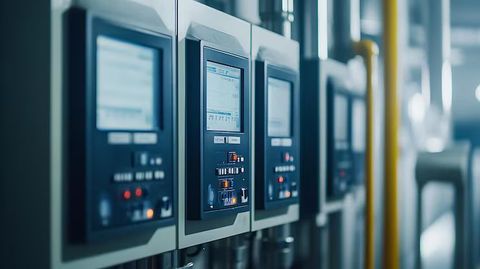
Modern capping equipment increasingly uses digital control interfaces to manage operating parameters. Operators can monitor machine status, adjust settings, and identify process interruptions through centralized control panels.
Electronic controls can also support repeatable machine configurations when packaging formats change.
Sensor-Based Monitoring
Sensors are an important part of automated capping systems. They can monitor bottle presence, cap movement, conveyor position, and other parts of the process.
When a condition falls outside the configured operating sequence, the control system can respond by stopping or adjusting the relevant operation.
Flexible Format Changes
Packaging operations may process different bottle sizes or closure formats. Equipment is therefore increasingly designed with adjustable guides, changeover mechanisms, and configurable control settings.
Format flexibility can reduce the amount of manual adjustment required when moving between compatible container configurations.
Improved Line Integration
Capping machines are increasingly connected with filling machines, labeling systems, coding equipment, inspection units, and packaging machinery. This creates a more coordinated production flow.
Communication between machines can help synchronize conveyor speeds and reduce interruptions between packaging stages.
Energy and Resource Management
Packaging equipment is also being designed with greater attention to energy use and efficient operation. Controlled motors, optimized movement, and automated standby functions can help reduce unnecessary machine activity.
The actual energy performance depends on machine design, operating conditions, container format, and production requirements.
Laws or Policies
Bottle Capping Lines operate within broader workplace, electrical, packaging, and product-handling requirements. The exact rules vary by country and industry.
Machine Safety
Automated packaging equipment generally requires appropriate guarding around moving components. Emergency-stop systems, protective devices, warning labels, and safe access arrangements are common elements of machine safety planning.
Operators should follow the applicable machinery safety requirements in the region where the equipment is installed.
Electrical Safety
Control panels, motors, sensors, and other electrical components need to comply with applicable electrical safety requirements. Proper grounding, protective devices, wiring practices, and enclosure arrangements are important considerations.
Packaging Requirements
The container and closure may also be subject to packaging regulations depending on the product being packaged. Food, pharmaceutical, chemical, and other regulated products can have additional requirements concerning packaging materials, hygiene, contamination control, or product protection.
Workplace Procedures
Operators should receive appropriate training before working with automated capping equipment. Procedures can cover normal operation, format changes, cleaning, inspection, shutdown, and safe access to machine areas.
The applicable requirements should always be confirmed through the relevant national, regional, industry, and workplace authorities.
Tools and Resources
A Bottle Capping Line depends on multiple mechanical, electrical, and control components working together.
Important Machine Components
Bottle conveyors for controlled container movement
Cap feeders for supplying closures
Cap chutes for guiding closures
Bottle guides for maintaining alignment
Capping heads for applying closures
Sensors for detecting container and cap positions
Motors and drives for conveyor movement
Control panels for operating the system
Inspection units for checking packaging conditions
Safety guards and emergency-stop devices
Maintenance and Monitoring Tools
Routine inspection can help identify mechanical wear, loose components, sensor problems, and alignment changes. Depending on the equipment, maintenance activities can include checking conveyor components, cleaning contact areas, inspecting cap-feeding mechanisms, and verifying sensor operation.
Technical manuals and machine documentation are also important resources. They provide information about operating procedures, compatible formats, adjustment points, safety requirements, and maintenance schedules.
Selection Considerations
When evaluating Bottle Capping Lines, several technical factors can be considered:
| Consideration | Why It Matters |
|---|---|
| Bottle dimensions | Determines handling and guide configuration |
| Closure type | Influences the capping mechanism |
| Production speed | Determines required line capacity |
| Container material | Affects handling and contact pressure |
| Format flexibility | Determines how easily different containers can be processed |
| Inspection needs | Defines monitoring and verification equipment |
| Line integration | Determines compatibility with connected machinery |
| Control system | Supports monitoring and operational adjustment |
These factors help define the appropriate configuration for a particular packaging environment.
FAQs
What are Bottle Capping Lines?
Bottle Capping Lines are automated packaging systems that place and secure closures on bottles or containers. They can include cap feeding, positioning, application, tightening, inspection, and conveyor systems.
How do Bottle Capping Lines work?
Bottle Capping Lines transport containers through a sequence of automated operations. Caps are supplied and positioned over the container opening, after which a capping mechanism applies and secures the closure.
What types of caps can Bottle Capping Lines handle?
The exact capabilities depend on the machine configuration. Systems can be designed for screw caps, snap-fit closures, press-on caps, ROPP closures, and other container closure formats.
Why are sensors used in Bottle Capping Lines?
Sensors help monitor container and cap positions and coordinate different machine operations. They can also detect interruptions or missing components within the packaging sequence.
Where are Bottle Capping Lines used?
Bottle Capping Lines are used in beverage, food, pharmaceutical, household chemical, personal care, cosmetic, and other packaging applications where bottles or similar containers require automated closure application.
Conclusion
Bottle Capping Lines provide an automated approach to applying and securing closures on bottles and containers. Their operation can involve conveyors, cap feeders, capping mechanisms, sensors, inspection systems, and digital controls working together. Recent developments have emphasized monitoring, format flexibility, automation, and integration with wider packaging lines. The appropriate configuration depends on container design, closure type, production requirements, and applicable safety and packaging requirements.