Botanical Garden Explorations: Guide to Plant Collections, Garden Layouts, and Conservation
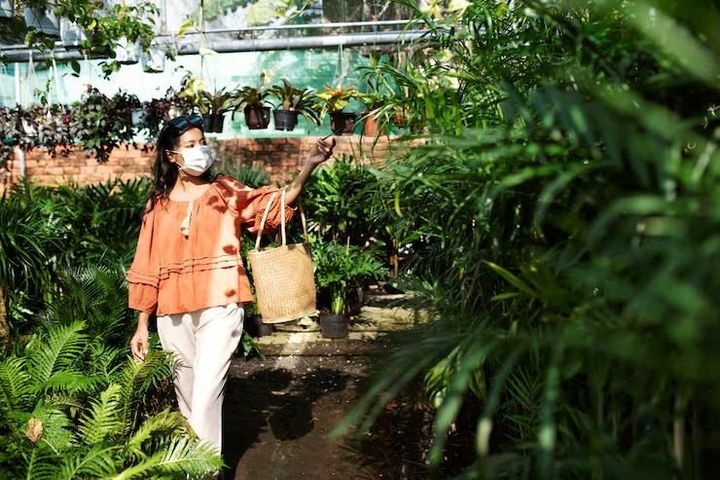
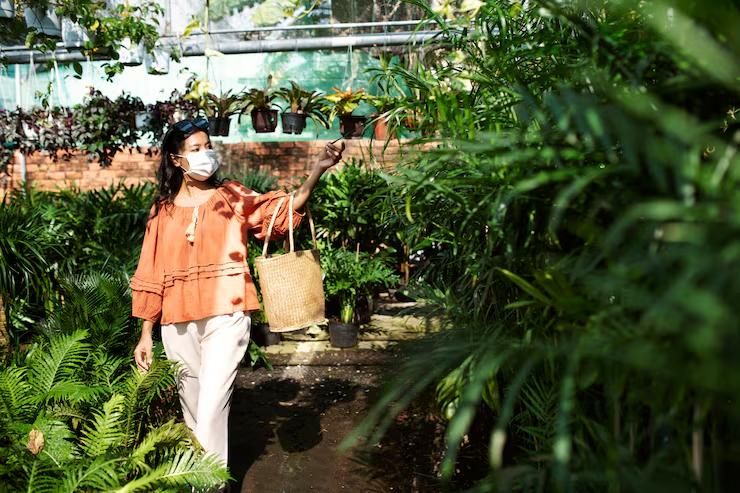
Botanical garden explorations involve visiting and studying gardens that are specifically developed to collect, maintain, identify, research, and display different kinds of plants.
Unlike ordinary public parks, botanical gardens generally have a scientific and educational purpose. Plants may be arranged according to families, geographic regions, ecological habitats, or special uses.
A botanical garden can contain native trees, flowering plants, medicinal species, palms, orchids, aquatic plants, succulents, threatened species, and plants from other parts of the world. Many gardens also maintain nurseries, herbariums, seed collections, greenhouses, research facilities, and educational areas.
In India, botanical gardens have an important connection with plant science and biodiversity conservation. The Botanical Survey of India (BSI), under the Ministry of Environment, Forest and Climate Change, conducts research involving areas such as ex-situ conservation, plant taxonomy, ethnobotany, threatened taxa, and plant chemistry.
Exploration can therefore involve more than sightseeing. Visitors may observe plant adaptations, compare species, learn about native vegetation, understand landscape design, or participate in educational activities.
Common features of botanical gardens include:
- Native and exotic plant collections
- Medicinal and aromatic plant sections
- Orchid and palm collections
- Cactus and succulent gardens
- Herb gardens
- Tropical and subtropical collections
- Water gardens
- Bonsai collections
- Educational interpretation areas
- Conservation collections
- Research and documentation facilities
Importance: Why Botanical Gardens Matter Today
Botanical gardens help connect scientific research with public education. They provide controlled environments where plants can be documented, maintained, propagated, and studied.
One of their most important functions is plant conservation. Some plant species face pressure from habitat loss, climate change, invasive species, pollution, and other environmental changes. Maintaining plants outside their natural habitats, known as ex-situ conservation, can provide an additional conservation method.
Botanical gardens also support biodiversity awareness. Visitors can see plants that may not normally occur in their local surroundings and learn why different ecosystems require different environmental conditions.
For students, botanical gardens can provide practical learning opportunities. Instead of studying plant structures only through textbooks, students can observe roots, stems, leaves, flowers, fruits, seeds, and adaptations directly.
Researchers can also use botanical collections for taxonomy, ecology, horticulture, phenology, and conservation studies.
Urban botanical gardens have another role. Well-planned green areas can contribute to urban environmental quality, recreation, biodiversity awareness, and climate resilience. India's Nagar Van Yojana, for example, promotes urban forests and green spaces for recreation, education, biodiversity conservation, and environmental improvement.
| Botanical garden function | Main purpose | Typical users |
|---|---|---|
| Plant conservation | Maintain important plant collections | Conservationists and researchers |
| Horticulture education | Demonstrate plant cultivation and care | Students and gardeners |
| Botanical research | Study plant identification and biology | Scientists and institutions |
| Public education | Explain biodiversity and ecology | Families and visitors |
| Landscape learning | Demonstrate garden planning and design | Students and landscape professionals |
| Urban greenery | Strengthen local green infrastructure | Urban communities |
Recent Updates: Developments in 2025 and 2026
Botanical research and conservation remained active in India during 2025 and 2026.
In July 2025, the Botanical Survey of India released the 18th volume of Plant Discoveries (2024). The publication documented 433 taxa described as new to science or reported as distributional novelties. This illustrates the continuing role of systematic plant research in understanding India's flora.
In June 2025, BSI scientists reported two taxa as new to science from India: Pedicularis rajeshiana, associated with the Western Himalaya, and Portulaca bharat, from the Aravalli hills of Rajasthan.
A significant public-garden development occurred at Amrit Udyan in New Delhi during August–September 2025. The garden's seasonal opening included areas such as the Herbal Garden, Bonsai Garden, Bal Vatika, Long Garden, and Circular Garden. QR codes were used to provide visitors with information about plant and design features. A new landscaped area called Babbling Brook was also introduced.
The broader environmental policy environment has also continued to emphasize urban greenery. The Ministry of Environment, Forest and Climate Change reported that 75 projects were sanctioned under Nagar Van Yojana during 2025.
In 2026, BSI continued publishing monthly reports and maintaining research programs covering areas such as ex-situ conservation, flora revision, ethnobotany, cryptogams, plant chemistry, and threatened taxa.
These developments show that botanical gardens are increasingly connected with digital interpretation, scientific documentation, biodiversity education, and conservation planning.
Laws or Policies: Rules Affecting Botanical Gardens in India
Botanical gardens operate within a broader environmental and biodiversity framework. One important law is the Biological Diversity Act, 2002, which focuses on conserving biological diversity, promoting sustainable use of biological resources, and ensuring fair and equitable sharing of benefits arising from their use.
The Biological Diversity (Amendment) Act, 2023 came into force on 1 April 2024.
The Biological Diversity Rules, 2024 were notified on 22 October 2024 and superseded the earlier Biological Diversity Rules, 2004. The rules provide the regulatory framework supporting implementation of the amended biodiversity legislation.
Botanical gardens can also interact with biodiversity institutions and local authorities when their activities involve biological resources, conservation programs, research, documentation, or related biodiversity initiatives.
The Ministry's 2024–25 annual report noted that 2.77 lakh Biodiversity Management Committees had been established across 28 states and 8 Union Territories, while 2.68 lakh People's Biodiversity Registers had been documented with support from relevant biodiversity institutions.
For visitors, the practical rules are generally determined by the individual garden or managing authority. These may cover photography, plant collection, littering, movement through restricted areas, feeding animals, and protection of plant collections.
Tools and Resources for Botanical Garden Exploration
Several resources can make botanical garden exploration more informative.
Botanical Survey of India: The BSI website provides information about botanical research, plant taxonomy, conservation activities, publications, regional centres, and gardens. It is particularly useful for people interested in botanical research and Indian flora.
Plant identification applications: Smartphone-based plant identification tools can help users compare leaves, flowers, bark, fruits, and other characteristics. Identification should be treated as preliminary because photographs alone may not always provide enough information for scientific identification.
Digital maps: Mapping applications can help visitors plan routes through large gardens and locate specific garden sections.
Plant databases and herbarium resources: Scientific databases can help users check accepted botanical names, synonyms, geographic distribution, and taxonomic information.
Garden observation notes: A simple template can record the plant's common name, scientific name, family, habitat, flowering period, location within the garden, and notable characteristics.
A useful observation format is:
| Observation | Information to record |
|---|---|
| Plant name | Common and scientific name |
| Family | Botanical family |
| Habitat | Forest, wetland, dry zone, garden, etc. |
| Plant structure | Tree, shrub, herb, climber, grass |
| Seasonal features | Flowering or fruiting period |
| Conservation relevance | Native, endemic, threatened, or cultivated |
| Notes | Interesting adaptations or observations |
Using these resources can turn a casual visit into a structured learning activity.
FAQs About Botanical Garden Explorations
What is the main purpose of a botanical garden?
A botanical garden generally combines plant conservation, scientific research, education, documentation, and public awareness. Its collections are usually managed more systematically than those of a conventional public park.
Are botanical gardens useful for students?
Yes. They provide opportunities to observe plant structures, ecological relationships, adaptations, classification, and horticultural practices directly. They can complement classroom-based biology and environmental studies.
What is ex-situ plant conservation?
Ex-situ conservation means conserving plants outside their natural habitats. Botanical gardens, seed banks, nurseries, and other controlled collections can support this approach.
Can visitors identify every plant using a mobile application?
No. Identification applications can provide useful preliminary suggestions, but some species are difficult to distinguish from photographs. Scientific identification may require detailed morphological characteristics or expert examination.
How are botanical gardens connected with urban planning?
Botanical gardens and similar green spaces can contribute to urban biodiversity, environmental education, recreation, and landscape planning. Programs such as Nagar Van Yojana also promote urban green areas as part of healthier and more sustainable cities.
Conclusion
Botanical garden explorations combine recreation, education, horticulture, scientific research, and biodiversity conservation. They provide a structured way to understand plants while showing how individual species relate to larger ecological systems.
In India, the role of botanical gardens is supported by continuing plant research, conservation programs, biodiversity legislation, and urban greenery initiatives. Developments during 2025 and 2026, including new plant discoveries, digital interpretation features, conservation research, and expanded urban green initiatives, demonstrate the continuing relevance of these spaces.