Ampoule Filling Machines: Guide to Filling Processes and Practical Insights
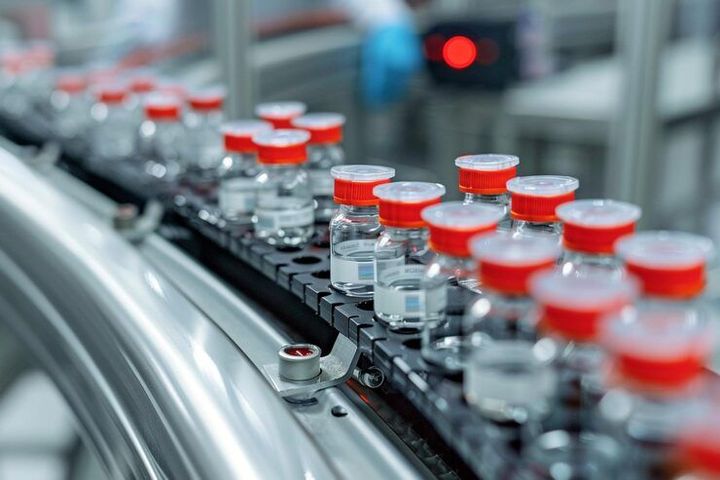
Ampoule Filling Machines are pharmaceutical production machines designed to fill liquid formulations into small sealed glass containers called ampoules. These machines are commonly used for injectable medicines and other sterile liquid preparations where accurate filling, controlled handling, and protection from contamination are important.
An ampoule is usually a small glass container with a narrow neck. After the required quantity of liquid has been introduced, the glass neck is sealed to create a closed container. Depending on the formulation and manufacturing process, filling may be followed by sterilization, inspection, labeling, and secondary packaging.
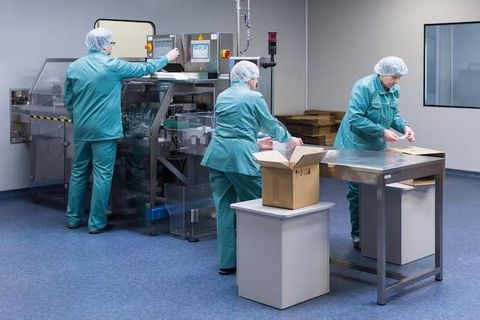
Modern ampoule filling equipment combines mechanical movement, liquid-dosing systems, container handling, controls, and specialized filling-area equipment. In sterile pharmaceutical production, the machine is only one part of a larger controlled manufacturing system. WHO guidance emphasizes that sterile production requires appropriate premises, equipment, personnel practices, environmental controls, and validated processes.
Why Ampoules Are Used
Ampoules are commonly selected for certain liquid pharmaceutical preparations because their sealed glass structure can provide a closed container for the formulation.
Typical applications include:
Injectable pharmaceutical formulations
Selected emergency medicines
Certain anesthetic preparations
Sterile solutions
Some diagnostic and specialty pharmaceutical liquids
The exact container design depends on the formulation, required volume, compatibility with the glass, sterilization method, and regulatory requirements.
Basic Machine Structure
An Ampoule Filling Machine may contain several coordinated sections.
Container feeding system: Moves empty ampoules into the filling area in a controlled sequence.
Liquid filling system: Measures and transfers the required quantity of formulation into each container.
Filling needles: Introduce the liquid into the ampoule while minimizing unnecessary contact with surrounding surfaces.
Indexing mechanism: Positions containers accurately below filling stations.
Gas flushing system: Some applications use controlled gas handling to influence the atmosphere inside the container before sealing.
Sealing section: Uses controlled heat to close the glass neck after filling.
Control system: Coordinates movement, filling parameters, alarms, and machine operation.
The exact configuration varies according to container dimensions, formulation characteristics, production scale, and required level of automation.
Importance
Accurate Liquid Filling
Accurate dosing is one of the central requirements of pharmaceutical filling. The machine must deliver the intended volume consistently while handling differences in liquid properties such as viscosity, surface tension, and foaming behavior.
Different filling technologies can be selected according to the formulation and required accuracy.
Maintaining Sterile Conditions
Many ampoule applications involve sterile pharmaceutical products. In these situations, preventing contamination is a major consideration throughout preparation, filling, sealing, and subsequent handling.
WHO's current guidance for sterile pharmaceutical products describes sterile manufacturing as a controlled process involving appropriate clean areas, personnel practices, equipment, environmental controls, and validated procedures.
A finished-product sterility test alone cannot replace contamination-control measures throughout production. The manufacturing process itself must be designed to reduce contamination risks.
Protecting Product Quality
The formulation must remain within its specified physical and chemical characteristics during filling. Factors such as temperature, exposure to air, light sensitivity, foaming, and interaction with equipment materials can influence the process.
Equipment design therefore considers the product as well as the container.
Consistent Container Handling
Ampoules are relatively small and fragile glass containers. Automated equipment must move them carefully through feeding, filling, sealing, inspection, and discharge stages.
Poor handling can result in breakage, incorrect positioning, incomplete filling, or sealing problems.
Main Machine Sections
| Machine Section | Main Function | Key Consideration |
|---|---|---|
| Ampoule feeder | Moves containers | Controlled positioning |
| Filling station | Introduces liquid | Dose accuracy |
| Filling needle | Directs liquid | Clean product transfer |
| Indexing system | Positions containers | Repeatable movement |
| Gas system | Controls selected atmosphere | Product requirements |
| Sealing station | Closes glass neck | Controlled heating |
| Inspection system | Examines containers | Defect detection |
| Control panel | Coordinates operation | Process monitoring |
Recent Updates
Stronger Focus on Contamination Control
Global pharmaceutical manufacturing has continued moving toward more structured contamination-control approaches. WHO's 2022 revision of its GMP guidance for sterile pharmaceutical products was developed in collaboration with European and international pharmaceutical-inspection organizations.
The emphasis extends beyond the filling machine itself. Facility layout, air handling, material movement, personnel practices, equipment design, cleaning, monitoring, and process validation all contribute to sterile production.
Greater Use of Automation
Modern Ampoule Filling Machines increasingly incorporate automated container handling, programmable controls, electronic monitoring, automatic rejection, and integrated inspection systems.
Automation can reduce repetitive manual handling and create more consistent machine sequences. However, automated operation still requires qualified equipment, validated processes, trained personnel, and appropriate monitoring.
In-Line Inspection
Camera-based inspection systems are increasingly important in pharmaceutical packaging. Vision systems can examine selected characteristics such as container presence, fill level, closure condition, particles, labeling, and visible defects.
The exact inspection capability depends on the equipment and validation requirements. Automated inspection does not eliminate the need for quality-control procedures.
Digital Monitoring
Modern pharmaceutical equipment can collect information about machine states, alarms, production counts, filling parameters, and other process variables.
Digital records can support process monitoring and investigation when appropriately designed and controlled. Pharmaceutical manufacturers also need to consider data integrity, access controls, electronic records, and validation of computerized systems.
More Advanced Aseptic Processing
Aseptic processing remains an important area for sterile pharmaceutical production. The United States Food and Drug Administration states that sterilization, aseptic filling, and closing operations must be appropriately validated when producing sterile drug products. FDA guidance also describes media-fill simulations as a method for evaluating aseptic processing conditions.
This means that machine operation must be considered together with the complete aseptic process rather than as an isolated mechanical activity.
International Harmonization
Pharmaceutical manufacturers increasingly work across multiple regulatory markets. WHO's pharmaceutical GMP framework is used as a foundation in many national systems, while regional regulators such as the European Union and national authorities such as the FDA maintain their own detailed requirements.
This creates a continuing need for equipment manufacturers and pharmaceutical producers to understand both international principles and market-specific requirements.
Laws or Policies
WHO Good Manufacturing Practices
WHO Good Manufacturing Practices provide an international reference for pharmaceutical manufacturing. GMP covers production, quality control, personnel, premises, materials, equipment, documentation, validation, and related quality activities.
WHO's current pharmaceutical GMP resources include its 2024 tenth-edition compendia covering manufacturing and inspection.
United States Requirements
In the United States, sterile drug manufacturing is governed through FDA requirements under the Federal Food, Drug, and Cosmetic Act and related regulations, including 21 CFR Parts 210 and 211.
FDA's aseptic-processing guidance explains considerations for sterile drug products produced through aseptic processing, including equipment, facilities, environmental controls, process design, and validation.
European Pharmaceutical Framework
European pharmaceutical manufacturers operate under EU GMP requirements. Sterile manufacturing is addressed through specific GMP provisions concerning contamination control, clean areas, personnel, equipment, environmental monitoring, and aseptic operations.
Manufacturers supplying several international markets may therefore design filling systems around a combination of applicable national, regional, and international requirements.
Indian Pharmaceutical Manufacturing
India has specific GMP provisions for sterile pharmaceutical products under its Drugs Rules framework. Schedule M includes requirements for sterile products and parenteral preparations, with particular attention to controlled manufacturing areas and contamination prevention.
The exact regulatory requirements depend on the pharmaceutical product, manufacturing activity, facility, and applicable Indian regulations.
Validation and Documentation
Validation is a central concept in pharmaceutical manufacturing. Filling equipment and associated processes may require qualification and validation to demonstrate that they perform consistently within defined parameters.
Documentation can include equipment qualification records, cleaning procedures, calibration records, batch documentation, environmental monitoring information, maintenance records, and process-validation evidence.
Tools and Resources
Filling Technology Selection
Different filling systems can be selected according to liquid characteristics and production requirements.
Time-pressure filling uses controlled pressure and filling duration to transfer liquid.
Peristaltic pumping uses flexible tubing and controlled pump movement to transfer measured quantities.
Piston-based filling uses a calibrated piston mechanism to move a defined quantity of liquid.
The appropriate approach depends on formulation properties, required accuracy, container dimensions, equipment design, and validated process requirements.
Sterile Manufacturing Guidance
WHO GMP publications provide international references for sterile pharmaceutical production, contamination control, equipment, personnel practices, and quality systems. The WHO sterile-product guidance is particularly relevant when researching Ampoule Filling Machines used for injectable products.
Equipment Qualification
Pharmaceutical manufacturers commonly use qualification activities to demonstrate that equipment is appropriately installed and operates according to defined specifications.
Typical terminology includes:
Design Qualification: Reviews whether equipment design meets defined requirements.
Installation Qualification: Confirms appropriate installation.
Operational Qualification: Evaluates operation within specified ranges.
Performance Qualification: Demonstrates consistent performance under intended conditions.
Environmental Monitoring
Sterile manufacturing facilities use environmental monitoring programs to assess selected conditions such as airborne particles, microorganisms, surfaces, and personnel-related contamination risks.
Monitoring requirements depend on the manufacturing environment and applicable regulatory framework.
Inspection Systems
Vision-based inspection equipment can examine ampoules for selected physical characteristics. Depending on the system, inspection may cover fill level, container integrity, particles, sealing appearance, labeling, and other predefined attributes.
Maintenance and Calibration Records
Filling equipment contains moving parts, pumps, sensors, heating components, valves, and control systems. Maintenance and calibration programs help keep these components within defined operating conditions.
Records are important because pharmaceutical manufacturing relies heavily on documented evidence that equipment and processes remain controlled.
FAQs
What are Ampoule Filling Machines?
Ampoule Filling Machines are pharmaceutical production machines designed to introduce measured quantities of liquid formulations into ampoules and support subsequent sealing and handling operations.
How do Ampoule Filling Machines work?
Ampoules are fed into the machine, positioned at the filling station, filled with a controlled quantity of liquid, and transferred toward the sealing section. Additional stages such as gas handling, inspection, and rejection may be integrated depending on the equipment configuration.
What liquids can be filled using Ampoule Filling Machines?
They can be configured for various pharmaceutical liquid formulations, including selected injectable solutions. The filling technology depends on properties such as viscosity, foaming behavior, sensitivity to air, and required filling volume.
Are Ampoule Filling Machines used for sterile medicines?
Yes. Many ampoule applications involve sterile pharmaceutical products. Such applications require appropriately controlled facilities, equipment, procedures, environmental conditions, and validated processes.
What standards apply to ampoule filling?
Requirements vary by market. WHO GMP, FDA requirements in the United States, EU GMP requirements in Europe, and national pharmaceutical regulations in countries such as India provide important regulatory references for pharmaceutical manufacturing.
Conclusion
Ampoule Filling Machines combine container handling, liquid dosing, controlled movement, sealing, inspection, and machine automation for pharmaceutical production. Their role becomes particularly important when ampoules are used for sterile preparations, where contamination control and process validation are essential. Worldwide pharmaceutical manufacturing is increasingly emphasizing automation, digital monitoring, inspection technology, and stronger contamination-control systems. Understanding the machine, filling method, container characteristics, and applicable regulatory framework provides a clearer view of how ampoule filling fits into modern pharmaceutical production.