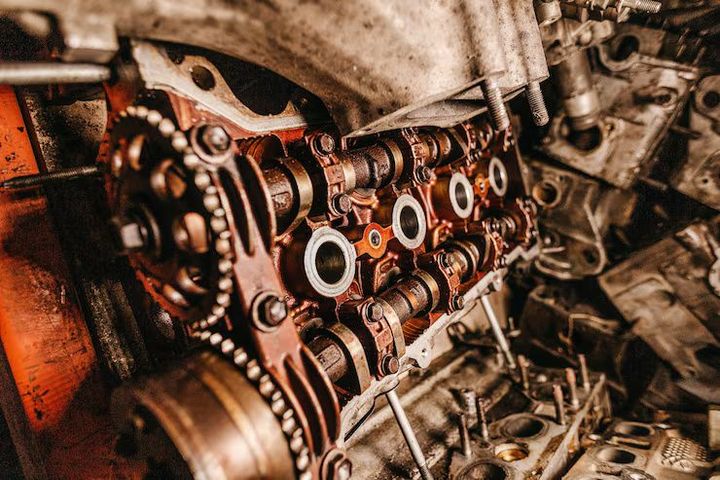
Alternators: Discover Electrical Generation Technology and Modern Power Systems
Alternators are electrical machines that convert mechanical energy into alternating electrical power. They are widely used in power-generation systems, industrial equipment, vehicles, backup power units, and other applications. Modern alternators combine electromagnetic components, rotating assemblies, voltage regulation, cooling systems, and monitoring technologies to produce stable electrical output under different operating conditions.
Alternators: Discover Electrical Generation Technology and Modern Power Systems
Alternators are electrical machines that generate alternating current by converting mechanical energy into electrical energy. They are an important part of many power-generation systems and can be found in utility plants, industrial facilities, generator sets, transportation equipment, renewable-energy systems, and other applications.
The basic operating principle of an alternator is based on electromagnetic induction. A rotating magnetic field interacts with conductors in the machine, producing an alternating electrical voltage. The mechanical energy required for rotation can come from engines, steam turbines, gas turbines, hydro turbines, wind turbines, or other prime movers.
Although the basic principle is well established, modern alternators include sophisticated control, cooling, insulation, monitoring, and protection systems. These features help the machines operate reliably under changing electrical and mechanical conditions.
Context
An alternator is commonly divided into two major electromagnetic sections: the rotor and the stator. The rotor is the rotating part that creates or carries the magnetic field, while the stator contains stationary windings where electrical voltage is induced.
A prime mover supplies mechanical rotation to the rotor. As the magnetic field rotates relative to the stator windings, an alternating voltage is produced. The generated electricity can then be transferred through appropriate electrical equipment to a load or power network.
Main Alternator Components
An alternator contains several components that work together during operation.
| Component | Main Function |
|---|---|
| Rotor | Produces or carries the rotating magnetic field |
| Stator | Contains conductors where voltage is induced |
| Excitation system | Establishes and controls the magnetic field |
| Bearings | Support the rotating assembly |
| Cooling system | Removes heat generated during operation |
| Voltage regulator | Helps control terminal voltage |
| Shaft | Transfers mechanical rotation from the prime mover |
| Protection system | Detects abnormal electrical or operating conditions |
| Housing | Provides structural support and protection |
The exact construction varies according to alternator size, speed, voltage, application, and operating environment.
How Alternators Work
The generation process can be described in several stages.
1. Mechanical input: A prime mover rotates the alternator shaft.
2. Magnetic field creation: The excitation system establishes a magnetic field associated with the rotor.
3. Electromagnetic induction: Rotation causes the magnetic field to move relative to the stator conductors, inducing an alternating voltage.
4. Electrical output: The generated alternating current is delivered through the machine's terminals to connected electrical equipment.
5. Regulation and protection: Control systems monitor voltage and operating conditions and respond to changes or abnormal events.
This process continues as long as the alternator receives suitable mechanical input and operates within its designed conditions.
Types of Alternators
Alternators can be categorized in several ways. One common classification is based on rotor construction.
Salient-pole alternators have projecting magnetic poles and are commonly associated with relatively low-speed applications such as hydroelectric generation.
Cylindrical-rotor alternators use a smooth rotor structure and are commonly associated with high-speed applications such as turbine-driven generators.
Alternators can also be classified by phase configuration, excitation method, cooling arrangement, voltage level, and application.
Importance
Alternators play a central role in converting mechanical power into useful electrical energy. Their importance extends from large utility generators to compact systems used in transportation and industrial equipment.
Power Generation
Large alternators are connected to turbines in power stations. Steam turbines, gas turbines, and hydro turbines can provide the mechanical rotation needed to operate the generator.
The alternator converts this rotation into electricity that can be transmitted through electrical networks.
Industrial Applications
Industrial facilities can use alternators as part of onsite generation systems. They may be connected to engines or turbines to provide electrical power for production equipment and facility operations.
Industrial generator systems can also support continuity during interruptions in the external electrical supply.
Transportation
Alternators are used in many vehicles to generate electrical power while the engine is operating. In these systems, the alternator supplies electrical energy to vehicle loads and helps maintain battery charge.
Vehicle alternators are generally smaller and operate under different conditions from large industrial generators, but they use the same basic electromagnetic generation principle.
Backup Power
Engine-driven alternators form a major part of many standby generator sets. When an electrical supply interruption occurs, the engine provides mechanical rotation and the alternator produces electrical output for connected loads.
The complete generator system also requires fuel handling, engine controls, switching equipment, protection systems, and appropriate electrical connections.
Renewable-Energy Systems
Alternators and related synchronous-generator technologies can be used with certain renewable-energy systems. Hydroelectric turbines, wind turbines, and other mechanical energy sources can drive electrical generators.
The specific generator configuration depends on the prime mover and grid or load requirements.
Recent Updates
From 2024 through 2026, alternator technology has continued to develop around digital monitoring, improved thermal management, electrical efficiency, advanced materials, and integration with modern power systems.
Digital Monitoring
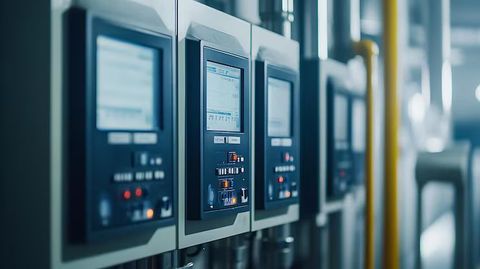
Modern alternators can incorporate sensors that monitor temperature, vibration, voltage, current, insulation conditions, and other operating parameters.
These measurements can be displayed through digital control systems and used to identify changes in machine behavior.
Condition Monitoring
Condition-monitoring technologies help operators track the operating state of rotating electrical equipment. Vibration analysis, temperature measurement, electrical testing, and other techniques can provide information about developing equipment issues.
Monitoring requirements depend on alternator design, operating environment, machine size, and criticality.
Improved Cooling
Alternators generate heat in their windings, magnetic components, bearings, and other parts. Larger machines may use sophisticated air, hydrogen, water, or other cooling arrangements depending on their design.
Improved thermal management can help maintain appropriate operating temperatures and support stable electrical performance.
Advanced Insulation Systems
Electrical insulation is an important factor in generator reliability. Modern insulation materials and manufacturing techniques are designed to withstand electrical, thermal, mechanical, and environmental stresses.
Insulation condition can also be monitored through appropriate testing and diagnostic methods.
Power-System Integration
Modern alternators increasingly operate within digitally managed electrical networks. Generator controls can interact with protection systems, synchronization equipment, voltage regulators, and plant-level control platforms.
This integration helps coordinate generator operation with electrical loads and wider power-system requirements.
Laws or Policies
Alternator installations are subject to electrical, mechanical, workplace, environmental, and grid-related requirements. The specific rules depend on the country, generator size, application, and connection arrangement.
Electrical Safety
Alternators generate electrical voltages that can present significant hazards. Appropriate insulation, grounding, protective devices, enclosures, isolation procedures, and maintenance practices are therefore important.
Electrical installations should follow applicable national and regional requirements.
Generator Protection
Protection systems may monitor conditions such as overcurrent, overvoltage, undervoltage, frequency changes, loss of synchronization, and other abnormal operating conditions.
Protection requirements depend on the generator's size and role within the electrical system.
Grid Connection
Alternators connected to utility networks may need to comply with grid-interconnection requirements. These can cover voltage, frequency, synchronization, protection, power quality, and operating behavior.
Requirements vary substantially between jurisdictions and network operators.
Workplace Safety
Alternators contain rotating parts, electrical conductors, hot surfaces, and potentially high-energy mechanical systems. Appropriate guarding, lockout procedures, warning systems, and operator training are important.
Maintenance personnel should follow documented procedures before accessing energized or rotating equipment.
Environmental Considerations
The alternator itself produces electrical power from mechanical input, but its environmental requirements may depend on the prime mover. Engine-driven systems, for example, can involve fuel combustion and associated emissions.
Environmental obligations should therefore be considered for the complete power-generation system rather than the alternator alone.
Tools and Resources
Alternator operation depends on mechanical, electrical, cooling, control, and protection systems working together.
Supporting Equipment
Common supporting systems include:
Prime movers such as engines and turbines
Excitation systems
Automatic voltage regulators
Cooling equipment
Lubrication systems
Circuit breakers
Synchronization equipment
Protective relays
Monitoring sensors
Control panels
Transformers and switchgear
The exact combination depends on the application.
Testing Equipment
Electrical testing can be used to evaluate alternator performance and condition. Common techniques include voltage and current measurement, insulation testing, winding resistance measurement, vibration monitoring, and temperature monitoring.
Specialized testing methods may be applied to larger generators during planned inspection programs.
Maintenance Resources
Maintenance activities can include inspection of bearings, cooling systems, electrical connections, insulation, brushes where applicable, excitation components, and mechanical couplings.
Manufacturer documentation and equipment records provide important references for operating limits, inspection procedures, and maintenance intervals.
Selection Considerations
Several factors should be evaluated when selecting an alternator for a power system.
| Consideration | Why It Matters |
|---|---|
| Rated power | Defines the electrical output capability |
| Voltage | Must match the intended electrical system |
| Frequency | Determines compatibility with the connected network |
| Speed | Must correspond with the prime mover and generator design |
| Phase configuration | Determines the type of electrical output |
| Cooling method | Influences thermal management |
| Excitation system | Affects voltage control and generator operation |
| Operating environment | Influences enclosure, cooling, and protection requirements |
These factors help determine the appropriate alternator configuration for a particular application.
FAQs
What are alternators?
Alternators are electrical machines that convert mechanical energy into alternating electrical energy through electromagnetic induction. They can be driven by engines, turbines, and other rotating power sources.
How do alternators generate electricity?
A rotating magnetic field moves relative to stationary conductors in the stator. This movement induces an alternating voltage in the stator windings, producing electrical output.
What are the main components of alternators?
The main components include the rotor, stator, excitation system, shaft, bearings, cooling arrangement, voltage regulator, housing, and protection equipment.
Where are alternators used?
Alternators are used in power plants, industrial generator sets, vehicles, hydroelectric systems, wind-energy systems, and other applications that require mechanical-to-electrical energy conversion.
What is the role of an alternator in a generator set?
The engine or another prime mover provides mechanical rotation, while the alternator converts that mechanical energy into electrical power. Together, these components form the core energy-conversion system of a generator set.
Conclusion
Alternators convert mechanical energy into alternating electrical power and form an essential part of many modern power systems. Their main components include the rotor, stator, excitation system, cooling equipment, voltage regulation, and protection systems. Recent developments have emphasized digital monitoring, improved insulation, thermal management, condition monitoring, and integration with modern electrical networks. The appropriate alternator design depends on electrical requirements, prime-mover characteristics, operating conditions, and applicable safety and grid requirements.