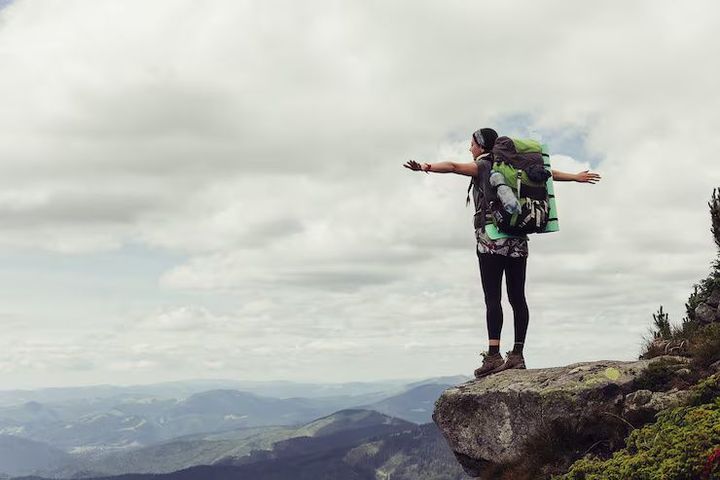
Adventure Tourism: Explore Popular Activities and Travel Experiences
Adventure Tourism is a form of travel centered on exploration, outdoor activities, physical participation, and experiences in natural or unfamiliar environments. Activities can take place on land, in water, in the air, or across mountainous and remote landscapes.
The Ministry of Tourism describes adventure tourism as a niche form of tourism involving exploration or travel to remote, exotic, and potentially challenging areas. It can involve physical activity and an element of perceived risk, while covering land, water, and air-based activities.
Adventure travel can range from relatively accessible activities, such as hiking and cycling, to technically demanding activities such as mountaineering, white-water rafting, scuba diving, paragliding, and skydiving.
How Adventure Tourism Works
An adventure trip generally combines a destination with a planned activity and appropriate preparation.
A typical experience may include:
Destination selection: Choosing a mountain, forest, river, coastline, desert, or other suitable environment.
Activity selection: Identifying an activity that matches the traveler's experience and physical requirements.
Preparation: Understanding weather, terrain, equipment, local conditions, and activity requirements.
Safety planning: Checking emergency arrangements, communication methods, qualified personnel, and applicable local rules.
Participation: Completing the activity according to established procedures and environmental conditions.
Post-activity travel: Returning to the accommodation or continuing to another destination.
The level of preparation varies considerably between activities. A short nature hike and a high-altitude expedition should not be treated as equivalent experiences.
Main Categories
Land-based adventure includes trekking, hiking, mountain biking, rock climbing, camping, skiing, snowboarding, and desert activities.
Water-based adventure includes rafting, kayaking, scuba diving, snorkeling, surfing, sailing, and selected forms of canyoning.
Air-based adventure includes paragliding, parasailing, skydiving, hot-air ballooning, and other aerial activities.
Mountain adventure can include trekking, mountaineering, skiing, snowboarding, and climbing. These activities can involve altitude, changing weather, steep terrain, and specialized equipment.
Importance
Connecting Travel With Outdoor Experiences
Adventure Tourism gives travelers opportunities to interact directly with landscapes rather than experiencing a destination only through sightseeing.
A trek through a mountain region, for example, combines transportation and accommodation with physical movement through a natural environment. Similarly, rafting allows travelers to experience a river through active participation.
Supporting Destination Development
Adventure activities can create reasons for visitors to explore destinations outside major urban centers. Mountain communities, coastal regions, forest areas, desert landscapes, and rural destinations can become part of broader tourism networks.
India's National Strategy for Adventure Tourism focuses on destination development, skill development, safety management, rescue and communication systems, and institutional coordination.
Encouraging Skill Development
Many activities require specific knowledge and practical skills. Examples include swimming techniques for water activities, navigation for trekking, equipment handling for climbing, and weather awareness for mountain travel.
Training and certification can therefore be important parts of adventure tourism, particularly for technically demanding activities.
Creating Varied Travel Experiences
Adventure tourism can be combined with other forms of travel. A trip may include cultural visits, wildlife observation, local food experiences, photography, relaxation, and an adventure activity within the same itinerary.
This creates flexibility for travelers with different interests and activity levels.
Common Activities
| Activity | Environment | Main Experience |
|---|---|---|
| Trekking | Mountains and forests | Walking and exploration |
| River rafting | Rivers | Moving through flowing water |
| Scuba diving | Seas and lakes | Underwater exploration |
| Paragliding | Mountain and open areas | Gliding through the air |
| Rock climbing | Cliffs and rock formations | Vertical climbing |
| Mountain biking | Trails and roads | Cycling across varied terrain |
| Skiing | Snow-covered areas | Snow-based movement |
| Kayaking | Rivers, lakes, and seas | Paddling and navigation |
| Skydiving | Air | Controlled free-fall experience |
| Camping | Natural areas | Outdoor overnight experience |
Recent Updates
National Adventure Tourism Strategy
India's Ministry of Tourism has developed a National Strategy for Adventure Tourism that focuses on several areas, including destination development, skills and capacity building, safety management, rescue and communication systems, governance, and promotion.
The Ministry's current guidelines page continues to list the National Strategy for Adventure Tourism 2022 along with Indian Adventure Tourism Guidelines.
Greater Attention to Safety
Safety has become a major focus of India's adventure tourism framework. In 2025, the Ministry of Tourism stated that it had formulated Model Adventure Safety Guidelines in association with the Adventure Tour Operators Association of India and circulated them to States and Union Territories for adoption or updating of local safety protocols.
The guidance covers the broader objective of establishing standardized safety practices across adventure activities. States and Union Territories remain important authorities for implementation because tourism development and activity oversight are largely handled at the state or UT level.
Responsible Adventure Tourism Training
The Ministry of Tourism reported in February 2026 that it conducts a Responsible Adventure Tourism Guide Course through its regional tourism offices in coordination with the Adventure Tour Operators Association of India.
Training can help guides understand activity procedures, visitor management, environmental considerations, emergency response, and destination-specific conditions.
Rescue and Communication Planning
The National Strategy includes a proposed national and state-level rescue and communication framework. The Ministry has also discussed Adventure Tourism Rescue Centers as part of strengthening emergency coordination.
Communication becomes particularly important in remote mountain, forest, desert, and water environments where normal mobile coverage may not always be available.
Digital Trip Planning
Digital maps, satellite navigation, weather applications, online permits, route-planning platforms, and emergency communication technologies are increasingly used when preparing outdoor trips.
These tools can provide useful information, but digital information should not replace local knowledge or appropriate preparation. Mountain weather, river conditions, trail closures, and other environmental factors can change rapidly.
Laws or Policies
National Tourism Framework
India's Ministry of Tourism is responsible for national tourism policy and coordination, while tourism development and many destination-level activities are handled by State Governments and Union Territory Administrations.
For adventure tourism, this means travelers may encounter different registration, permit, safety, environmental, or activity requirements depending on the destination and activity.
Adventure Safety Guidelines
The Ministry of Tourism's Model Adventure Safety Guidelines were developed to create a more consistent safety framework. In 2025, the Ministry requested States and Union Territories to monitor adventure activities and encourage adherence to applicable safety regulations and licensing requirements.
These guidelines should be considered alongside local requirements rather than treated as a replacement for state-level rules.
Activity-Specific Requirements
Different adventure activities can fall under different regulatory systems.
For example, protected areas may have entry rules and activity restrictions. Mountain destinations can have local permits or route requirements. Water activities can involve equipment, instructor, rescue, and environmental requirements. Aviation-related activities can also involve separate rules and competent authorities.
Travelers should therefore check the rules applicable to the exact destination and activity before participation.
Environmental Considerations
Adventure tourism takes place in natural environments that can be sensitive to waste, excessive foot traffic, noise, pollution, and uncontrolled construction.
India's National Strategy for Sustainable Tourism provides a broader framework for considering sustainability within tourism development.
Responsible adventure travel can include respecting marked routes, carrying waste appropriately, avoiding disturbance to wildlife, following local restrictions, and using designated camping or activity areas where required.
Tools and Resources
Maps and Navigation Applications
Digital maps can help travelers understand routes, elevation, roads, trails, nearby facilities, and geographical features.
For remote activities, it is useful to understand how navigation works before entering an area where mobile connectivity may be limited.
Weather Information
Weather information is particularly important for mountain, water, and air activities. Rain, wind, temperature, snowfall, visibility, and storm conditions can influence whether an activity can proceed.
Weather information should be checked close to the activity period rather than relying only on long-range forecasts.
Activity Checklists
A simple checklist can help organize equipment and preparation.
Useful categories can include:
Clothing appropriate for the environment
Footwear
Water and food
Navigation equipment
Communication devices
First-aid supplies
Activity-specific protective equipment
Identification and required permits
Emergency contact information
The exact equipment should be determined by the activity and local conditions.
Tourism Information Resources
The Ministry of Tourism maintains national tourism strategies and guidelines covering adventure tourism, sustainable tourism, and destination development. Its official resources can help travelers and tourism stakeholders understand the broader policy environment.
Destination-Specific Information
Local tourism authorities can provide information about permits, seasonal conditions, protected areas, route restrictions, activity zones, and local requirements.
This information is particularly important for activities conducted in mountains, forests, rivers, wildlife areas, and other regulated environments.
FAQs
What is Adventure Tourism?
Adventure Tourism is travel that combines exploration with outdoor or physically active experiences. Activities can take place on land, water, in the air, or in mountainous and remote environments.
What are popular Adventure Tourism activities?
Popular activities include trekking, hiking, rafting, kayaking, scuba diving, snorkeling, mountain biking, rock climbing, skiing, paragliding, camping, and skydiving.
Is Adventure Tourism suitable for beginners?
Some activities are designed for beginners with appropriate instruction, while others require prior training and experience. The difficulty level should be matched with the participant's abilities, activity requirements, weather, and local conditions.
Why is safety important in Adventure Tourism?
Outdoor activities can involve changing weather, terrain, water conditions, altitude, equipment, and other environmental factors. Appropriate preparation, qualified personnel, suitable equipment, communication arrangements, and local safety procedures can help manage these factors.
How is Adventure Tourism developing in India?
India has a National Strategy for Adventure Tourism focused on destination development, skills, safety management, rescue and communication systems, governance, and promotion. The Ministry of Tourism has also developed Adventure Safety Guidelines for adoption and updating by States and Union Territories.
Conclusion
Adventure Tourism combines travel with outdoor activities, exploration, physical participation, and experiences in natural or challenging environments. Trekking, rafting, diving, climbing, skiing, cycling, and aerial activities represent different categories with their own equipment and preparation requirements. In India, recent tourism initiatives have placed greater attention on safety frameworks, guide training, destination development, and rescue coordination. Understanding the activity, destination, local rules, environmental conditions, and preparation requirements provides useful context for planning adventure-focused travel.