Winter Ski Destinations: Overview of Mountain Areas, Ski Routes, and Seasonal Activities
Winter ski destinations are mountainous or purpose-built areas where people travel to participate in skiing, snowboarding, and other seasonal activities.
These destinations are commonly located in regions that receive regular snowfall or maintain suitable snow conditions through a combination of natural weather and snowmaking equipment. They range from small local ski areas to extensive mountain resorts with multiple slopes, accommodation, restaurants, and transport facilities.
Skiing began as a practical means of traveling across snow-covered landscapes in northern Europe and parts of Asia. Over time, it developed into a recreational activity and competitive sport. During the nineteenth and twentieth centuries, improved transportation, mountain infrastructure, and specialized equipment helped skiing become an established winter tourism activity.
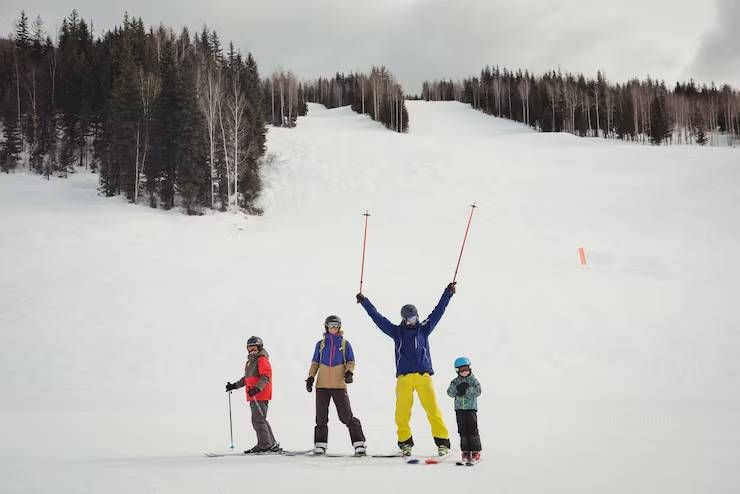
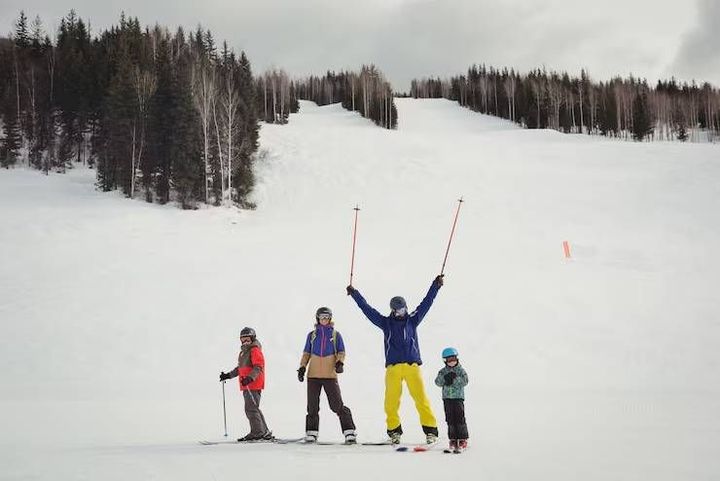
Today, winter ski destinations attract beginners, experienced skiers, families, and visitors interested in mountain scenery. Some destinations focus primarily on downhill skiing, while others provide cross-country trails, snowshoeing routes, ice skating, and other cold-weather activities. The type of experience available depends on the local terrain, climate, facilities, and seasonal operating conditions.
Types of Winter Ski Destinations
Winter ski destinations differ in size, geography, and available activities. Mountain resorts generally feature marked downhill slopes, lift systems, equipment rental facilities, and designated learning areas. Smaller ski areas may operate with fewer slopes and more limited infrastructure.
Cross-country skiing destinations typically have trails through forests, valleys, or open landscapes. These routes emphasize endurance and movement across relatively gentle terrain rather than descending steep mountain slopes.
Some destinations are located near major towns, allowing visitors to combine skiing with cultural attractions and everyday urban activities. Others are situated in remote mountain regions where access depends on mountain roads, regional railways, or seasonal transport connections.
Major Winter Ski Regions
Several parts of the world have established winter skiing traditions. The European Alps extend across countries including France, Switzerland, Austria, and Italy. North America has ski areas in the Rocky Mountains, the Sierra Nevada, and parts of eastern Canada and the United States.
Japan has winter ski destinations in Hokkaido and other mountainous regions, while Scandinavia is known for cross-country skiing and winter outdoor recreation. New Zealand and Australia have Southern Hemisphere ski areas that generally operate during the middle of the calendar year, when winter occurs south of the equator.
Importance
Winter ski destinations contribute to regional tourism and provide opportunities for outdoor recreation. They support activities connected with accommodation, transportation, food, equipment, mountain guiding, and local cultural attractions. Their economic role can be particularly important in mountain communities where other large-scale industries may be limited.
These destinations also influence how people experience winter landscapes. Visitors can learn about mountain environments, snow conditions, local traditions, and outdoor safety. Ski areas may provide structured learning environments where beginners develop balance, coordination, and an understanding of mountain rules.
Accessibility and Visitor Needs
Different visitors have different requirements when choosing a ski destination. Beginners may need gentle slopes, instruction areas, and clearly marked routes. Experienced skiers may look for varied terrain, longer descents, or designated off-piste areas where permitted.
Families often consider the availability of beginner facilities, child supervision arrangements, indoor activities, and convenient transport. Visitors who do not ski may prefer destinations with winter walking routes, scenic rail journeys, museums, thermal baths, or opportunities to observe mountain wildlife.
Accessibility is another important consideration. Some mountain locations have adapted facilities, accessible accommodation, and specialized instruction, although availability varies. Weather-related road closures, steep terrain, and limited public transport can create additional difficulties for certain travelers.
Common Factors to Compare
| Factor | What it means | Why it matters |
|---|---|---|
| Elevation | Height of the ski area above sea level | Influences temperature and snow conditions |
| Terrain | Slope steepness and trail variety | Determines suitability for different abilities |
| Snow conditions | Natural snowfall and maintained snow cover | Affects trail availability |
| Transport | Roads, railways, buses, and local transfers | Influences access to mountain areas |
| Facilities | Lifts, learning areas, and equipment rental | Shapes the visitor experience |
| Safety arrangements | Patrols, markings, and emergency procedures | Helps manage mountain risks |
| Season length | Period when skiing is generally possible | Varies with geography and weather |
| Other activities | Walking, skating, and cultural attractions | Provides alternatives when skiing is unsuitable |
Recent Updates
Developments affecting winter ski destinations between 2024 and 2026 have largely involved climate adaptation, changing snow conditions, digital planning tools, and efforts to manage environmental impacts. Conditions differ considerably between regions, so individual destinations may experience different patterns from one season to another.
Climate Change and Snow Reliability
Changing temperatures are affecting snow conditions in many mountain regions. Warmer winters can reduce natural snowfall at lower elevations, shorten the period when slopes remain covered, and increase the frequency of rain instead of snow during some weather events.
Ski areas have responded in different ways, including adjusting operating schedules, investing in snowmaking where conditions permit, and expanding activities that do not depend entirely on snow. However, snowmaking requires suitable temperatures and water and energy resources, so it cannot eliminate every climate-related challenge.
Digital Travel Planning
Online platforms increasingly provide trail maps, lift operating information, weather forecasts, webcams, and snow reports. These tools allow visitors to check local conditions before traveling and during their stay.
Digital reservation systems and mobile applications can also help coordinate accommodation, transport, lessons, and equipment arrangements. Information can change quickly during winter storms, making current operational updates particularly important.
Environmental Management
Mountain destinations are paying greater attention to energy use, water management, waste reduction, and transport emissions. Some locations are exploring lower-emission transport options, renewable electricity, and improvements to building efficiency.
Tourism management also involves protecting forests, wildlife habitats, and mountain water systems. Increased visitor numbers can place pressure on roads, waste facilities, and sensitive landscapes, particularly in small alpine communities.
Changing Visitor Patterns
Winter tourism is becoming more varied in some regions. Certain travelers combine skiing with wellness activities, local food, cultural visits, and nature-based recreation. Others select destinations with flexible activities because snow conditions can be uncertain.
The overall direction is toward more detailed seasonal planning and greater attention to weather information, environmental conditions, and alternative activities.
Laws or Policies
Rules governing winter ski destinations depend on the country, region, and type of activity. They can cover land management, mountain safety, lift operations, environmental protection, building standards, transportation, and tourism accommodation.
In the United States, ski areas operating on certain federal lands may be subject to permits and requirements administered by agencies such as the U.S. Forest Service. Other ski areas operate under state, local, or private land arrangements, depending on their location.
In European countries, national and regional authorities establish rules relevant to ski lifts, workplace safety, environmental protection, and visitor facilities. European product-safety requirements can also apply to relevant equipment, while national rules govern many operational matters.
In India, winter tourism in mountain regions is influenced by local tourism policies, environmental requirements, road regulations, and land-use rules. Destinations in Himalayan states and territories may have specific arrangements for protected areas, seasonal access, and activities in sensitive mountain environments.
Visitors may also need to follow rules established by individual ski areas. Common requirements include:
- Following marked slopes and respecting trail closures.
- Controlling speed and maintaining awareness of other skiers.
- Giving way appropriately and avoiding collisions.
- Obeying lift instructions and posted safety notices.
- Using required protective equipment where applicable.
- Respecting restrictions on off-piste travel and protected habitats.
- Following official weather warnings and evacuation instructions.
Avalanche safety is especially important outside controlled ski areas. Backcountry travel may require specialized training, appropriate equipment, and knowledge of current avalanche conditions. A marked or open ski slope does not mean that surrounding mountain terrain is equally safe.
Tools and Resources
Several resources help visitors understand winter ski destinations and prepare for changing mountain conditions. Official destination websites generally publish information about operating periods, trail availability, lift status, transport connections, and local rules.
Weather agencies provide forecasts for temperature, snowfall, wind, and precipitation. Mountain weather can differ from conditions in nearby towns, so forecasts that cover the relevant elevation are particularly useful.
Ski trail maps show slope difficulty, lift connections, designated routes, and restricted areas. Many destinations classify downhill trails using colored markings, although the exact system and its interpretation can vary between countries.
Useful resources include:
- National weather agencies: Forecasts and severe-weather alerts for mountain regions.
- Official ski-area websites: Current lift operations, trail status, and local safety notices.
- Regional tourism portals: Information about accommodation, transport, and seasonal activities.
- Avalanche warning centers: Regional hazard assessments and backcountry safety information.
- Travel planning platforms: Transport schedules, lodging details, and route comparisons.
- Digital maps: Road access, walking routes, and geographical orientation.
Examples of established information sources include the U.S. National Weather Service, the European Avalanche Warning Services network, and national meteorological agencies in countries with winter tourism. Information from official local authorities remains important when conditions change rapidly.
FAQs
What are winter ski destinations?
Winter ski destinations are mountain areas or purpose-built locations where visitors participate in skiing, snowboarding, and other cold-weather activities. They may include slopes, lifts, trails, accommodation, and facilities for visitors with different experience levels.
Which countries are known for winter ski destinations?
France, Switzerland, Austria, Italy, the United States, Canada, and Japan have established ski regions. Norway, Sweden, Finland, New Zealand, and Australia also have winter recreation areas, with seasonal conditions varying by location.
When is the winter ski season?
In the Northern Hemisphere, the main ski season generally falls between late autumn and early spring, depending on elevation, latitude, and weather. In the Southern Hemisphere, many ski areas operate during the middle of the calendar year.
How can travelers check snow conditions at ski destinations?
Travelers can consult official ski-area snow reports, lift-status pages, local weather forecasts, webcams, and avalanche bulletins where relevant. Conditions may change during the day, so recent updates are more useful than historical seasonal averages alone.
What safety precautions are important at winter ski destinations?
Visitors should use terrain appropriate to their ability, follow marked routes, obey posted rules, and monitor weather conditions. Appropriate clothing, suitable equipment, and awareness of avalanche risks in uncontrolled terrain are also important.
Conclusion
Winter ski destinations combine mountain geography, outdoor recreation, tourism infrastructure, and local cultural experiences. Their suitability depends on snow conditions, terrain, accessibility, safety arrangements, and the activities available during a particular season. Climate change and digital planning tools are influencing how visitors and destination operators manage winter travel. Understanding local regulations, weather information, and mountain safety principles provides essential context for winter recreation.