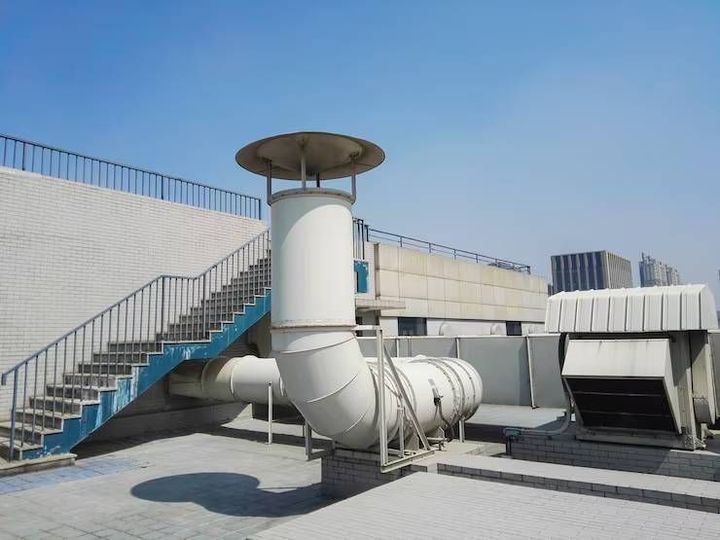
Waste Heat Recovery Systems: Guide to Industrial Heat Recovery Technology
Waste Heat Recovery Systems capture thermal energy that would otherwise leave an industrial process and redirect it for useful purposes. The recovered heat may be used to preheat combustion air, heat water, generate steam, warm another process stream, or support electricity generation.
Industrial facilities release heat through exhaust gases, cooling water, hot products, steam, furnace surfaces, compressors, engines, kilns, ovens, and other equipment. The U.S. Department of Energy estimates that around 20% to 50% of industrial energy input can be lost as waste heat, depending on the process and facility.
The basic idea is straightforward: instead of allowing useful thermal energy to escape, a heat recovery system transfers part of that energy to another process that needs heat.
How Industrial Heat Recovery Works
A typical system begins by identifying a heat source and a suitable heat sink.
The heat source may be a furnace exhaust, hot gas stream, condenser, kiln, boiler flue gas, compressor, or heated process material. The heat sink is another process that requires thermal energy.
A heat exchanger is often positioned between the two streams. Heat moves through a conductive surface without necessarily mixing the two fluids.
A simplified sequence includes:
Heat generation: An industrial process produces high-, medium-, or low-temperature heat.
Heat collection: Hot gases, liquids, or solids are directed toward recovery equipment.
Heat transfer: A heat exchanger or another recovery technology transfers thermal energy.
Heat conditioning: Filters, separators, pumps, valves, or controls prepare the recovered heat for its next use.
Heat utilization: The recovered energy preheats materials, water, air, steam, or another process stream.
Monitoring: Sensors measure temperatures, pressures, flow rates, and system performance.
The appropriate design depends heavily on temperature, contaminants, flow characteristics, operating hours, and the distance between the heat source and heat user.
Common Industrial Sources
Waste heat can come from many different industrial operations.
Furnaces and kilns release hot exhaust gases that may be suitable for combustion-air or material preheating.
Boilers produce hot flue gases that can support feedwater or combustion-air preheating.
Gas turbines and engines produce exhaust heat that can be recovered for steam generation, water heating, or combined heat and power applications.
Cement plants generate substantial heat through kilns and clinker cooling systems.
Steel facilities can recover heat from furnaces, hot gases, cooling processes, and heated materials.
Chemical plants may have multiple hot and cold process streams that can be integrated through heat exchangers.
Glass manufacturing and other high-temperature industries can recover energy from furnace exhaust gases.
Importance
Improving Industrial Energy Efficiency
Waste heat recovery can reduce the amount of new energy required to produce a particular quantity of useful heat. The recovered energy is already present in the industrial process, so the recovery system focuses on transferring it to another useful application.
The International Energy Agency identifies waste heat recovery and thermal optimization as important measures for improving industrial energy efficiency.
Reducing Heat Loss
Without recovery equipment, hot gases and liquids may discharge thermal energy into the surrounding environment. A properly designed system can capture part of this energy before it is released.
The amount that can be recovered depends on temperature differences, flow rates, equipment configuration, operating conditions, fouling, and the thermal requirements of the receiving process.
Supporting Emissions Reduction
When recovered heat replaces energy that would otherwise come from additional fuel or electricity, the overall energy requirement of the facility can decline.
The resulting emissions effect depends on the original energy source, operating conditions, recovery efficiency, and what the recovered heat replaces. Waste heat recovery is therefore one component of broader industrial decarbonization strategies.
Improving Process Integration
Heat recovery becomes particularly useful when one part of a plant produces excess heat while another part requires thermal energy.
For example, hot exhaust from a furnace may preheat incoming combustion air. Similarly, hot process water may transfer energy to colder water entering another production stage.
Major Technology Categories
| Technology | Main Heat Source | Typical Use |
|---|---|---|
| Recuperator | Hot exhaust gas | Combustion-air preheating |
| Economizer | Boiler flue gas | Feedwater heating |
| Waste heat boiler | High-temperature gas | Steam generation |
| Heat exchanger | Hot liquid or gas | Process heating |
| Heat pump | Low-temperature heat | Useful heat upgrading |
| Organic Rankine Cycle | Moderate-temperature heat | Electricity generation |
| Regenerator | Furnace exhaust | Air or material preheating |
| Heat recovery steam generator | Turbine or engine exhaust | Steam production |
Recent Updates
Greater Focus on Industrial Energy Efficiency
Recent global energy analysis places greater emphasis on reducing industrial energy demand before adding new energy supply. The IEA's 2025 industrial analysis highlights process optimization, energy management, improved insulation, electrification of suitable heat applications, and digital tools as important areas for industrial efficiency.
Waste heat recovery fits into this approach because it can reduce the need for additional heat generation.
Integration With Industrial Heat Pumps
Low-temperature waste heat has traditionally been difficult to use directly because its temperature may be too low for the receiving process. Industrial heat pumps can raise the temperature of suitable waste heat so that it can be reused.
The IEA's 2026 Heat Pump Monitor notes that commercially available industrial heat pumps can technically address a portion of global industrial heat demand, particularly in low- and medium-temperature processes. Integration into existing plants remains an important engineering consideration.
Digital Monitoring
Sensors and digital control systems are increasingly used to monitor industrial heat flows. Temperature, pressure, flow, energy consumption, and equipment condition can be collected continuously.
Data analysis can help identify changes in heat recovery performance and detect conditions such as fouling, blocked passages, declining heat-transfer efficiency, or unusual operating patterns.
Use of Low-Temperature Heat
Waste heat does not always come from extremely hot processes. Cooling systems, wastewater, data centers, and other facilities can produce lower-temperature heat streams.
Large heat pumps and district heating networks can make some of these resources useful. The IEA reports that several countries are developing approaches for integrating renewable and waste heat into district heating systems.
Heat Recovery in Industrial Decarbonization
Waste heat recovery is increasingly considered alongside electrification, renewable energy, thermal storage, and improved process efficiency.
The IEA's 2026 Energy Technology Perspectives continues to examine industrial technology deployment, manufacturing, energy systems, and pathways for reducing industrial emissions.
Advanced Heat-to-Power Technologies
Where recovered heat cannot be directly used for heating, some systems can convert thermal energy into electricity.
Organic Rankine Cycle systems are one example. They use an organic working fluid with suitable thermodynamic characteristics for converting moderate-temperature heat into mechanical and electrical energy.
These systems are more relevant when a suitable heat source is continuously available and direct heat reuse is limited.
Laws or Policies
International Energy Management
There is no single worldwide law governing every Waste Heat Recovery System. Requirements vary by country, industrial sector, emissions profile, equipment type, and energy regulations.
ISO 50001:2018 provides an internationally recognized framework for energy management systems. It helps organizations establish energy objectives, measure energy performance, analyze energy use, and pursue continual improvement. The standard was reviewed and confirmed in 2024, with a climate-action amendment published in 2024.
European Union
European energy-efficiency policy increasingly recognizes the role of recovered heat. Under the revised Energy Efficiency Directive framework, Member States can count certain waste heat and cold toward specified renewable-energy progress in industry when defined conditions are met.
The European approach demonstrates how waste heat can be considered within broader energy-system planning rather than only as an individual factory issue.
United States
The U.S. Department of Energy provides technical resources covering industrial process heating, waste heat recovery, furnace optimization, heat exchangers, and related technologies.
Its industrial resources identify waste heat recovery as an important area for improving industrial energy efficiency and provide assessment tools for process heating systems.
India and Other Industrial Economies
India's Bureau of Energy Efficiency operates the Perform, Achieve and Trade mechanism for designated energy-intensive industries. Covered organizations may have requirements involving energy performance targets, energy managers, reporting, and energy audits.
Similar energy-management frameworks exist in other industrial economies, although their structure, thresholds, reporting requirements, and incentives vary.
Environmental Requirements
Heat recovery equipment may interact with air emissions, wastewater, pressure systems, combustion equipment, and industrial environmental controls.
Facilities therefore need to consider applicable environmental, occupational-safety, pressure-equipment, electrical, and industrial regulations when designing or modifying a recovery installation.
Tools and Resources
Heat Recovery Assessment
A heat recovery assessment begins with measurements of temperature, pressure, flow, operating hours, and heat demand.
Engineers can then identify whether the available heat is suitable for direct recovery, upgrading through a heat pump, steam generation, or electricity production.
Heat Exchanger Selection
Heat exchanger selection depends on the fluids involved, temperature range, pressure, contamination, flow rate, corrosion characteristics, and available space.
Common designs include shell-and-tube, plate, air-to-air, finned-tube, and specialized high-temperature exchangers.
Process Simulation
Process simulation software can model heat flows across industrial systems. Engineers can compare different heat-recovery arrangements and examine how changes in operating conditions affect thermal performance.
Energy Monitoring
Energy meters, flow meters, temperature sensors, pressure sensors, and data-acquisition systems can provide information about the recovery system.
Performance indicators may include recovered thermal energy, temperature difference, heat-transfer rate, operating hours, and energy displaced elsewhere in the facility.
Government and Standards Resources
The U.S. Department of Energy provides industrial process-heating resources and assessment tools. ISO provides information on ISO 50001 and related energy-management standards. The IEA publishes international analysis on industrial efficiency, heat technologies, and energy systems.
These resources can help engineers, facility managers, researchers, and students understand industrial heat recovery within a broader energy-management framework.
FAQs
What are Waste Heat Recovery Systems?
Waste Heat Recovery Systems capture thermal energy released from industrial processes and transfer it to another useful application, such as water heating, steam generation, combustion-air preheating, or electricity production.
How do Waste Heat Recovery Systems work?
Waste Heat Recovery Systems collect heat from a hot gas, liquid, surface, or process material and transfer that energy through equipment such as heat exchangers, boilers, heat pumps, or heat-to-power systems.
Where are industrial heat recovery systems used?
They are used across industries including cement, steel, chemicals, glass, ceramics, food processing, paper, refining, power generation, and other manufacturing operations.
Can low-temperature waste heat be recovered?
Yes. Low-temperature heat can sometimes be reused directly for another low-temperature process or upgraded with a heat pump. The suitability depends on the available temperature, heat quantity, operating schedule, and nearby heat demand.
What technologies are used for industrial heat recovery?
Common technologies include recuperators, economizers, waste heat boilers, heat exchangers, regenerators, industrial heat pumps, heat recovery steam generators, and Organic Rankine Cycle systems.
Conclusion
Waste Heat Recovery Systems capture thermal energy that would otherwise leave industrial processes and redirect it toward useful applications. Technologies such as heat exchangers, economizers, heat pumps, waste heat boilers, and heat-to-power systems can address different temperature ranges and industrial requirements. Current developments increasingly connect heat recovery with digital monitoring, industrial electrification, energy management, and wider decarbonization strategies. Across different regions, standards and energy policies are also placing greater attention on efficient use of industrial heat.