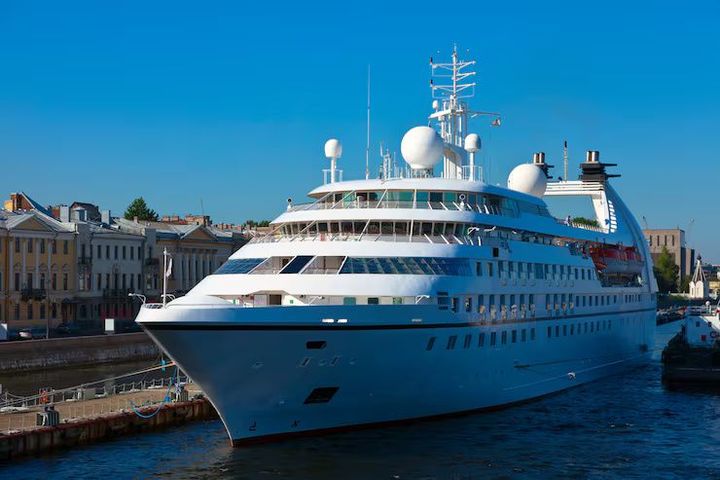
Luxury Cruise Vacations: Guide to Ships, Suites, and Travel Experiences
Luxury Cruise Vacations are journeys where travelers stay aboard cruise ships or smaller luxury vessels while visiting multiple destinations during one trip. Accommodation, dining, entertainment, transportation between ports, and many onboard activities are organized around the cruise itinerary.
Unlike a conventional land-based holiday, a cruise combines accommodation and transportation in one floating environment. Travelers can wake up in a different destination while keeping the same cabin throughout the journey.
Luxury cruise ships generally place greater emphasis on spacious accommodations, personalized attention, fine dining, smaller passenger capacities, specialty experiences, and carefully planned itineraries. However, the meaning of luxury varies between cruise operators and travelers.
How a Luxury Cruise Works
A cruise usually follows a planned route connecting several ports.
A typical journey may involve:
Embarkation: Passengers arrive at the departure port, complete required procedures, and board the ship.
At-sea periods: The ship travels between destinations while passengers use onboard facilities.
Port visits: Passengers can explore destinations through independent activities or organized excursions.
Onboard dining: Meals may be available through restaurants, dining rooms, lounges, or specialty venues.
Accommodation: Travelers remain in their assigned cabin or suite throughout the journey.
Disembarkation: Passengers leave the ship at the final port after completing the required procedures.
The exact experience depends on the ship, itinerary, destination, cabin category, and cruise operator.
Types of Luxury Cruise Ships
Large luxury ships provide a wide selection of restaurants, lounges, pools, entertainment areas, wellness facilities, and accommodation categories.
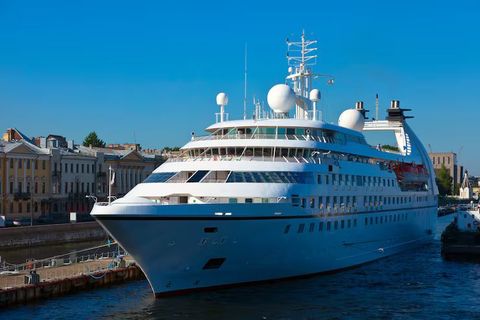
Small luxury ships carry fewer passengers and can sometimes visit smaller ports that are unsuitable for very large vessels.
Expedition ships are designed for destinations where exploration is a major part of the journey. These may include polar regions, remote islands, or environmentally sensitive areas.
River cruise ships travel along rivers rather than oceans. Their smaller size allows access to inland destinations and cities located along major waterways.
Luxury yachts provide a more intimate cruise environment, often with fewer passengers and a strong focus on personalized itineraries.
Importance
Accommodation Choices
A major part of Luxury Cruise Vacations is the choice of accommodation. Cruise ships may have several cabin and suite categories.
An inside cabin generally does not have an exterior window. A balcony cabin provides private outdoor space. A suite usually provides more space and may include separate living areas, larger bathrooms, balconies, or additional amenities.
Some ships also have multi-room residences with bedrooms, living rooms, dining areas, and large outdoor spaces.
Dining Experiences
Dining is an important component of luxury cruising. Depending on the ship, passengers may encounter formal dining rooms, specialty restaurants, casual venues, cafés, lounges, and in-suite dining.
Menus can include regional dishes, seafood, international cuisine, vegetarian selections, and specialty culinary programs. Dietary requirements should generally be communicated before or during the booking process so appropriate arrangements can be evaluated.
Wellness and Recreation
Cruise ships can contain fitness centers, spas, pools, thermal areas, relaxation rooms, sports facilities, and other recreational spaces.
Some ships also provide wellness programs involving fitness classes, meditation, nutrition-related activities, or specialized treatments.
The availability of particular facilities depends on the vessel and itinerary.
Shore Experiences
Cruise travel is not limited to the ship. Port visits allow travelers to explore destinations through cultural activities, historical sites, nature excursions, culinary experiences, shopping districts, or guided tours.
The amount of time available at each destination can vary significantly. Travelers therefore need to consider port schedules when planning activities.
Privacy and Personal Space
Suite categories can provide additional living space and, on some ships, private balconies or outdoor areas. Smaller vessels may also create a more intimate environment because fewer passengers share common areas.
The level of privacy varies considerably between ships and accommodation categories.
Comparison of Cruise Accommodation
| Accommodation | Typical Feature | Suitable For |
|---|---|---|
| Inside cabin | Interior room without exterior view | Travelers prioritizing indoor accommodation |
| Ocean-view cabin | Exterior window or viewing area | Travelers wanting natural views |
| Balcony cabin | Private outdoor space | Travelers who value outdoor access |
| Junior suite | More space than standard cabin | Travelers seeking additional room |
| Suite | Larger living and sleeping areas | Travelers wanting expanded accommodation |
| Residence | Multi-room layout on selected ships | Extended private living space |
Recent Updates
Smaller and More Destination-Focused Ships
Luxury cruising has increasingly included smaller vessels designed around destination access and personalized experiences.
Smaller ships can sometimes enter ports that cannot accommodate the largest cruise vessels. This can create itineraries focused on smaller coastal communities, islands, and less accessible destinations.
Expedition Cruising
Expedition cruising has expanded beyond traditional sightseeing routes. Specialized ships now operate itineraries in areas where wildlife, landscapes, scientific interpretation, and environmental education are central components.
Polar cruising is one example. These voyages require specialized navigation, equipment, operational planning, and environmental considerations.
Technology Onboard
Modern cruise ships increasingly use digital systems for reservations, onboard accounts, navigation information, communications, and passenger activities.
Mobile applications can allow passengers to view schedules, restaurant information, excursion details, and ship announcements. Internet connectivity has also become an increasingly important consideration for travelers who need to remain connected while at sea.
Sustainability Measures
Cruise operators are introducing technologies intended to reduce fuel consumption and environmental impacts. Depending on the vessel, these can include alternative propulsion systems, shore-power connections, improved wastewater treatment, energy-management systems, and more efficient onboard equipment.
The International Maritime Organization has established greenhouse-gas reduction targets for international shipping, including a goal of reaching net-zero greenhouse-gas emissions from international shipping by or around 2050.
Cruise ships are part of the wider maritime sector and therefore operate within evolving international environmental requirements.
New Itinerary Development
Cruise itineraries continue to expand across regions including the Mediterranean, Northern Europe, the Caribbean, Alaska, Asia, Australia, and selected polar destinations.
Travelers increasingly encounter journeys built around themes such as food, culture, wellness, wildlife, architecture, and extended stays in selected ports.
Longer Cruise Journeys
Some cruise operators have introduced extended voyages lasting several weeks or months. These journeys can combine multiple regions into one continuous itinerary.
Longer trips require additional planning for visas, travel documents, health considerations, communication, clothing, personal items, and transportation before and after the cruise.
Laws or Policies
International Maritime Rules
Cruise ships operating internationally are subject to international maritime frameworks administered through organizations such as the International Maritime Organization.
The International Convention for the Safety of Life at Sea (SOLAS) establishes safety requirements covering areas such as ship construction, fire protection, life-saving equipment, communications, navigation, and emergency procedures.
Maritime Security
The International Ship and Port Facility Security Code, commonly known as the ISPS Code, establishes a framework for maritime security involving ships and port facilities.
Passengers may therefore encounter security screening and identification procedures during embarkation and port visits.
Environmental Requirements
Cruise ships must follow applicable environmental requirements concerning areas such as wastewater, garbage, emissions, and pollution prevention.
The International Maritime Organization's MARPOL framework addresses prevention of pollution from ships, including oil, noxious liquid substances, harmful substances, sewage, garbage, and air pollution.
Indian Cruise Travel
India has been developing its cruise tourism infrastructure through port development and tourism initiatives. The Ministry of Ports, Shipping and Waterways has identified cruise tourism as an area for maritime and tourism development.
For Indian travelers taking an international cruise, passport validity, visas, entry requirements, travel documents, and destination-specific rules can vary by itinerary.
Travelers should check the current requirements of each destination country and the relevant Indian authorities before departure.
Tools and Resources
Cruise Deck Plans
Deck plans show the location of cabins, restaurants, elevators, pools, theaters, lounges, and other facilities. They can help travelers understand the relationship between their accommodation and frequently used areas.
Itinerary Maps
Cruise itinerary maps show the ports visited and the order of destinations. They can help travelers understand travel distances and the amount of time spent at sea.
Port Guides
Destination guides can provide information about local transportation, historical sites, museums, cultural areas, weather, and port logistics.
Travel Document Checklists
International cruise travel can involve multiple destinations, each with potentially different entry requirements. A document checklist can help travelers track passports, visas, identification, travel insurance documents, and cruise-related paperwork.
Cruise Planning Apps
Digital cruise platforms can provide information about daily schedules, restaurant reservations, excursions, ship activities, account information, and notifications.
Maritime and Government Resources
The International Maritime Organization provides information about international maritime conventions and shipping regulations. Indian travelers can also consult official government and port authorities for current information concerning cruise terminals, immigration, customs, and travel documentation.
FAQs
What are Luxury Cruise Vacations?
Luxury Cruise Vacations are cruise journeys that combine accommodation, transportation between destinations, dining, recreation, and other onboard experiences, with an emphasis on spacious accommodations and enhanced onboard features.
What types of ships are used for Luxury Cruise Vacations?
Luxury Cruise Vacations can take place on large ocean ships, smaller luxury vessels, expedition ships, river cruise vessels, and yacht-style ships.
What is the difference between a cruise cabin and a suite?
A cabin is a standard accommodation category, while a suite generally provides additional interior space and may include separate living areas, larger bathrooms, balconies, or other features.
What happens during a cruise port visit?
Passengers can leave the ship during scheduled port visits and explore the destination. Activities may include cultural tours, sightseeing, nature excursions, food-related experiences, and independent exploration.
Do Luxury Cruise Vacations require a passport?
International cruises commonly require a valid passport, although exact document requirements depend on the itinerary, nationality, and countries visited. Travelers should verify current requirements before departure.
Conclusion
Luxury Cruise Vacations combine accommodation, transportation, dining, recreation, and destination exploration within a single maritime journey. Travelers can choose among large ships, smaller vessels, expedition ships, river vessels, and yacht-style experiences, with accommodation ranging from standard cabins to spacious suites and residences. Modern cruising is increasingly influenced by digital technology, destination-focused itineraries, expedition travel, and environmental requirements. Understanding ship types, accommodation categories, port schedules, travel documents, and maritime regulations can help travelers understand how different cruise experiences are structured.