Ice Cream Making Machines: Explore Freezing Methods, Mixing Systems, and Production Features
Ice cream making machines are devices designed to mix, freeze, and process ingredients into ice cream and other frozen desserts.
Depending on their design, these machines can produce soft-serve ice cream, hard ice cream, gelato, frozen yogurt, and related products. They are used in homes, restaurants, cafés, hotels, dessert shops, and large food manufacturing facilities.
The basic purpose of an ice cream machine is to combine ingredients while controlling temperature and incorporating air. A typical mixture contains milk or another liquid base, sugar, fat, flavoring, and other ingredients. During production, the mixture is cooled while being stirred or scraped from the freezing surface. This process helps create a smooth texture and reduces the formation of large ice crystals.
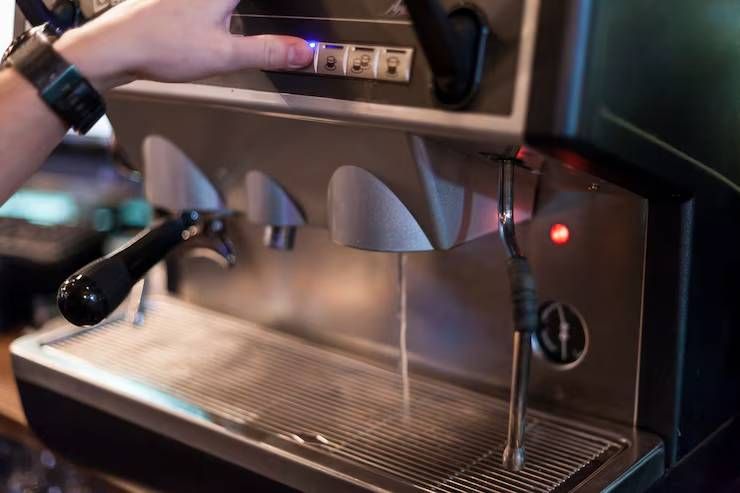
Ice cream making machines range from compact countertop appliances to automated industrial systems. Their capacity, freezing method, controls, and cleaning requirements vary according to their intended application.
Commercial and industrial machines are particularly important because they support consistent production across multiple batches. Modern equipment can also integrate temperature monitoring, automatic ingredient feeding, digital controls, and production data tracking.
Why Ice Cream Making Machines Matter Today
Ice cream production depends on maintaining a balance between texture, temperature, ingredient quality, and production efficiency. Machines help manufacturers and food businesses manage these factors more consistently than manual freezing methods.
Several groups rely on this technology:
- Food manufacturers: Use industrial ice cream production equipment to prepare large quantities under controlled conditions.
- Restaurants and cafés: Use commercial ice cream machines to prepare soft-serve desserts and frozen treats.
- Hotels and catering businesses: Require equipment that can handle varying demand while maintaining product consistency.
- Small food businesses: Use compact batch freezers and countertop machines for limited production.
- Research and development teams: Evaluate recipes, stabilizers, freezing conditions, and new frozen dessert formulations.
Equipment selection can affect production capacity, labor requirements, energy consumption, cleaning time, and product quality. A machine with insufficient capacity may struggle during peak demand, while oversized equipment can consume unnecessary space and resources.
Automation can also reduce repetitive manual tasks. However, operators still need appropriate training to manage ingredients, monitor product conditions, follow sanitation procedures, and maintain the equipment.
Types of Ice Cream Making Machines
Different machine designs serve different production needs. Understanding their operating principles helps businesses and manufacturers select appropriate equipment.
| Machine type | Main function | Typical application |
|---|---|---|
| Batch freezer | Freezes and mixes a measured quantity at a time | Gelato shops, dessert kitchens, small production facilities |
| Soft-serve machine | Freezes a liquid mix and dispenses it directly | Restaurants, cafés, food counters |
| Continuous freezer | Processes a steady flow of ice cream mix | Large-scale manufacturing |
| Hardening cabinet or tunnel | Rapidly lowers the temperature of freshly frozen ice cream | Commercial and industrial production |
| Home ice cream maker | Produces small quantities for personal use | Household kitchens |
| Gelato machine | Supports the preparation of gelato-style frozen desserts | Gelaterias and specialty kitchens |
Some systems require a pre-frozen bowl or separate chilling process, while others contain an integrated refrigeration system. Industrial production lines may combine pasteurization, homogenization, aging tanks, freezing, filling, and hardening equipment.
The correct configuration depends on the recipe, daily output, product type, available floor space, electrical supply, water requirements, and sanitation procedures.
How Ice Cream Production Technology Works
Commercial ice cream production generally involves several connected stages. The exact process varies according to the product and the manufacturer's formulation.
- Ingredient preparation: Milk, cream, sugar, stabilizers, flavorings, and other permitted ingredients are measured and combined.
- Mixing and heat treatment: The mixture is blended and, where required, pasteurized to control harmful microorganisms.
- Homogenization: In applicable processes, the mixture is forced through a narrow opening to reduce fat globule size and improve consistency.
- Aging: The chilled mixture may be held under controlled refrigeration to support fat crystallization and hydration of stabilizers.
- Freezing and aeration: The mixture is frozen while being agitated. Air is incorporated to produce the desired texture and volume.
- Flavor and inclusion addition: Ingredients such as fruit pieces, chocolate, or nuts may be added at an appropriate stage.
- Packaging and hardening: The product is placed in containers and rapidly hardened to help preserve its structure.
- Cold storage and distribution: The finished product is maintained at suitable frozen temperatures until delivery and consumption.
Each stage affects the final result. Incorrect freezing conditions can create an icy texture, while inadequate sanitation or temperature control can introduce food safety risks.
Modern ice cream processing equipment may use programmable settings, digital temperature displays, automatic shutdown features, and alarms. Industrial systems can also monitor production rates and refrigeration performance.
Energy Efficiency and Operational Performance
Refrigeration is one of the major energy requirements in frozen dessert production. The amount of electricity used depends on the machine's capacity, refrigeration design, operating schedule, surrounding temperature, maintenance condition, and product formulation.
Useful performance indicators include:
- Production capacity per hour or batch.
- Electricity consumption per unit of finished product.
- Freezing time and temperature stability.
- Product consistency across batches.
- Water consumption and cleaning time.
- Equipment downtime and maintenance frequency.
The following table illustrates the factors that should be considered when evaluating equipment. It is a comparison of operating characteristics, not measured performance data.
| Evaluation factor | What to examine |
|---|---|
| Capacity | Output per batch or per hour |
| Energy performance | Electricity consumption under normal operating conditions |
| Temperature control | Accuracy, stability, and available monitoring |
| Hygiene | Food-contact materials, cleanability, and drainage |
| Automation | Programmable cycles, sensors, and alarms |
| Maintenance | Access to parts, service documentation, and preventive maintenance requirements |
Regular condenser cleaning, inspection of seals, correct refrigerant handling, and adherence to maintenance schedules can support reliable operation. Energy performance should be compared using manufacturer documentation and, where possible, measurements under similar operating conditions.
Ice cream manufacturing technology continues to evolve as producers focus on consistent product quality, flexible production, energy management, and improved process control.
Important trends include:
- Digital process monitoring: Electronic controls and sensors help operators monitor temperatures, processing cycles, and equipment performance.
- Flexible production systems: Manufacturers increasingly need equipment that can accommodate different recipes, portion sizes, and frozen dessert formats.
- Energy management: Improved refrigeration components and preventive maintenance can help reduce unnecessary energy consumption.
- Automated processing: Integrated mixing, freezing, filling, and packaging systems can reduce repetitive manual operations.
- Product development: Equipment manufacturers are supporting experimentation with different textures, ingredients, and premium frozen dessert formulations.
These developments do not mean every machine includes advanced automation. Features vary by equipment category, production scale, and manufacturer. Businesses should evaluate documented performance and suitability for their own operating conditions.
Laws and Policies Affecting Ice Cream Equipment in India
In India, ice cream manufacturing is affected by food safety legislation, product standards, hygiene requirements, packaging rules, and applicable electrical and environmental regulations. The requirements generally apply to the food business and its operations rather than establishing one universal specification for every ice cream machine.
The Food Safety and Standards Authority of India (FSSAI) administers regulations under the Food Safety and Standards Act, 2006.
Key regulatory considerations include:
- Food business registration and licensing: Manufacturers and food operators must obtain the appropriate registration or licence for their activities under applicable FSSAI requirements.
- Food hygiene: The FSSAI licensing regulations require applicable food businesses to follow hygiene and sanitation practices. Schedule 4 includes requirements for food manufacturing, processing, packaging, storage, and distribution.
- Product standards: Ice cream and related frozen desserts must meet the applicable standards for composition, permitted additives, and microbiological safety.
- Packaging and labelling: Packaged products must follow applicable rules covering product names, ingredient declarations, and other required label information.
- Equipment safety: Electrical safety, installation, earthing, and other applicable standards should be considered when selecting and operating powered machinery.
Frequently Asked Questions
What is an ice cream making machine?
An ice cream making machine is equipment that freezes and mixes an ice cream base to produce a frozen dessert. Depending on its design, it may also incorporate air, dispense soft-serve products, or support continuous industrial production.
What is the difference between a batch freezer and a continuous freezer?
A batch freezer processes a measured quantity at a time, making it suitable for smaller production runs and recipe changes. A continuous freezer processes a steady flow of mixture and is generally used in larger manufacturing operations.
What factors determine the capacity of commercial ice cream equipment?
Capacity depends on machine design, freezing performance, batch size, processing time, recipe characteristics, and operating conditions. Manufacturers may state capacity by batch volume, hourly output, or another measurement, so specifications should be compared on a consistent basis.
How should ice cream making machines be cleaned and maintained?
Operators should follow the manufacturer's cleaning and maintenance instructions, use appropriate food-contact cleaning procedures, inspect seals and moving parts, and maintain refrigeration components. Cleaning frequency and disassembly requirements depend on the machine design and applicable food safety procedures.
What regulations apply to ice cream production in India?
Relevant requirements include FSSAI licensing or registration, food hygiene rules, product standards, permitted additives, microbiological requirements, and packaging and labelling regulations. Additional equipment safety requirements may apply depending on the machine and installation.
Conclusion
Ice cream making machines play an important role in household preparation, food service, and industrial frozen dessert manufacturing. Different machine types support different production volumes, textures, and operating requirements.
Developments in digital controls, automation, refrigeration, and integrated processing are helping manufacturers manage production more systematically. However, equipment selection should always consider capacity, energy performance, cleaning requirements, product consistency, and maintenance needs.
In India, understanding applicable FSSAI regulations and relevant equipment safety standards is also essential. Combining suitable machinery with trained operators, effective sanitation, and reliable temperature control supports consistent production and food safety.