Glacier Viewing Expeditions: Guide to Glaciers, Landscapes, Routes, and Travel Planning
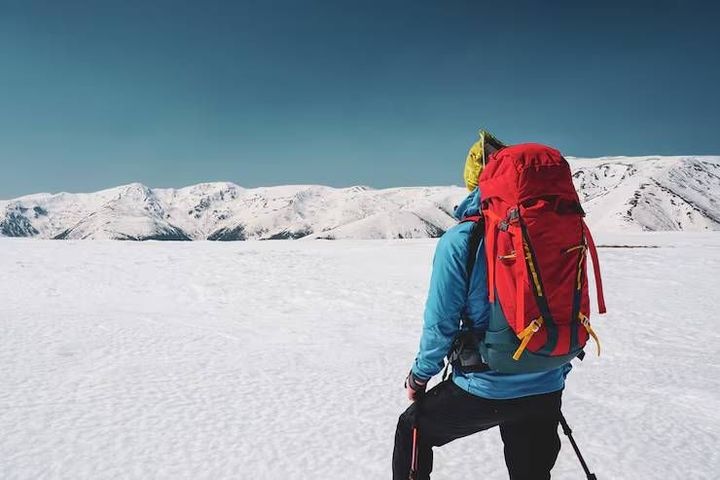
Glacier viewing expeditions are journeys to mountain regions where people can observe glaciers, glacial valleys, ice formations, snowfields, and surrounding alpine landscapes.
These journeys can range from relatively accessible viewpoints to demanding high-altitude trekking and mountaineering routes.
A glacier is a large body of ice that forms on land when accumulated snow remains for long periods and gradually compresses into ice. Because glaciers move slowly under their own weight, they continuously reshape mountain valleys and influence streams, lakes, and downstream water systems.
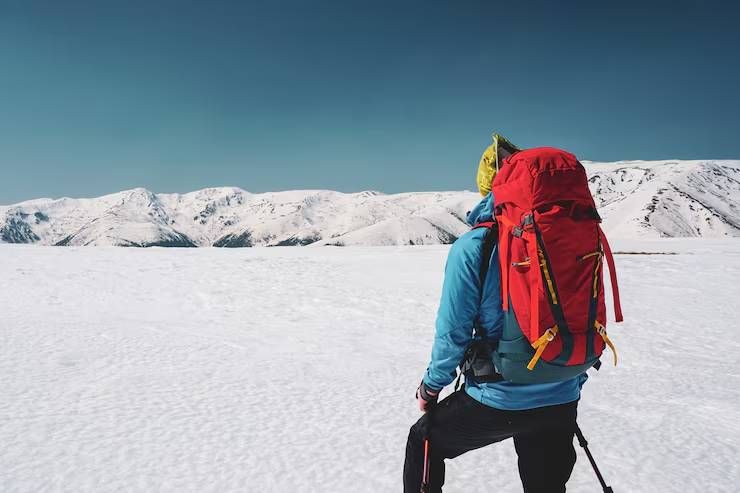
Glacier viewing is therefore more than a landscape-focused form of adventure travel. It can also provide an opportunity to understand geology, mountain ecosystems, climate science, and changing water resources.
Common activities associated with glacier viewing expeditions include:
- Glacier and mountain landscape observation
- High-altitude trekking
- Guided glacier walks where conditions permit
- Photography and nature observation
- Geographical and environmental education
- Visits to glacier-fed valleys and lakes
- Scientific or educational field observations
The Himalayas contain many glaciers and glacier-fed landscapes that attract visitors and researchers. However, glaciers are dynamic environments. Crevasses, rockfall, avalanches, sudden weather changes, unstable snow and ice, and altitude-related conditions can create significant hazards.
Why Glacier Viewing Matters Today
Glaciers have importance far beyond tourism and recreation. They act as natural water stores and influence seasonal water availability in many mountain and downstream regions.
The World Meteorological Organization reported in 2025 that 2022–2024 recorded the largest three-year loss of global glacier mass in the available record. The organization also noted that glacier retreat can affect water supplies, ecosystems and natural hazards.
For people visiting glaciers, this changing environment has several implications. A route that was considered stable in the past may change because of ice retreat, altered snow conditions or increased exposure of rocks and meltwater channels.
Glacier viewing can also contribute to public understanding of climate change. Observing a glacier directly can help connect scientific measurements with visible changes in mountain environments.
The topic affects several groups:
- Travellers and trekkers: They need reliable information about terrain, weather and altitude.
- Mountain communities: Changes in glaciers can affect water resources and local livelihoods.
- Researchers: Glaciers provide important evidence about climate and environmental change.
- Government agencies: Mountain tourism and environmental protection require coordinated planning.
- Conservation groups: Responsible visitor behaviour can reduce pressure on sensitive alpine environments.
A responsible expedition should therefore consider both visitor safety and environmental protection.
Recent Developments in Glacier Exploration
Glacier observation has received increased international attention since 2025. The United Nations designated 2025 as the International Year of Glaciers’ Preservation, while 21 March became the annual World Day for Glaciers. The initiative is coordinated internationally by organizations including UNESCO and the WMO.
In March 2026, the WMO again highlighted the continuing importance of glacier monitoring. Its 2026 World Day for Glaciers communication reported that glaciers continue to lose mass each year and linked glacier changes with water security, ecosystems and disaster risks.
Developments in the Hindu Kush Himalaya are particularly relevant to glacier viewing in South Asia. In March 2026, the International Centre for Integrated Mountain Development reported that glacier ice-loss rates in the Hindu Kush Himalaya had doubled since 2000. Its assessment also reported substantial long-term ice-thickness losses in the region.
The WMO's assessment of 2025 conditions found that all 23 monitored glaciers in High Mountain Asia lost mass during the 2025 glaciological year. Above-average temperatures and below-average winter snow were among the factors identified.
The following table illustrates some recent developments:
| Period | Development | Relevance |
|---|---|---|
| 21 March 2025 | First World Day for Glaciers | Increased international awareness |
| 2025 | International Year of Glaciers’ Preservation | Greater focus on glacier science and conservation |
| 2025 | Continued glacier mass loss in High Mountain Asia | Greater importance of route and hazard monitoring |
| March 2026 | New ICIMOD Himalayan glacier assessments | Updated understanding of regional glacier change |
| September 2026 | WMO State of Global Water Resources 2025 | Continued reporting on widespread glacier loss |
These developments show why current environmental information is increasingly relevant when planning high-altitude journeys.
Indian Laws, Policies and Expedition Rules
In India, glacier-related journeys can fall under several overlapping areas of regulation, depending on the location and activity. These can include tourism rules, protected-area requirements, mountaineering permissions, forest regulations and local administrative restrictions.
The Ministry of Tourism maintains national guidance covering adventure tourism, sustainable tourism and eco-tourism. Its current guidelines page lists the National Strategy for Adventure Tourism 2022, National Strategy for Sustainable Tourism 2022, and National Strategy for Eco Tourism 2022. The ministry's online guidelines were updated in June 2026.
In July 2026, the Ministry of Tourism also listed a Model Adventure Tourism Safety Framework, reflecting the continuing emphasis on safety within adventure tourism policy.
The Indian Adventure Tourism Guidelines include recommendations relevant to high-altitude trekking. These include risk assessment, emergency action planning, medical preparedness, appropriate experience and environmental safeguards.
For mountaineering expeditions, the Indian Mountaineering Foundation provides an expedition application framework and information concerning climbing permits. It also states that climbing or attempting to climb a peak without the required permission, or violating environmental protection requirements, can result in regulatory penalties.
Rules can differ considerably between destinations. A glacier located inside a national park, wildlife sanctuary or other protected landscape may have additional requirements. Visitors should therefore check the latest instructions from the relevant state government, protected-area authority, district administration and mountaineering authorities before travelling.
Tools and Resources for Glacier Viewing
Reliable preparation depends on current environmental and official information rather than assumptions based on older photographs or travel reports.
Useful resources include:
- World Meteorological Organization: Glacier and climate monitoring information, including annual assessments.
- UNESCO: Information relating to glacier preservation and scientific cooperation.
- ICIMOD: Research and regional assessments concerning the Hindu Kush Himalaya.
- Indian Mountaineering Foundation: Expedition and mountaineering information relevant to India.
- Ministry of Tourism, Government of India: National adventure, sustainable and eco-tourism policies.
- Official weather forecasts: Useful for checking temperature, precipitation, wind and changing mountain conditions.
- Offline maps and GPS applications: Helpful in areas with weak mobile connectivity.
- Emergency communication equipment: Appropriate for remote routes where conventional communication may be unreliable.
- Altitude and weather tracking tools: Useful for monitoring environmental conditions during high-altitude travel.
Before departure, travellers should keep important documents and emergency information accessible. The Indian Adventure Tourism Guidelines specifically refer to permits, identification documents, insurance information, emergency contacts and an emergency action plan as components of expedition preparation.
Frequently Asked Questions
What is a glacier viewing expedition?
A glacier viewing expedition is a planned journey to observe a glacier or glacier-fed mountain environment. Depending on the destination, it may involve sightseeing, trekking, photography, scientific observation or more demanding mountaineering activities.
Are glacier viewing expeditions safe?
Safety depends on the route, weather, altitude, season, physical preparation and current glacier conditions. Glaciers can contain crevasses, unstable ice, loose rock and rapidly changing terrain. Visitors should follow official guidance and use appropriately qualified mountain personnel for routes requiring specialist skills.
When is the best time to visit a glacier?
There is no single best period for every glacier. Weather, snowfall, road access, local regulations and route conditions vary by region. The appropriate season should be determined using current local information rather than relying only on historical travel schedules.
Why are glaciers important to India and South Asia?
Himalayan glaciers contribute to mountain and downstream water systems. Their long-term changes can influence seasonal water availability, ecosystems and natural hazards. Recent research indicates that glacier change in the Hindu Kush Himalaya is accelerating.
Can visitors walk directly on glaciers?
Not necessarily. Glacier surfaces can contain hidden crevasses, unstable snow bridges and other hazards. Direct glacier travel should only take place where it is permitted and where appropriate technical knowledge, equipment and supervision are available.
Conclusion
Glacier viewing expeditions combine mountain exploration with opportunities to understand some of the world's most important natural environments. Glaciers influence water systems, landscapes and ecosystems while also providing visible evidence of long-term environmental change.
Recent assessments from the WMO and ICIMOD show that glacier loss remains a significant issue, particularly across High Mountain Asia.
For visitors in India, responsible planning means checking current weather and route information, understanding local permissions, respecting protected environments and preparing for high-altitude hazards. Government tourism guidance and mountaineering regulations provide an important framework, but conditions on individual routes can change quickly.