Fish Feed Extruders: Guide to Feed Processing Methods
What Are Fish Feed Extruders? Fish feed extruders are processing machines used to transform blended feed ingredients into shaped pellets or other feed forms. Extrusion combines controlled moisture, heat, pressure, and mechanical energy to process the feed mixture before it passes through a die.
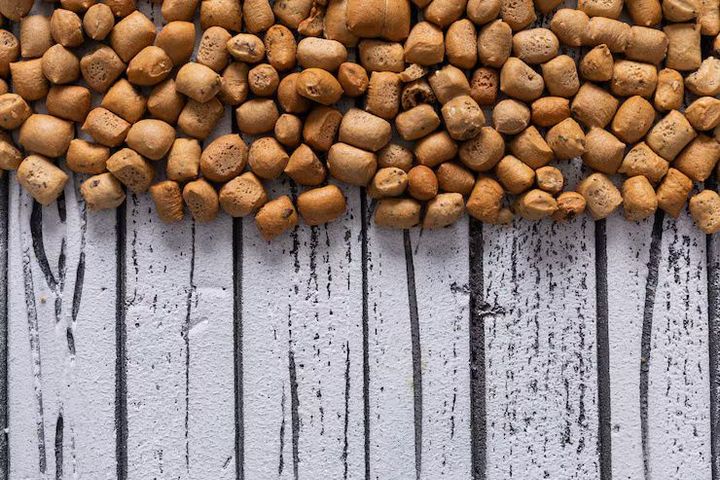
The resulting pellets can be designed for different aquaculture applications, including floating, slow-sinking, or sinking feed. Pellet characteristics depend on the formulation, moisture level, temperature, pressure, screw configuration, die design, and drying conditions.
Extrusion is one part of a broader aquafeed production line. A typical line may include raw-material handling, grinding, weighing, mixing, conditioning, extrusion, drying, cooling, screening, coating, and packaging stages.
ICAR educational material identifies grinding, dosing, mixing, conditioning, extrusion cooking, pellet making, drying, crumbling, and coating as important stages in feed manufacturing. It also identifies extruders and related equipment as key components of feed-processing systems.
How Fish Feed Extrusion Works
The process generally begins with accurately measured ingredients. Protein sources, grains or other carbohydrate sources, oils, minerals, vitamins, and other formulation components are ground and mixed to achieve a consistent blend.
The mixture then enters the extruder. Inside the machine, rotating screws move the material forward while mechanical energy and controlled heat create pressure and temperature.
Water or steam can be introduced during conditioning or extrusion. This helps soften the material and supports cooking and starch transformation.
At the end of the barrel, the processed material passes through a die. The die determines the approximate shape and diameter of the emerging feed strand.
A cutter then divides the strand into pellets. Depending on the formulation and process settings, the pellets can subsequently pass through a dryer, cooler, screen, and coating system.
Main Components
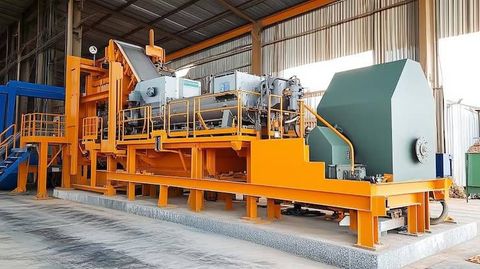
A fish feed extruder generally contains several interconnected components:
- Feed hopper
- Feeding system
- Conditioning section
- Extrusion barrel
- Screw assembly
- Die assembly
- Cutting system
- Drive motor
- Heating and cooling system
- Steam or water control system
- Control panel
- Monitoring instruments
Twin-screw and single-screw configurations are commonly used. Twin-screw systems can provide greater control over mixing and processing conditions, while single-screw systems have a comparatively straightforward mechanical arrangement.
Importance
Pellet Formation
Fish feed extruders help create pellets with controlled dimensions and physical characteristics. Pellet size is important because different fish species and growth stages require different feed sizes.
A stable pellet can also support consistent handling during storage and feeding. The required characteristics depend on species, feeding behaviour, water conditions, and formulation.
Floating and Sinking Characteristics
Extrusion can influence pellet density. By adjusting formulation and processing conditions, manufacturers can produce feed designed to float, slowly sink, or sink more rapidly.
Floating pellets can make feeding activity easier to observe at the water surface. Sinking feed can be appropriate for species that feed at lower levels of the water column.
Nutrient Processing
Heat and moisture during extrusion can alter the physical and nutritional characteristics of feed ingredients. Properly controlled processing can improve starch cooking and pellet structure.
However, excessive heat can affect heat-sensitive nutrients. Feed formulation and extrusion conditions therefore need to be considered together.
Water Stability
Aquaculture feed interacts directly with water after entering a pond, tank, cage, or other culture environment. Pellet stability influences how long the feed maintains its physical structure.
Good water stability can help reduce rapid disintegration and unnecessary nutrient dispersion. Processing conditions, ingredient selection, pellet density, die configuration, drying, and coating can all affect this characteristic.
Feed Quality Control
Quality control extends across the entire production process. Raw ingredients need to be checked before processing, while finished pellets can be evaluated for size, moisture, density, durability, water stability, and nutritional characteristics.
ICAR-CIBA has conducted training focused on aquafeed preparation techniques and quality control, including formulation, processing with extruders and pelletizers, and feed management for fish and other aquaculture species.
Recent Updates
Expansion of Fish Feed Standards
Indian Standards for fish feed have become more specific for different aquaculture species. BIS currently lists IS 16150 Part 7:2023 for tilapia feed and related parts covering carp, marine shrimp, freshwater prawn, Pangasius, and marine carnivorous fish feeds.
BIS also lists IS 16150 Part 2:2025 for Magur and Singhi feed as a first revision. These developments provide more specific reference points for feed formulation and quality requirements across different aquaculture categories.
More Controlled Extrusion
Modern extrusion lines increasingly use sensors and automated controls to monitor important operating conditions. Temperature, pressure, feed rate, screw speed, moisture, motor load, and other parameters can be monitored during production.
Automated control can help maintain consistency when feed formulations or production conditions change. Data recording also supports process evaluation and quality-control activities.
Improved Feed Formulation
Aquafeed production is increasingly focused on balancing nutritional requirements with ingredient availability and processing characteristics. Formulations can include combinations of plant-based ingredients, marine ingredients, oils, minerals, vitamins, and other permitted components.
The extrusion process needs to accommodate the physical properties of the selected ingredients. Changes in starch content, moisture, protein composition, or oil level can influence expansion, density, pellet strength, and water stability.
Indigenous Feed Technology
ICAR-CIBA continues to support aquafeed technology development and knowledge transfer. Its programmes have included practical training in feed formulation, extrusion, pelletization, processing, and quality control.
ICAR-CIBA has also worked with aquaculture organizations and industry participants on fish-feed formulation and processing technology, reflecting continued interest in locally adapted aquafeed production systems.
Digital Process Monitoring
Digital control systems are becoming increasingly relevant to feed-processing equipment. Operators can use recorded process information to compare production batches and identify variations.
This approach can support more consistent pellet dimensions, moisture levels, density, and processing conditions while reducing dependence on manual adjustments.
Laws or Policies
Indian Standards for Fish Feed
BIS provides species-specific fish-feed standards under the IS 16150 series. These include standards for several aquaculture categories, such as carp, tilapia, marine shrimp, freshwater prawn, Pangasius, marine carnivorous fish, and Magur and Singhi.
The exact applicability of an Indian Standard depends on the particular feed category and regulatory requirement. BIS's Know Your Standard platform can be used to check current standards, amendments, testing information, laboratories, and related certification details.
Feed Quality and Aquaculture
Feed quality is closely connected with aquaculture production and environmental management. Ingredients and finished feeds need appropriate quality controls to reduce contamination risks and maintain nutritional consistency.
ICAR's aquaculture feed technology material covers ingredient quality, feed additives, processing, storage, physical and chemical quality control, and prevention of spoilage.
Food Regulations and Fish Feed
FSSAI's principal regulations concern food intended for human consumption. Its current regulatory framework includes food-product standards, contaminants and residues, food-business licensing, laboratory analysis, packaging, and other food-safety areas.
Fish feed should therefore be distinguished from processed fish products intended for human consumption. Feed manufacturers should identify the specific agricultural, aquaculture, environmental, and state-level requirements applicable to their operations rather than applying food-product rules automatically.
Environmental Considerations
Aquaculture feed can influence water quality through uneaten feed and nutrient release. Proper formulation, pellet stability, feeding management, and production controls can help reduce unnecessary nutrient losses.
Feed-processing facilities should also consider dust control, equipment safety, energy use, wastewater management, and appropriate handling of raw materials and process residues.
Tools and Resources
Feed Processing Equipment
A complete fish-feed processing system may include:
- Hammer mills or pulverizers
- Ingredient weighing systems
- Feed mixers
- Steam conditioners
- Fish feed extruders
- Pellet cutters
- Dryers
- Coolers
- Crumblers
- Screens
- Vacuum coating systems
- Oil or liquid application systems
- Conveyors
The precise equipment arrangement depends on feed formulation, pellet type, production capacity, and processing requirements.
Quality Testing Equipment
Feed laboratories may use moisture analysers, weighing systems, sieves, density measurement equipment, durability testers, and other analytical instruments.
Nutritional and contamination testing can also be performed through suitable laboratory procedures. Sampling and storage practices are important because changes in moisture, temperature, and storage conditions can affect feed quality.
Extruder Monitoring Tools
Important operating measurements may include:
| Parameter | Purpose |
|---|---|
| Feed rate | Controls material entering the extruder |
| Screw speed | Influences residence time and mechanical energy |
| Barrel temperature | Controls thermal processing |
| Moisture | Influences expansion and pellet structure |
| Die size | Determines pellet diameter |
| Motor load | Indicates processing demand |
| Steam flow | Controls conditioning |
| Pellet moisture | Supports drying and storage control |
| Bulk density | Helps evaluate pellet characteristics |
Reference Resources
Useful resources include BIS standards, the BIS Know Your Standard platform, ICAR-CIBA aquafeed training and technology material, and applicable government aquaculture regulations.
BIS's Know Your Standard platform allows searches by Indian Standard number or product keyword and provides access to standard documents, amendments, testing information, laboratories, and related details.
FAQs
What are fish feed extruders used for?
Fish feed extruders process blended feed ingredients under controlled moisture, heat, pressure, and mechanical conditions to produce pellets with specific physical characteristics.
How do fish feed extruders affect pellet quality?
Extrusion conditions influence pellet expansion, density, strength, moisture, water stability, and shape. Ingredient formulation and drying conditions also affect the final pellet.
What types of fish feed can be produced by extrusion?
Extrusion can be used for various floating, slow-sinking, and sinking aquaculture feeds. The appropriate process depends on species, formulation, pellet size, and desired physical characteristics.
Why is drying important after extrusion?
Drying reduces excess moisture from freshly processed pellets and supports appropriate storage stability. The required drying conditions depend on the formulation and finished-feed characteristics.
Which Indian Standards apply to fish feed?
The BIS IS 16150 series includes specifications for several fish-feed categories, including carp, tilapia, marine shrimp, freshwater prawn, Pangasius, marine carnivorous fish, and Magur and Singhi feeds.
Conclusion
Fish feed extruders play an important role in modern aquaculture feed processing by combining controlled heat, moisture, pressure, and mechanical energy. Their operation influences pellet shape, density, durability, water stability, and other feed characteristics. Current Indian developments include more species-specific fish-feed standards and continued ICAR work involving formulation, extrusion, processing, and quality control. Consistent raw-material management, process monitoring, drying, storage, and quality testing remain important throughout fish-feed production.