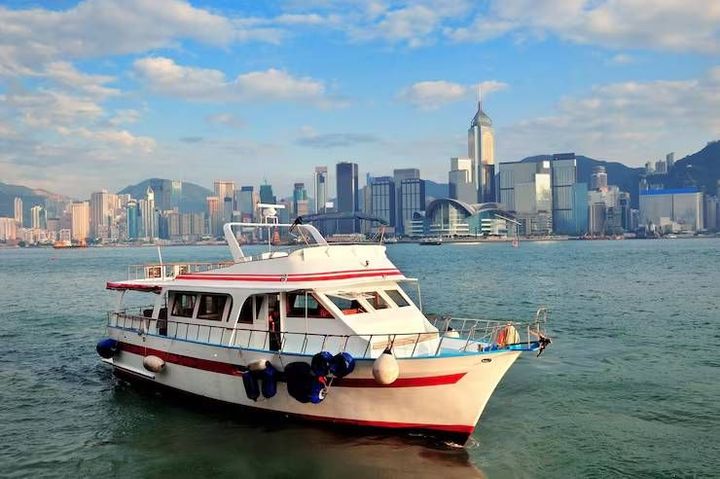
Ferry and Boat Travel Routes: Explore Coastal Passages, Island Connections, and Scenic Waterways
Ferry and boat travel routes are waterways used to transport passengers, vehicles, and goods between different locations.
These routes connect islands, coastal towns, riverbanks, ports, and waterfront communities. Depending on the distance and local geography, a journey may take a few minutes across a river or several hours between islands and coastal destinations.
Water transportation has existed for thousands of years. Early communities used simple boats made from wood, reeds, and other natural materials to cross rivers, reach fishing areas, and exchange goods. As shipbuilding techniques developed, boats became larger and more capable of carrying passengers and cargo over longer distances.
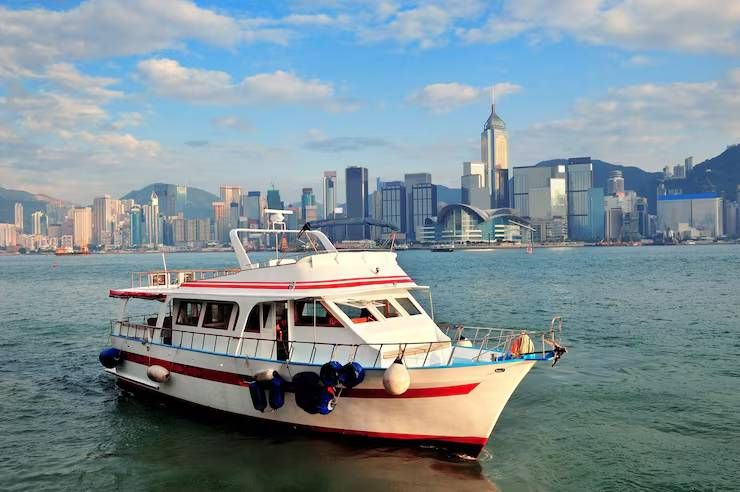
Modern ferry and boat travel routes use different types of vessels, navigation equipment, docking facilities, and communication systems. Ferries generally operate along established routes with designated departure points, while other boats may follow scheduled, seasonal, recreational, or locally arranged journeys. The type of vessel and route depends on water depth, distance, weather, passenger requirements, and the availability of suitable ports.
Common Types of Ferry and Boat Routes
Ferry and boat routes vary according to the environment and purpose of travel. Common categories include:
- River routes: Connect communities on opposite riverbanks and provide transport across waterways.
- Coastal routes: Link towns, ports, beaches, and settlements along coastlines.
- Island routes: Connect mainland ports with islands and smaller coastal communities.
- Lake routes: Carry passengers across lakes where road connections may be limited.
- International ferry routes: Connect ports in different countries and involve applicable border and immigration procedures.
- Tour and sightseeing routes: Follow waterways to provide views of landscapes, historic waterfronts, or natural features.
- Vehicle ferry routes: Carry cars, motorcycles, bicycles, and sometimes larger road vehicles between designated terminals.
Each route has different operating requirements. A short river crossing may need basic docking facilities, while an international ferry journey may involve passenger terminals, customs procedures, vehicle access controls, and more complex navigation arrangements.
Importance
Ferry and boat travel routes play an important role in transportation, particularly in areas where rivers, islands, and coastal geography make direct road connections difficult. They can provide links between residential areas, workplaces, schools, markets, ports, and tourist destinations.
For everyday passengers, water transportation can reduce the need for long journeys around bays, rivers, or other geographical barriers. In some locations, ferries form part of the public transportation network alongside buses, trains, and road transport.
Benefits for Communities and Transport Networks
Water routes can support several practical needs. They help residents reach essential destinations, enable the movement of goods, and connect communities that might otherwise have limited transport options. Vehicle ferries also allow road journeys to continue across stretches of water without requiring a bridge.
Ports and ferry terminals can contribute to local economic activity by supporting passenger movement, fishing-related activities, tourism, and the transport of supplies. However, the extent of these benefits depends on route frequency, vessel capacity, local demand, and the availability of alternative transport.
Challenges Affecting Water Travel
Ferry and boat journeys depend on environmental conditions that may change quickly. Strong winds, heavy rain, rough seas, fog, changing tides, and river currents can affect navigation and departure schedules.
Other challenges include limited terminal facilities, seasonal demand, overcrowding, accessibility for passengers with disabilities, and connections with other forms of transport. Some smaller communities also face difficulties when waterways become unsafe or impassable during particular seasons.
Passenger safety is another important consideration. Vessel operators must account for passenger capacity, emergency equipment, navigation conditions, and the needs of people boarding or leaving the vessel. Passengers may also need to follow instructions about life jackets, restricted areas, and movement on deck.
Comparing Common Water Travel Routes
| Route type | Typical journey | Main consideration | Common use |
|---|---|---|---|
| River ferry | Short crossing | Current and water level | Local transport |
| Coastal ferry | Coastal connection | Weather and sea conditions | Passenger travel |
| Island ferry | Mainland to island | Distance and vessel capacity | Community and visitor travel |
| Lake boat route | Across a lake | Wind and visibility | Local journeys and sightseeing |
| International ferry | Between countries | Border procedures and documentation | Passenger and vehicle transport |
| Sightseeing boat | Circular or one-way trip | Navigation and passenger safety | Leisure and tourism |
Recent Updates
Ferry and boat travel has been evolving through changes in vessel technology, environmental planning, digital passenger information, and port infrastructure. Developments across 2024–2026 reflect wider efforts to improve transportation efficiency, reduce environmental impacts, and make journeys easier to manage.
Electrification and Lower-Emission Vessels
Electric and hybrid vessels have gained attention, particularly for short routes where boats return regularly to the same terminal. These vessels can use batteries, electric motors, or combinations of conventional and electric propulsion.
Their suitability depends on route length, passenger loads, vessel design, charging facilities, and operating conditions. Electric propulsion may reduce exhaust emissions during operation, although the overall environmental effect also depends on how electricity is generated and how vessel batteries are produced.
Digital Timetables and Passenger Information
Digital information systems have become increasingly important for ferry passengers. Operators may publish timetables, route maps, departure updates, terminal information, and disruption notices through websites or mobile applications.
Some systems also provide electronic ticketing, reservation management, and live vessel positions. The availability and accuracy of these features differ between operators and routes, particularly in remote locations with limited communications infrastructure.
Modern Navigation and Port Infrastructure
Navigation technology increasingly combines satellite positioning, electronic charts, radar, and communication equipment. These tools help vessel crews understand their location, identify navigational hazards, and monitor surrounding traffic.
Ports are also adopting changes such as improved passenger access, vehicle handling arrangements, digital information displays, and infrastructure designed for different vessel types. These developments are not uniform, as smaller terminals may face space, funding, or technical limitations.
Climate and Weather Planning
Weather-related disruptions remain an important concern for water transportation. Operators increasingly use weather forecasts, navigational information, and operational procedures to assess whether a journey can proceed safely.
Climate adaptation is also relevant to ports exposed to rising sea levels, coastal flooding, stronger storms, or changing river conditions. Planning may involve improving drainage, protecting terminal infrastructure, and reviewing operating procedures for changing environmental risks.
Laws or Policies
Ferry and boat travel routes are governed by national laws, port regulations, navigation requirements, and international maritime agreements where applicable. The precise rules depend on the country, vessel category, route, passenger capacity, and whether a journey crosses an international border.
In India, inland water transport and maritime activities fall under several legal and administrative frameworks. The Inland Waterways Authority of India plays a role in the development and regulation of national waterways within its statutory responsibilities. The Inland Vessels Act, 2021, establishes a framework for matters including inland vessel registration, safety, and navigation.
Maritime transport and port activities are also subject to relevant central legislation, state-level requirements, and rules administered by the appropriate authorities. Passenger ferries operating in coastal waters may face different requirements from boats operating entirely on inland waterways.
International maritime safety frameworks established through the International Maritime Organization influence many aspects of vessel safety and pollution prevention. Requirements may apply differently according to vessel size, type, voyage, and national implementation.
Common regulatory areas include:
- Vessel registration and required operating documentation
- Crew qualifications and applicable training requirements
- Passenger capacity and emergency equipment
- Navigation rules and communication procedures
- Pollution prevention and waste management
- Port access, boarding arrangements, and passenger handling
- Immigration, customs, and identification requirements for international journeys
Passengers may need valid identification or other travel documents, depending on the route. Weather-related restrictions and local navigation notices can also affect departures. The relevant authority and operator determine the requirements for each route.
Tools and Resources
Several resources help passengers understand ferry and boat travel routes before a journey. Official operator websites are useful for checking departure times, terminal locations, route maps, passenger requirements, and disruption notices. Information should be checked for the intended travel date because schedules can change with weather, maintenance, and seasonal demand.
Government transport websites and port authority publications provide information about waterways, navigation restrictions, passenger safety, and relevant regulations. In India, the Inland Waterways Authority of India website provides information about national waterways and inland water transport initiatives.
Digital mapping applications can help identify terminals, nearby roads, walking connections, and onward public transportation. Marine navigation applications and electronic charts serve different purposes and should not be treated as substitutes for the required equipment, training, or judgment of vessel crews.
Useful resources include:
- Official ferry operator websites: Route maps, schedules, terminal details, and operational notices.
- Government transport portals: Information about inland waterways and transport policies.
- Port authority websites: Local navigation notices and terminal information.
- Weather forecasting platforms: Forecasts relevant to wind, rain, visibility, and sea conditions.
- Digital mapping applications: Directions to departure terminals and connections with other transport.
- Maritime safety publications: General information about vessel safety and passenger responsibilities.
The usefulness of each resource depends on the route and the information provided by the relevant operator or authority.
FAQs
What are ferry and boat travel routes?
Ferry and boat travel routes are waterways followed by vessels to connect locations across rivers, lakes, coastal waters, and seas. They can support public transport, island access, vehicle movement, cargo transportation, and sightseeing.
How can passengers check ferry schedules and routes?
Passengers can consult official operator websites, terminal notices, published timetables, or relevant mobile applications. Weather conditions, maintenance, and operational changes may affect departure times.
What documents are needed for international ferry routes?
Requirements depend on the countries involved and the passenger's circumstances. A passport, visa, or other travel documentation may be required, along with any applicable customs or immigration procedures.
Are ferry and boat travel routes affected by weather?
Yes. Wind, waves, fog, heavy rain, tides, and strong currents can affect vessel safety and departure schedules. Operators may delay, modify, or cancel journeys when conditions are unsuitable.
How are ferry routes different from other boat routes?
Ferry routes usually connect designated terminals and may follow published schedules. Other boat routes can include sightseeing journeys, recreational trips, private transport, or locally arranged crossings that operate under different conditions.
Conclusion
Ferry and boat travel routes connect communities across rivers, lakes, coastal waters, and seas while supporting passenger movement, vehicle transport, and local economic activity. Their operation depends on vessel design, navigation technology, weather conditions, terminal infrastructure, and applicable regulations. Recent developments include digital passenger information, electric propulsion, and improvements in navigation and port planning. Understanding route types, travel requirements, and safety considerations provides a clear overview of water transportation.